Cooking with Miso: Simple Recipes and Flavor Tips for Every Meal
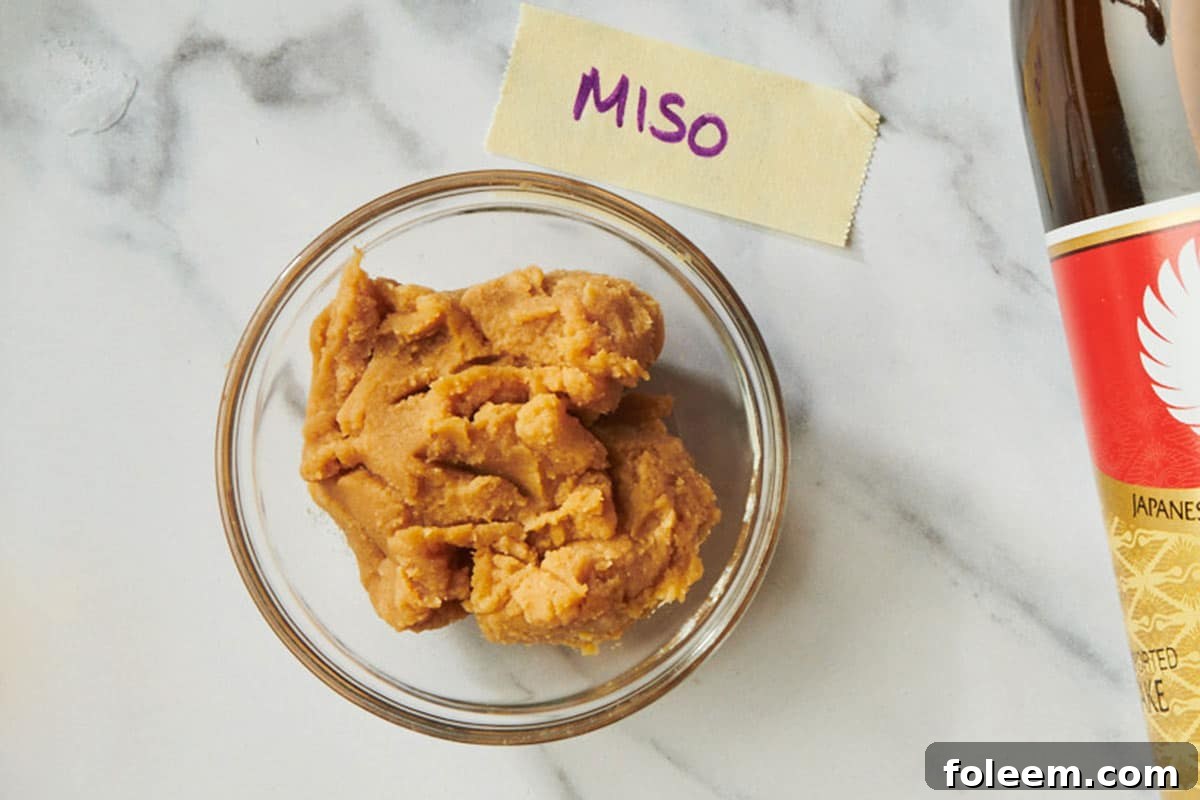
Miso is an ingredient that lifts dishes with a single spoonful. Salty, savory, and comforting, it concentrates umami in a way few pantry staples can. The key is using it thoughtfully: too much heat can dull or make the paste bitter. Learn the basic rules (top one: never boil miso) and you’ll find it simple to use in soups, sauces, dressings, glazes, or as a quick boost for roasted vegetables.
- What Is Miso?
- Miso in Everyday Cooking
- Kitchen Smarts
- My Favorite Miso Recipes!
- FAQs — Cooking with Miso
- More Cooking Basics
What Is Miso?
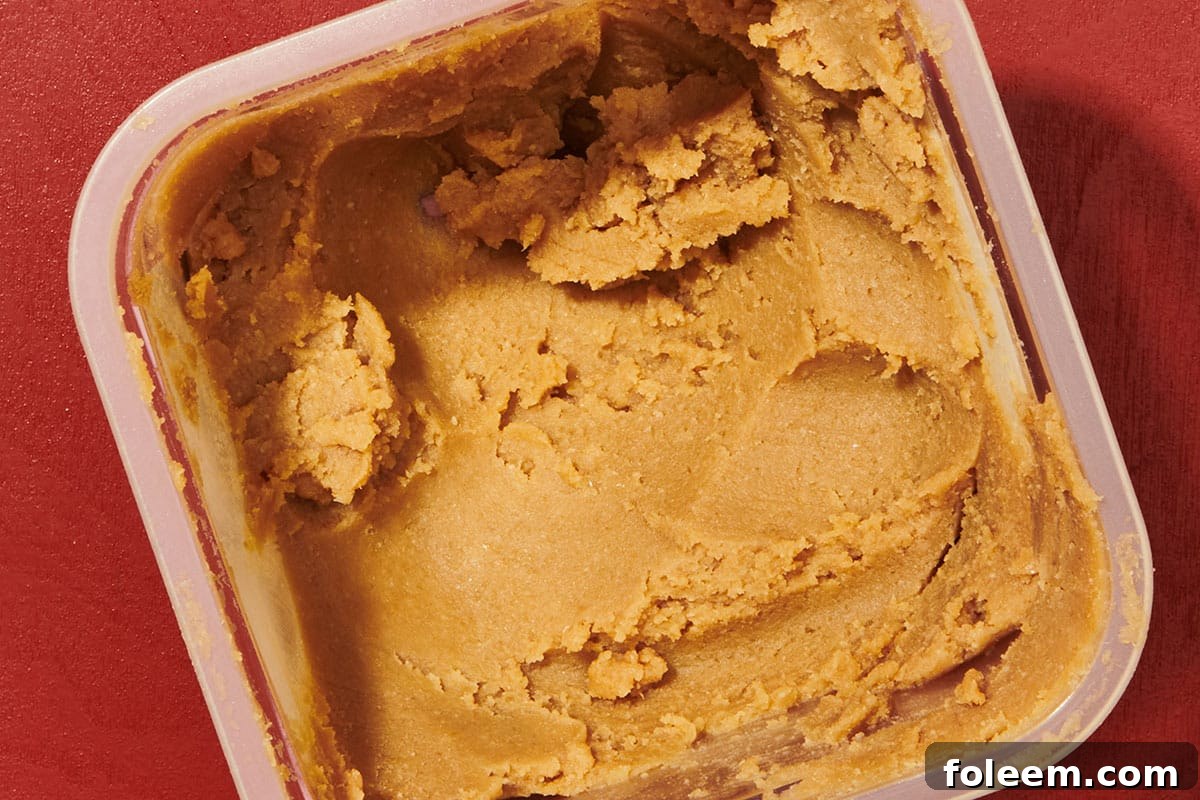
Miso is a fermented paste made from soybeans, sometimes blended with rice or barley, plus salt and koji, a beneficial mold used in fermentation. It is available in a range of colors and intensities:
- White (Shiro) Miso: Mild and slightly sweet. Excellent for everyday soups, dressings, and gentle seasoning where you want umami without overpowering other flavors.
- Red (Aka) Miso: Stronger, saltier, and more robust. Best for heartier stews, bold glazes, and dishes that benefit from a concentrated savory kick.
- Brown / Mixed (Awase) Miso: A blend of white and red miso, offering balanced flavor—deeper than white but less intense than red. Versatile for soups, sauces, and marinades when you want complexity without overwhelming the dish.
Add Miso at The End

The golden rule: don’t boil miso. High heat diminishes its bright flavor and destroys live cultures, leaving a flat or bitter taste. For best results, remove pots from the heat and stir miso in at the end of cooking, then taste and adjust.
If you prefer a smoother finish in soups or sauces, whisk miso into a small amount of warm (not boiling) liquid to make a slurry before adding it to the dish.
Miso in Everyday Cooking
- Soups: Combine miso with dashi or vegetable broth for quick, soothing miso soup. Add tofu, seaweed, or leafy greens for an easy weeknight meal.
- Marinades & Glazes: Blend miso with soy sauce, mirin, and a little honey or sugar to glaze fish, chicken, or roasted vegetables for a glossy, savory finish.
- Dressings & Sauces: Use miso to enrich vinaigrettes and creamy dressings or to make miso butter for noodles and vegetables; it adds body and depth without heaviness.
- Quick flavor booster: Stir a small spoonful into mashed potatoes, roasted vegetables, or scrambled eggs for an immediate umami lift that blends into the dish.

Kitchen Smarts
- Keep miso refrigerated; it stores well for months when sealed properly.
- Don’t automatically double the miso in a recipe—its saltiness and intensity can quickly dominate a dish.
- White miso is a go-to for everyday cooking. Reach for red miso when you need a stronger, more assertive flavor.
My Favorite Miso Recipes!
Avocado Salad with Creamy Miso Dressing
Miso-Glazed Scallops
Miso-Glazed Japanese Eggplant
FAQs — Cooking with Miso
No. High heat destroys much of its flavor and beneficial enzymes. Always add miso at the end of cooking or dissolve it into a bit of warm liquid first.
White miso is mild and flexible; red miso is stronger and suits richer dishes. Choose based on the intensity you want and taste as you cook.
Stored in the refrigerator with the lid sealed, miso keeps for many months—often up to a year or more. Keep it covered and use a clean spoon.
You can, but it’s usually unnecessary. Because miso keeps so well in the fridge, buying smaller containers is often easier than freezing.
Start with a small amount and taste. Miso is potent—add more gradually to avoid oversalting the dish.
Miso is highly salted and fermented, making spoilage rare. Darkening and a stronger flavor over time are normal. Discard it if you see mold or a genuinely off, rancid smell rather than the usual pungent aroma. To prolong freshness, press plastic wrap directly against the surface before replacing the lid and always use a clean spoon.
More Cooking Basics
- Cooking with Mirin
- Tips and Tricks for Cooking with Fresh Ginger
- How to Cook With Yuzu
- Lemongrass Cooking and Prep Tips
- What Is Marsala Wine and How to Use It in Cooking?