Cooking with Maple Syrup: Savory and Sweet Recipe Ideas
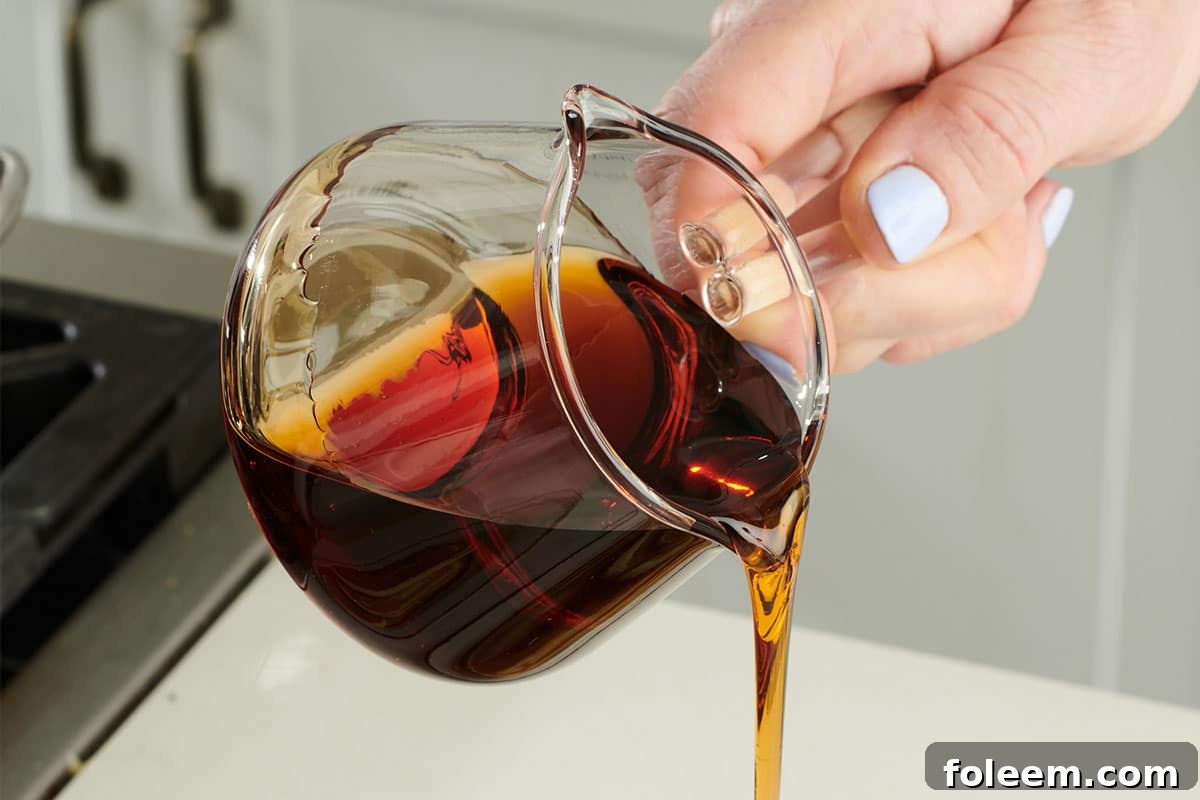
Maple syrup isn’t only for pancakes. From baking and dressings to glazes, marinades, and roasted vegetables, maple syrup adds warmth, complexity, and a subtle caramel note to both sweet and savory dishes. Below are practical ways to use real maple syrup throughout your cooking.
- How to Use Maple Syrup (Beyond Pancakes and Waffles)
- What Makes Maple Syrup So Good for Cooking?
- How to Use Maple Syrup in Baking
- How to Substitute:
- How to Use Maple Syrup in Savory Cooking
- How Maple Syrup Wins Breakfast
- Maple Syrup vs. Honey vs. Sugar
- Grades of Maple Syrup
- Storage Tips
- FAQs: How to Use Maple Syrup
- More Cooking Tips
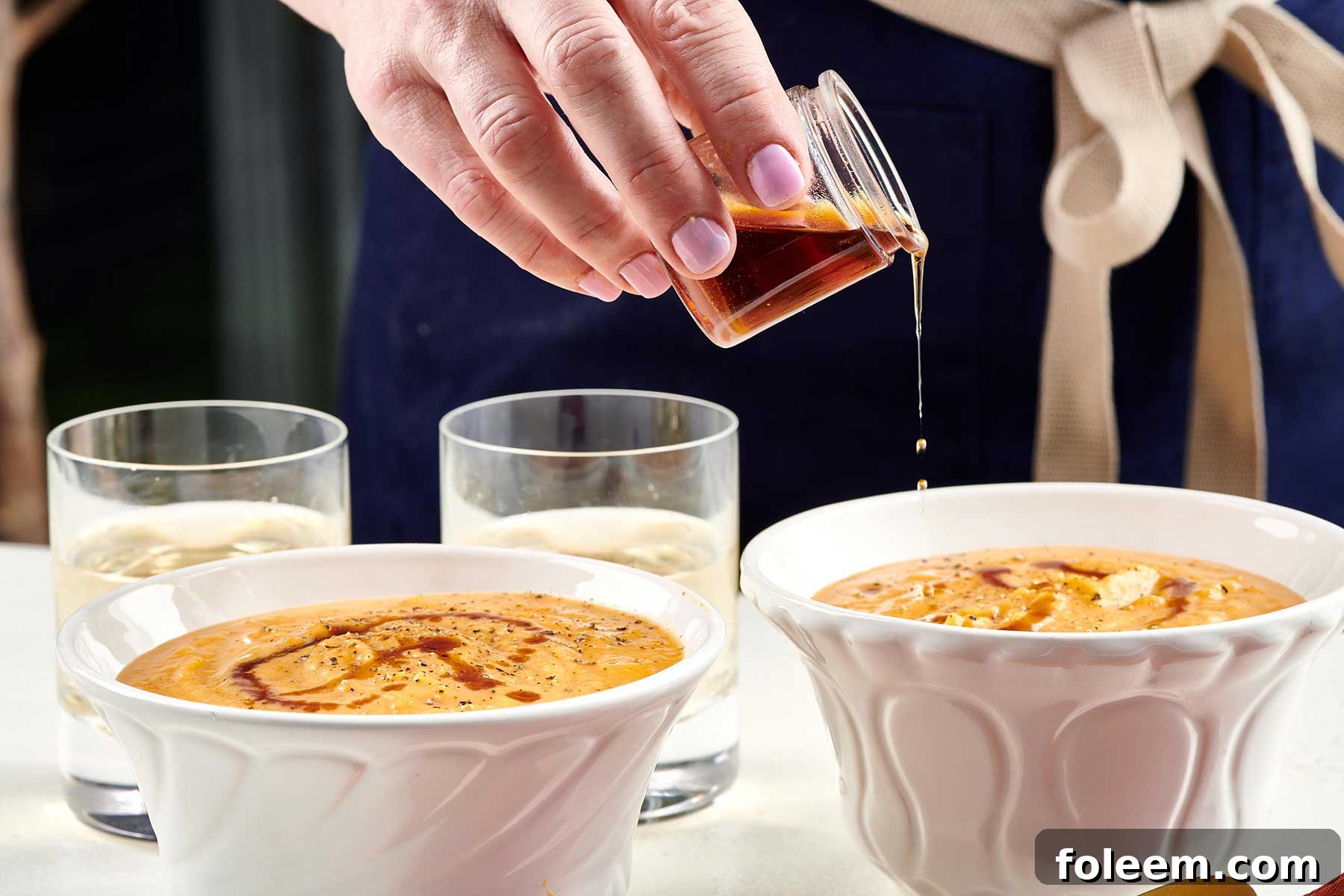
How to Use Maple Syrup (Beyond Pancakes and Waffles)
Maple syrup is both a treat and a versatile ingredient. Beyond breakfast, it brings depth and a rounded sweetness to dressings, glazes, baked goods, and savory sauces. It works as a natural sweetener in vinaigrettes, caramelizes beautifully on roasted foods, and balances acid and spice in braises and barbecue sauces. Start small—maple has a pronounced flavor—and adjust to taste.
Many cooks keep a bottle on hand because it pairs well across cuisines and ingredients, from whole grains and fruit to roasted meats and vegetables.
What Makes Maple Syrup So Good for Cooking?
True maple syrup is pure tree sap reduced to a syrup, so it retains trace minerals and a nuanced, toasty sweetness that refined sugar lacks. Its flavor profile adds complexity rather than just sweetness, and because it blends easily into liquids, it’s simple to incorporate into sauces, dressings, baked batters, and glazes.
How to Use Maple Syrup in Baking
Maple syrup is excellent in baked goods when you want a softer, more nuanced sweetness. It keeps baked items moist and gives them a gentle caramel note.
Great for:
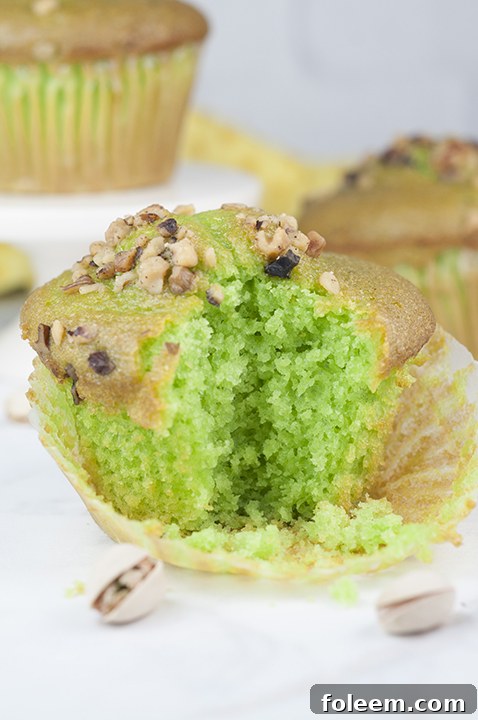
- Muffins and quick breads
- Cookies and bars
- Cakes and cupcakes
- Granola and baked oatmeal
How to Substitute:
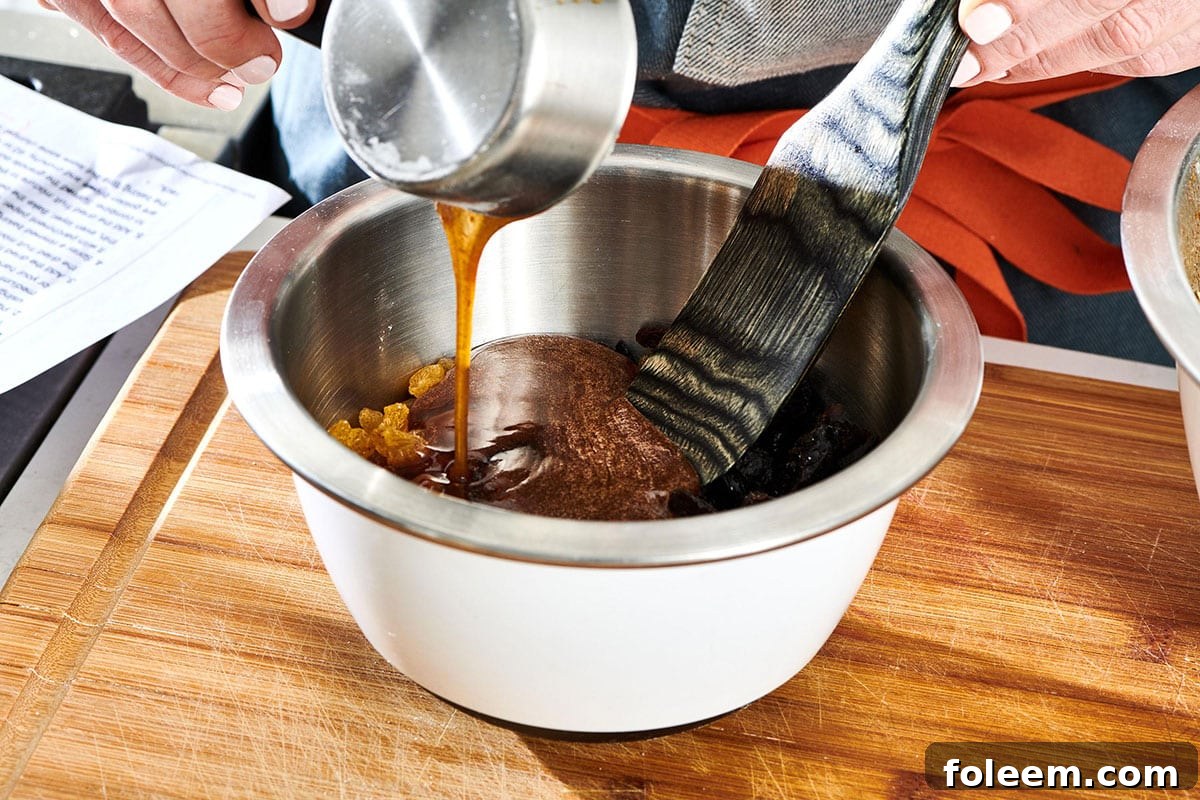
If swapping maple syrup for granulated sugar in baking, keep these adjustments in mind:
- Reduce other liquids by about 1/4 cup for every cup of maple syrup used.
- Expect a slightly moister, softer crumb.
- Lower the oven temperature by about 25°F to prevent over-browning.
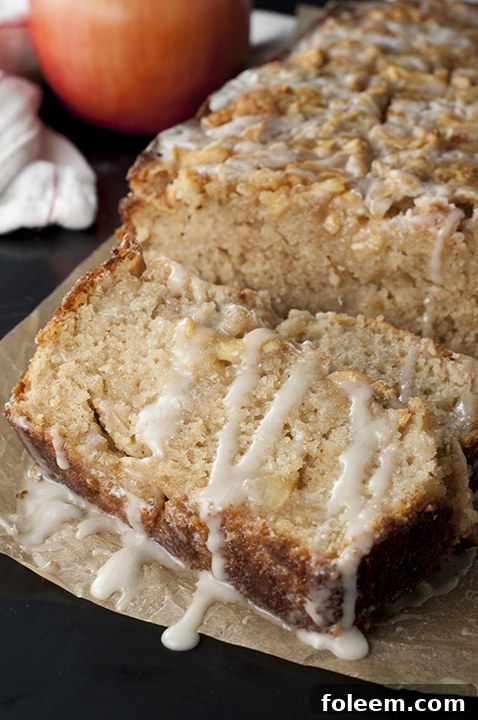
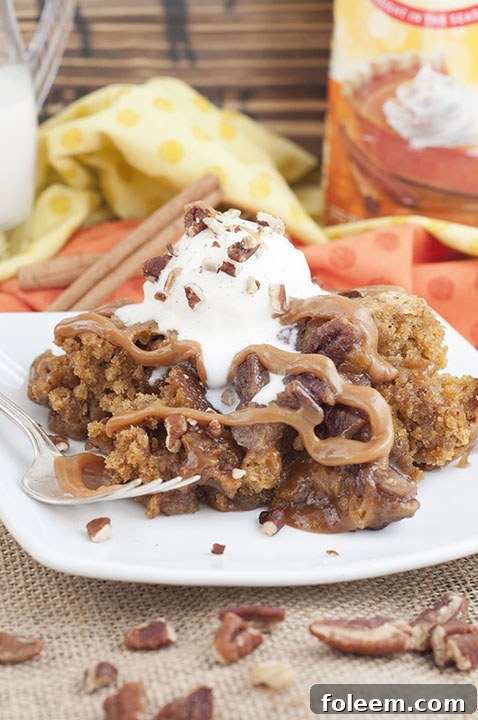
Maple pairs especially well with oats, apples, banana, pumpkin, chocolate, and warm spices such as cinnamon, nutmeg, and ginger.
How to Use Maple Syrup in Savory Cooking
In savory dishes, maple syrup shines by balancing salty, acidic, and spicy elements. It caramelizes when exposed to heat, creating attractive golden edges and concentrated flavor.
In Marinades & Glazes
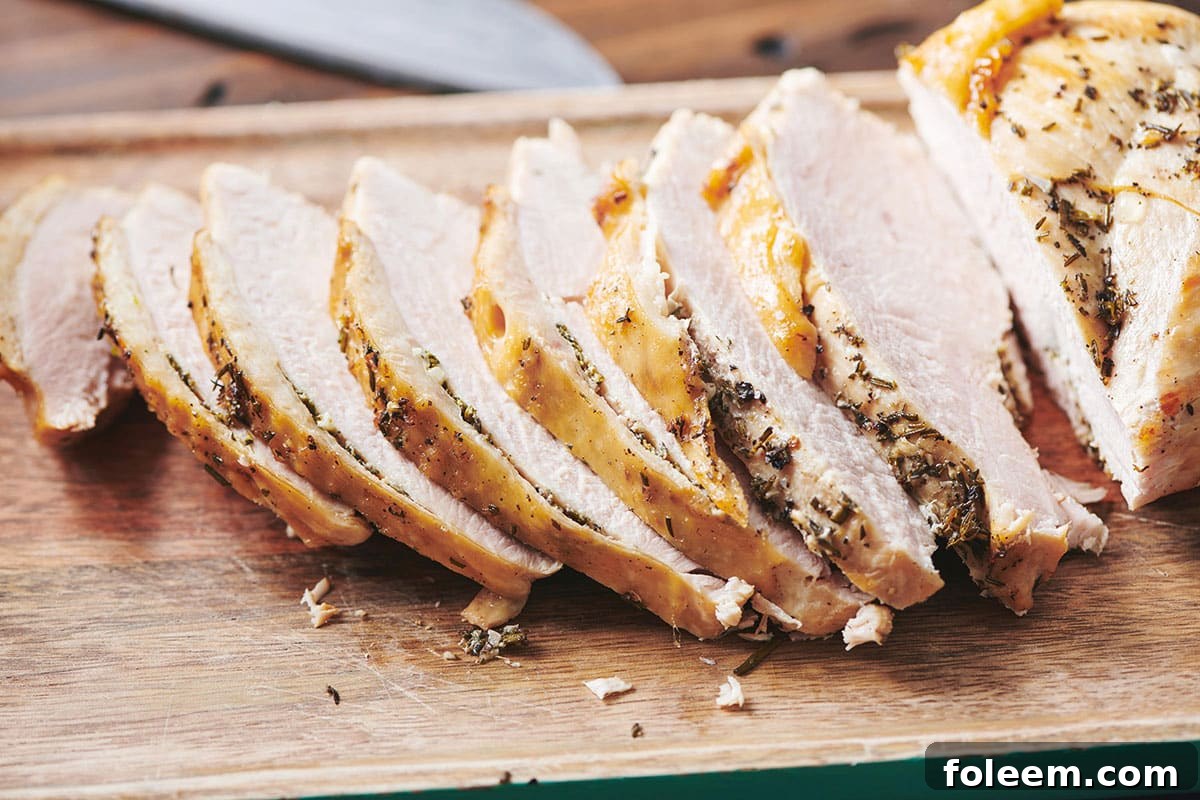
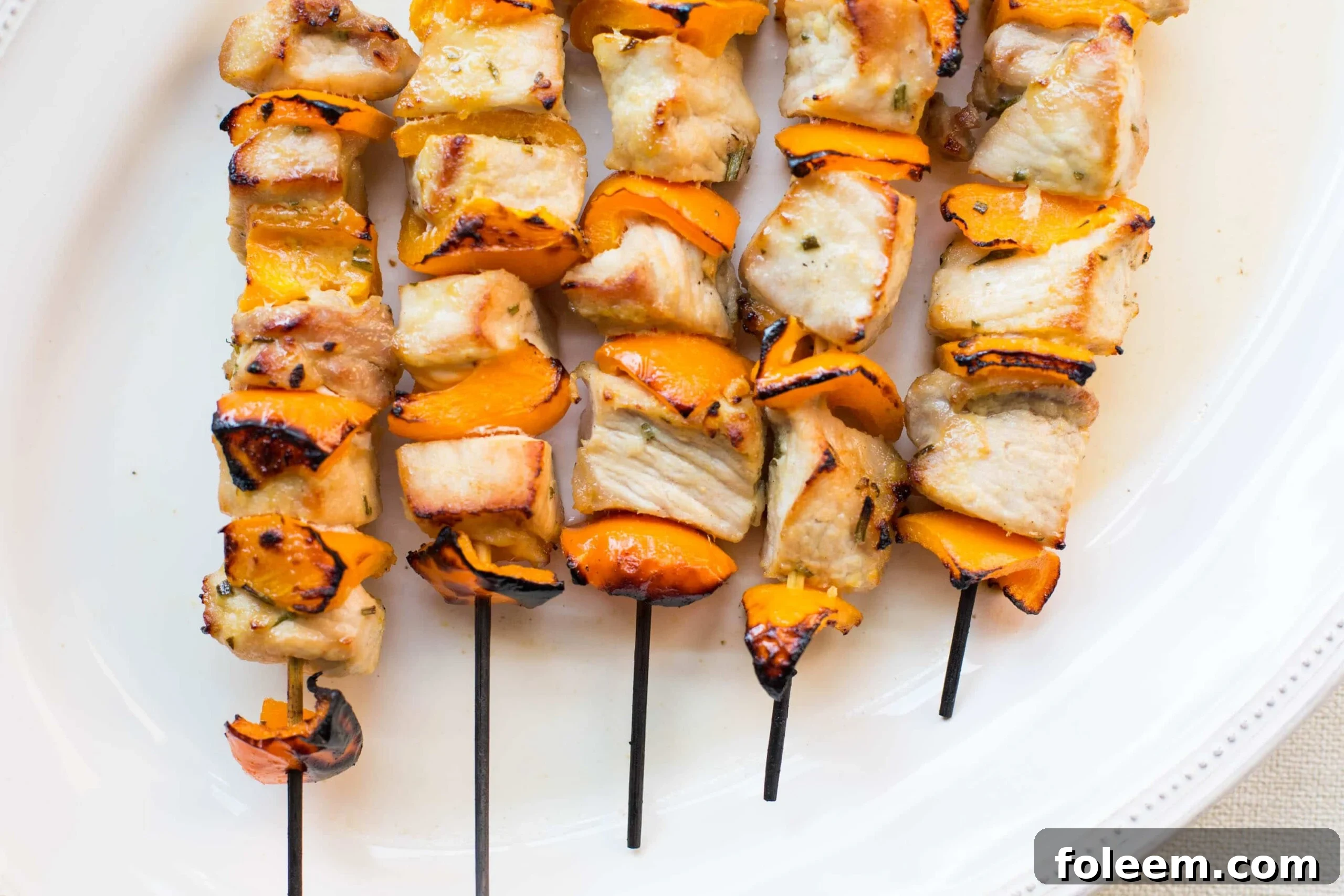
Use maple syrup in marinades and glazes for chicken, pork, salmon, or ham. It plays well with mustard, soy, citrus, or vinegar-based marinades and creates a glossy, caramelized finish during cooking.
In Salad Dressings
Maple syrup is an excellent sweetener for vinaigrettes. A small amount softens acidity without overwhelming the other ingredients. Combine it with Dijon mustard, apple cider or balsamic vinegar, and olive oil for a balanced dressing.
On Roasted Vegetables
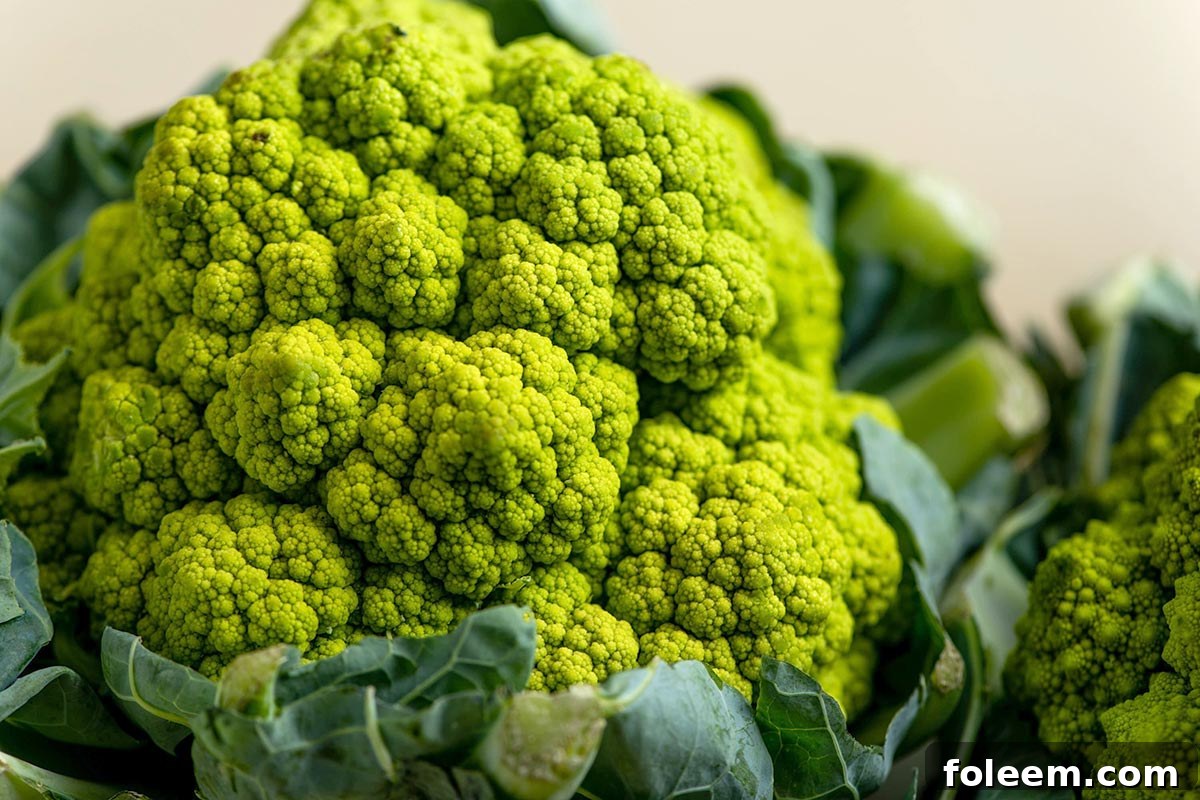
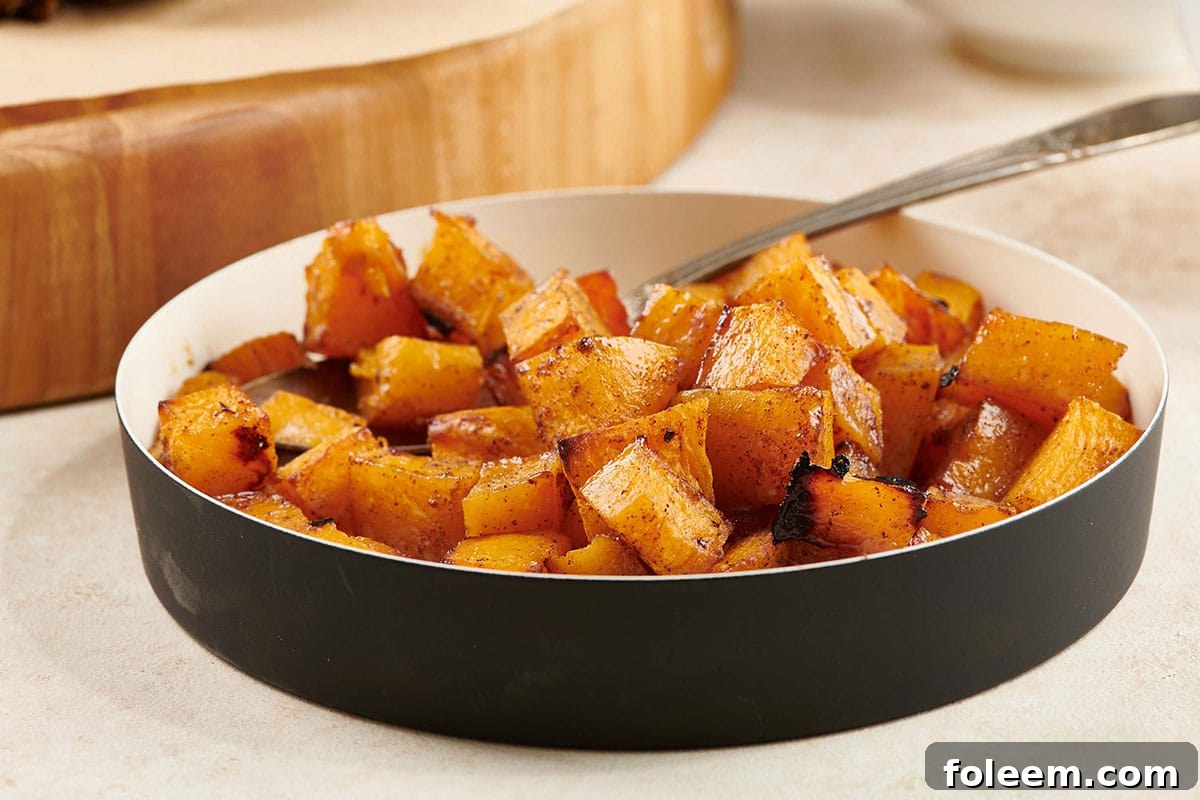
A light drizzle of maple syrup before roasting gives vegetables a glossy, sweet finish and encourages caramelization. It’s especially good with carrots, sweet potatoes, Brussels sprouts, winter squash, and cauliflower. Add olive oil, salt, and a touch of chili or black pepper for contrast.
In Sauces & Braises
A spoonful of maple syrup can round out acidity and heat in slow-cooked dishes. Add it to barbecue sauces, chili, braised short ribs, pulled pork, or bean dishes to build depth and balance.
How Maple Syrup Wins Breakfast
Maple syrup remains an unbeatable choice for breakfast and brunch. Use it with:
- Pancakes and waffles
- Oatmeal and overnight oats
- Yogurt and fresh fruit
- French toast and baked French toast casseroles
- Homemade granola
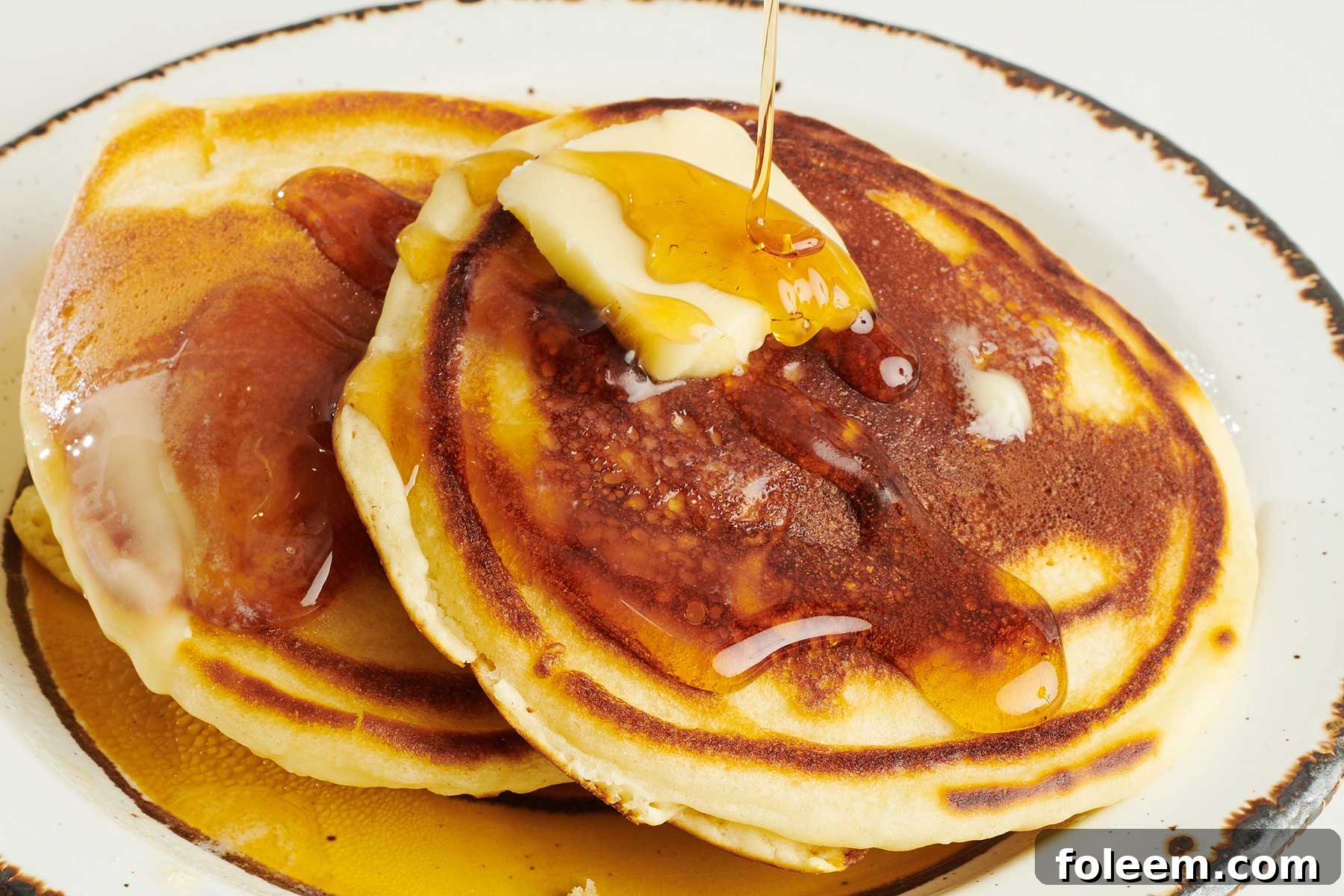
Warming the syrup slightly before serving and adding a small pat of butter and a pinch of salt highlights its flavor.
Maple Syrup vs. Honey vs. Sugar
- Maple syrup: warm, complex, and easy to blend into liquids.
- Honey: thicker, floral, and stickier in texture.
- Molasses: bold and bittersweet, adds moisture and depth.
- Sugar: neutral, clean sweetness without added flavor.
Choose maple when you want sweetness with character and depth.
Grades of Maple Syrup
Grocery stores commonly use a simplified grading system. Lighter syrups are delicate and best for drizzling, while darker syrups have a bolder maple flavor that holds up well in cooking and baking. For most home cooking, Amber or Dark are versatile choices that bring noticeable maple character without overwhelming a dish.
| Grade | Color | Flavor | Best For |
|---|---|---|---|
| Grade A Golden | Very light | Delicate, subtle | Drizzling on pancakes, waffles, yogurt, or ice cream |
| Grade A Amber | Medium | Classic, balanced | All-purpose syrup for eating and cooking |
| Grade A Dark | Dark brown | Bold, robust | Baking, glazes, or recipes where maple should stand out |
| Grade A Very Dark | Deep, very dark | Strong, robust | Sauces, marinades, and dishes needing a punch of maple |
Storage Tips
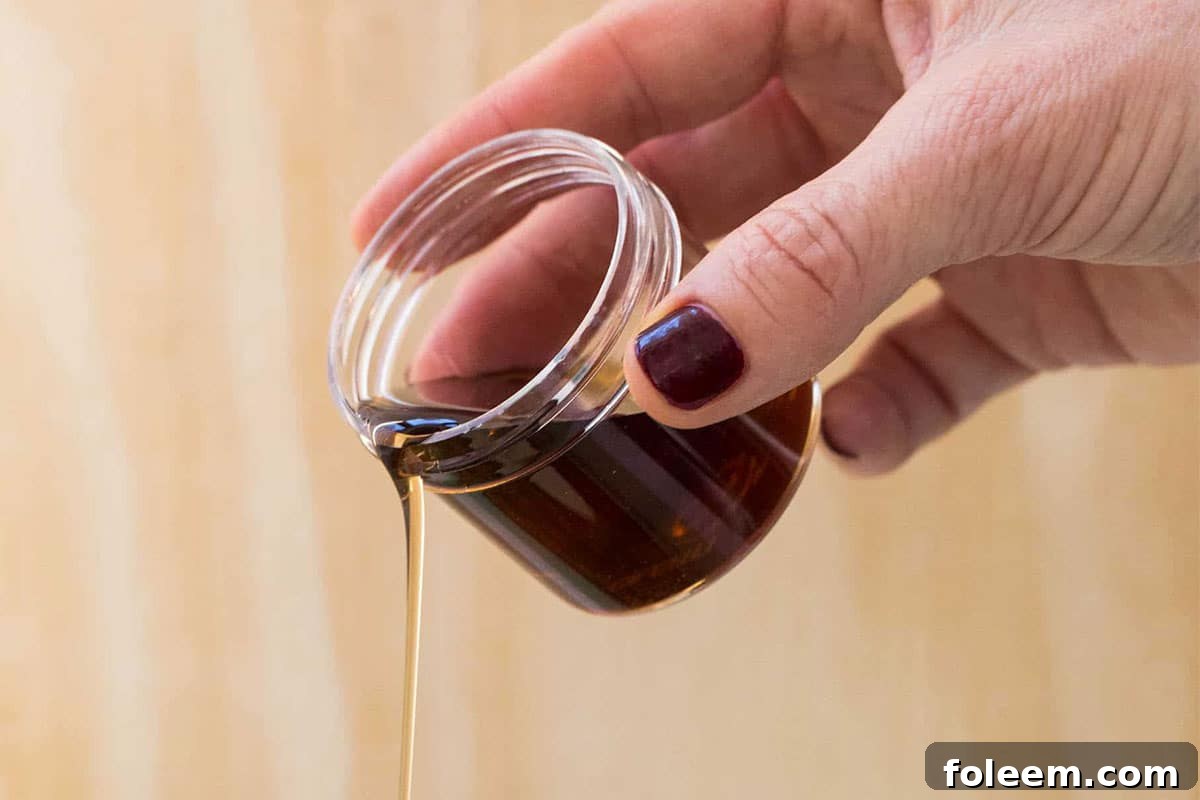
- Store unopened syrup in the pantry for up to a year.
- After opening, keep maple syrup refrigerated to preserve quality.
- Properly refrigerated, opened syrup can last about a year.
- If crystals form, gently warm the syrup to dissolve them.
Why Real Maple Syrup Is Worth It

Real maple syrup brings a buttery, nuanced flavor that imitation syrups can’t match. A small amount goes a long way—adding a depth that elevates simple dishes like roasted squash, dressings, or pancakes. While some people prefer the thicker sweetness of imitation syrup on pancakes, real maple provides a more complex and satisfying taste in both everyday and special recipes.
FAQs: How to Use Maple Syrup
Yes, but it burns more easily than sugar, so moderate heat is best to prevent scorching.
Maple syrup is still a form of sugar, but it contains trace minerals and a slightly different glycemic response than refined sugar. Use it in moderation.
Yes—often in a 1:1 ratio—though the final flavor will be different.
Pork, chicken, turkey, and salmon pair particularly well with maple-based glazes or marinades.
Mold is uncommon but can occur. If you see mold, discard the syrup. Proper refrigeration and clean utensils help prevent contamination.
Yes. Because of its sugar content, it won’t freeze solid but will keep well for years in the freezer.
More Cooking Tips
- Use maple syrup to replace brown sugar in recipes when you want a deeper, more caramelized flavor.
- Add a splash to tomato-based sauces or chili to balance acidity.
- Combine maple with mustard, soy, or citrus for quick glazes on meat and tofu.
- For dressings, whisk maple with vinegar and mustard before slowly adding oil for a smooth emulsion.