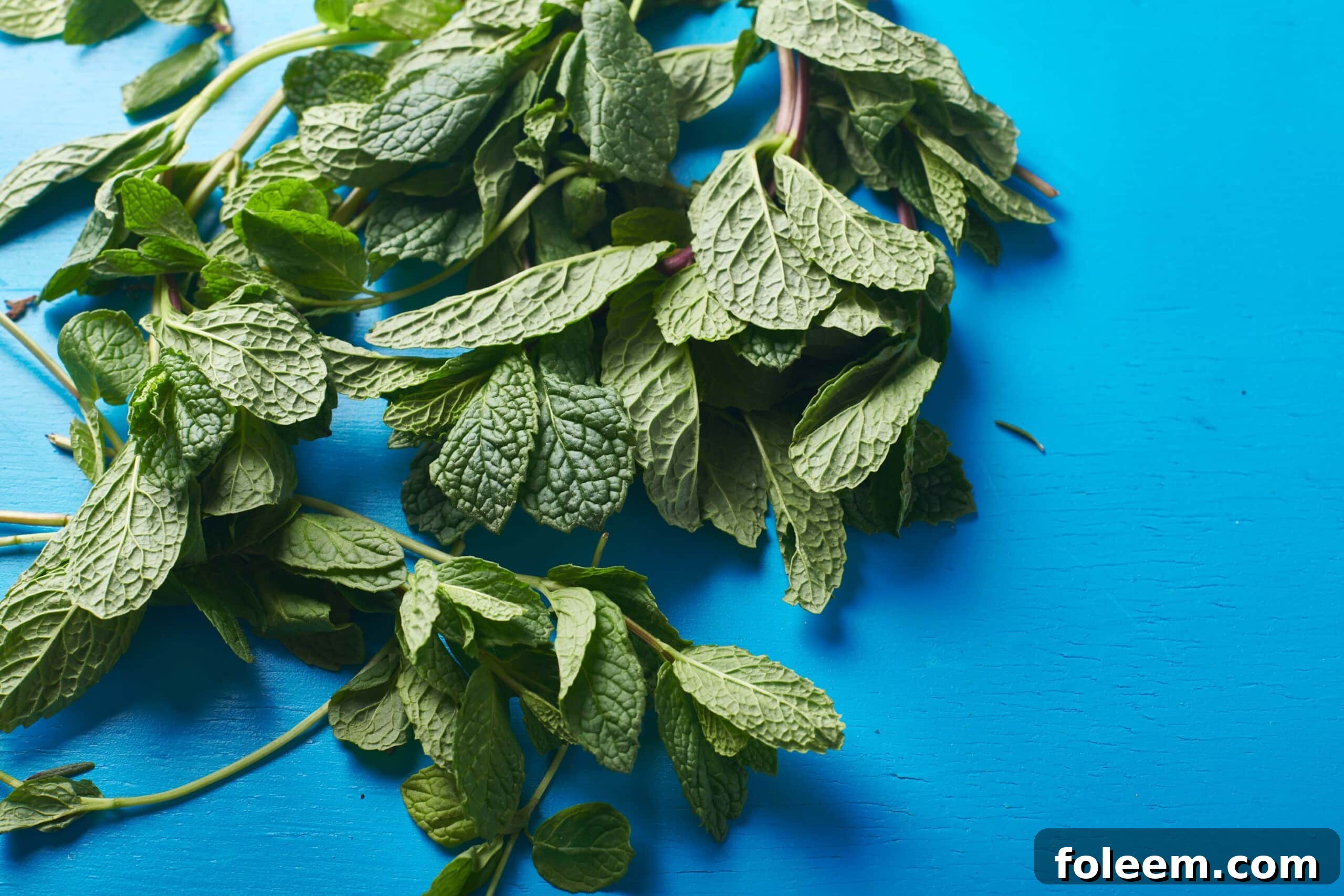
Fresh mint is one of my favorite herbs. Its bright, cooling flavor lifts both savory and sweet dishes, adding an immediate sense of freshness.
Mint appears in many cuisines around the world, especially Middle Eastern, Southeast Asian, and Greek cooking. In the U.S. we often pair mint with fruit, chocolate, and desserts, but it also works beautifully in savory applications — from sauces and marinades to roasted meats and vegetable salads. Americans commonly serve mint jelly with lamb, but mint’s versatility reaches far beyond that single use.
There are hundreds of mint varieties. Spearmint and curly mint are the most common in the kitchen, but you’ll also find lemon, chocolate, ginger, orange, apple, Moroccan, and Japanese mints, each with its own aroma and subtle flavor differences. Peppermint is very popular but quite potent, so it’s often used as a dried leaf, oil, or extract rather than fresh.
Native to the eastern Mediterranean, mint’s name comes from a myth about a nymph named Minthe. According to the tale, her fate was to be transformed into the fragrant plant.
- What Does Mint Look Like?
- What Does Mint Taste Like?
- Substituting Dried Mint for Fresh Mint
- Substituting Other Herbs for Mint
- Where To Find Mint
- How to Choose Fresh Mint
- How To Prepare and Cook with Mint
- Kitchen Smarts
- How to Store Mint
- How to Cook Other Fresh Herbs
- 8 Fresh Mint Recipes
- More Recipes With Fresh Herbs
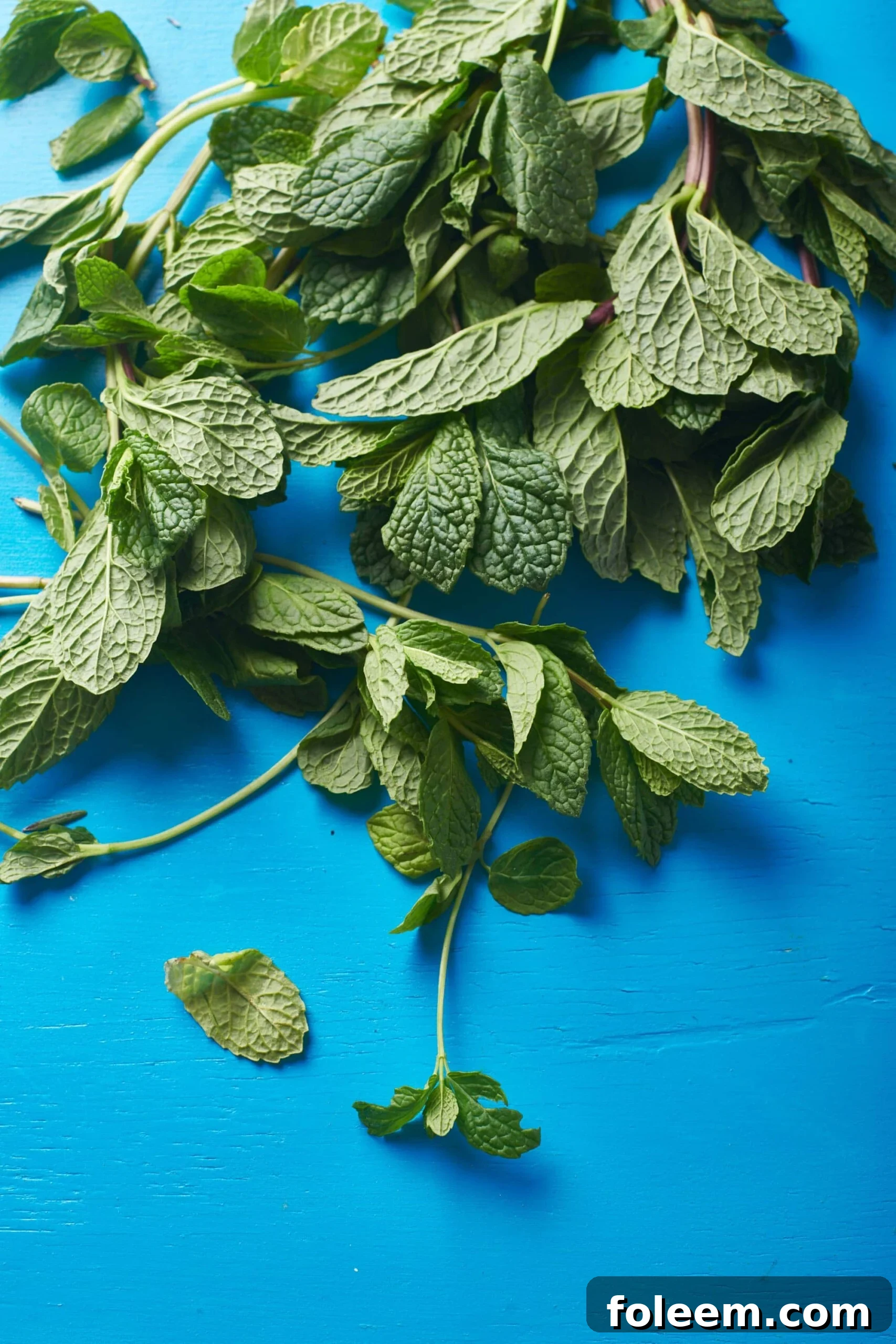
How to Cook with Mint: Everything you need to know about how to buy, store, prepare, and cook with mint. Plus recipes using mint!
What Does Mint Look Like?
Fresh mint leaves are usually bright green and slightly fuzzy to the touch due to tiny hairs. The plant is a fragrant perennial with toothed leaves and sometimes small purple, pink, or white flowers. Depending on the variety, leaves may be shiny or matte, smooth or crinkled, solid green or variegated, sometimes with reddish or purplish veins.

What Does Mint Taste Like?
Mint tastes sweet, fresh, and aromatic with a cool, lingering sensation on the tongue. Peppermint delivers a stronger menthol note and sharper bite, while spearmint is milder, sweeter, and more subtle.
Substituting Dried Mint for Fresh Mint
Dried mint can work in cooked dishes but won’t match the bright clarity of fresh leaves. Dried mint tends to be more muted and slightly bitter. If you must substitute, use about 1 teaspoon dried mint for every 1 tablespoon fresh (a 1:3 ratio). Avoid substituting dried for fresh in uncooked preparations like salads or fresh garnishes; the flavor difference will be noticeable. For some sweet recipes, a small amount of peppermint extract can replace fresh mint — use about four drops per tablespoon of chopped fresh leaves, since extracts are concentrated.
Substituting Other Herbs for Mint
Basil is mint’s closest culinary cousin. It shares a fresh, slightly sweet quality and can substitute for mint in many savory dishes; Thai basil pairs especially well alongside mint in Southeast Asian cooking. Marjoram is another mild herb that can stand in for mint, and for dried substitutions consider oregano, tarragon, thyme, or savory depending on the dish’s flavor profile.
Where To Find Mint
Fresh mint is sold in the produce section of supermarkets, especially in spring and summer, and at farmers markets where it’s often available in generous bunches. Mint is also very easy to grow at home, though it’s invasive — plant it in a pot or a contained space to prevent it from taking over the garden. Dried mint is typically found with other dried herbs and spices.
How to Choose Fresh Mint
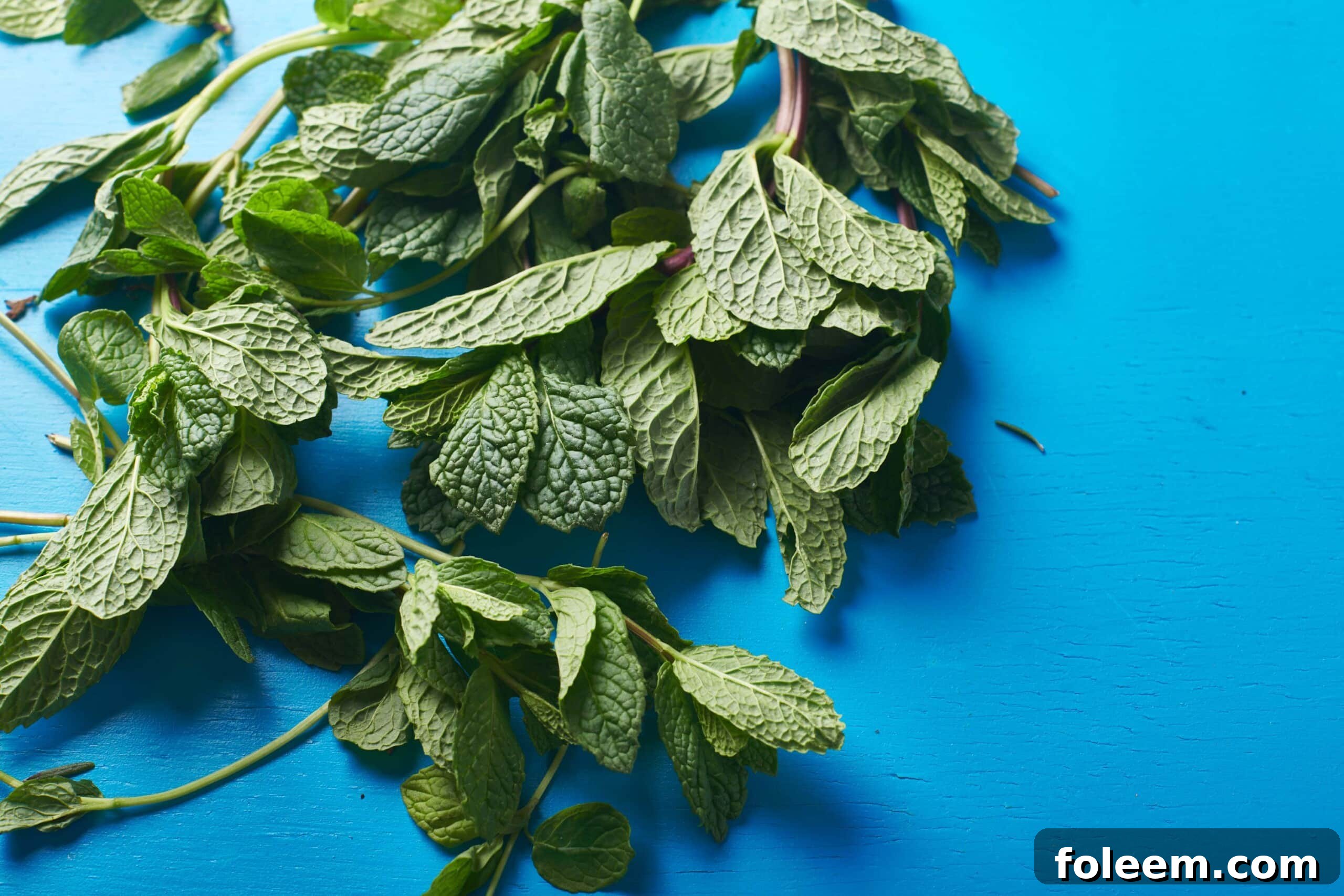
Mint is often sold in bunches or plastic clamshells. Choose bright, perky leaves without browning, wilting, or sliminess. If it’s sold in a pot, you can keep it healthy with sunlight and occasional watering for an ongoing supply.
How To Prepare and Cook with Mint
Mint works well in both cold and hot applications. Add whole sprigs or torn leaves to iced tea, lemonade, and cocktails, or steep sprigs in boiling water for a simple mint tea. Muddling or gently crushing the leaves releases their oils for drinks and sauces.
Chop mint roughly or finely, or slice into thin ribbons (chiffonade) to mix into salads, pestos, salsas, marinades, and grain or pasta salads. Fresh mint is excellent over sliced tomatoes and cucumbers with olive oil and salt. When cooking, add dried mint early so it can rehydrate and release flavor, but add fresh mint at the end of cooking or just before serving to preserve its bright taste.
Kitchen Smarts
Mint tea: place a small bunch of washed mint sprigs in a teapot, pour boiling water over them, steep 4–8 minutes, then strain and enjoy.
How to Store Mint
To keep mint fresh for about a week, wrap it in a slightly damp paper towel and place the bundle in a sealable plastic bag or container in the crisper drawer. Dried mint should be stored in a sealed container in a cool, dry place away from light and heat.
How to Cook Other Fresh Herbs
- Thyme
- Parsley
- Oregano
- Rosemary
- Basil
8 Fresh Mint Recipes

Sparkling Mint Pomegranate Cocktail

Kale, Cabbage, and Mint Salad with Peanut Dressing
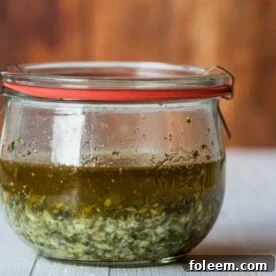
Ginger, Mint, and Lime Marinade
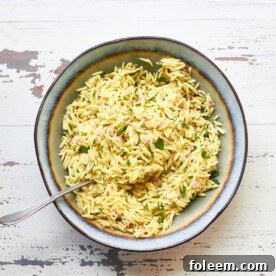
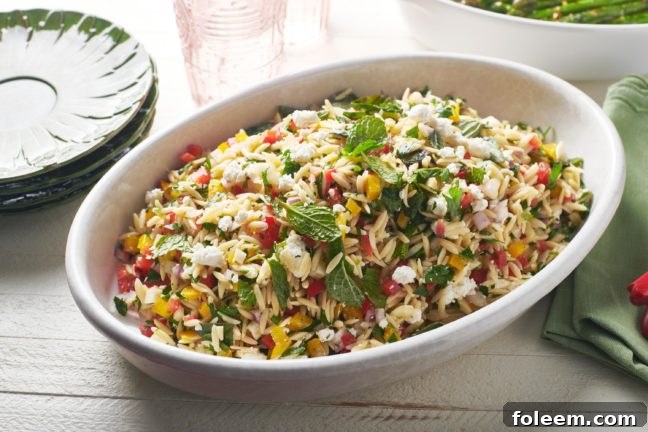
Red Onion Mint Orzo
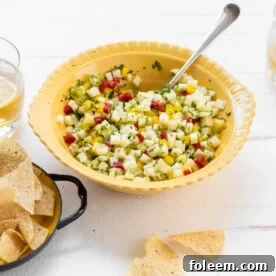
Pineapple Mint Jalapeño Salsa

Tomatoes with Mint Basil Pesto

Cucumber Mint Gin and Tonic
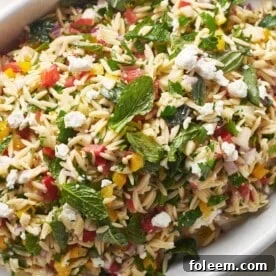
Herb Orzo Salad
More Recipes With Fresh Herbs
- Easiest Herb Dip Ever
- Herbed Mayonnaise
- Herb Mashed Potatoes
- Herbed Salmon Salad
- Orange and Herb Orzo