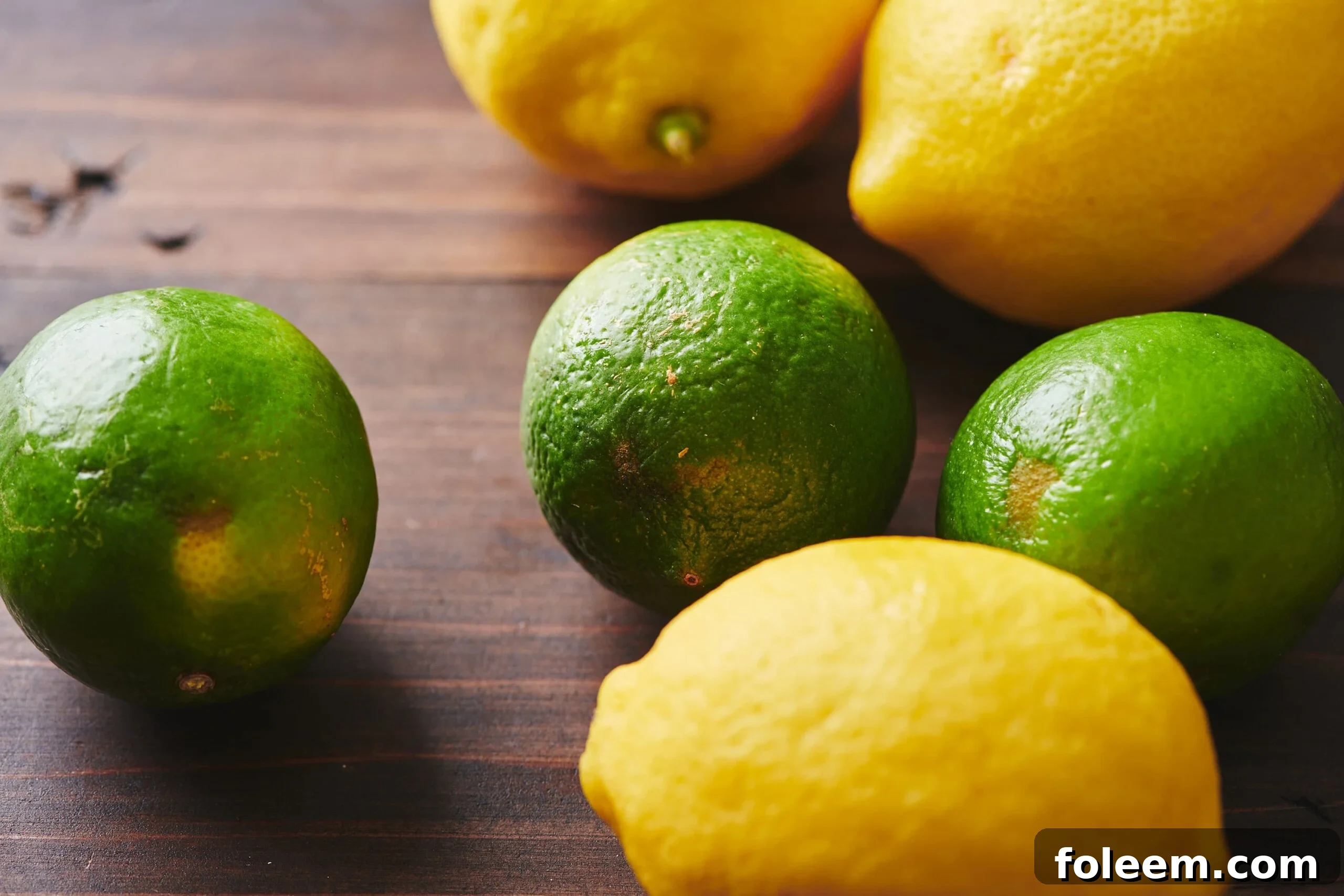
Citrus brings bright acidity and lively flavor to so many dishes. I use lemons, limes, oranges and grapefruits to add brightness to desserts like Lemon Bars, Orange Cake, and Lemon Meringue Pie, and in cocktails such as a Limoncello cocktail. Citrus is equally useful in vinaigrettes, marinades, sauces and as a balancing element in savory recipes — think Lemon Rosemary Chicken Thighs, Orange Salmon with Leeks and Mushrooms, or Cilantro Lime Rice.
What is Citrus?
Citrus is a group of flowering trees and shrubs that includes familiar fruits like lemons, limes, oranges and grapefruits. Within those categories are many varieties: mandarins, clementines, tangelos and blood oranges among oranges; Meyer lemons among lemons; Key limes and other small limes; and pomelos, a large relative of grapefruit. Citrus grows best in warm climates. In the U.S., most oranges and grapefruits come from Florida, lemons from California and limes are often imported from Mexico.
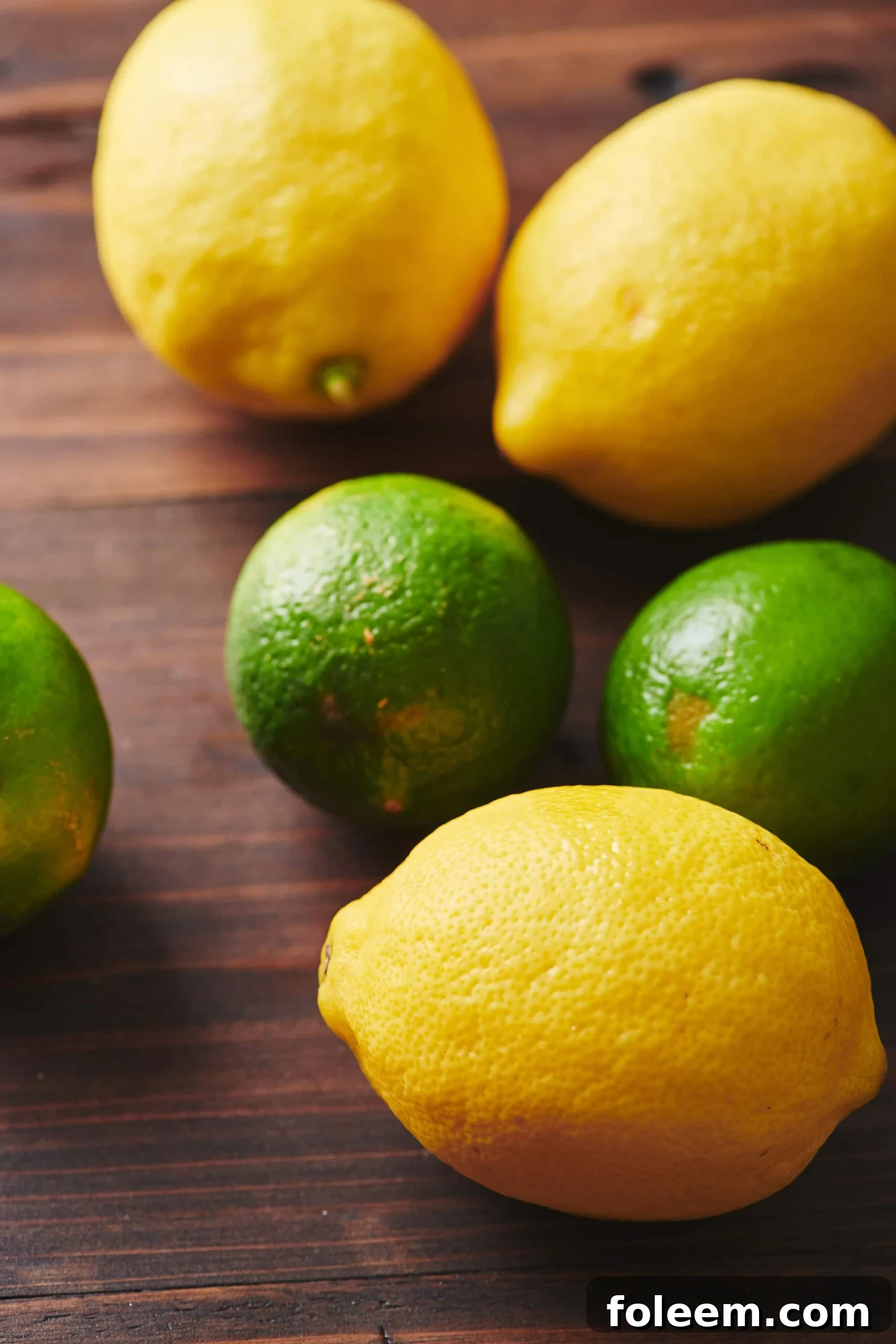
Citrus appears in everyday eating — a snack orange, a squeeze of lime in a drink, or lemon juice in a dressing — but it’s also used in countless culinary preparations: dried, candied, preserved, juiced, baked and more. The peels contain essential oils that give concentrated flavor; while extracting those oils at home is difficult, you can often find commercial citrus oils for culinary use.
What Does Citrus Fruit Look Like?
Lemons are usually bright yellow, oval and have a textured peel.

Limes are similar in shape to lemons but are typically smaller and green.
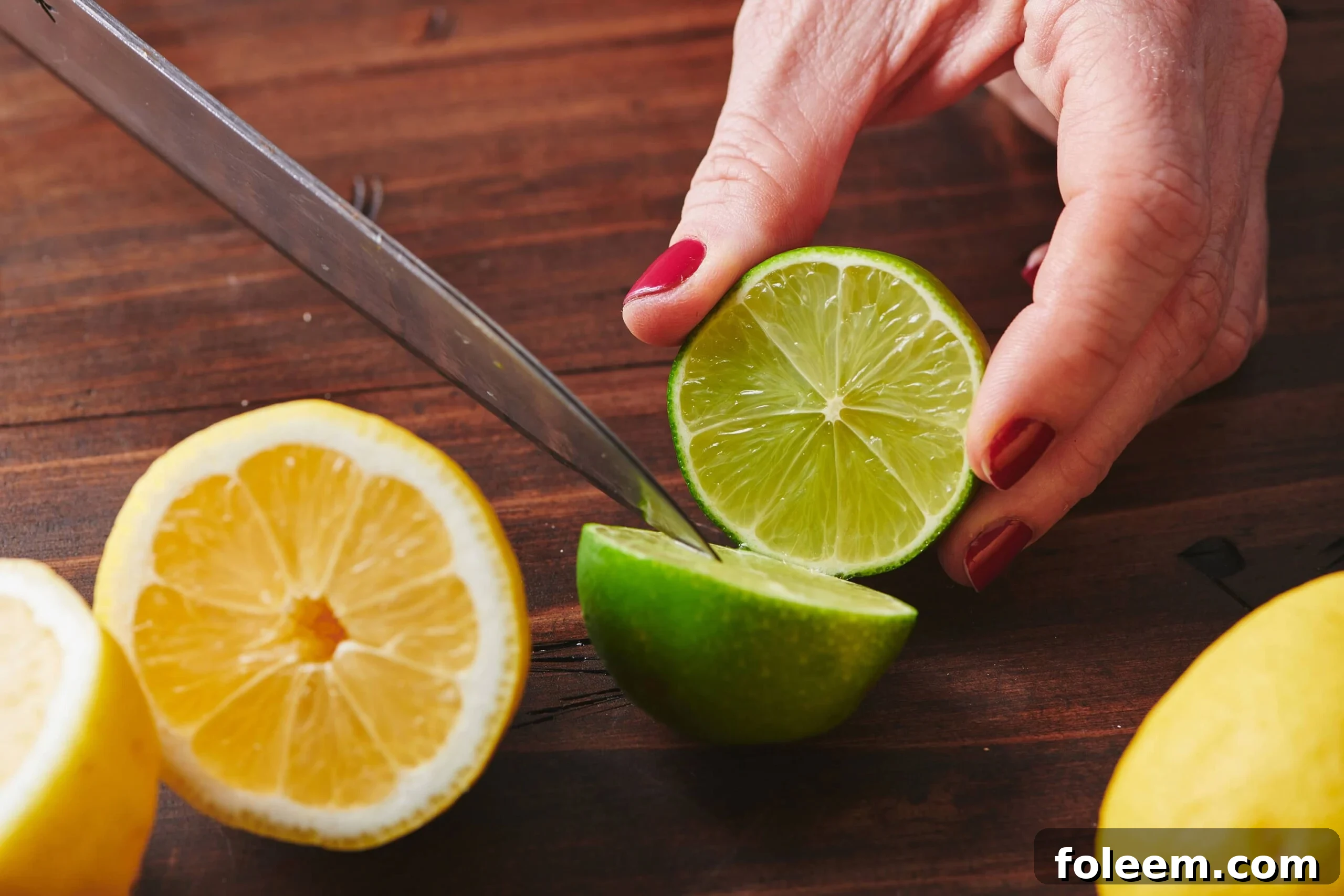
Oranges vary by variety — clementines, mandarins, tangelos and blood oranges — but are generally round with textured skin and an orange hue. Grapefruits and pomelos are the largest citrus fruits; grapefruits are often yellow to pinkish and pomelos resemble large grapefruits with yellow or greenish skin.

Where Can I Find Citrus Fruit?
Common lemons, limes, oranges and grapefruits are available year-round at most supermarkets. Specialty varieties such as Meyer lemons, Key limes, pomelos or yuzu may be seasonal or found in specialty markets and farmers’ stands during their peak times.
How Do I Pick the Best Citrus Fruit?
Choose citrus that feels firm and has bright, even color. Avoid fruit with soft, mushy spots, brown marks or heavy bruising. Some orange varieties are naturally softer, but the peel should still be intact and not overly wrinkled.
What Do Citrus Fruit Taste Like?
Citrus balances sweetness and acidity. The tartness comes from citric acid and is perceived as sharp or puckering, while natural sugars add sweetness. Lemons tend to be intensely tart, limes are tart with a slightly floral or musty note, and many oranges and grapefruits are sweeter because they contain less citric acid.
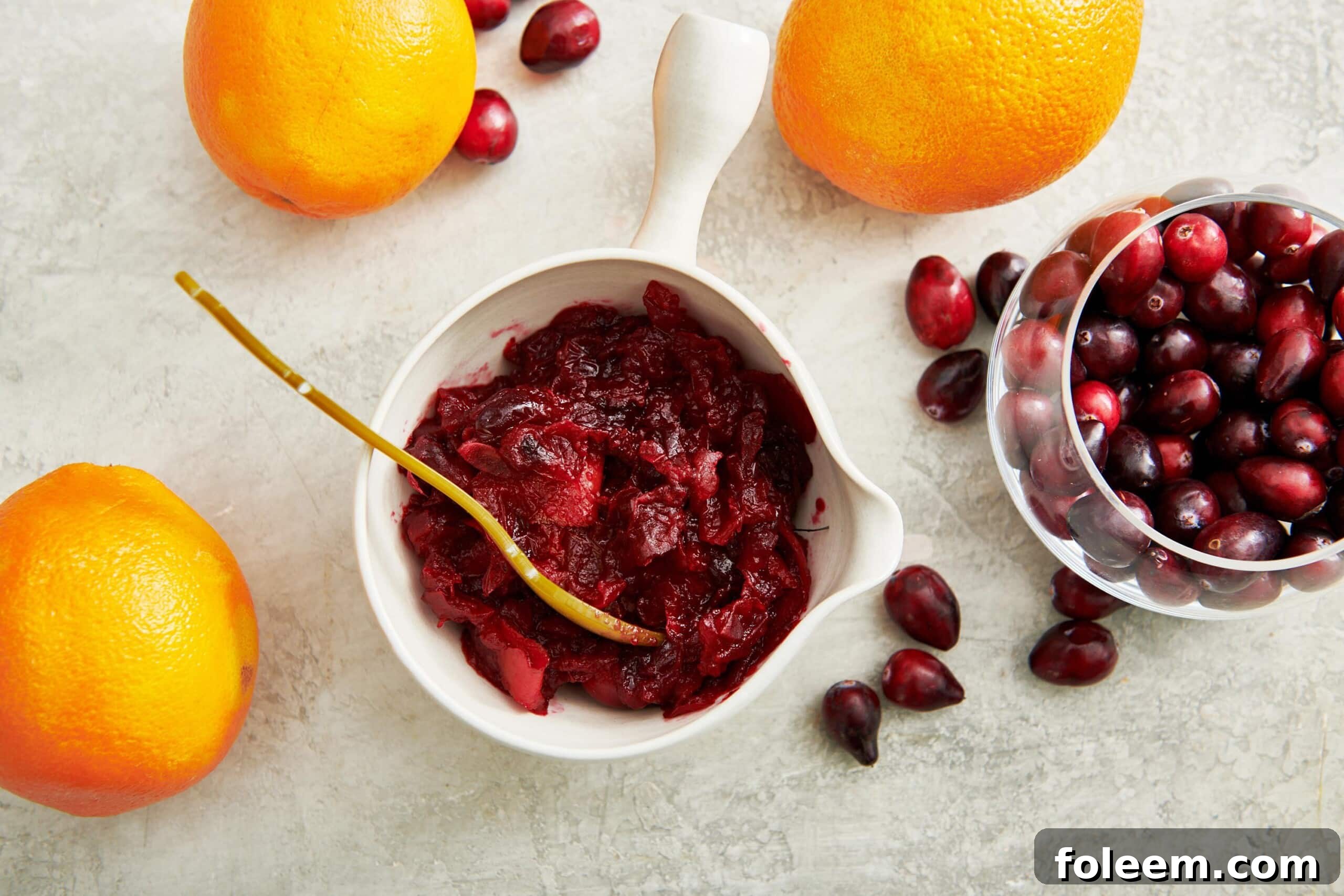
How to Cook with Citrus: Lemons, lime, oranges and more are some of the best ingredients to keep on hand to brighten all kinds of dishes.
How Do I Prepare Citrus Fruit?
Always wash and dry citrus before using to remove any wax or residues, especially if you’ll use the peel. To get more juice, roll the fruit firmly with the palm of your hand to soften the segments. For eating fresh, peel and separate into sections or slice into wedges. Grapefruits are often halved and scooped with a spoon.
How Do I Cook With Citrus Fruit?
For zest, use a microplane or fine grater and remove only the colored outer layer — the white pith under it is bitter. When recipes call for peel cut into strips or minced, use a paring knife or vegetable peeler to remove the colored rind. To juice, cut across the widest point and press with a reamer, juicer or by hand; a fork can help extract extra juice. Strain to remove seeds.
Citrus enhances beverages, vinaigrettes, dips, marinades, meat glazes, salads, seafood, pasta dishes, vegetables, desserts and baked goods. A splash of citrus can brighten sauces, finish a dish or act as the central flavor in sweets and drinks.
When are Citrus Fruits in Season?
Common citrus is available year-round, but many varieties have distinct seasons: Meyer lemons are often best December–May, certain limes peak in summer, yuzu is typically available fall through winter, and clementines are usually available October–January. Availability varies by region and market.
How Do I Store Citrus Fruit?
Store lemons and limes in the refrigerator crisper to extend freshness — they can last about three weeks in the fridge but only around a week at room temperature. Oranges and grapefruits typically keep up to two weeks refrigerated. Leftover cut citrus should be wrapped tightly and refrigerated; juice can be stored in a sealed container for a few days.
Are Citrus Fruits Nutritious?
Citrus is low in calories and rich in vitamin C and flavonoid antioxidants. They also provide soluble fiber, which supports heart health by lowering cholesterol, and potassium, which helps regulate blood pressure.
Also see resources on how to cook with finger limes, lemons and limes for more ideas.
9 Citrus Recipes
Here are recipes that showcase citrus in a variety of ways:
Endive, Radicchio, and Citrus Salad with Bacon Vinaigrette
View Recipe

Easy Weeknight Citrus Salmon Dinner
Pitcher Pomelo Palomas
View Recipe
Lemon Curd
View Recipe
Orange White Wine Campari Sangria
View Recipe
Citrus Basil Shrimp Kebabs
View Recipe
Arugula, Orange, and Pomegranate Salad
View Recipe
Roasted Chicken with Orange Honey Mustard Glaze
View Recipe
Ginger, Mint, and Lime Marinade
View Recipe