Rustic Galette vs Crostata: How to Make Each Tart at Home
Baking a pie or tart can feel intimidating, especially when you imagine tackling pastry. With cold ingredients, a gentle touch, some patience, and a straightforward seasonal filling, making a galette is much easier than it looks. Read the instructions below, then try a simple recipe like Yellow Plum and Crystallized Ginger Galette when you’re ready.
- What Is a Galette? What Is a Crostata?
- How to Make a Galette or Crostata
- Serving Galette
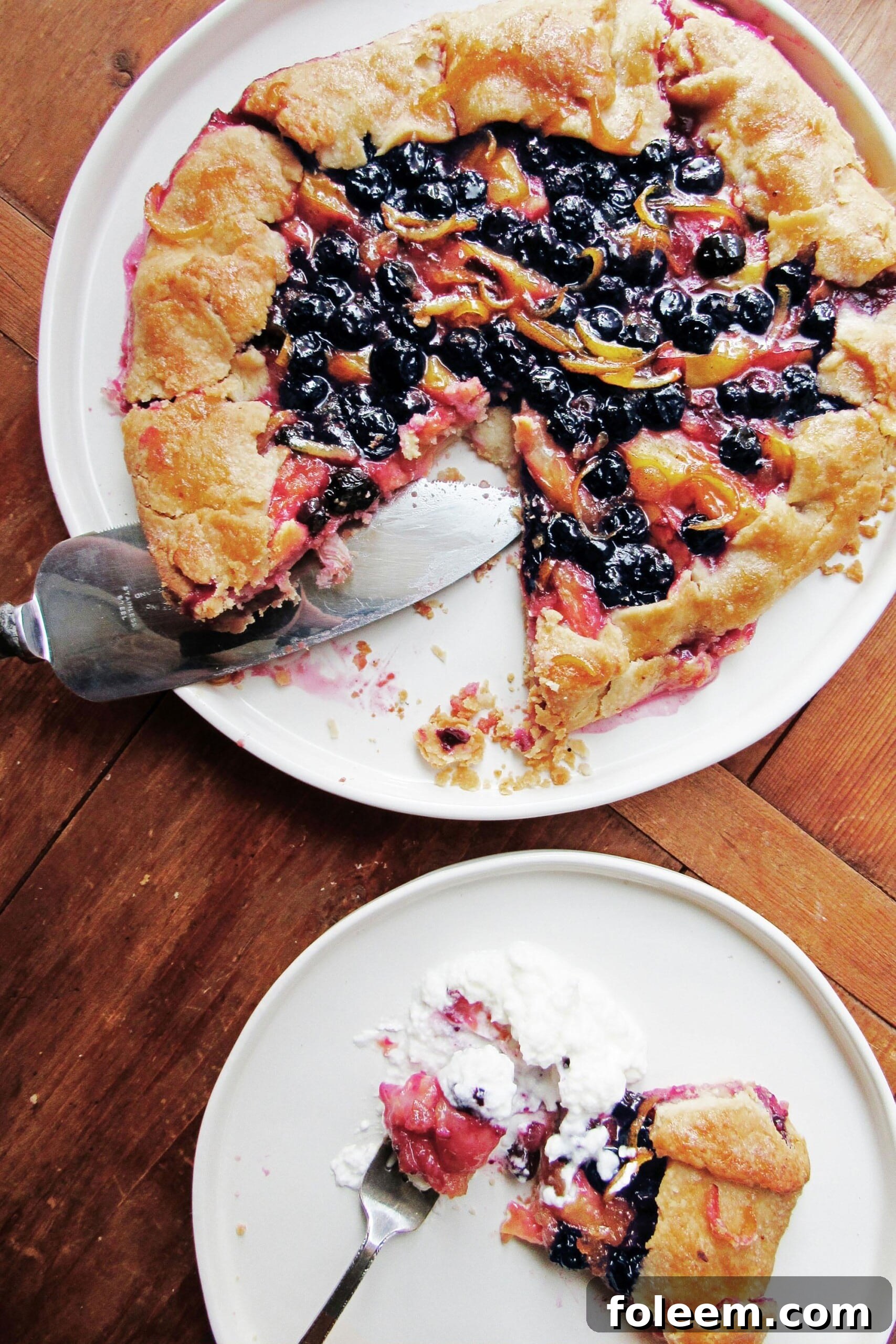
What Is a Galette? What Is a Crostata?
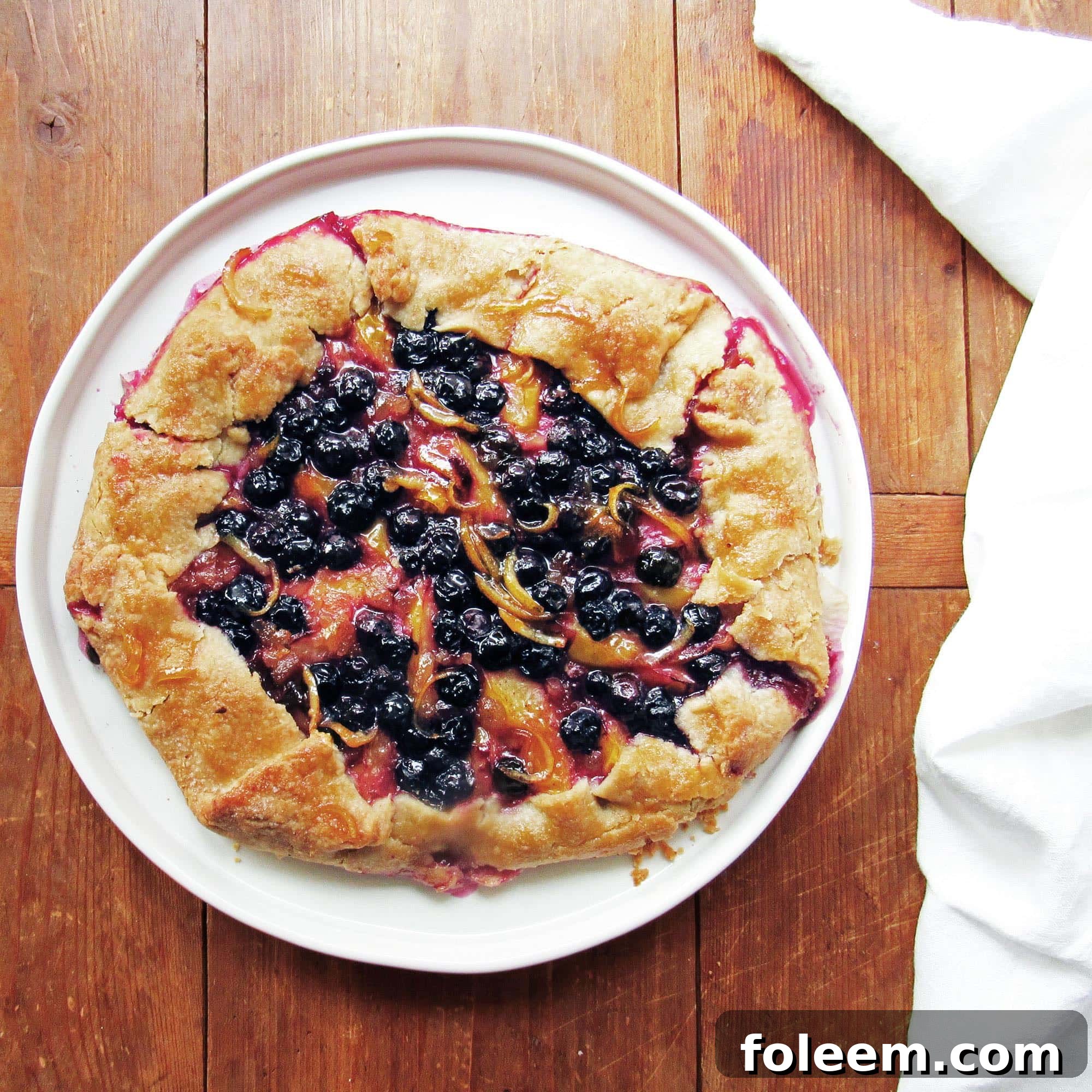
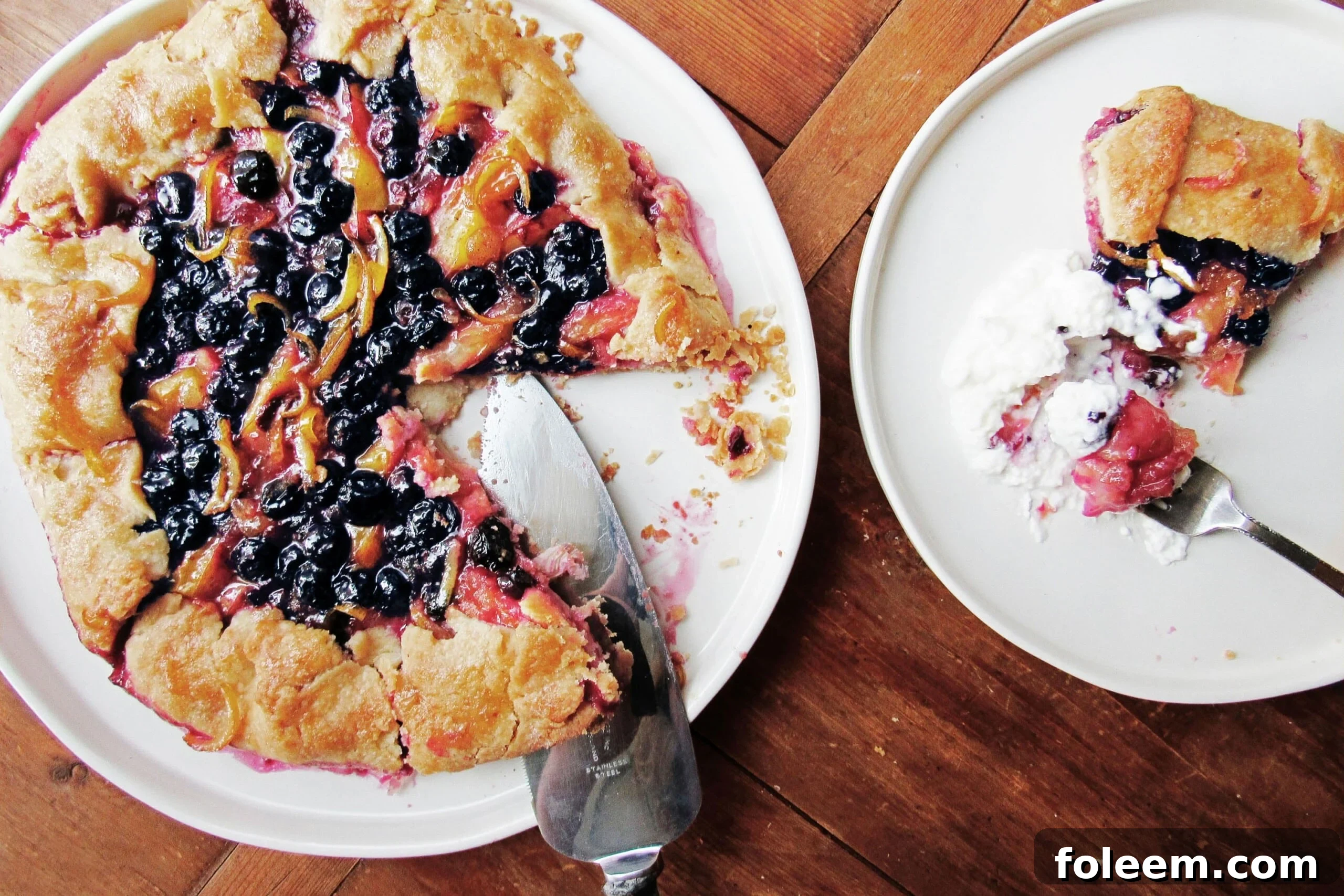
A galette is a free-form tart baked on a rimmed baking sheet rather than in a pan. The dough is folded up around the filling so the pastry holds itself together without a tin. The term galette is French; crostata is the Italian equivalent. They describe the same rustic style of tart.
Galettes can be sweet or savory, and their casual appearance makes them forgiving and approachable. Kids can help assemble them, and the fillings range from simple seasonal fruit tossed with a little sugar to savory vegetables and herbs. You can keep it effortless or dress it up as you like.
A useful shortcut is rolling the dough directly on the parchment paper you’ll use to bake the galette. That removes the tricky step of transferring a rolled crust from the counter to a sheet pan, which often worries home bakers.
How to Make a Galette or Crostata
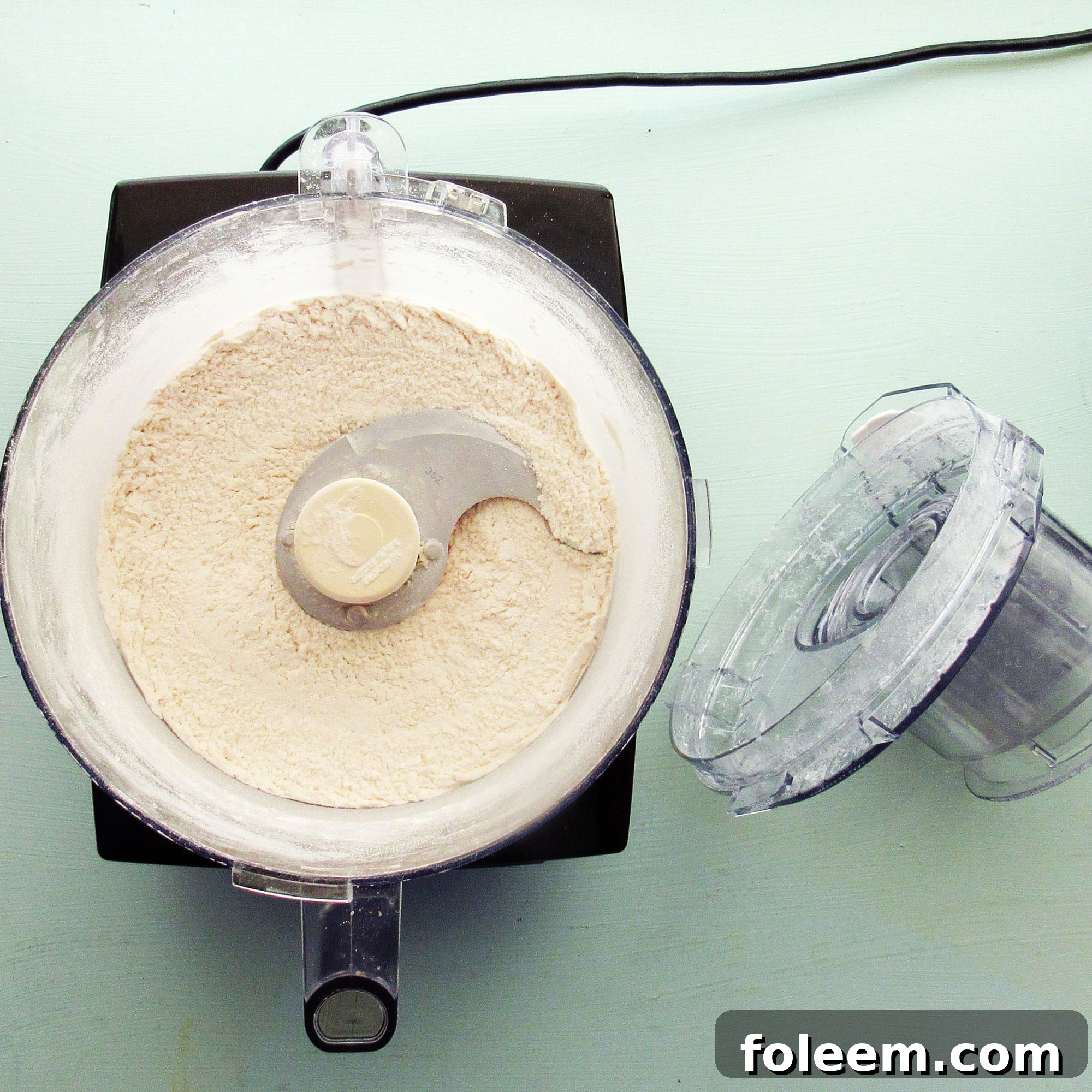
- Combine the dry ingredients: Mix flour, sugar, salt, and any optional additions such as ground nuts or cornmeal. If you have a food processor, a few pulses will do; otherwise, stir the dry ingredients in a bowl until blended.
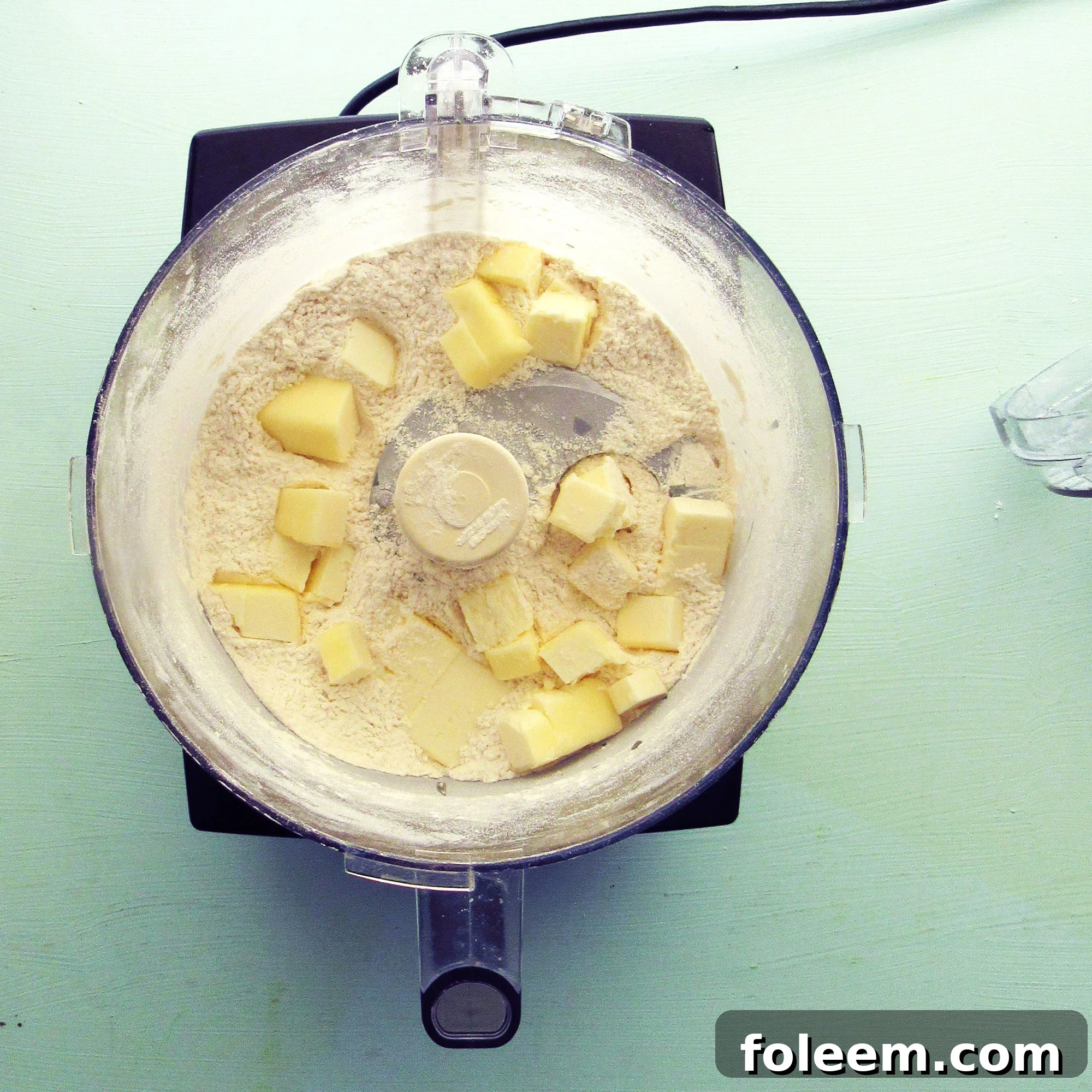
- Cut in the butter: Use cold butter and incorporate it into the dry mix so the fat remains in small pieces. These pockets of butter melt during baking and create flaky layers. In a food processor pulse a few times; by hand, use a pastry cutter, two knives, or your fingers. You can substitute shortening or lard if you prefer.
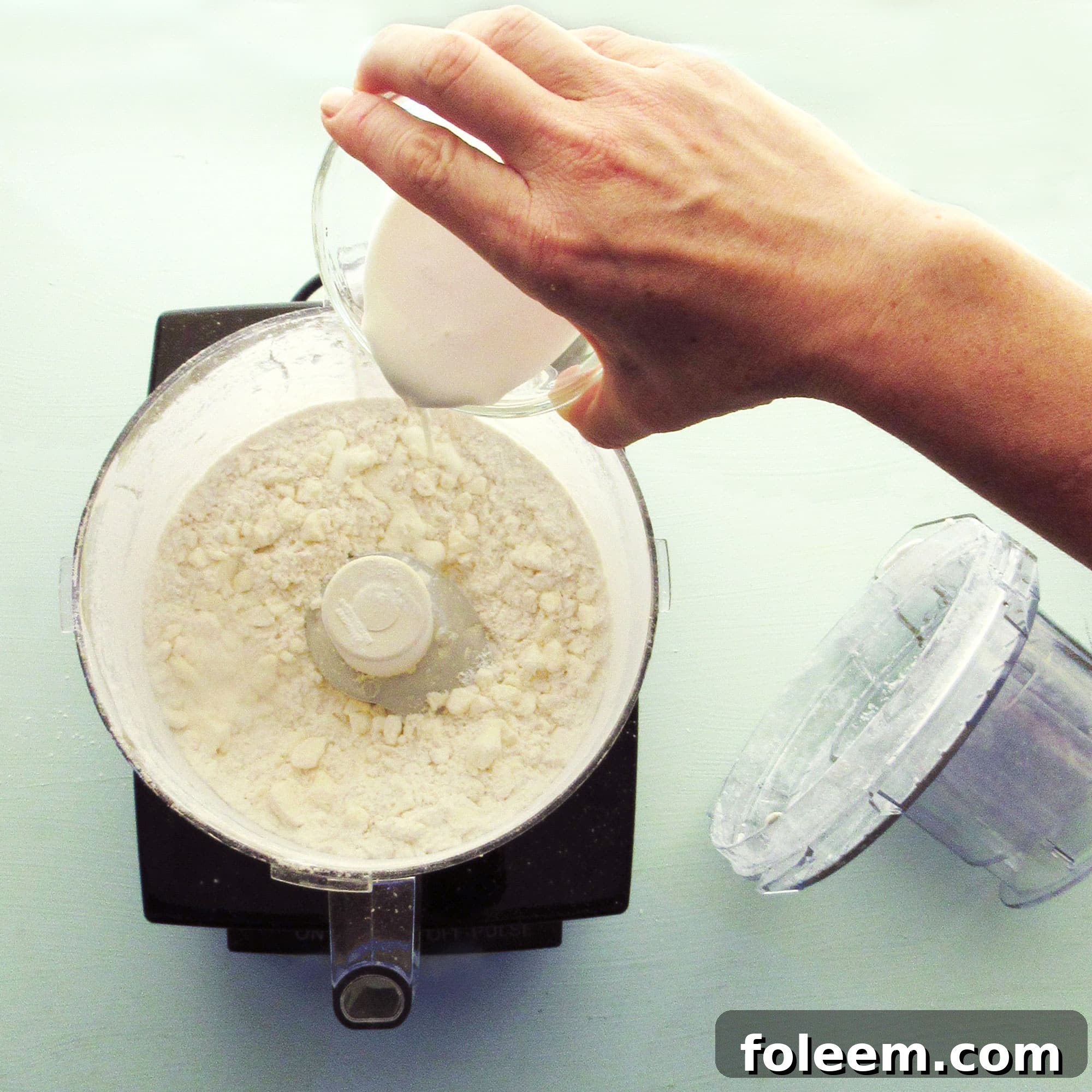
- Add the liquid: Add cold liquid—ice water, milk, an egg, or even a splash of vodka—to bring the dough together. Add just enough so the dough holds when pressed. Pulse briefly in a processor or mix quickly with a fork; handle the dough as little as possible.
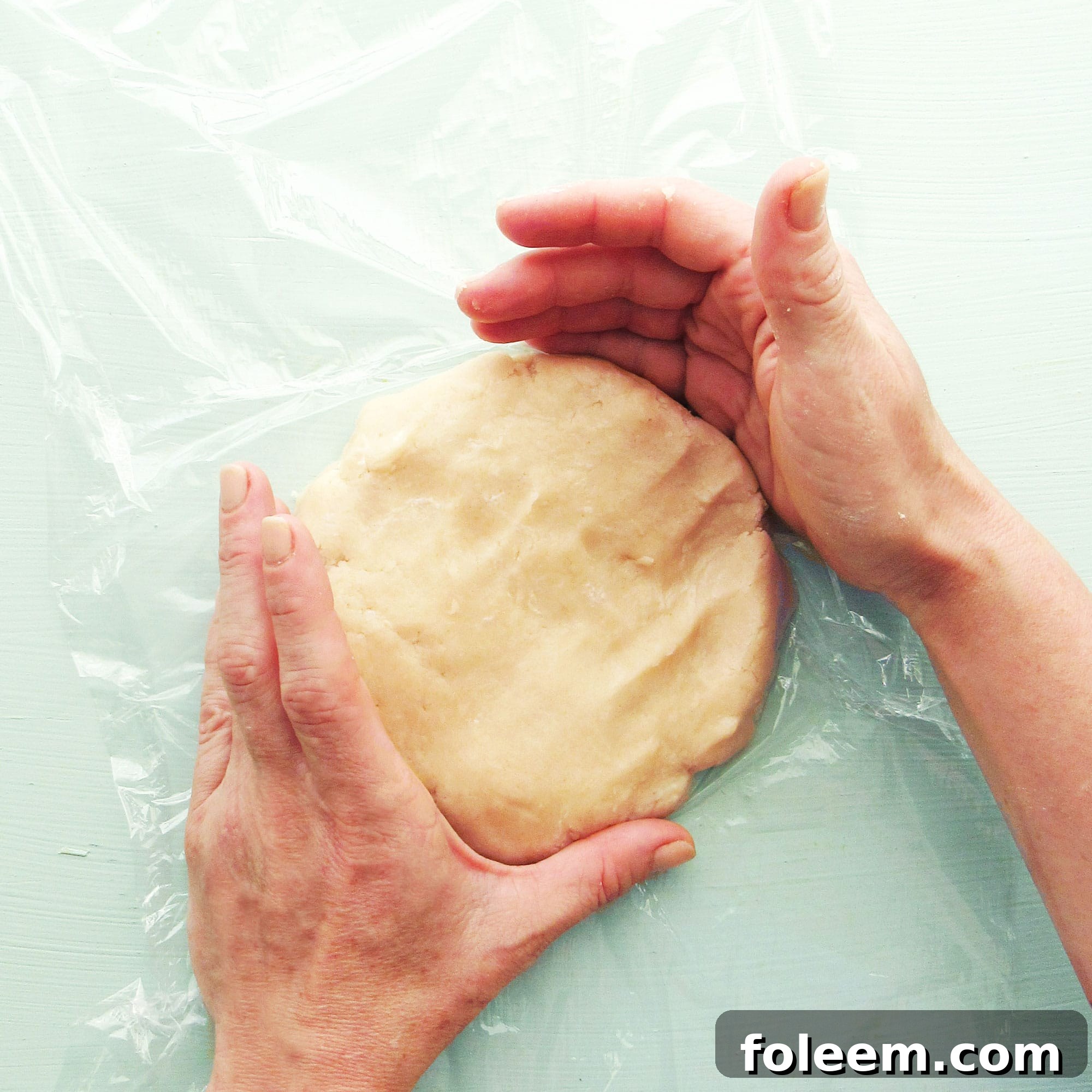
- Form the dough and chill it: Gently gather the dough into a ball and press it into a disk. Wrap it tightly in plastic and refrigerate for about an hour to firm it up. Chilled dough is easier to roll and less likely to stick. You can make the dough ahead and keep it refrigerated for a few days; let it soften slightly before rolling.
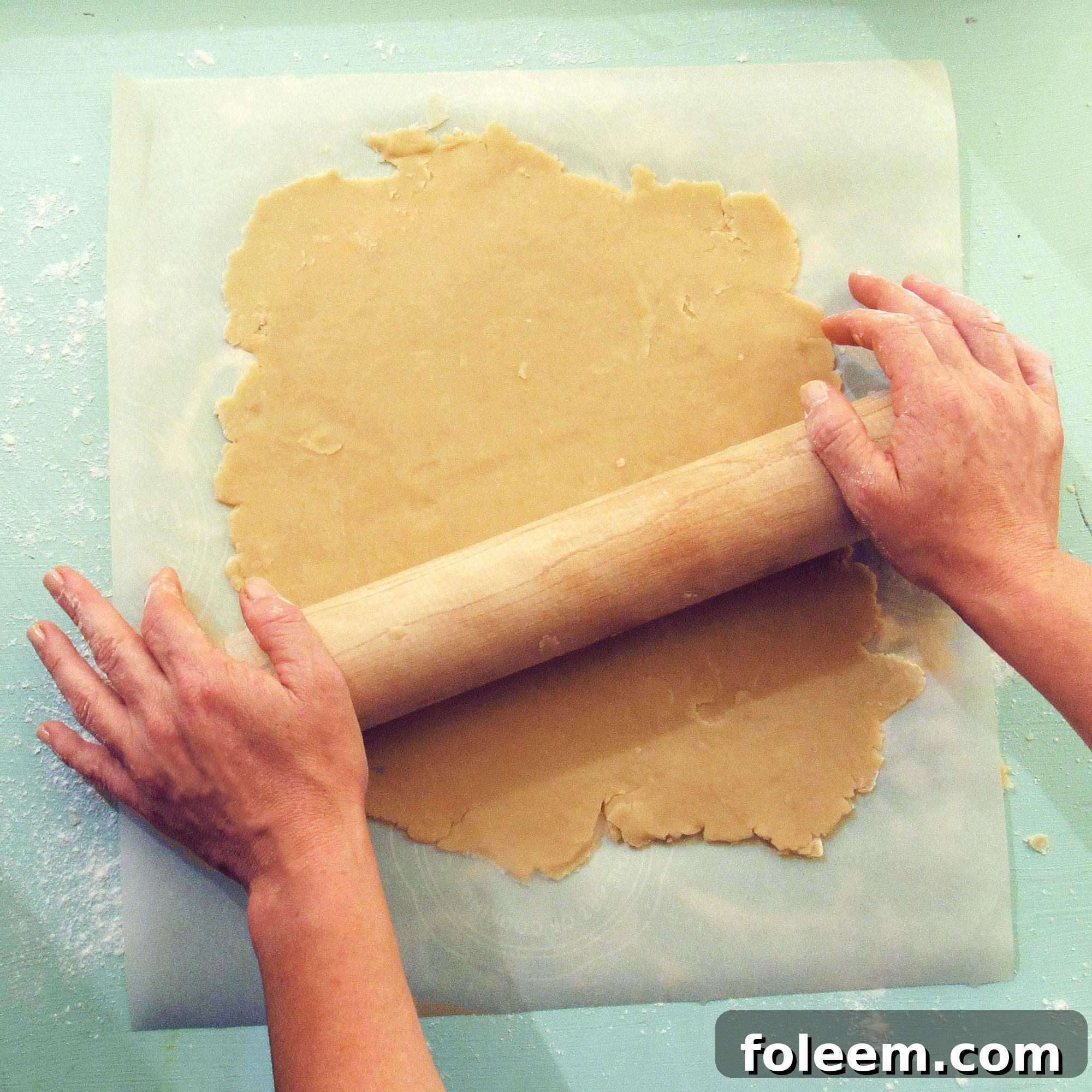
- Roll the dough: To avoid transferring challenges, roll the dough on the parchment you’ll bake on. Dust the parchment and the dough lightly with flour so nothing sticks, and roll from the center outward into a round or oval about 1/4–1/3 inch thick. Imperfect shapes are part of the rustic charm.
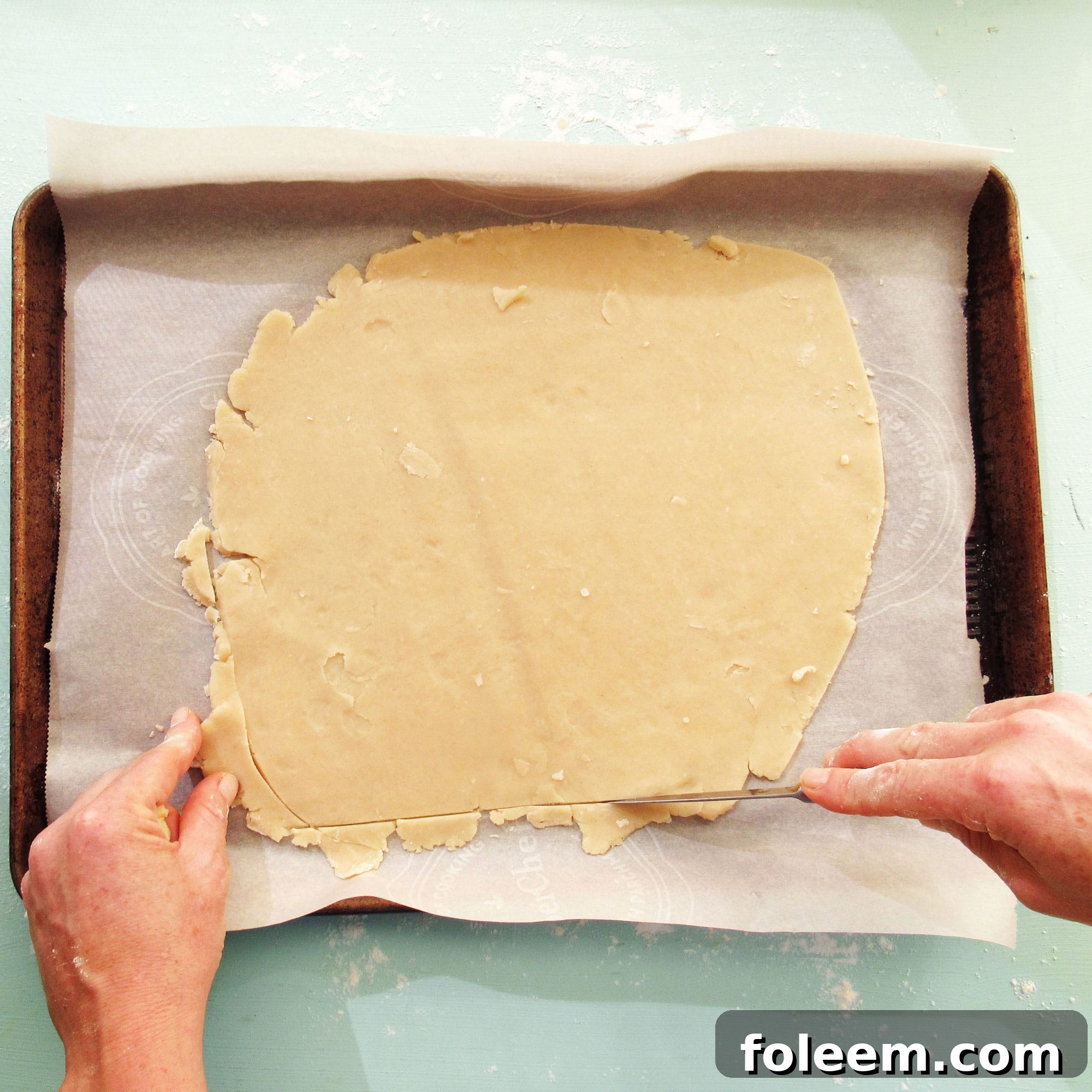
- Trim the edges: Move the parchment and dough to a rimmed sheet pan. Tidy any ragged edges with a knife if you like, but try not to remove too much crust.
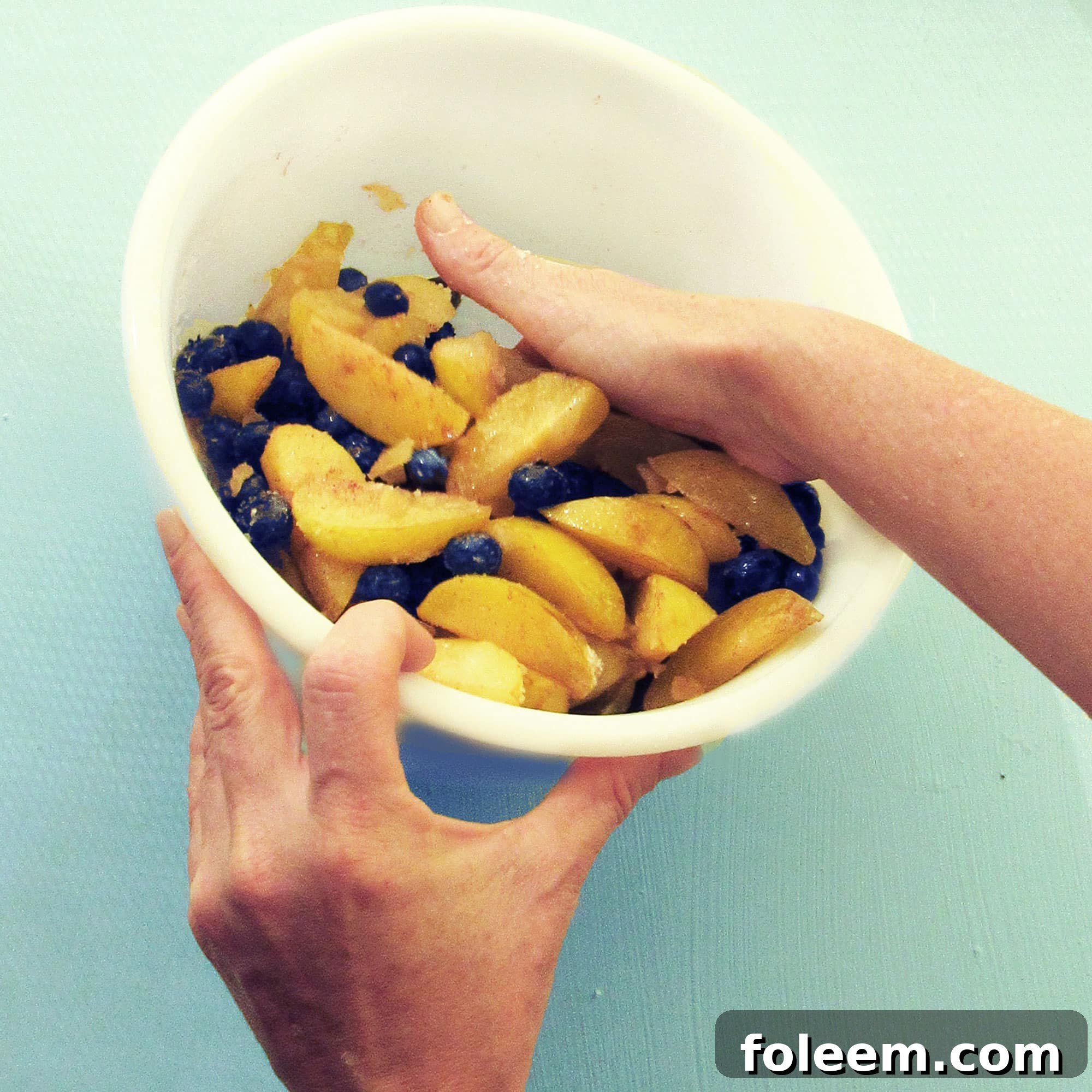
- Prepare the filling: Toss fruit or vegetables with any seasonings, sweeteners, or add-ins such as crystallized ginger or dried fruit. If your filling is very juicy, mix in a bit of flour, cornstarch, or tapioca to absorb excess liquid and keep the crust from becoming soggy. You can also sprinkle the rolled pastry with a little flour and sugar or brush it with egg white before adding the filling.
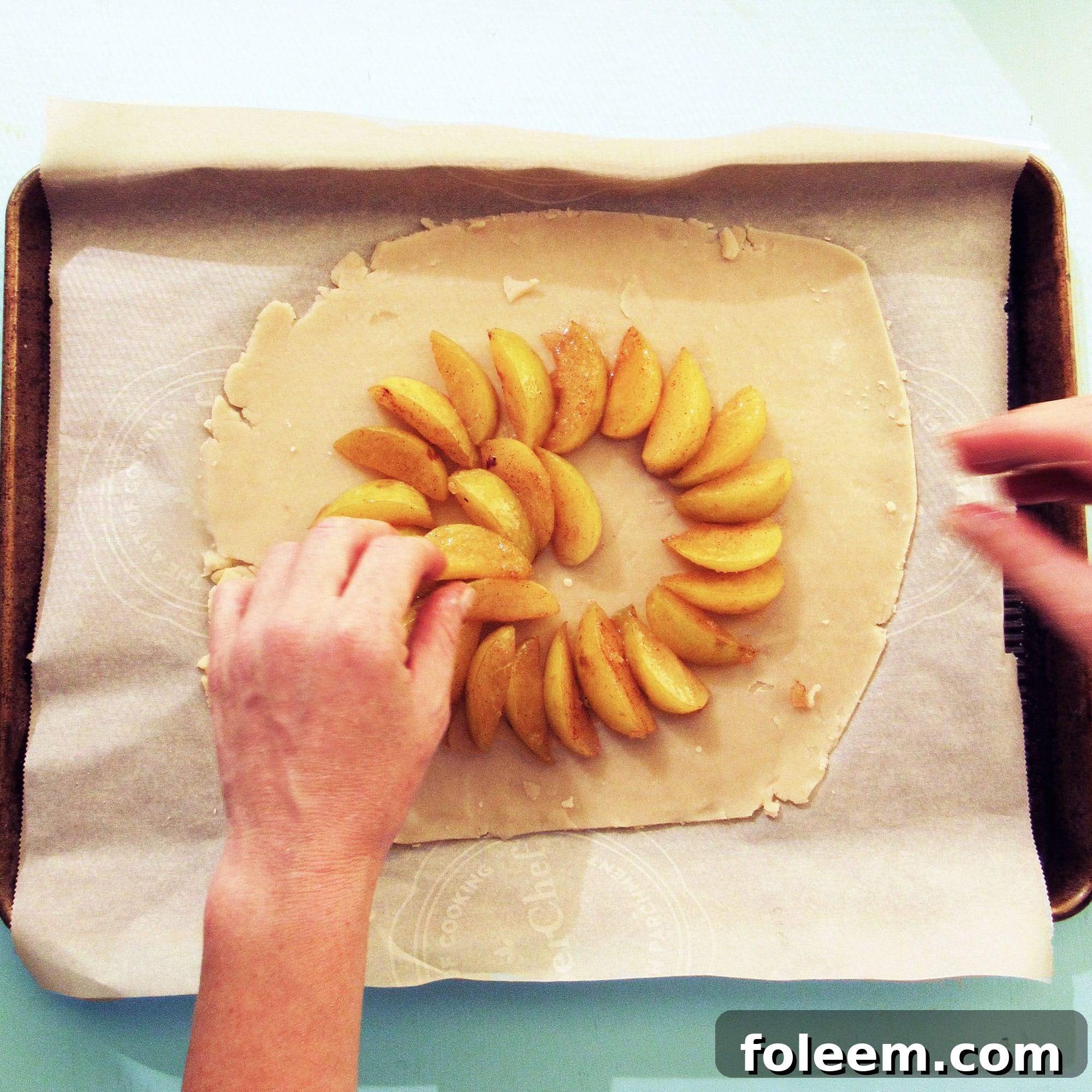
- Fill the galette: Pile the prepared filling in the center of the dough, leaving a border of about 2 inches so you can fold the edges up around the filling.
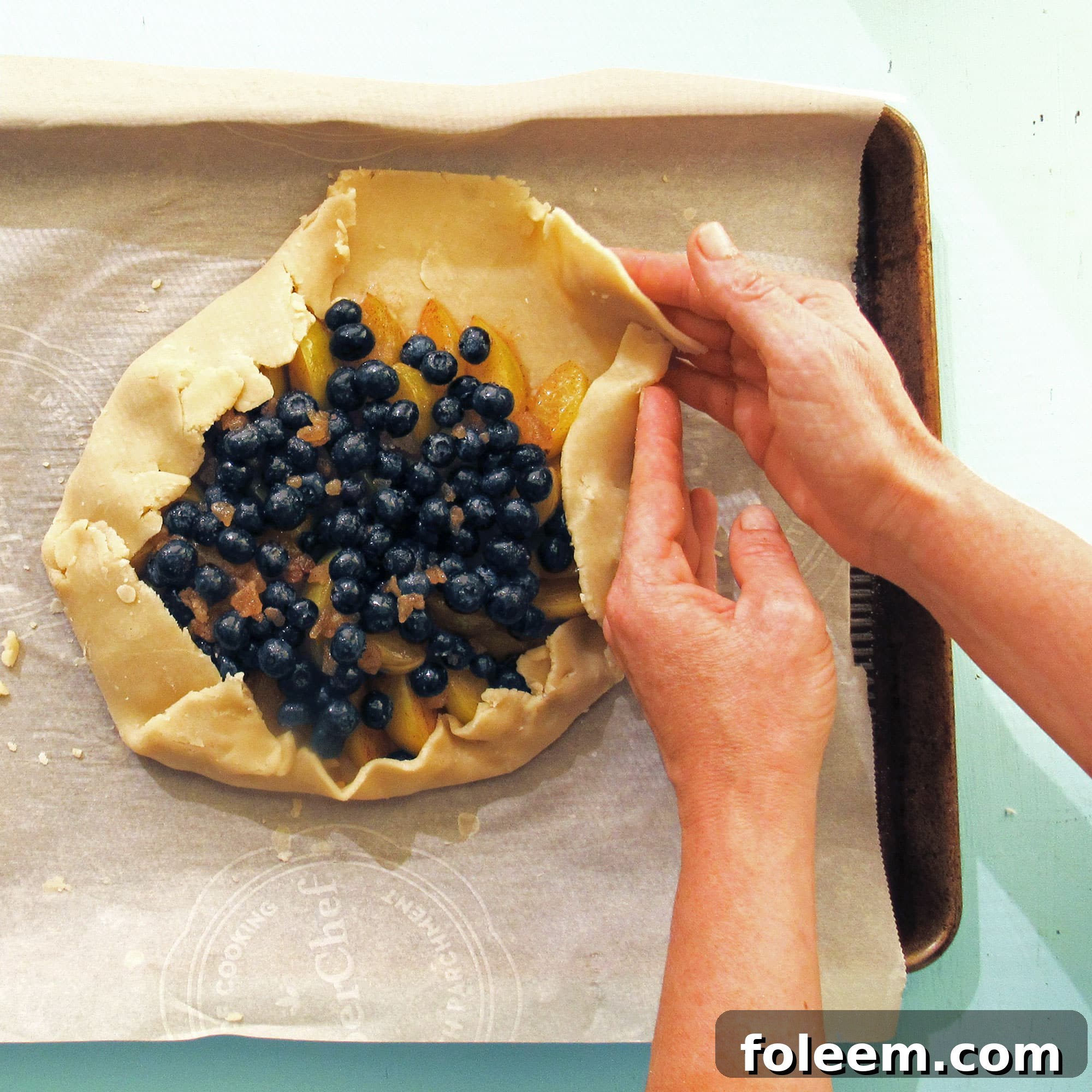
- Fold over the edges: Gently lift and fold the crust over the filling, allowing overlaps in places. The center will remain open, which creates a beautiful presentation and lets steam escape while baking.
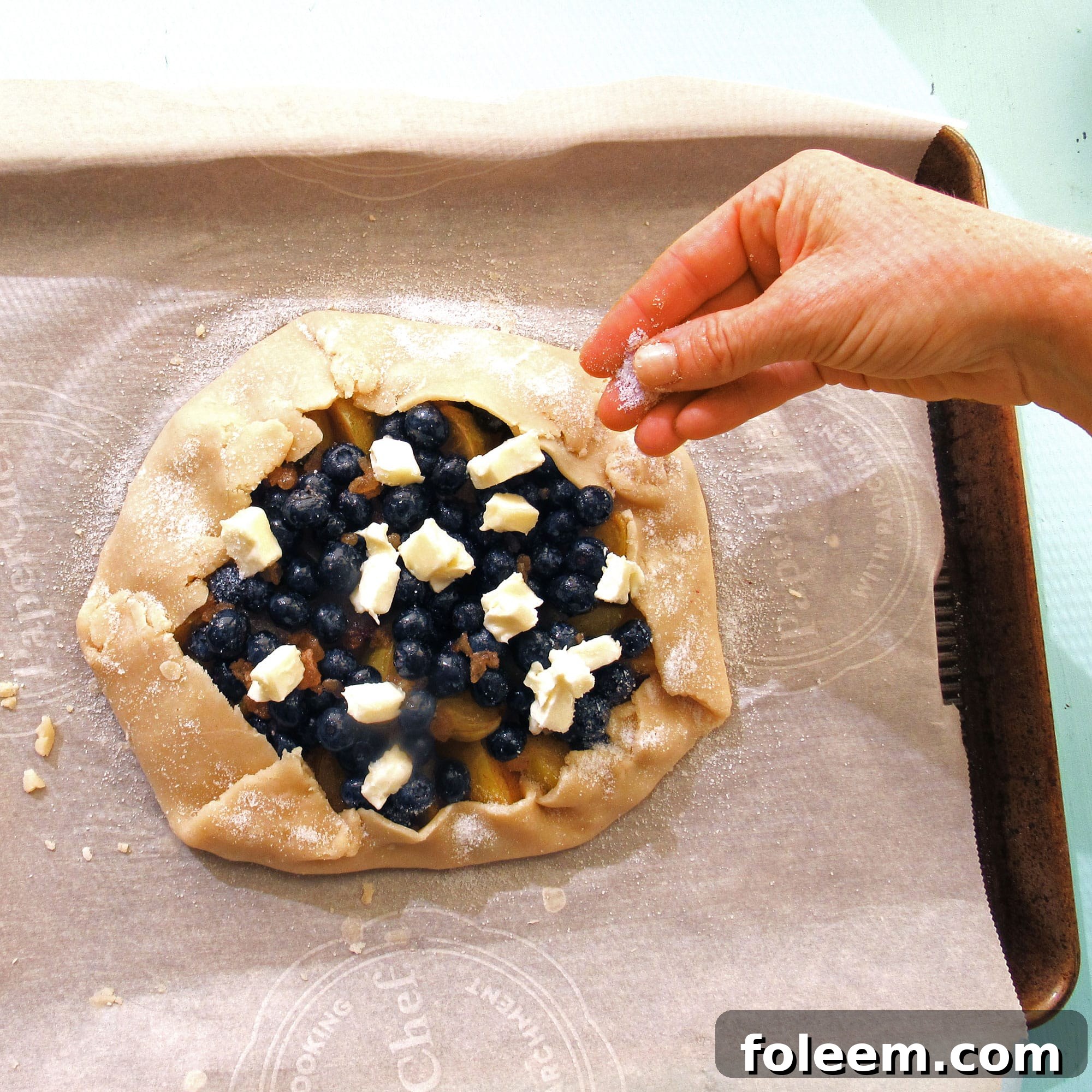
- Finish the galette: Dot the filling with small pieces of butter for extra richness. Brush the crust with an egg wash or melted butter and sprinkle with sugar if desired to add color, texture, and shine.
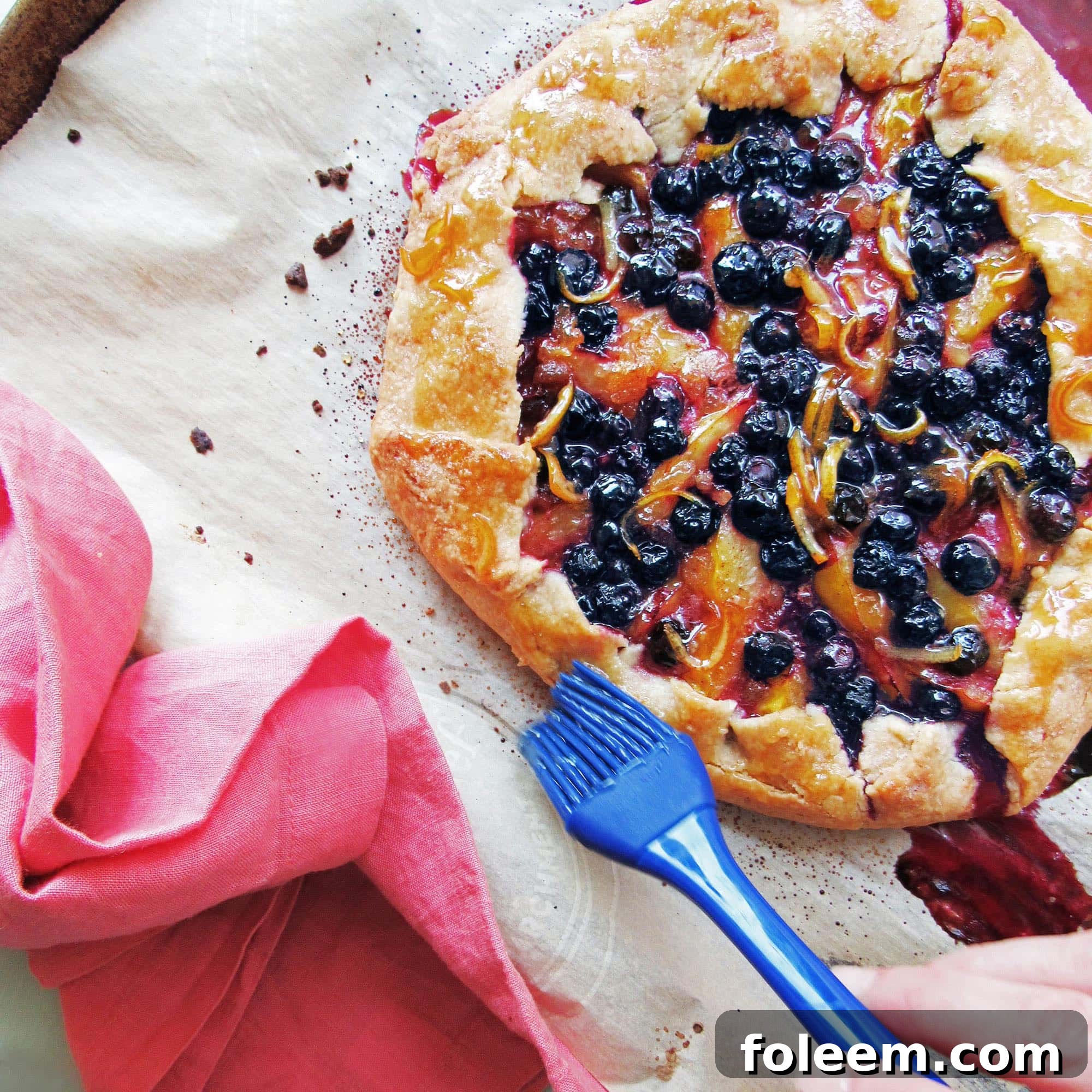
- Brush the cooked galette with preserves and cool: After baking, brushing the warm galette with melted preserves adds flavor, color, and gloss. Transfer it on the parchment to a wire rack to cool completely so the bottom firms up. Juices may spill onto the parchment, especially with berries—this is normal and part of the rustic appeal.
Serving Galette
To serve, loosen the galette from the parchment with a large spatula and slide it onto a platter. Cut into wedges and enjoy warm or at room temperature. A scoop of ice cream or a dollop of sweetened whipped cream is a classic and delicious accompaniment.