How to Roast and Sauté Parsnips for Tender, Flavorful Results
You may think you know parsnips — what they are and how to use them — or you may not. This guide will make it simple and useful.
What Are Parsnips?
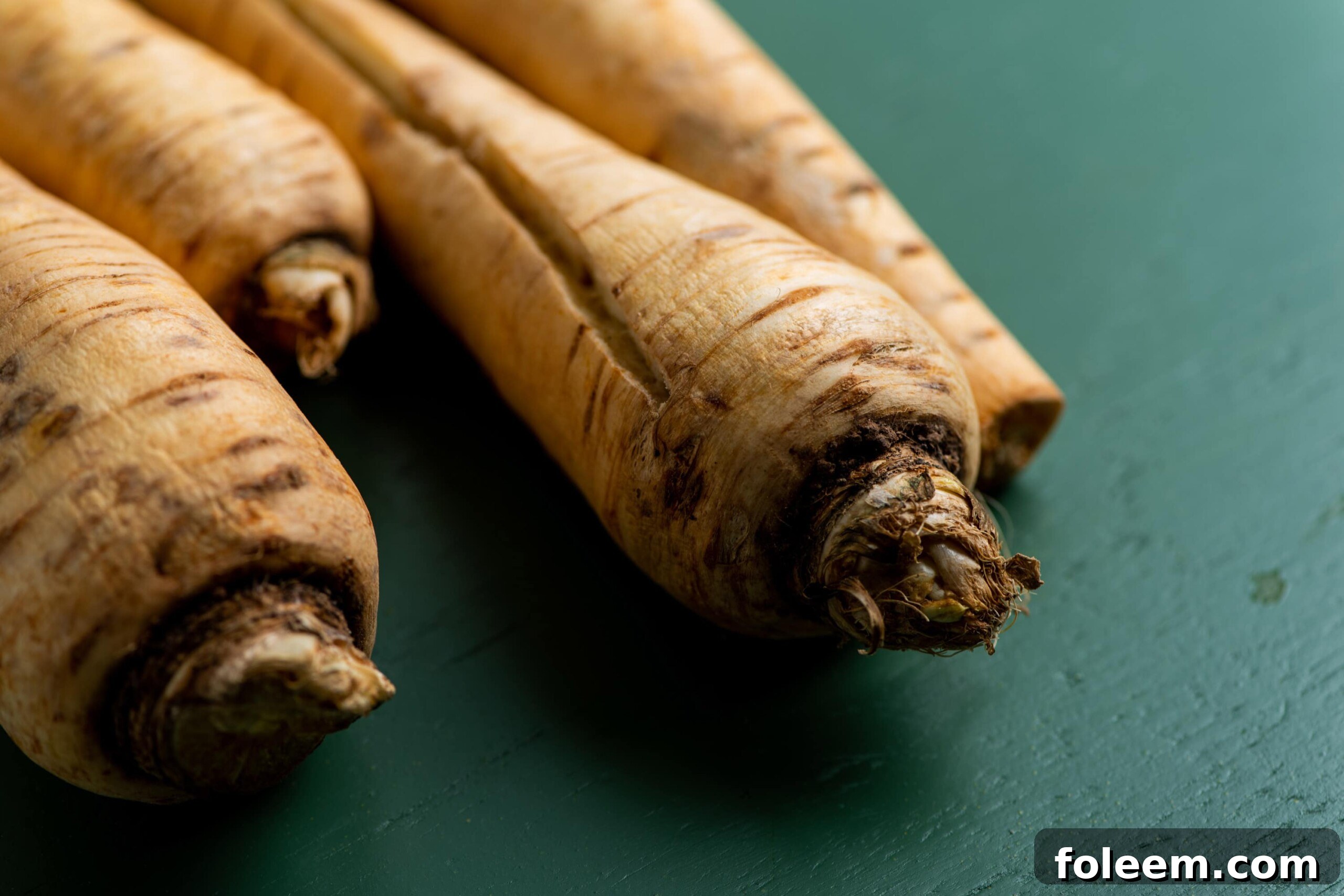
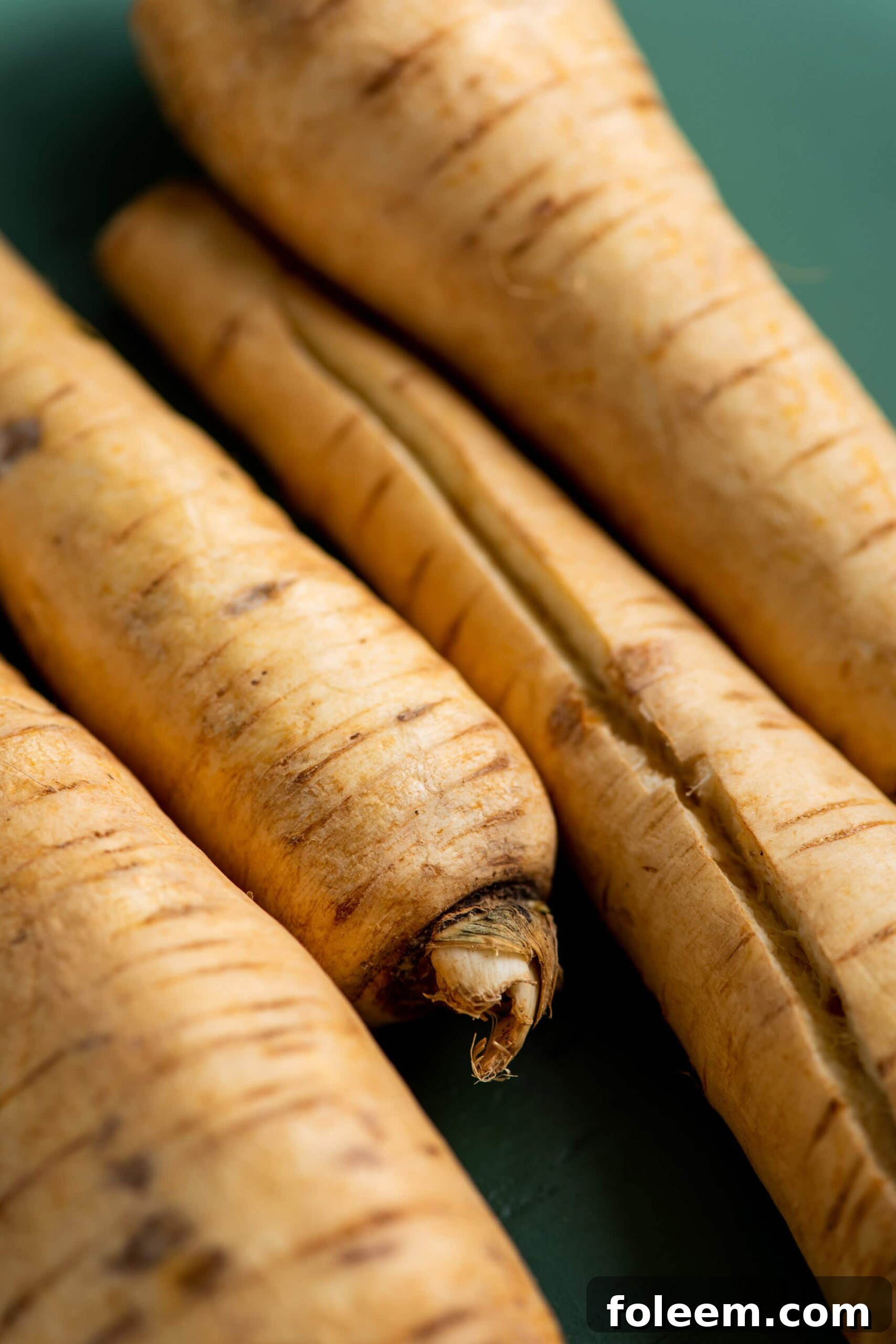
Parsnips are a root vegetable closely related to carrots and parsley. They have a similar shape to carrots but a paler, creamy yellow-beige color and a distinctive sweet, earthy flavor when cooked.
What Do Parsnips Look Like?
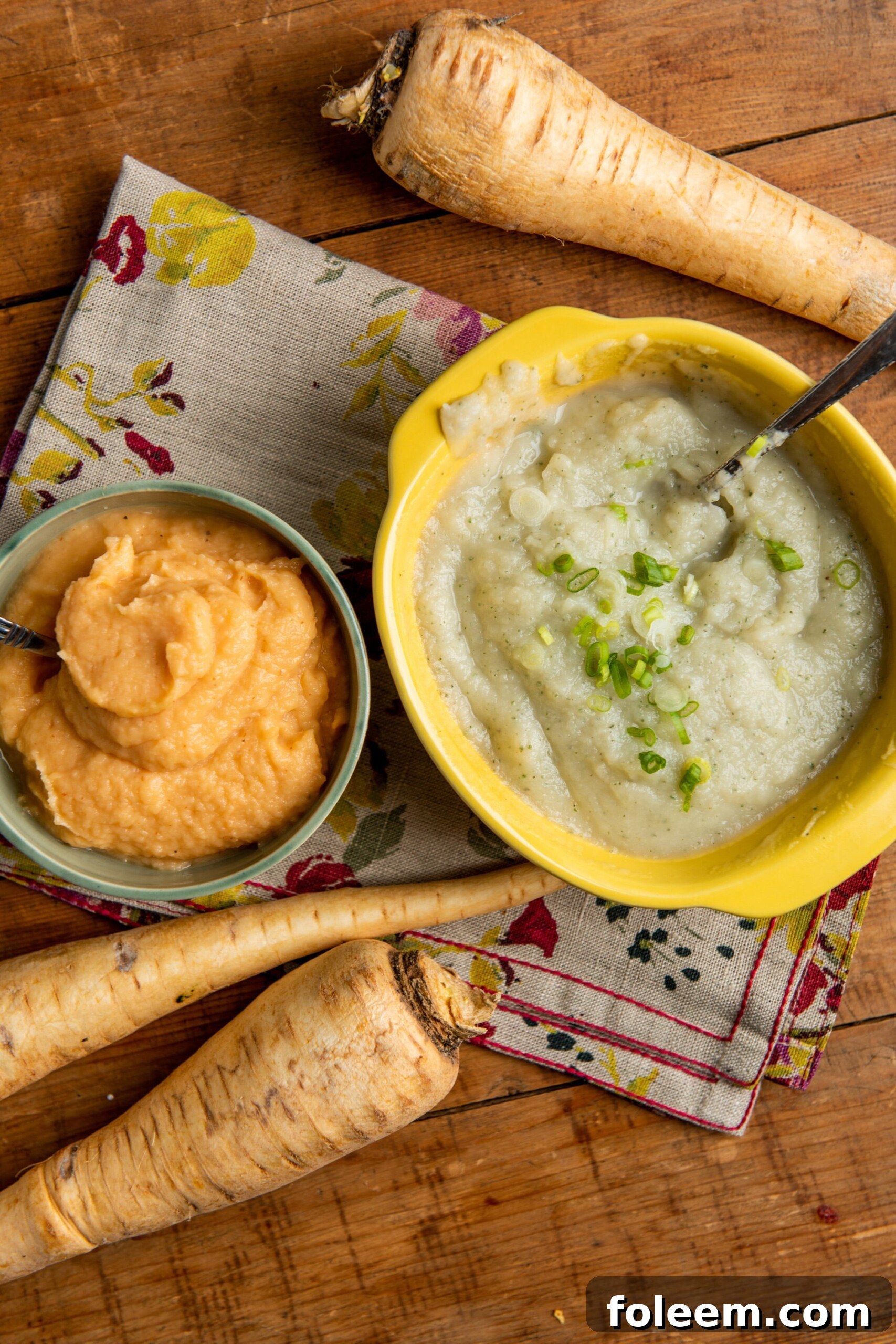
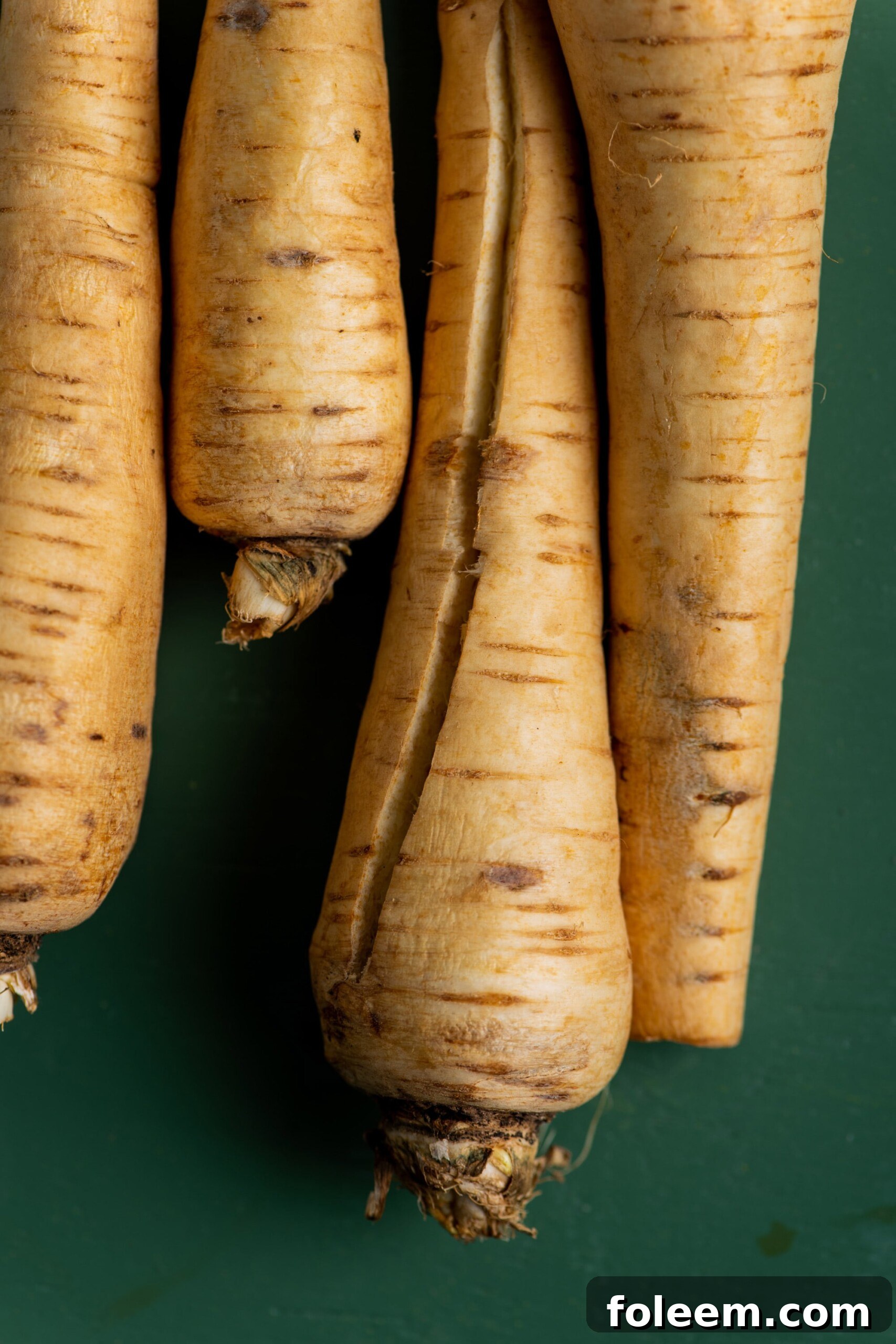
Parsnips resemble pale carrots: tapered, wider at the top and narrowing toward the tip. Their skin and flesh are a creamy yellow-beige. Sizes vary from small and slender to larger, thicker roots.
How Do I Know Which Parsnips to Buy?
Choose parsnips that are firm, smooth, and free of soft spots, shriveling, or brown discoloration. Smaller roots are usually younger and tenderer; older, larger parsnips can develop a woody core. Avoid ones that are bendy, soft, or covered in many fine, feathery root hairs — that can indicate inconsistent watering during growth.
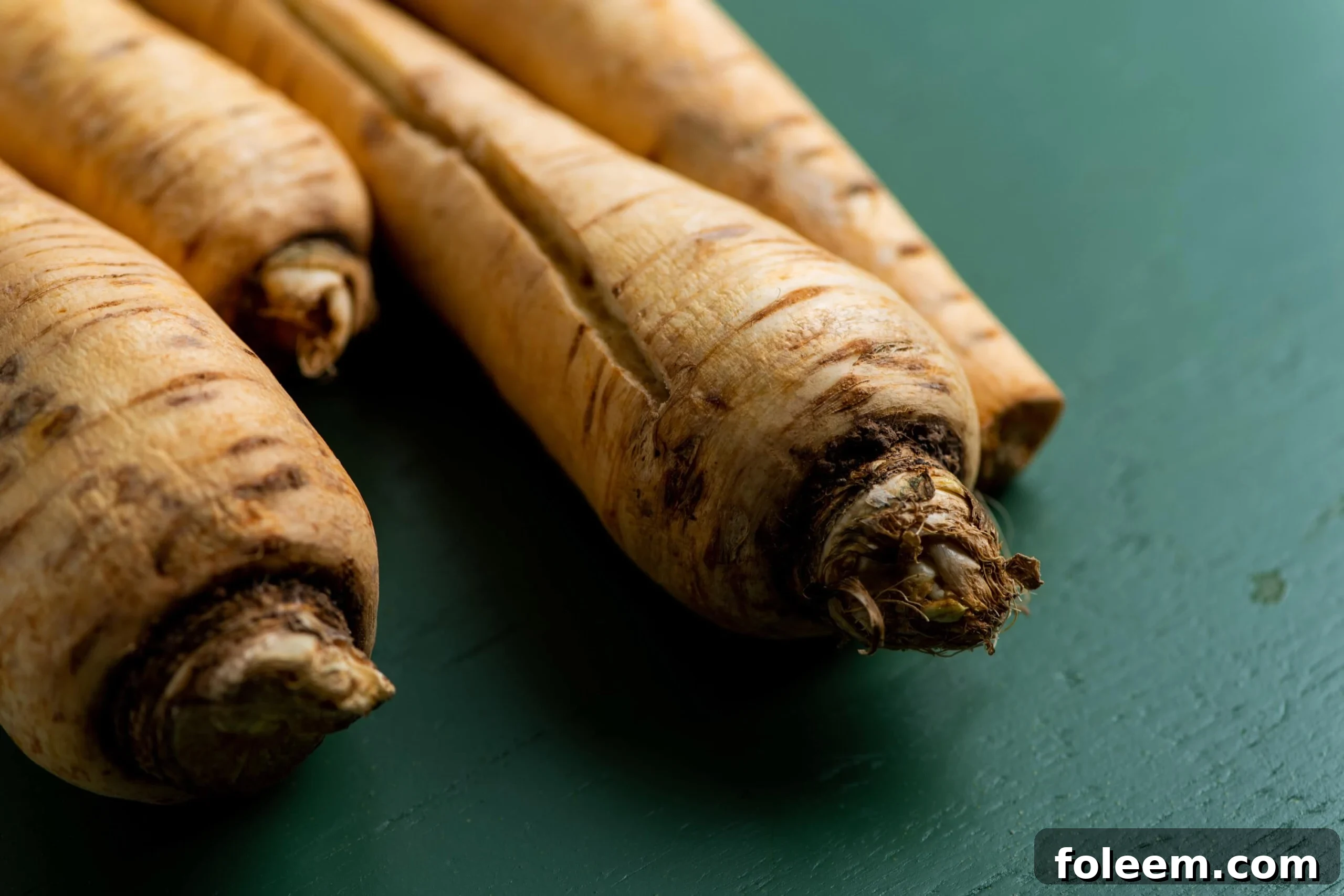
Parsnips are sometimes sold loose and sometimes bagged. Their green tops are usually trimmed because they wilt quickly; if you find parsnips with perky green tops at a farmers’ market, they’re exceptionally fresh.
Where Can I Find Parsnips?
Parsnips are available at farmers’ markets during season and at most supermarkets, usually near carrots and other root vegetables.
What Do Parsnips Taste Like?
When raw, parsnips have a mild flavor, but cooking releases a natural sweetness similar to a sweeter carrot or sweet potato. Flavor can vary with harvest time: spring-harvested parsnips tend to be sweeter than those harvested earlier in winter.
How Do I Cook Parsnips?
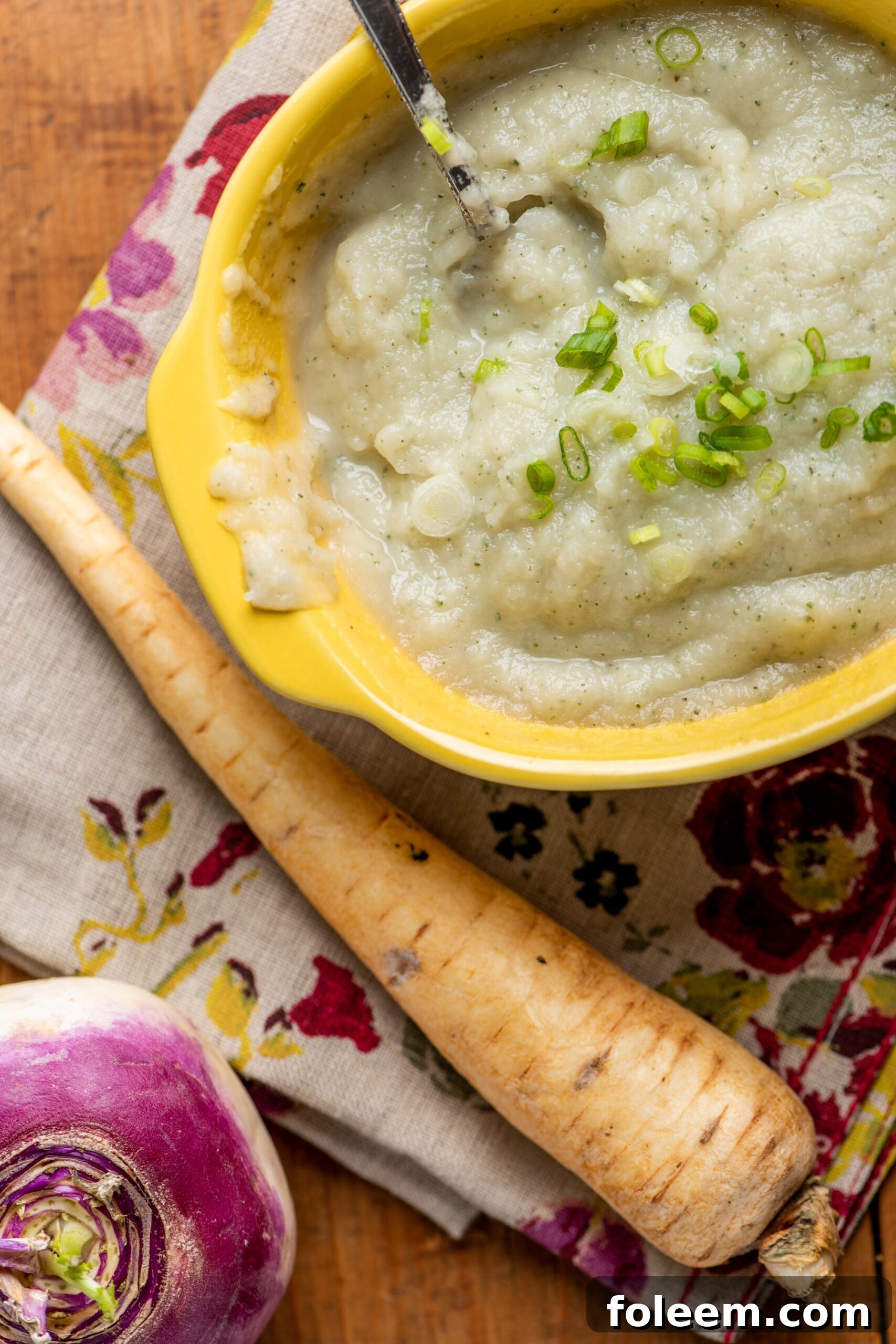
Scrub parsnips under running water and peel if desired; thin-skinned parsnips can be cooked with the skin on. They work well roasted, sautéed, steamed, mashed, pureed, or added to soups, stews, and broths. They can also be eaten raw, thinly sliced or grated in salads.
Substituting Parsnips for Carrots
Parsnips can generally replace carrots in recipes, but remember they are sweeter and slightly earthier. Adjust sweet or savory seasonings accordingly. They shine in roasted vegetable mixes, creamy purees, hearty stews, and broths.
How Do I Store Parsnips?
Store unwashed parsnips in the refrigerator in a plastic bag for up to about 10 days. Trimmed tops should be removed to help preserve the root. For longer storage, keep them in a cool, dark root cellar or packed in damp sand.
When Are Parsnips in Season?
Parsnips are typically harvested from fall through spring, and they often develop the best flavor after a few light frosts.
Are Parsnips Nutritious?
Yes. Parsnips are a good source of fiber, provide several vitamins, and are rich in minerals such as potassium and manganese. They make a nutritious addition to balanced meals.
Parsnip Recipes
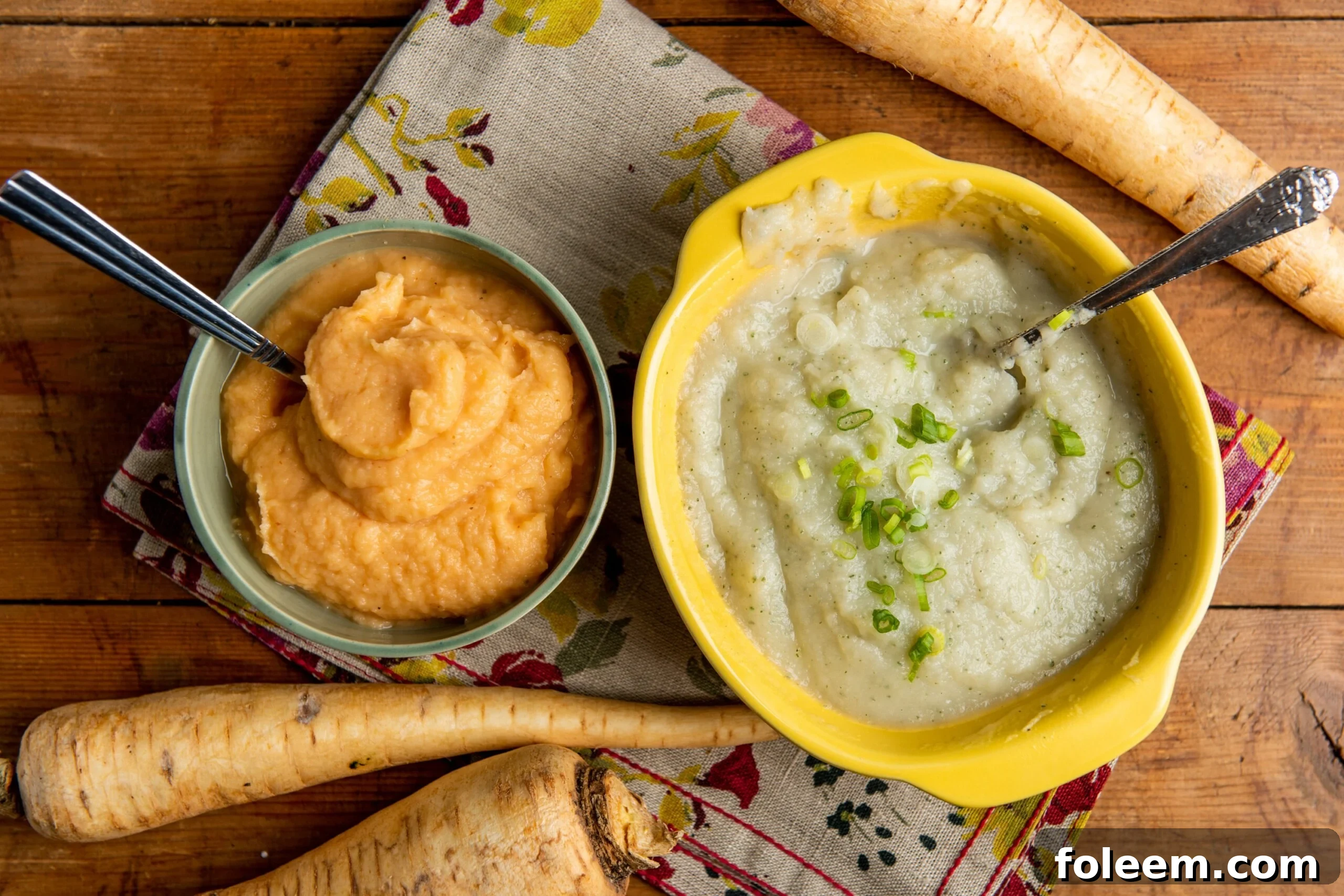
Below are a few inspiring ways to use parsnips while they are in season. These recipes showcase their sweet, earthy character in soups and purees.
Creamy Rutabaga, Parsnip and Cheddar Soup
View Recipe
Parsnip and Golden Beet Soup
View Recipe