How to Cook Jackfruit: Simple Recipes for Tender, Flavorful Jackfruit
Have you heard of jackfruit? If you follow a vegetarian or vegan diet, the answer is likely yes. If not, take note: jackfruit is appearing more and more in supermarkets and on restaurant menus.
What is Jackfruit?
Jackfruit is a very large tropical fruit often used as a meat substitute. Native to southwest India, it also grows throughout Southeast Asia, parts of Latin America, the Caribbean and other warm regions. When cooked, jackfruit can be shredded or pulled to mimic the texture of chicken or pork, making it a versatile choice for many vegan and vegetarian recipes.
How to Cook Jackfruit: Everything you need to know about buying, cutting, and preparing jackfruit.
As interest in plant-based diets has grown, so has the popularity of jackfruit. Industry observers have noticed a steady rise in demand over the past several years as more cooks discover its potential as a savory meat alternative.
Jackfruit is now featured in dishes at vegan and vegetarian restaurants and is increasingly found on mainstream menus as chefs experiment with plant-based options.
What Does Jackfruit Look Like?
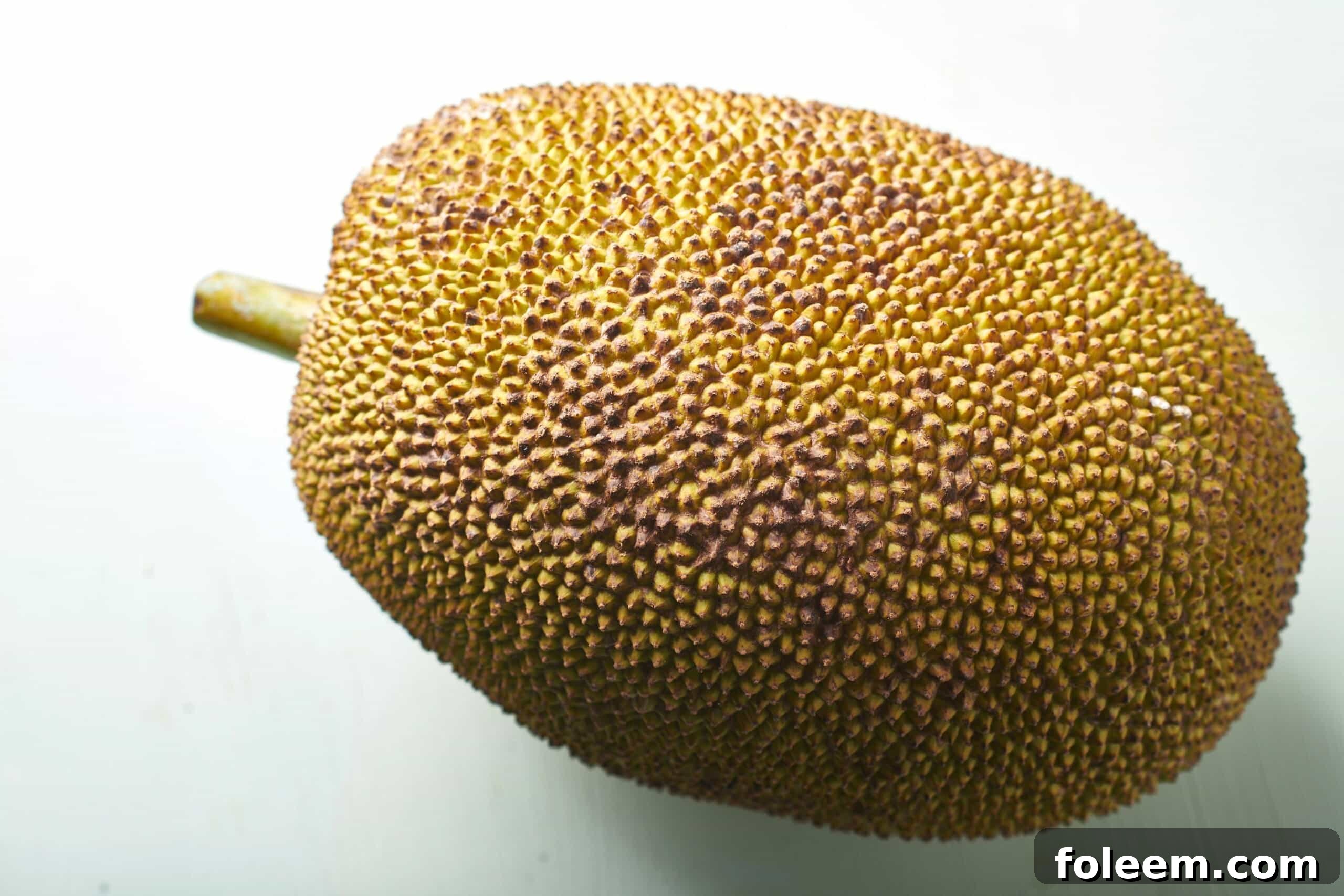
Jackfruit can weigh anywhere from about 15 to 70 pounds, and sometimes even more. Larger specimens are often used by the foodservice industry or processed into canned or packaged jackfruit products.
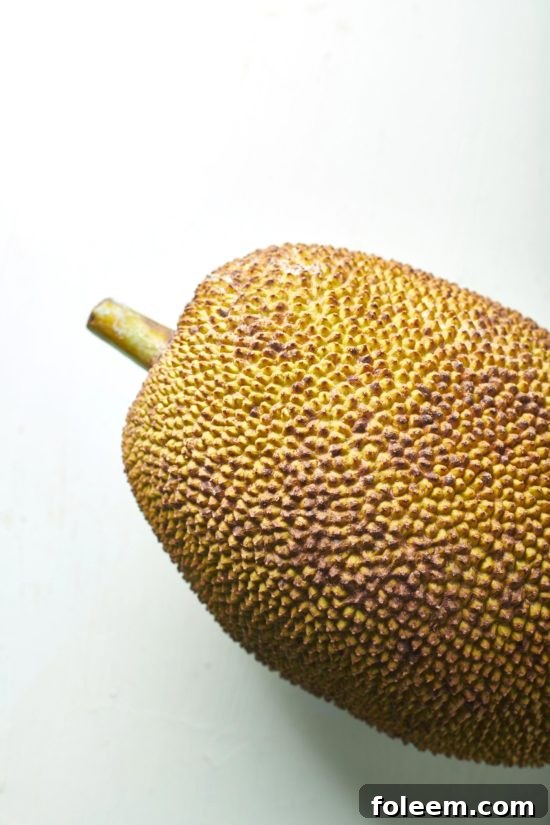
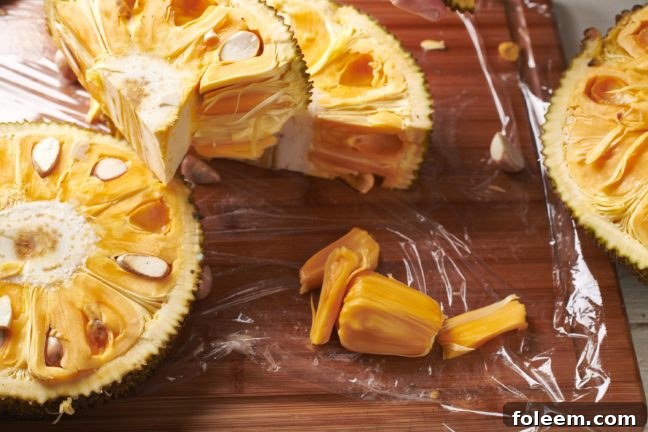
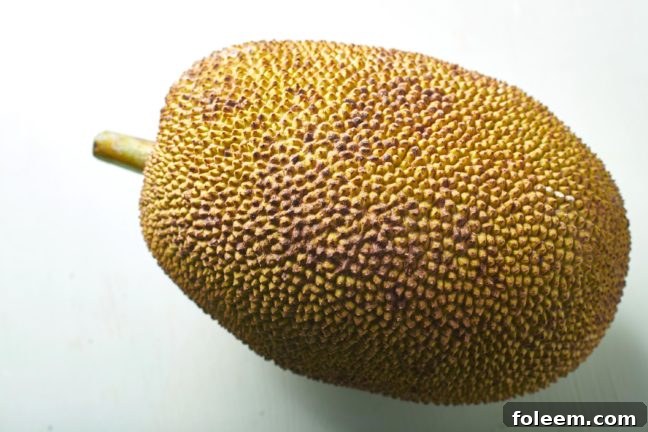
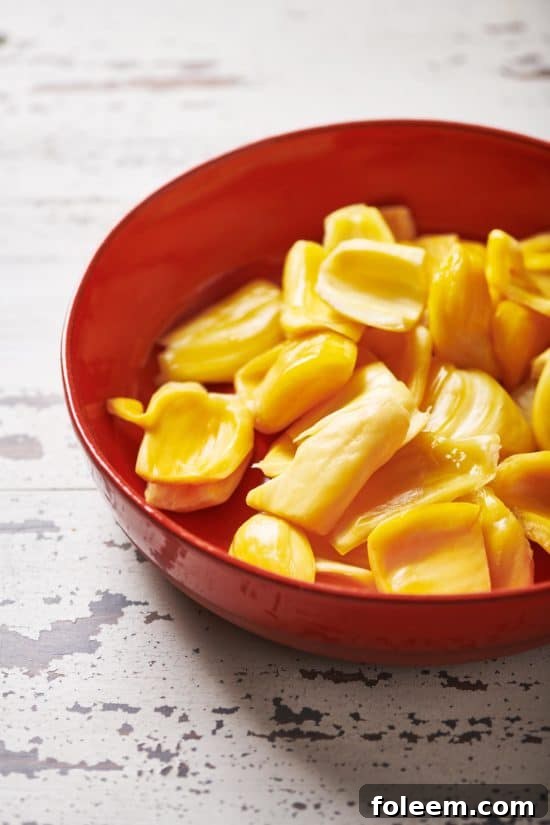
An unripe jackfruit has a green, spiky exterior. As it ripens the skin turns yellow and the fruit becomes fragrant. Inside, the flesh is a bright orange-yellow made up of individual pods held together by a stringy white membrane. Each pod contains a seed that is edible when cooked.
Jackfruit is sold whole and sometimes pre-sliced into manageable sections for home use. Unripe fruit is firm and neutral in flavor; ripe jackfruit softens, turns yellow with some brown spotting and develops a sweet aroma.
Smaller jackfruit are available in specialty stores, some well-stocked supermarkets and markets that carry produce from tropical countries. It is also sold canned—often in brine or syrup—primarily in Asian and specialty stores and increasingly in mainstream supermarkets. Choose jackfruit in brine or water for savory preparations; avoid syrup-packed fruit unless you want it for a sweet dessert.
Seeded pods are sold packaged and ready to cook, and there are many prepared jackfruit products on the market that are seasoned and ready to eat.
What Does Jackfruit Taste Like?
Unripe jackfruit has a very mild, neutral flavor—some compare it to a potato—so it readily absorbs seasonings and sauces, which makes it suitable as a savory meat substitute. When ripe, the flavor becomes noticeably sweeter and more tropical, evoking a mix of banana, mango and pineapple.
Is Jackfruit Nutritious?
Jackfruit offers good nutritional value. One cup of fresh jackfruit contains roughly 155 calories, nearly 3 grams of protein, about 2.5 grams of fiber, a solid amount of vitamin C and very little fat, making it a wholesome addition to a balanced diet.
How Do You Cut Jackfruit?
For savory dishes, unripe jackfruit—either whole or packaged seeded pods—is most commonly used. If you buy a whole fruit you will need to cut and remove the pods and seeds yourself.
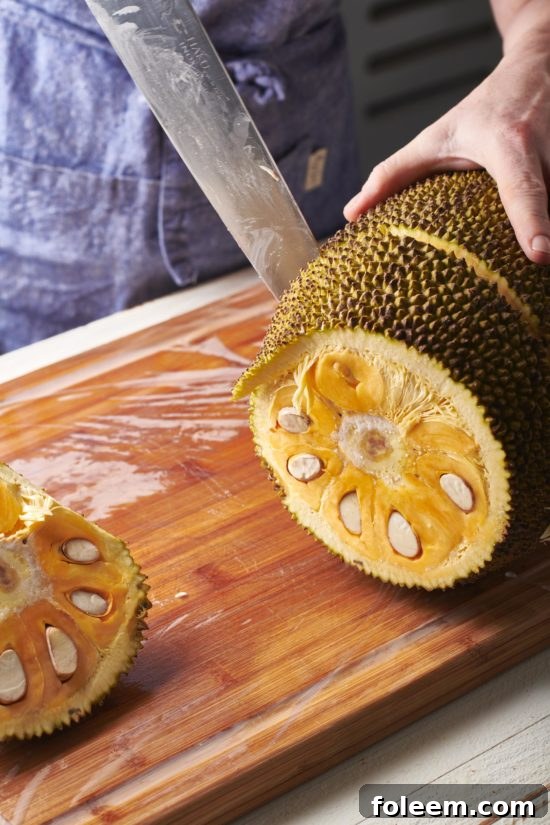
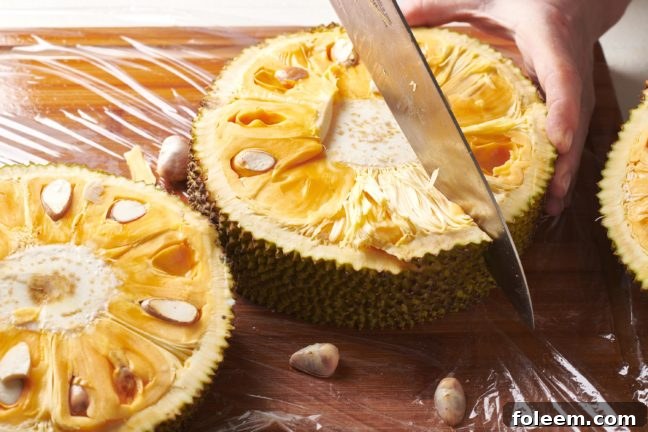
Because jackfruit is sticky, wear gloves (non-latex if you have a latex sensitivity—jackfruit contains a latex-like compound), protect your cutting board and wear clothes you don’t mind staining. Use a heavy, sharp knife to slice the fruit into 2-inch thick crosswise pieces, then cut the slices open along the membrane and pull out the pods by hand.
Remove the seeds from each pod; the seeds are edible when cooked. Trim away any white membrane or tips. The pods can be eaten fresh—mild when unripe or sweet when ripe—or cooked according to your recipe.
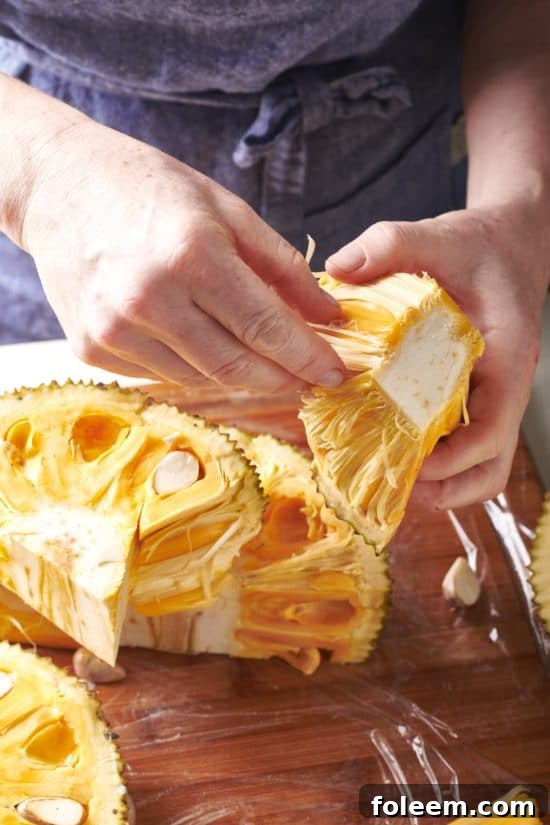
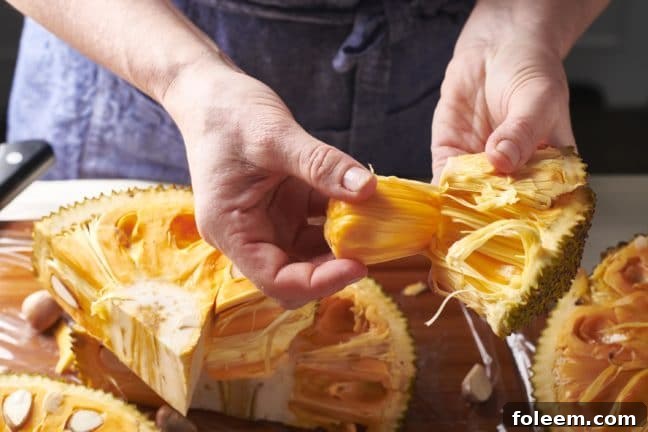
How to Cook Jackfruit
After removing the pods and seeds, the most common method for preparing jackfruit as a meat substitute is to simmer the pods for about 45 minutes until tender, then shred or chop the flesh. A pressure cooker reduces that time to roughly 10 minutes. Many recipes assume the use of canned jackfruit for convenience, since it’s widely available and already trimmed.
The seeds are worth saving: boiled or roasted, they have a chestnut-like taste and texture and can be enjoyed as a snack or added to dishes.
More Ways to Prepare Exotic and Tropical Fruits:
- Papaya: Learn cutting and preparation techniques for sweet and ripe fruit.
- Persimmons: How to handle and cook different varieties.
- Mango: Tips for cutting, ripeness and using mango in savory and sweet dishes.
- Pineapple: Best methods for peeling, coring and slicing.