Cooking with Mirin: Techniques, Tips, and Recipes for Authentic Flavor
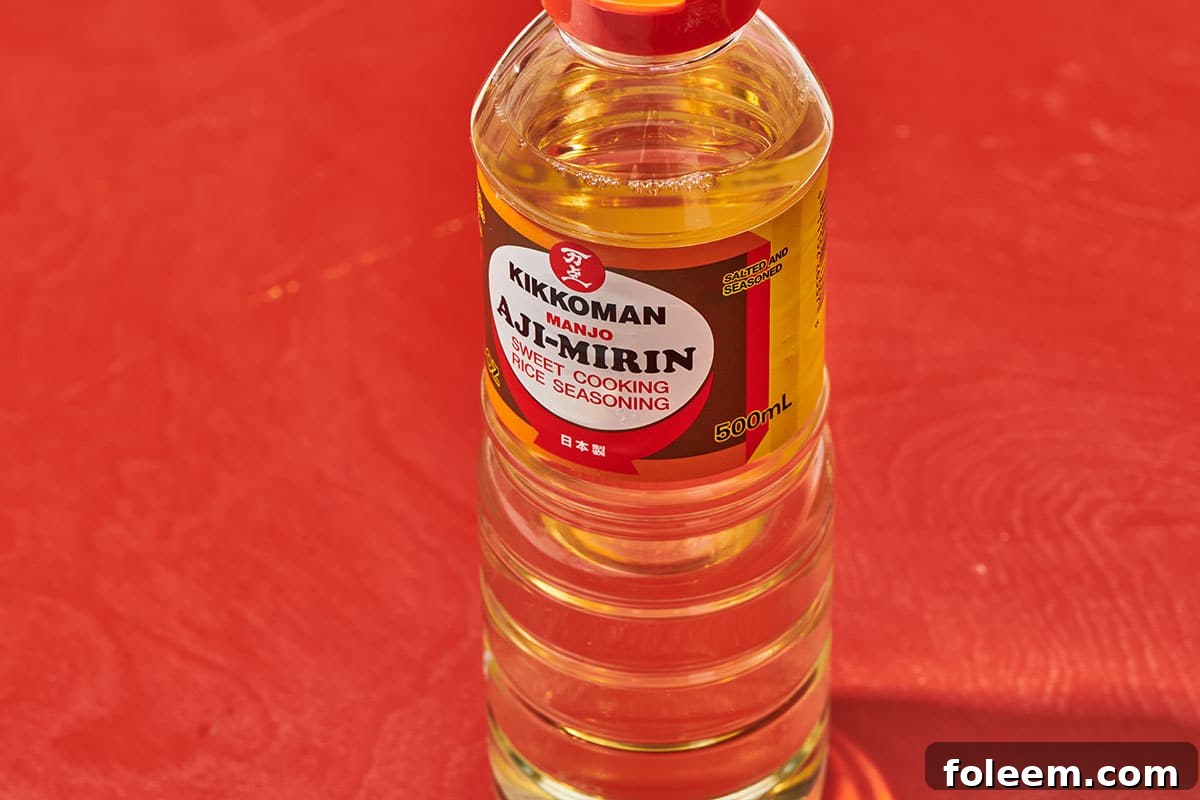
Mirin is a sweet Japanese rice wine commonly used in Japanese and other Asian cuisines. Similar to sake but sweeter and lower in alcohol, mirin is typically used during cooking so the alcohol evaporates and leaves behind a rounded, savory-sweet depth that enhances the overall flavor of a dish.
In recipes, mirin rarely reads as a single identifiable taste but instead elevates other ingredients. It appears in everything from teriyaki and eel sauce to broths and dressings, and it also helps tenderize meats and poultry.
- What Is Mirin?
- Different Types of Mirin
- Where to Find Mirin
- What Can You Substitute for Mirin?
- How To Use Mirin
- How to Store Mirin
- Fun Facts About Mirin
- Try These Recipes with Mirin
What Is Mirin?
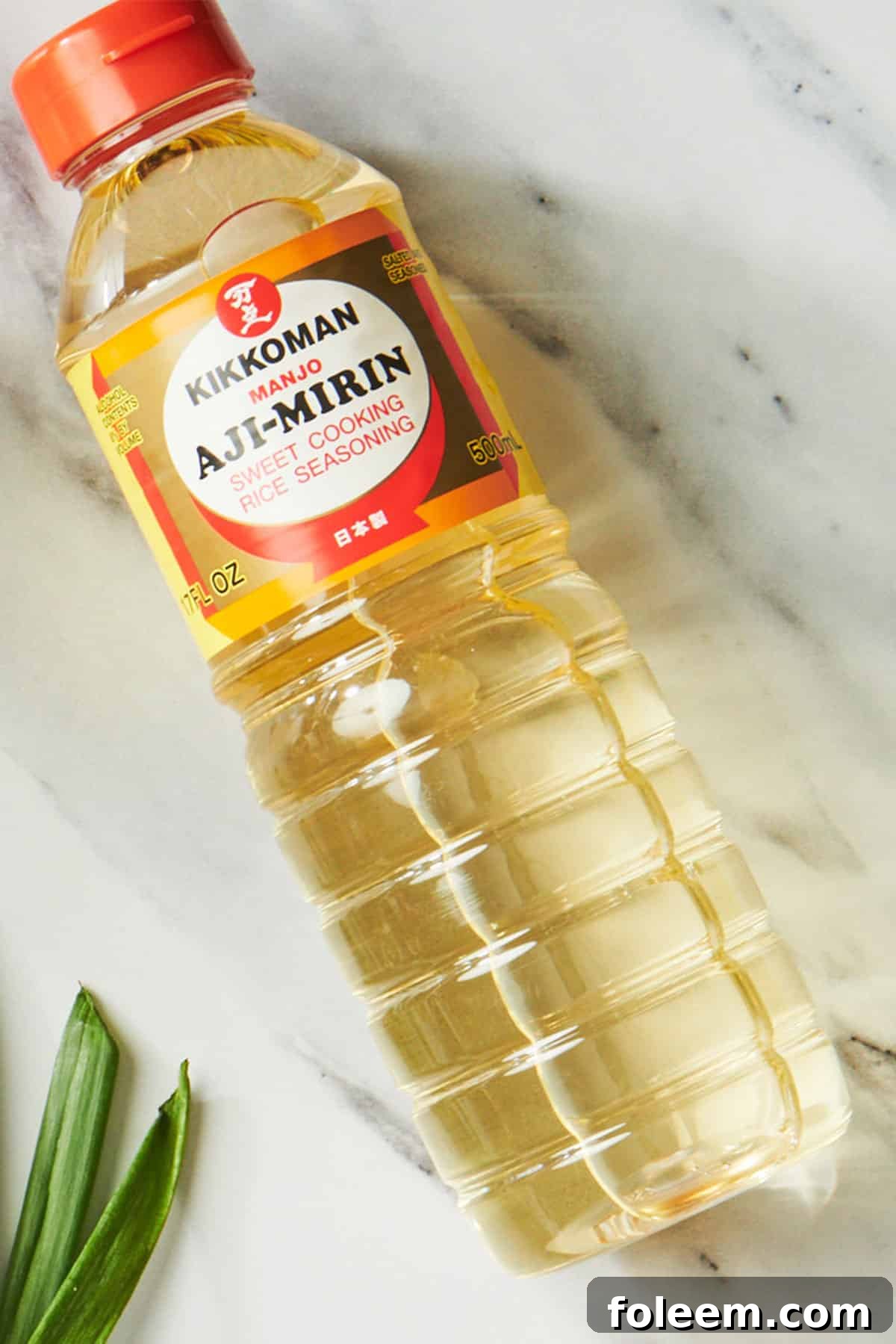
Mirin is a Japanese rice wine related to sake but distinctly sweeter. It contains more naturally occurring sugars and usually less alcohol than many sakes, commonly falling between about 8% and 14% ABV. Mirin is also generally more affordable than premium sake.
Traditional mirin is produced from steamed rice, koji (cultured rice used for fermentation), and shochu or another distilled rice spirit. High-quality mirin will list only water, rice, koji, and sometimes salt—avoid varieties with added fructose or corn syrup.
The liquid is light golden and not viscous. Its flavor is rich, subtly tangy, and sweet, with a pronounced umami character from the fermented rice. You’ve likely tasted mirin in Japanese sauces and broths even if you didn’t recognize it at the time: it brightens ramen and teriyaki, adds complexity to dressings, and is a key element in many glazes.
Different Types of Mirin
There are several varieties of mirin you may encounter, differing mainly in alcohol content and whether additional ingredients are used to mimic the traditional flavor.
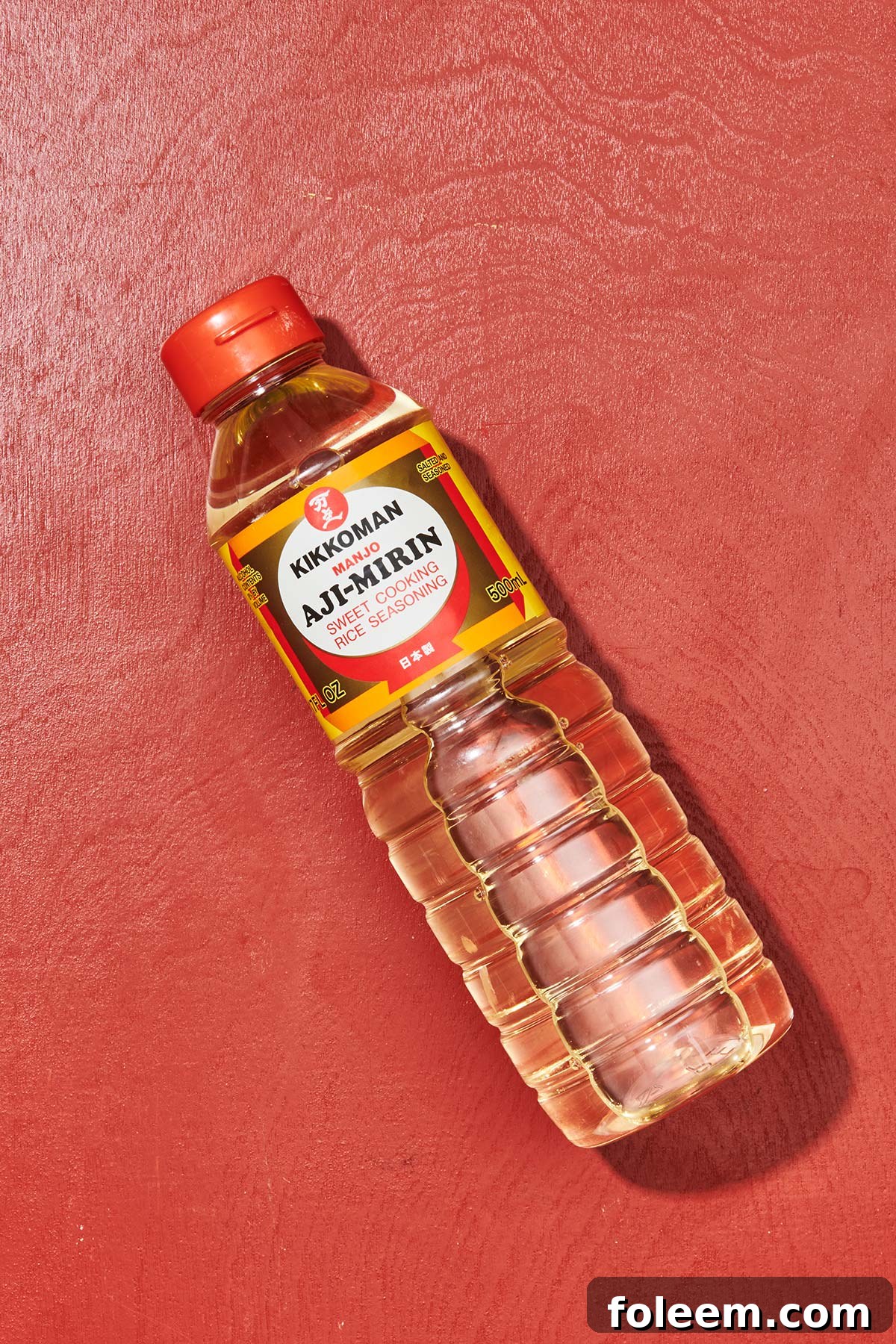
Hon-mirin is the traditional form with higher alcohol, often around 14% ABV. Plain mirin can be made with sake and may have a lower alcohol level. Aji-mirin and kotteri-mirin are versions with reduced alcohol content and sometimes added ingredients to recreate mirin’s taste.
- Kotteri-mirin can have a very low alcohol content (0–1% ABV) and often includes other components to approximate the flavor of fuller-strength mirin.
- Aji-mirin is widely available outside Japan and typically contains around 8–14% ABV; it works well in most recipes that call for mirin.
Where to Find Mirin
Lower-alcohol varieties like aji-mirin and kotteri-mirin are commonly stocked in supermarkets that carry Japanese ingredients. For more traditional, additive-free mirin, specialty Asian markets or online retailers offer hon-mirin and higher-quality brands. When selecting mirin, read labels to avoid products with unnecessary sweeteners.
What Can You Substitute for Mirin?
If you don’t have mirin, there are several reasonable substitutes. Sake mixed with sugar in a 3:1 ratio (three parts sake to one part sugar) approximates mirin’s balance of alcohol, sweetness, and umami.
Rice vinegar mixed with sugar in a 3:1 ratio is another option; because rice vinegar is more acidic than mirin, the added sugar helps balance the tartness. If neither is available, a splash of sweet sherry can work in a pinch—it’s not identical but provides a similar sweet-wine note.
How To Use Mirin
Mirin’s alcohol evaporates quickly when heated, leaving behind sweetness and umami. A classic combination is mirin and soy sauce to create glazes and sauces for meats, fish, and vegetables. Mirin also pairs with citrus, vinegar, seaweed, and bonito flakes in dipping sauces like ponzu.
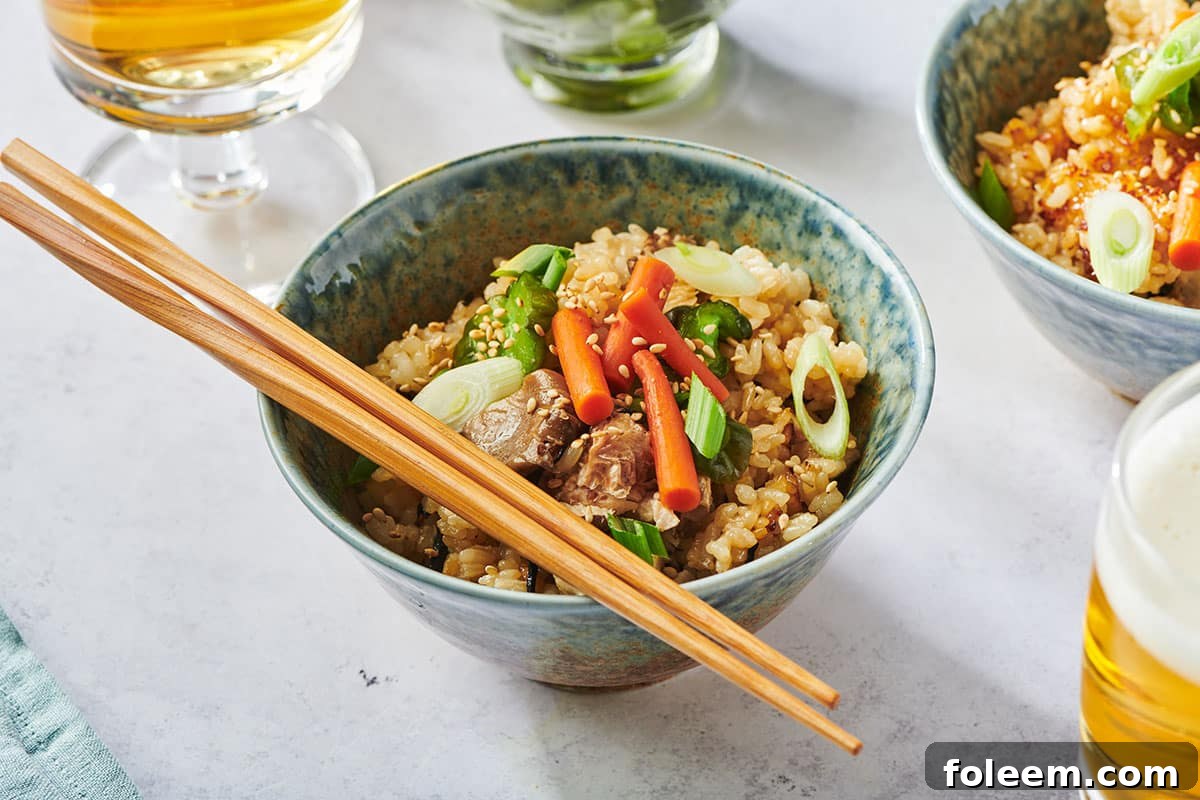
Use mirin in marinades, stir-fries, and noodle-broths—its natural sugars round out salty and savory components and add shine to glazes. It’s a staple in teriyaki recipes and enhances fish, rice bowls, and many traditional Japanese dishes.

How to Store Mirin
Storage depends on the type. Higher-alcohol mirin can be kept at room temperature for some months, while lower-alcohol, additive-containing mirins are best refrigerated after opening to preserve freshness. As a general rule, refrigerate mirin after opening to extend its shelf life and maintain flavor.
Fun Facts About Mirin
Mirin has an interesting history. In times when sugar was expensive or scarce in Japan, mirin was used as a sweetener in cooking. A few other notable points:
- Traditional hon-mirin can take 40 to 60 days to ferment.
- Mirin is one of the ingredients in eel sauce; the sauce is named for its association with broiled eel rather than containing eel itself.
- The name hon-mirin sounds similar to the Japanese words for “eleven” and “thirty,” so November 30th has been associated with hon-mirin.
Try These Recipes with Mirin
- Chicken Katsu – Katsu sauce often combines ketchup, Worcestershire, soy sauce, mirin, sugar, and mustard.
- Shrimp, Sugar Snap Pea, and Scallion Stir-Fry with Miso Sauce – Mirin adds brightness to stir-fries.
- Yaki Udon – Mirin helps create the savory-sweet sauce for these stir-fried noodles.
- Goma-ae – A cold spinach side dressed with a sesame-based sauce that benefits from mirin’s balance.
- Miso Glazed Scallops – Mirin complements miso to build deep umami in seafood glazes.