Perfect Hard-Boiled Eggs: Foolproof Method for Tender Yolks
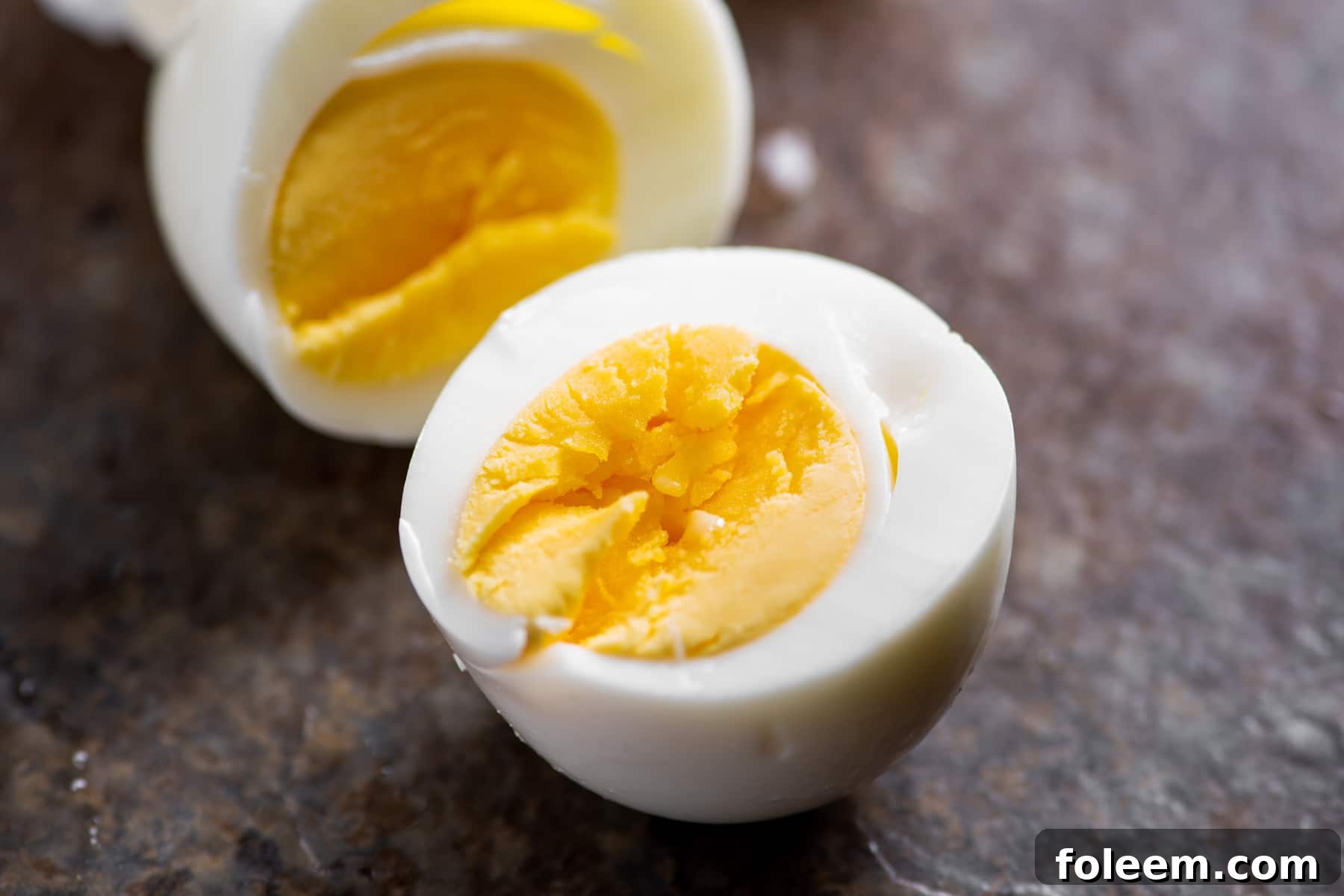
You’re about to learn two reliable methods for making perfect hard-boiled (hard-cooked) eggs every time. Follow the steps and tips below to get creamy yolks, tender whites, and shells that slip off cleanly. These eggs are ideal for deviled eggs, egg salad, Niçoise salad, packed lunches, picnics, or a high-protein snack from the fridge.
Hard-boiling eggs can be surprisingly tricky: yolks can end up undercooked or dry and chalky, whites can be rubbery, and shells might cling stubbornly. The methods below prevent green rings around the yolk, avoid overcooking, and make peeling easy.
- How to Hard-Boil Eggs
- FAQs
- What to Make With Hard-Boiled Eggs
- More Egg Recipes
- How to Make Perfect Hard-Boiled Eggs Recipe
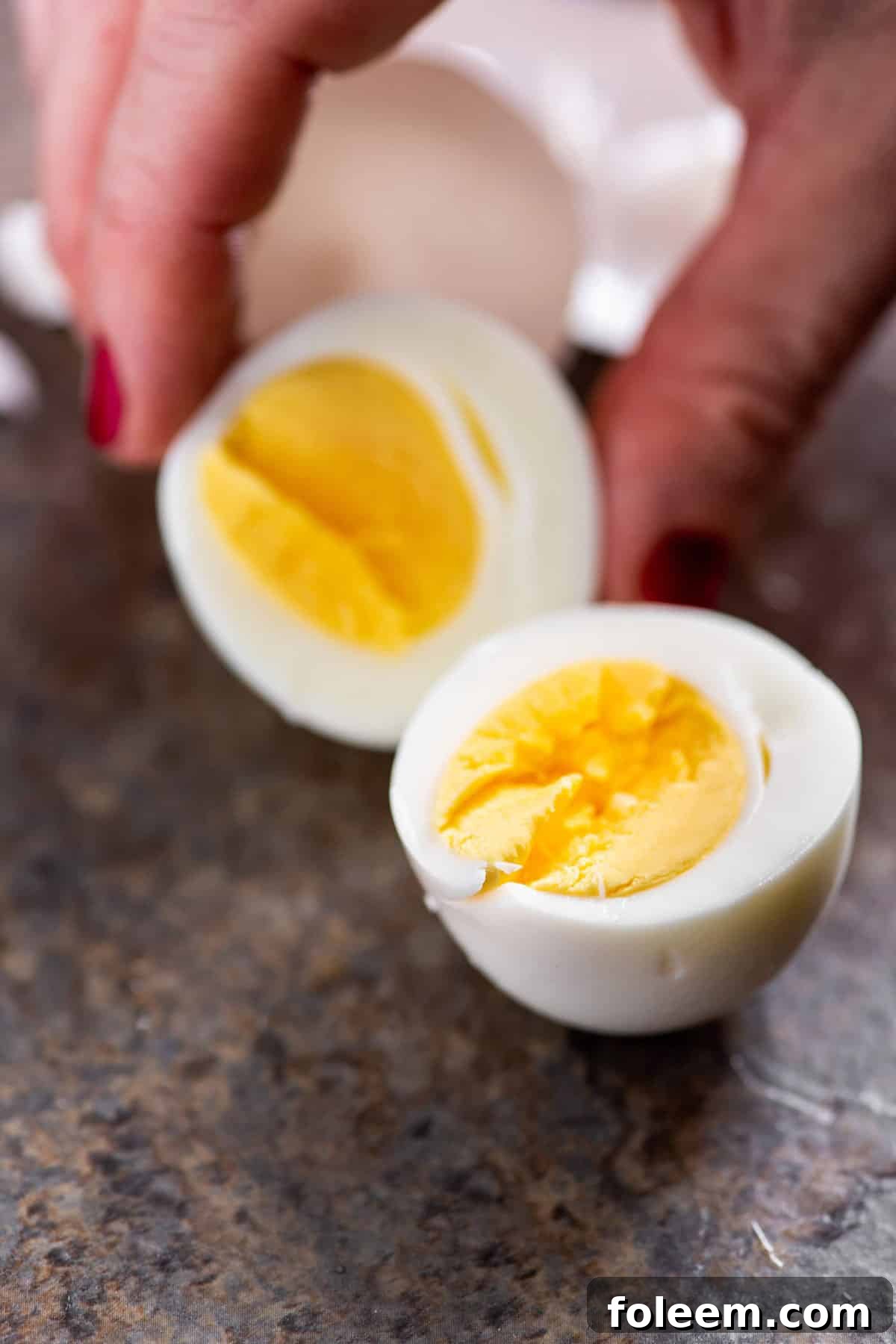
Two methods for making perfect hard-cooked eggs with creamy yolks, tender whites, and shells that slip right off.
How to Hard-Boil Eggs
Below are two simple, dependable methods. Both produce excellent results; choose the one that fits your routine.
Method 1 (Start eggs in cold water)
- Place and cover: Put eggs in a saucepan and add cold water to cover by about 1 inch.
- Bring to a boil: Heat until the water reaches a full boil. Let the eggs boil for 1 minute.
- Turn off and rest: Turn off the heat, cover the pan, and let the eggs sit in the hot water for 10 minutes.
- Ice bath: While the eggs sit, fill a bowl with ice and cold water. After 10 minutes, transfer the eggs with a slotted spoon to the ice bath and chill for about 5 minutes.
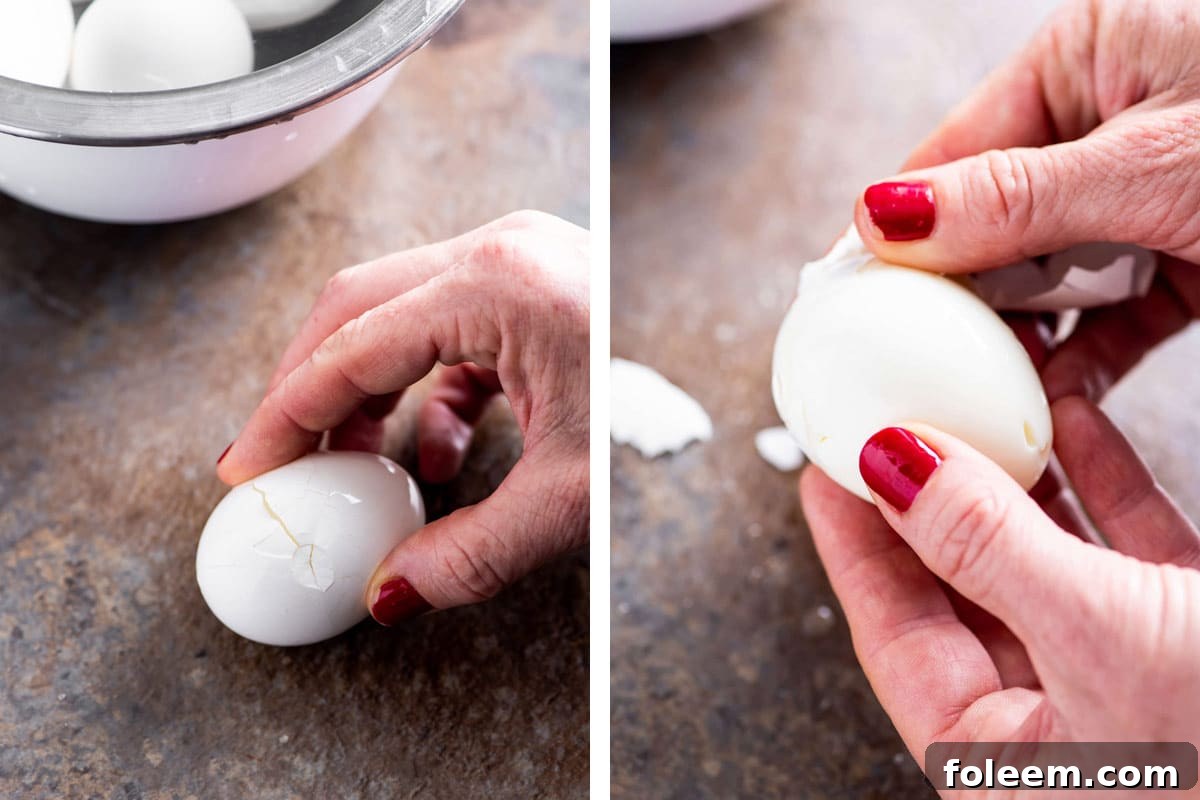
- Peel: Tap both ends of each egg on the counter, roll to crack the shell all around, and peel. Peeling while the eggs are still slightly warm and submerged in water often helps the shell slip away cleanly.
Method 2 (Boil water first)
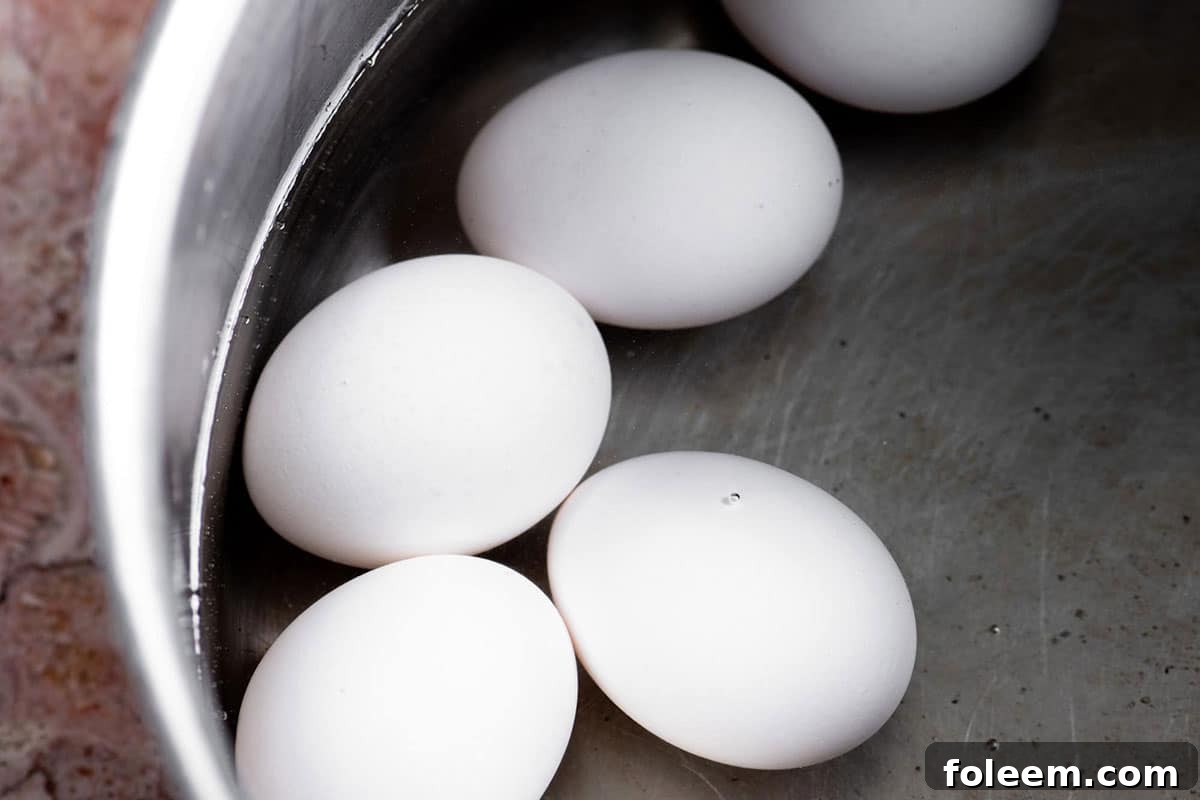
- Boil the water: Bring a pot of water to a rolling boil; use enough water to fully cover the eggs.
- Lower the eggs: Use a spoon to gently lower eggs into the boiling water.
- Cook time: Boil for 9 minutes for fully set yolks with a creamy center.
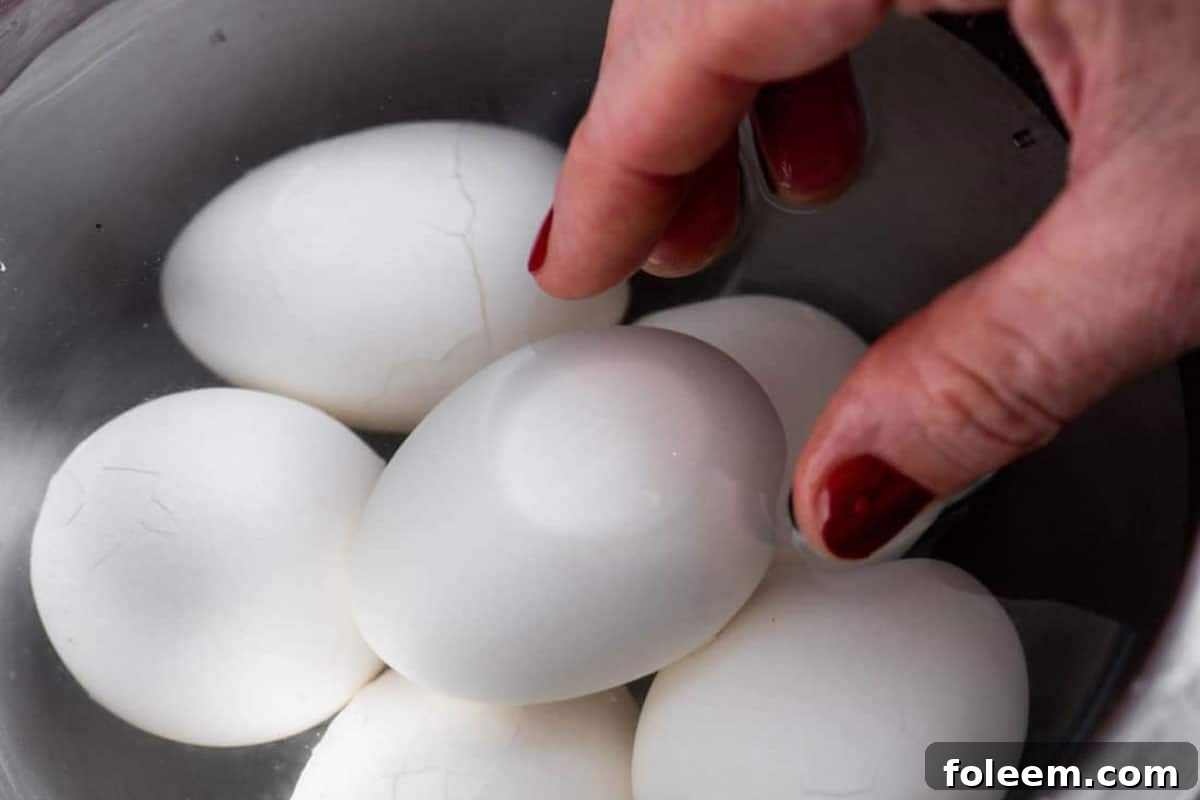
- Ice bath: Remove eggs with a slotted spoon and transfer to an ice water bath for about 5 minutes.
- Peel: Crack the top and bottom, roll to fracture the shell, and peel—submerging them in the cold water while peeling makes this easier.
Kitchen Smarts
You can also make hard-cooked eggs in the oven when you need a large batch. Baking eggs on a sheet can be an easy alternative for many eggs at once.
FAQs
Eggs that are at least a week old generally peel more easily than very fresh eggs. They should still be within a safe freshness window; extremely fresh eggs are better reserved for scrambled eggs or baking when a smooth texture is desired.
Shell appearance doesn’t reveal freshness. Use the water test: place the egg in a glass of cold water. Fresh eggs sink and lie flat. Eggs that stand upright are older but usually still okay. Eggs that float should be discarded.
Two reliable tips: cool the eggs in an ice bath until they’re cool enough to handle but not rock-hard, then peel while still slightly warm for gentler removal. Rolling the egg on the counter to create many small cracks helps the shell come away in larger pieces. Peeling under cold water or in a bowl of water helps lift away tiny shell fragments.
What to Make With Hard-Boiled Eggs
Perfect hard-boiled eggs are delicious on their own or as the foundation for many dishes. Popular uses include:
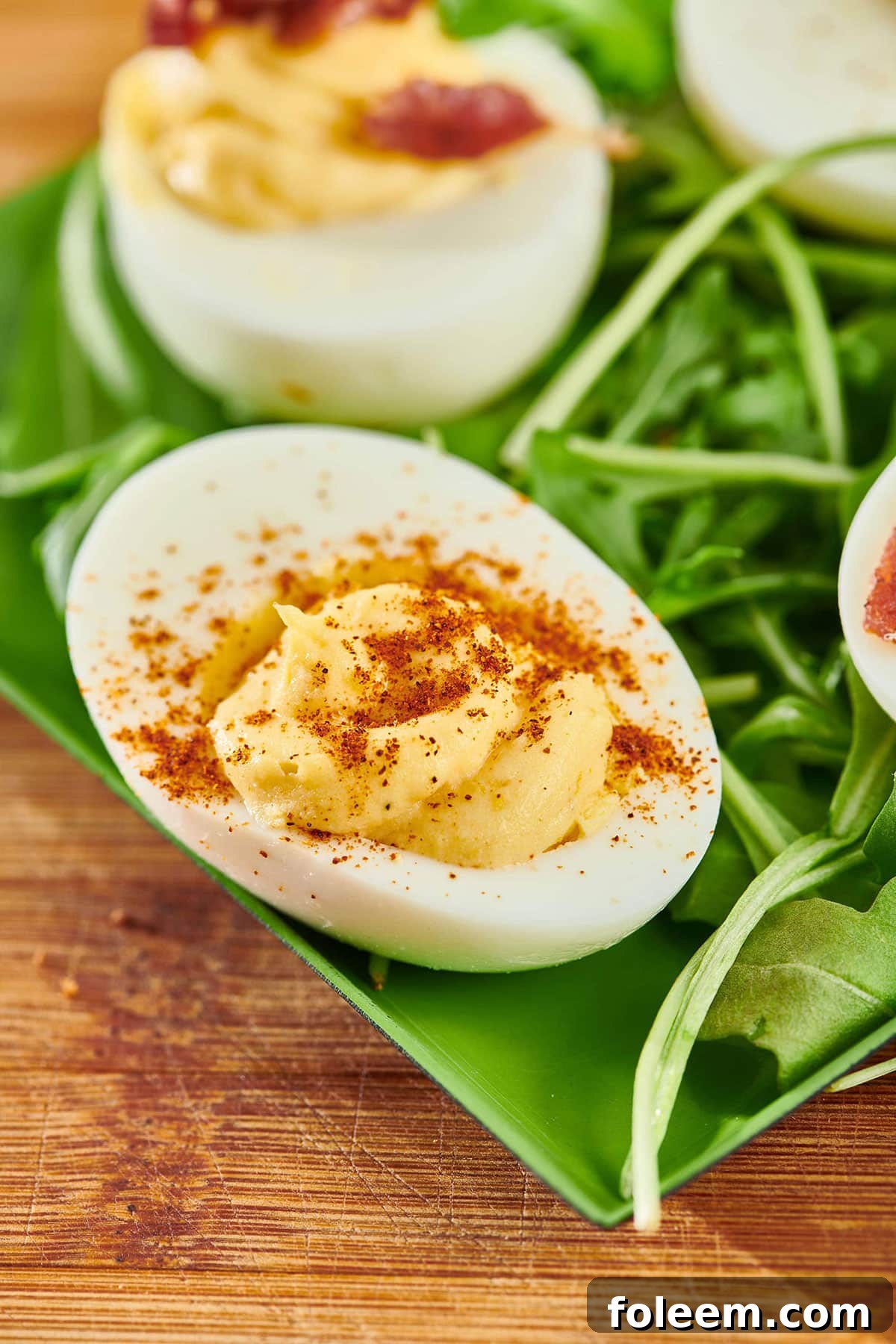
- Deviled eggs — spoon or pipe a seasoned yolk filling back into the halved whites.
- Egg salad — chop the eggs and combine with mayonnaise, mustard, and seasonings for sandwiches.
- Niçoise salad — quartered eggs complement tuna, potatoes, olives, and green beans.
- Potato salads with chopped hard-cooked eggs or deviled-egg potato salad for picnics and potlucks.
They’re also great sliced over grain bowls, on avocado toast, or tucked into a packed lunch for a protein boost.

Egg and Potato Salad with Bacon
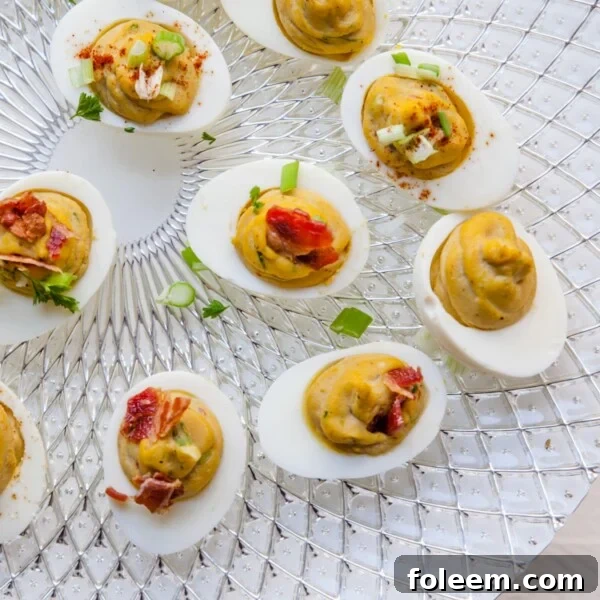
Chipotle Deviled Eggs
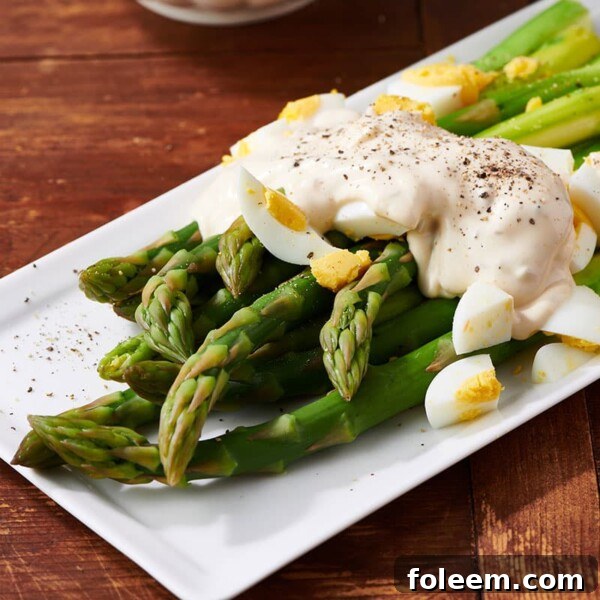
Asparagus Remoulade with Egg
More Egg Recipes
- How to Make Perfect Scrambled Eggs
- How to Cook Eggs in the Oven
- How to Make a Frittata
- How to Make a Perfect Omelet
- Fried Eggs and Smoked Salmon Over Polenta Cakes
- Bacon, Leek, Mushroom, and Cheese Mini Quiches
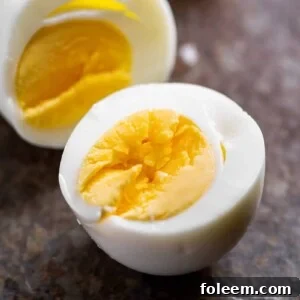
How to Make Perfect Hard-Boiled Eggs
Perfect in your favorite egg salad or as a snack—everybody loves a hard-boiled egg. Use this foolproof, roughly 10–13 minute approach to avoid overcooking and to make peeling easier.
Details
- Prep Time: 3 minutes
- Cook Time: 10 minutes
- Total Time: 13 minutes
- Servings: 6 people
Ingredients
- 6 eggs
- Water (as needed)
Instructions
- Place eggs in a saucepan and add water to cover by at least 1 inch. Bring the water to a boil and let the eggs boil for 1 minute. Turn off the heat, cover, and let the eggs sit in the hot water for 10 minutes. While they sit, prepare a bowl of ice water.
- Transfer the eggs to the ice water with a slotted spoon and let sit about 5 minutes. The goal is to cool them enough to handle but not so cold that peeling becomes difficult.
- Tap the top and bottom of each egg on a flat surface to crack the shell, then roll the egg to create more cracks. Peeling under the surface of cold water can make shells come off more easily.
Notes
Shell appearance won’t tell you how fresh an egg is. Use the water test: fresh eggs sink in cold water; eggs that float should be discarded.
Nutrition (approximate for all servings)
Calories: 378 kcal • Protein: 33 g • Fat: 25 g • Carbohydrates: 2 g • Cholesterol: 982 mg