How Long to Roast a Turkey: Time and Temperature Guide
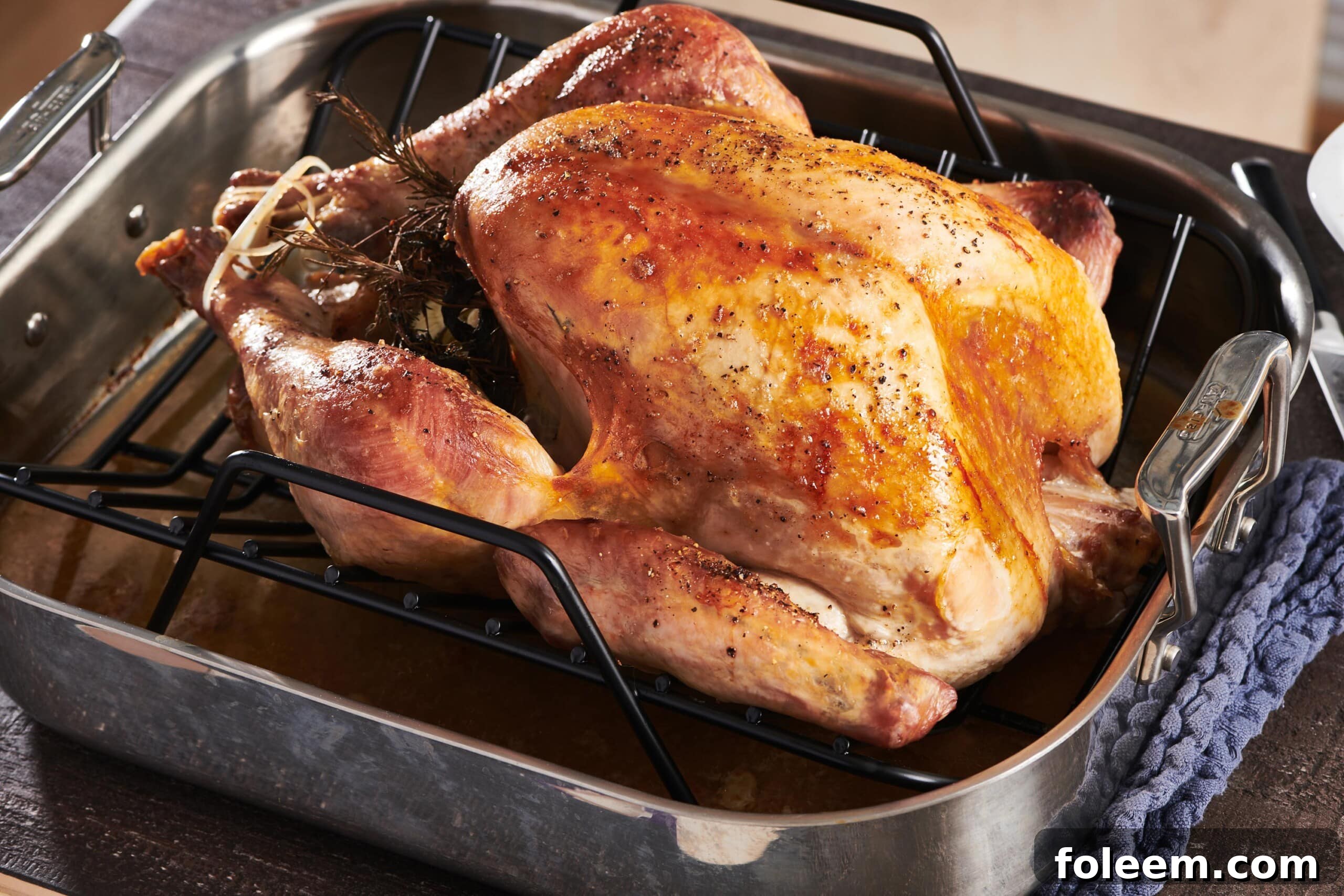
So you’re the one roasting the Thanksgiving turkey this year — lucky you! That also means you’ll get the best share of the leftovers. Plan for a bird that yields generous leftovers for guests, sandwiches, pot pies and soup; you can always freeze any extra. Below is everything you need to know to cook your turkey — whatever its size — to perfection.
Now, where did I put my gravy fat separator?
- How to Know What Size Turkey to Buy
- Turkey Cooking Times
- Tips for Cooking a Whole Turkey
- Should I Truss a Turkey?
- FAQs
- What to Serve With Thanksgiving Turkey
- More Thanksgiving Turkey Tips
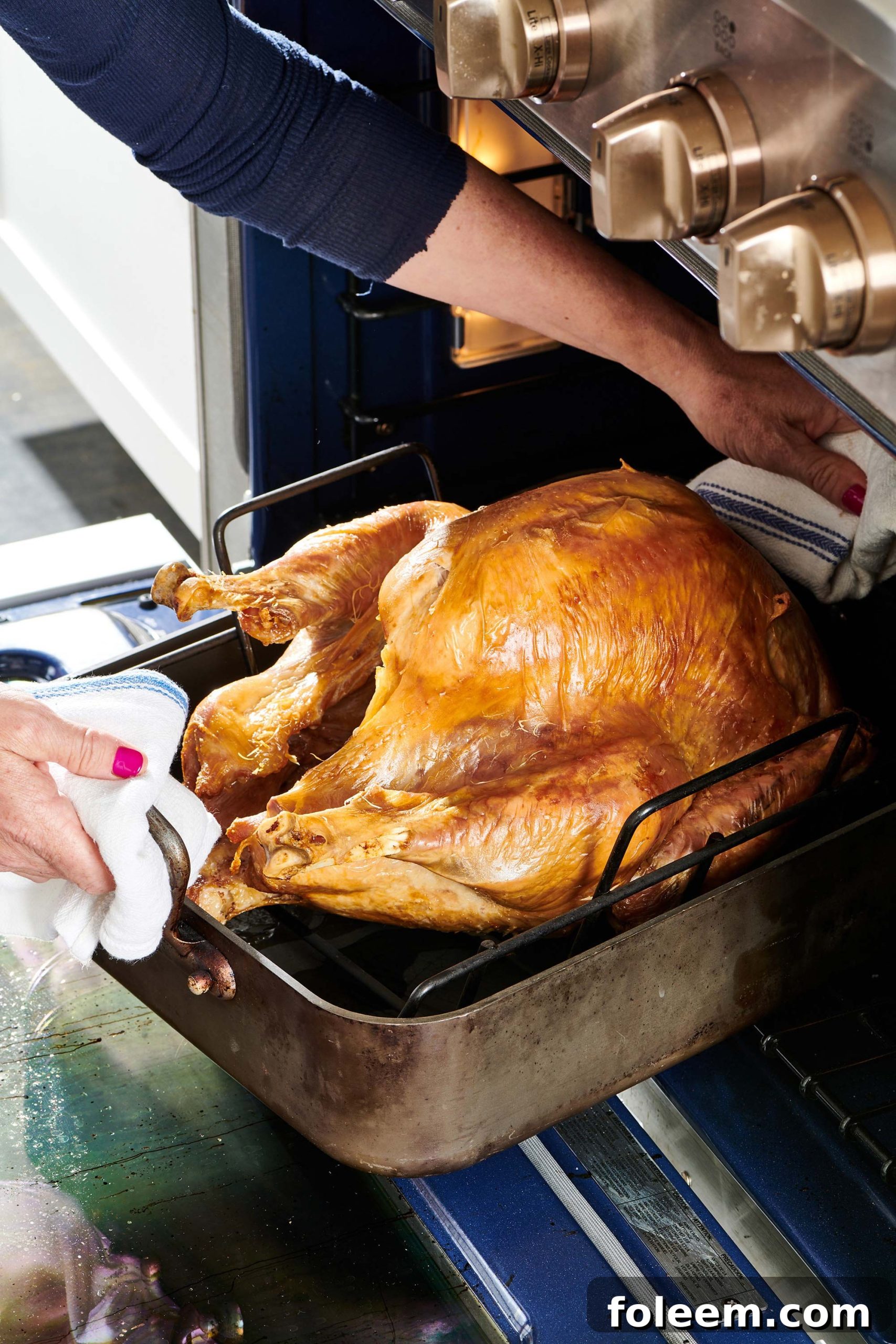
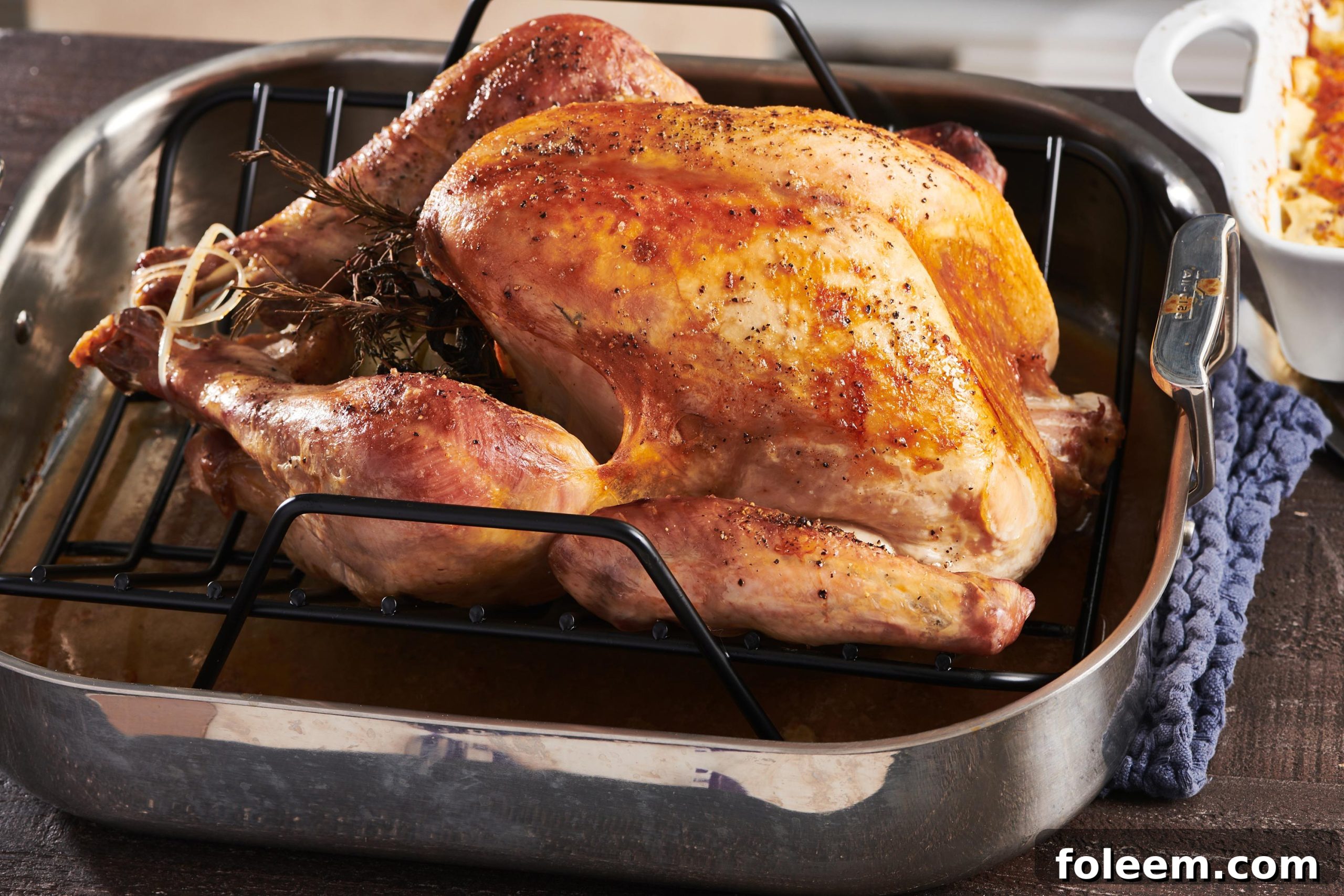
How long to cook turkey in the oven: everything you need to cook any size Thanksgiving turkey to perfection.
How to Know What Size Turkey to Buy
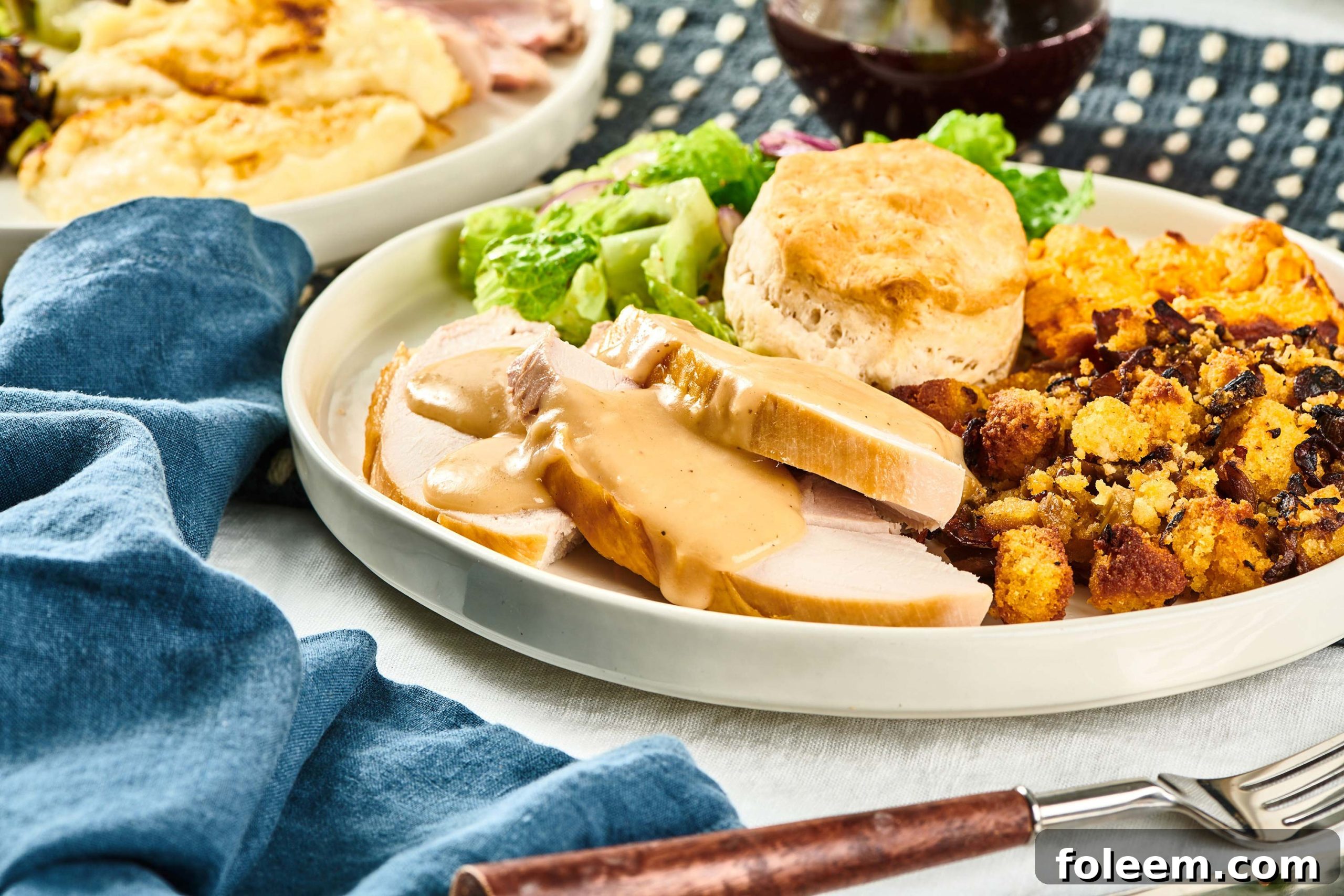
Most supermarket turkeys in the U.S. fall around 16 pounds, though you’ll find both smaller and larger birds. A 16-pound bird generally serves 10–12 people with some leftovers. Aim for roughly 1½ pounds per person if you want generous leftovers.
A 12‑pound turkey is fine for eight people and will still leave leftovers for sandwiches, soups and casseroles. Leftover turkey is versatile and makes quick, satisfying meals in the days after the holiday.
Turkey Cooking Times
The times below are for roasting at a steady 325°F. The USDA advises not to roast turkey at temperatures lower than 325°F to reduce food safety risk. Use these USDA-based times as a practical guide.
Start checking the turkey’s internal temperature about 45 minutes before the lower end of the expected cooking time. Don’t rely solely on pop-up timers — they can be inaccurate and the bird may reach the safe temperature before they trigger.
How Long to Cook a Turkey at 325°F
| Weight | Unstuffed | Stuffed |
|---|---|---|
| 8 to 12 pounds | 2 ¾ to 3 hours | 3 to 3 ½ hours |
| 12 to 14 pounds | 3 to 3 ¾ hours | 3 ½ to 4 hours |
| 14 to 18 pounds | 3 ¾ to 4 ¼ hours | 4 to 4 ¼ hours |
| 18 to 20 pounds | 4 ¼ to 4 ½ hours | 4 ¼ to 4 ¾ hours |
| 20 to 24 pounds | 4 ½ to 5 hours | 4 ¾ to 5 ¼ hours |
A common rule of thumb is roughly 20 minutes per pound, but larger birds sometimes cook slightly faster per pound while smaller birds may take more time per pound. Always confirm doneness with a thermometer.
Tips for Cooking a Whole Turkey
- If the turkey is even partly frozen it will take longer to reach the proper internal temperature.
- Remove the giblets and neck from the body cavity before roasting and save them to make gravy or stock.
- Cooking a stuffed turkey is possible, but it’s trickier: stuffing increases total cook time and risks undercooked stuffing if the bird finishes too soon. Plan to add at least 30 minutes for birds 14 pounds and under, and about an hour for larger birds. Do not let stuffing sit inside a cooked turkey for more than an hour.
- Ovens often have hot spots; rotate the pan during roasting so the bird cooks evenly.
- Use an oven thermometer to verify your oven’s actual temperature; many ovens read slightly high or low.
- A dark roasting pan can speed cooking slightly by absorbing more heat.
- Pan depth and size affect heat circulation around the turkey; choose a pan that allows air to circulate well.
- If the skin is browning too quickly, tent the turkey loosely with foil and remove it for the last 15 minutes so the skin can crisp again.
- An oven roasting bag can reduce cooking time.
- Rack position in the oven matters: middle is usually best for even heat.
- If the turkey or pan is too large for the oven, cooking time can increase due to restricted air flow.
Should I Truss a Turkey?
Trussing a turkey isn’t required. It makes the bird more compact and can improve presentation, but it may slow thigh cooking by holding the legs close to the body. I prefer leaving turkeys untrussed for slightly faster, more even cooking. If your turkey arrives with a small plastic leg holder, it’s fine to leave that on.
Some cooks argue trussing helps keep the breast moist and gives a neater look before carving. It’s a matter of preference, and both approaches have merit.
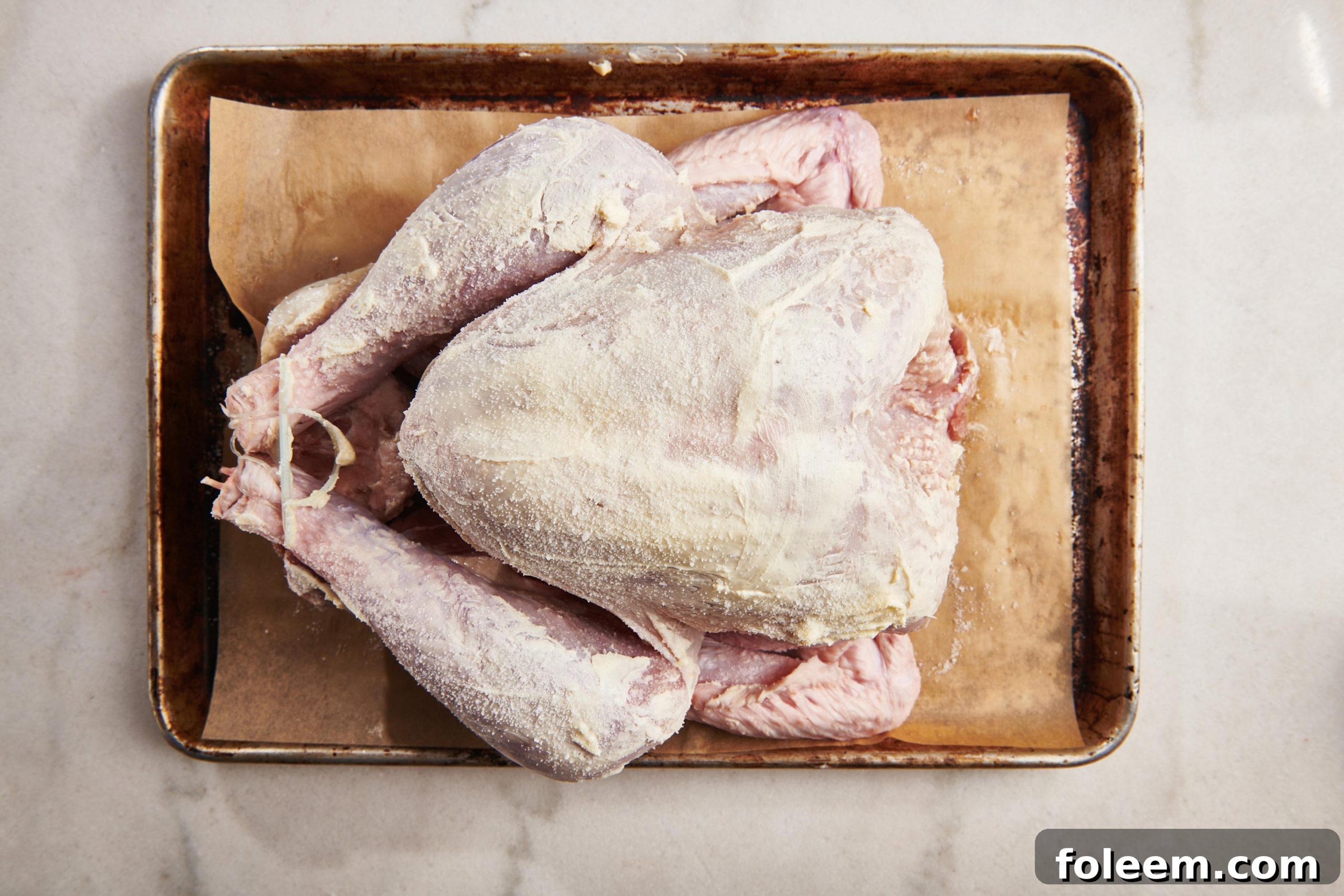
To truss: tuck the wing tips under the bird, then use kitchen twine to bring the legs together. Cross the drumsticks at the base, place the twine under the legs, bring it up and tie securely so the legs stay snug against the body.
FAQs
The turkey is safe when the internal temperature reaches 165°F. Use a meat thermometer and check the thickest part of the thigh and the breast, avoiding contact with bone. Because the temperature rises while the turkey rests, you can remove it from the oven at about 160°F and allow carryover heat to bring it to 165°F while it rests.
No. The USDA advises against rinsing raw poultry because it can spread bacteria around the sink and counters. Proper cooking to the safe internal temperature will eliminate harmful bacteria.
Yes. An untrussed turkey will roast fine, though wings and legs may cook faster than the breast. Trussing is simple and can help produce a tidier appearance and more even cooking for some cooks, but it’s optional.
What to Serve With Thanksgiving Turkey
Turkey Sausage Stuffing
Green Beans with Tarragon Vinaigrette
Sweet Potato Spoon Bread
More Thanksgiving Turkey Tips
- How to brine a turkey breast.
- How to cook a turkey breast.
- Recipes that use leftover turkey: casseroles, soups and more.
- How to safely thaw a frozen turkey.
- Easy roasted Thanksgiving turkey recipe.
- How to carve a turkey.