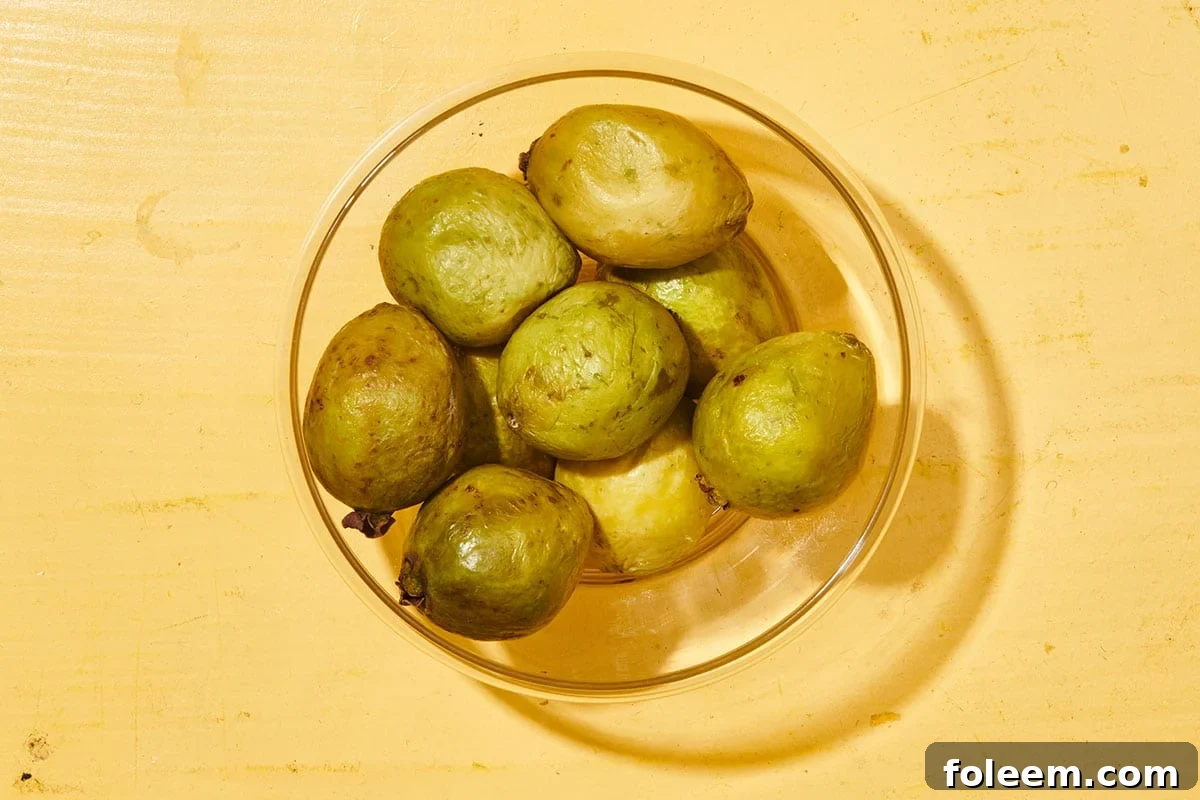
Guava is a tropical fruit commonly enjoyed fresh, in beverages, and in fruit salads. Native to Central America, the Caribbean, and northern South America, guava is now cultivated in many tropical and subtropical regions worldwide.
The flavor of guava is often described as a cross between pear and strawberry. Most varieties are sweet when ripe, though sweetness varies by type. Softer fruit is generally riper and sweeter.
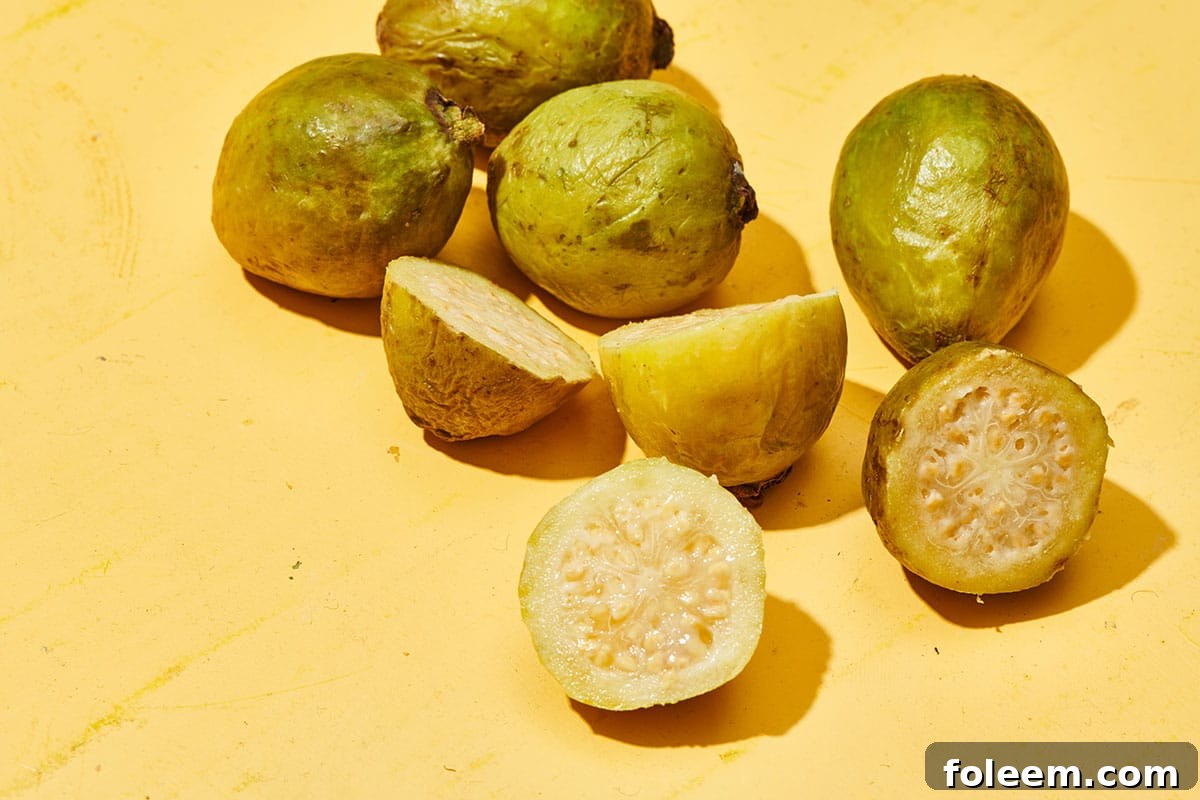
The entire guava is edible, including the skin and seeds. Flesh color ranges from white to pink to deep red. White-fleshed guavas tend to be denser and often contain higher vitamin C levels, while pink and red varieties are typically softer and have higher water content.
- FAQs
- Where to Find Guava
- How to Choose Guava
- How to Cook With Guava
- Substitutes for Guava
- How to Store Guava
FAQs
As guavas ripen they change from green to yellow and soften. The interior color varies from white to pink to deep red. The fruit is generally round, about the size of a baseball, and has a short stem. Pink guava is often called apple guava.
Spring is the primary season for many guava varieties, though harvest can extend into summer depending on the region and climate.
Guava is nutrient-dense: it provides vitamin C, vitamin A, potassium, calcium, iron, and fiber. The fiber supports digestion, and the fruit is often associated with heart-healthy benefits like helping to manage cholesterol.
Where to Find Guava
Fresh guava is typically available in the produce section of larger grocery stores and at farmers’ markets in warmer regions. Specialty markets that focus on Caribbean or Latin American produce often carry several varieties. You can also find guava products such as juice, fruit pulp, and paste in the beverage aisle or in international food sections.
How to Choose Guava
When selecting guavas, look for fruit that is fragrant and free of major bruises or blemishes. A ripe guava will yield slightly to gentle pressure and often shows a yellowish tint. Green guavas are unripe; leave them at room temperature to ripen. To speed ripening, place guavas in a brown paper bag with a banana for a day or two.
How to Cook With Guava
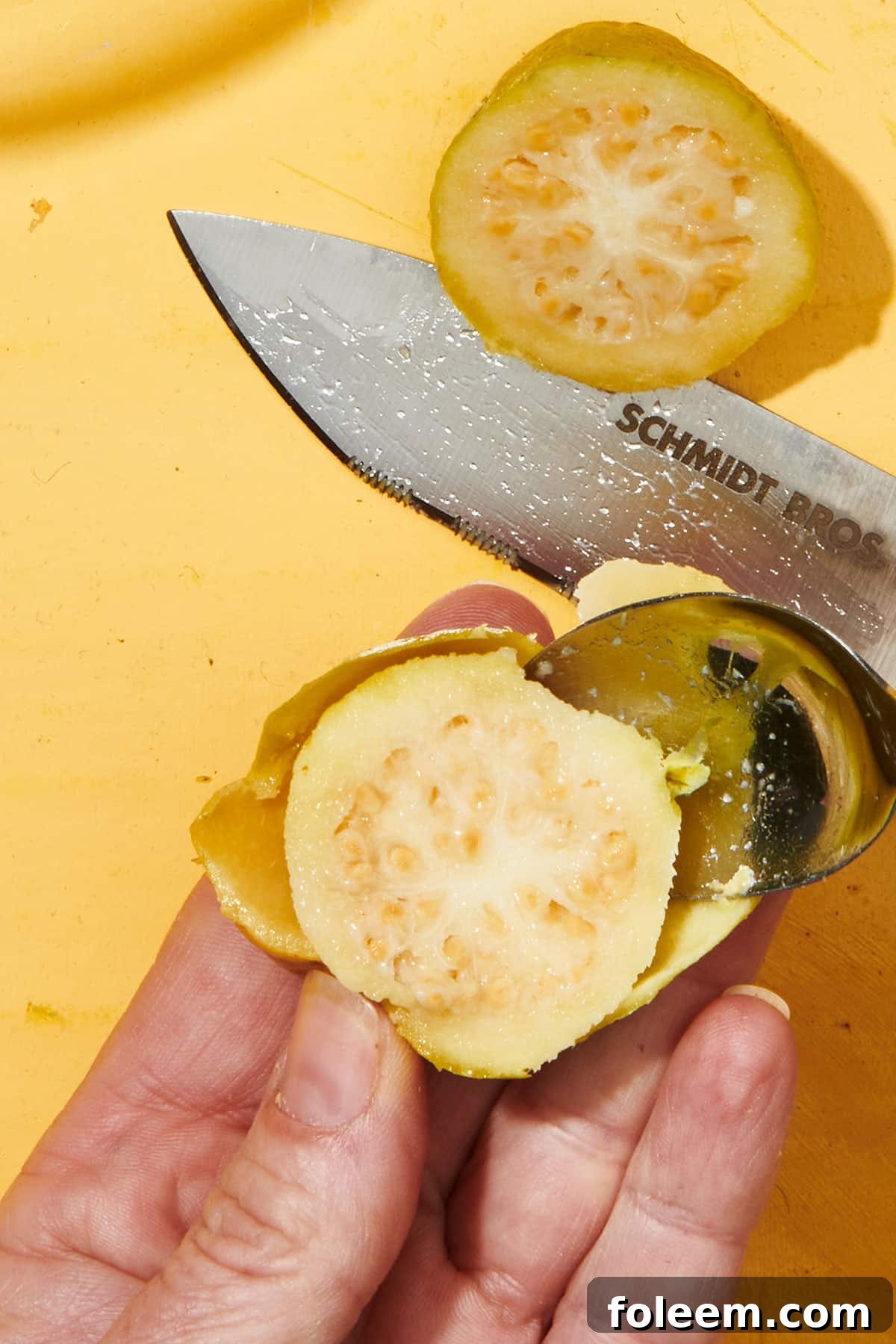
Guava is frequently eaten raw and pairs well with other fruits, spices, and cheeses. It brightens fruit salads, smoothies, and fresh juices. For a simple preparation, slice guava into wedges or scoop out the flesh to add to bowls and drinks.
To make a cooked guava paste or pulp, simmer whole or chopped guavas in water until tender. Pass the softened fruit through a mesh strainer to remove seeds and peel, then continue cooking to reduce and thicken. Because guava is high in pectin, it naturally sets into jams and jellies without excessive added thickener.
Guava paste is commonly used as a filling for pastries like empanadas, as a spread on toast, or paired with cheese on charcuterie boards. Its concentrated sweetness and firm texture make it versatile in both sweet and savory applications.
Substitutes for Guava
There is no exact substitute for guava’s unique flavor and texture, but several fruits can work in recipes when guava is unavailable. Strawberries, apricots, and pineapple each bring sweetness and acidity that can complement similar dishes. Expect differences in texture and flavor when substituting, and adjust sweetening and acidity as needed.
How to Store Guava
To maximize shelf life, store ripe guavas in the refrigerator’s produce drawer. Keep cut guava in an airtight container to prevent drying and odor transfer. Guavas also freeze well: place whole or sliced fruit in airtight, freezer-safe containers or zipper-top bags with excess air removed. Properly sealed, guava can be frozen for up to four months for use in smoothies, sauces, or cooking.