How to Cook Chayote: Delicious Recipes and Simple Techniques
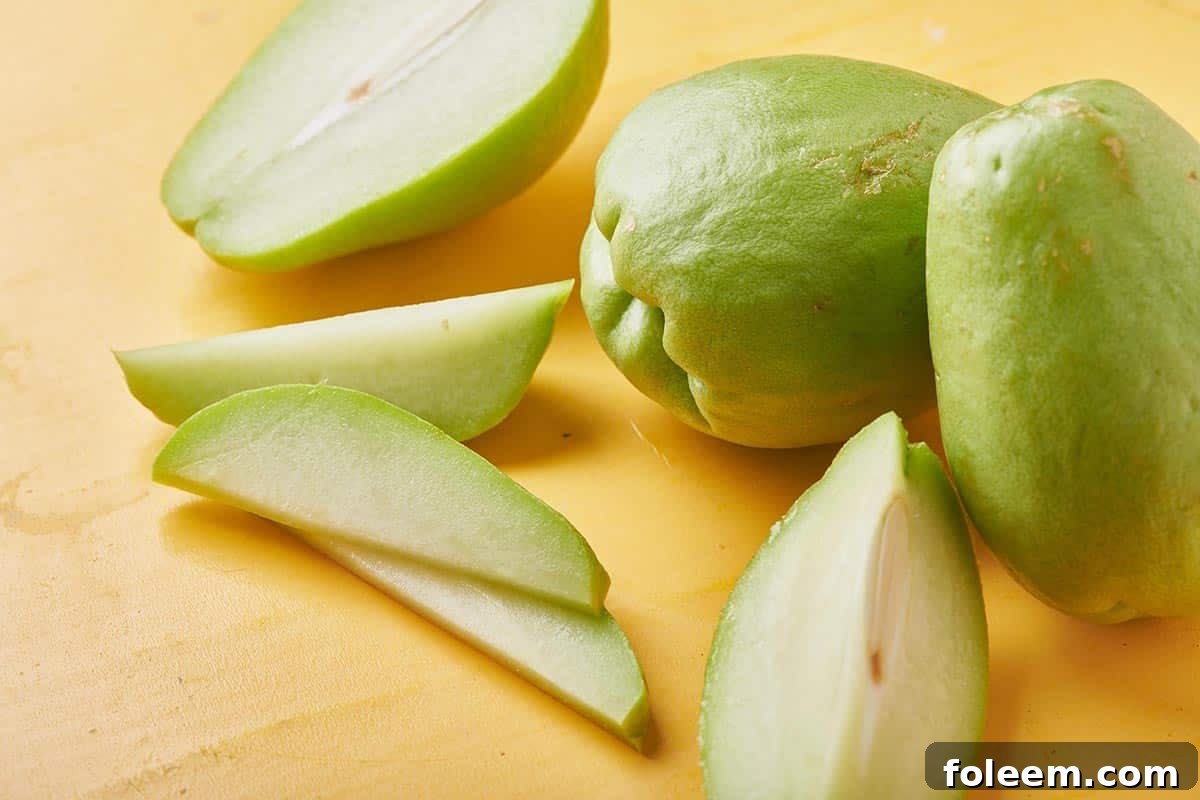
Chayote (pronounced “chai-oh-tay”) is a green squash originally from Mexico. Although botanically a fruit, it is used as a vegetable in cooking. Chayote has been cultivated in Central America for centuries and is widely used in Mexican and Guatemalan cuisines. In the United States it is most common in the Southwest but can be found in many grocery stores and farmers markets.
Also known as mirliton, choko, custard marrow, or vegetable pear, chayote has a mild, versatile flavor. Below is an easy, healthy recipe for Stewed Chayote with Tomatoes to help you start cooking with it.
- What Does Chayote Look Like?
- What Does Chayote Taste Like?
- Where to Find Chayote
- Chayote Substitutes
- How to Eat Chayote
- Storing
- Stewed Chayote with Tomatoes
- Stewed Chayote with Tomatoes Recipe
What Does Chayote Look Like?
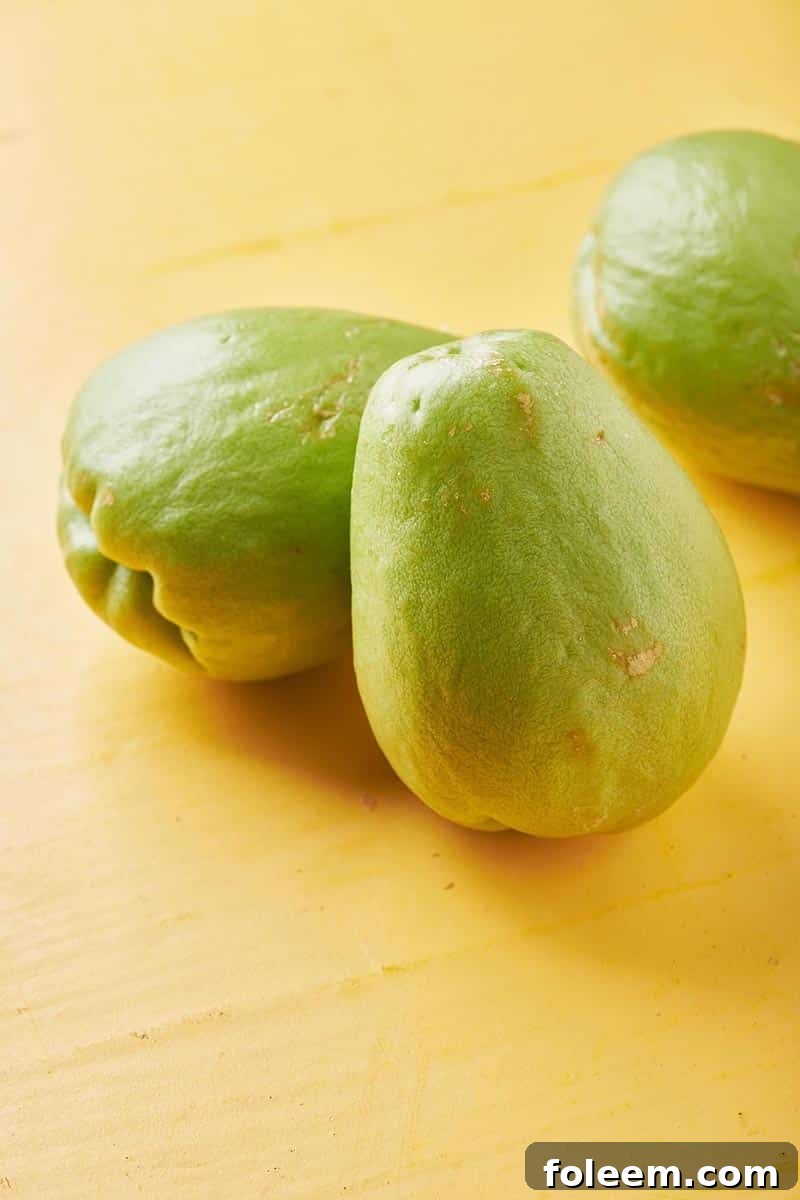
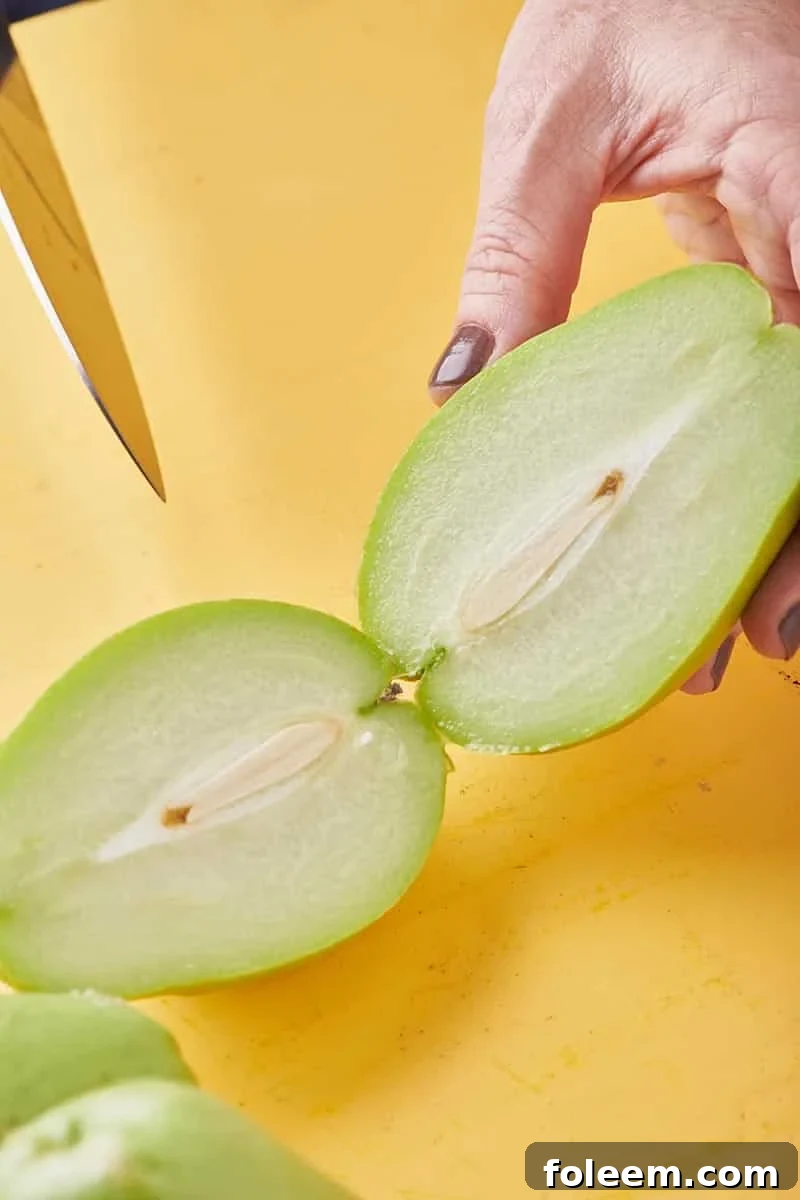
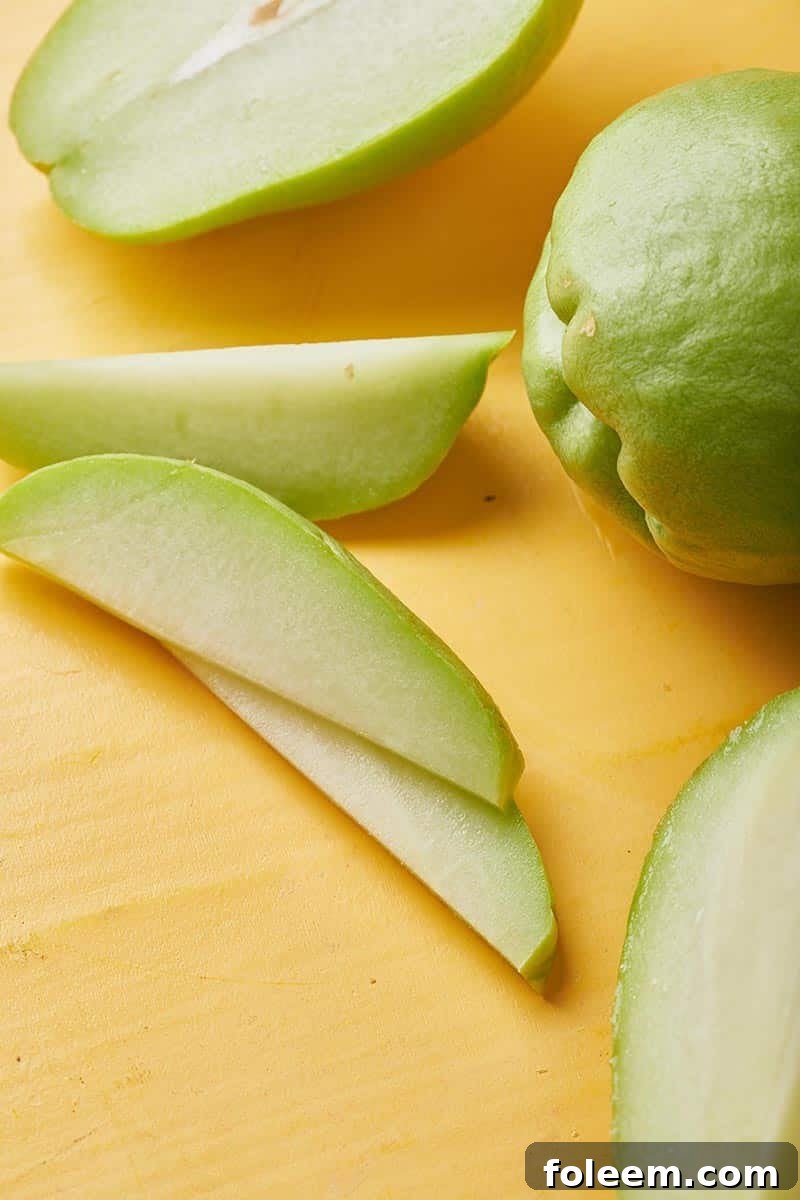
Chayote is typically light to bright green with thin skin and measures around 4–6 inches long, often weighing about 8 ounces. Its shape is vaguely pear-like, though irregular, and the skin can be bumpy or slightly hairy. U.S. varieties are often smoother and more pear-shaped. Inside, a pale green flesh surrounds a single seed; that seed is edible, though some people prefer to remove it. When selecting chayote, choose firm specimens without soft spots or blemishes.
How to Cook Chayote: Chayote is a squash that originated in Mexico. Here’s everything you need to know about how to buy, store, and cook with chayote squash.
What Does Chayote Taste Like?
The flavor of chayote is very mild—often described as a cross between apple and cucumber but subtler than either. Its texture is crisp and juicy, similar to jicama when raw. Because of its neutral taste it easily absorbs seasonings and pairs well with many ingredients.
Where to Find Chayote
Chayote is most abundant where it is grown, especially in the southwestern U.S., but many supermarkets carry it year-round. Farmers markets often offer chayote when in season. Peak season runs roughly October through March, though availability can vary by region.
Chayote Substitutes
Zucchini or other summer squash is the most convenient substitute; it has a comparably mild flavor and similar texture when cooked. Green (unripe) papaya can also work in some preparations. In a few recipes, chayote has been used as a stand-in for apples where a firmer, less sweet texture is desired.
How to Eat Chayote
Chayote can be eaten raw—sliced or grated into salads—or cooked. The skin is edible but often peeled for texture and appearance. Cook chayote like other squash: roast, sauté, steam, boil, fry, or stew. Roasting will bring out sweetness through caramelization; quick sautés and stews preserve a crisp-tender texture. The simple stewed chayote with tomatoes below is an easy, everyday side dish.
Storing
Store chayote in an airtight bag or container in the refrigerator to prevent drying; it will keep up to a month. For longer storage, blanch peeled and sliced chayote in salted boiling water for about 2 minutes, plunge into ice water, drain, and freeze in airtight freezer bags for several months.
Stewed Chayote with Tomatoes
This classic, simple preparation stews chayote with onion, garlic, and tomatoes. It takes about 30 minutes total, is low in fat and calories, and works as a vegan side that pairs with many mains. The recipe keeps flavors basic so it can complement a wide range of dishes.
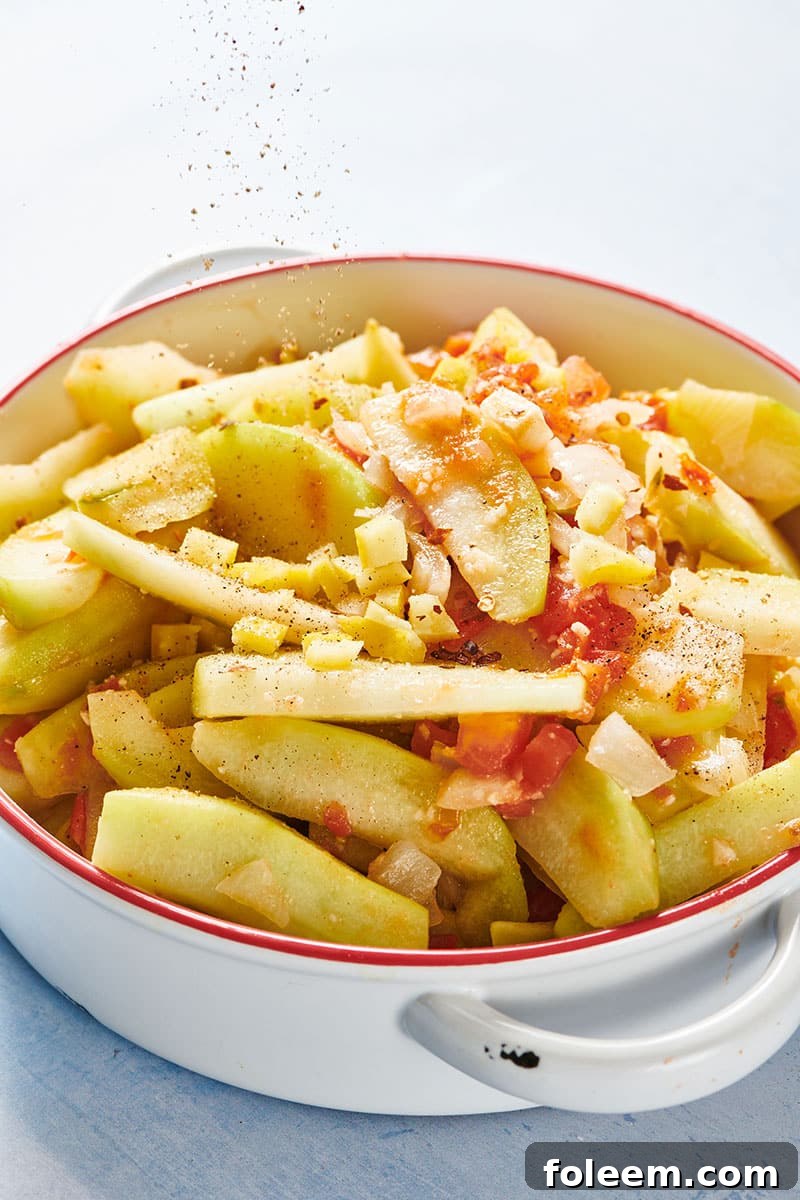
This version follows the familiar Mexican-style approach: briefly boil the chayote in salted water, then sauté with onions and garlic and finish with tomatoes and a little water to make a light sauce. Keep the chayote slightly crisp-tender for the best texture.
Chayote (also called vegetable pears or mirliton) becomes a very simple side when stewed with tomatoes in this four-ingredient vegan recipe.
Ingredients
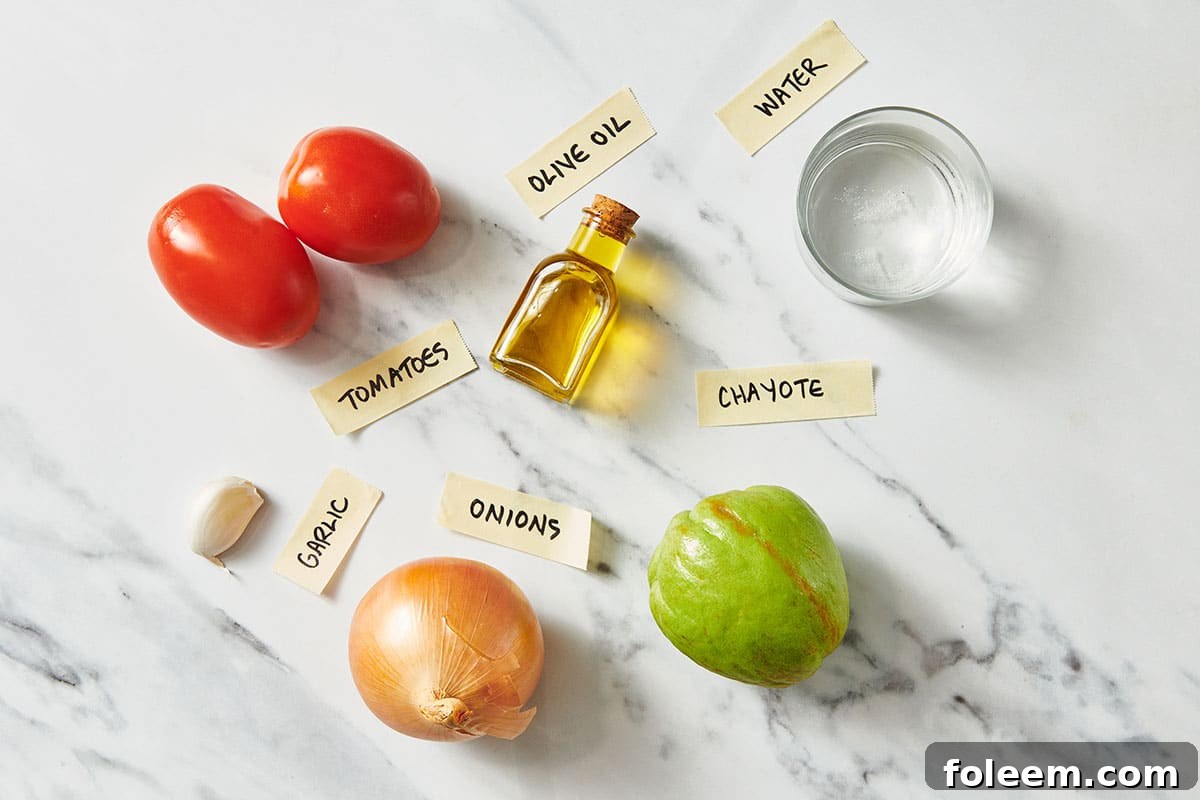
Simple pantry ingredients make this an easy side dish.
Kosher salt – for seasoning the boiling water and the finished dish.
Chayote – choose firm, unbruised chayote. Peel before slicing.
Olive oil – for sautéing.
Onion – diced.
Garlic – minced.
Tomatoes – cored, seeded, and diced.
Freshly ground black pepper – to taste.
Variations
Chayote’s mild flavor accepts many variations. Try any of the following to change the character of the dish:
- Add 1 teaspoon of chili powder with the onions for warmth.
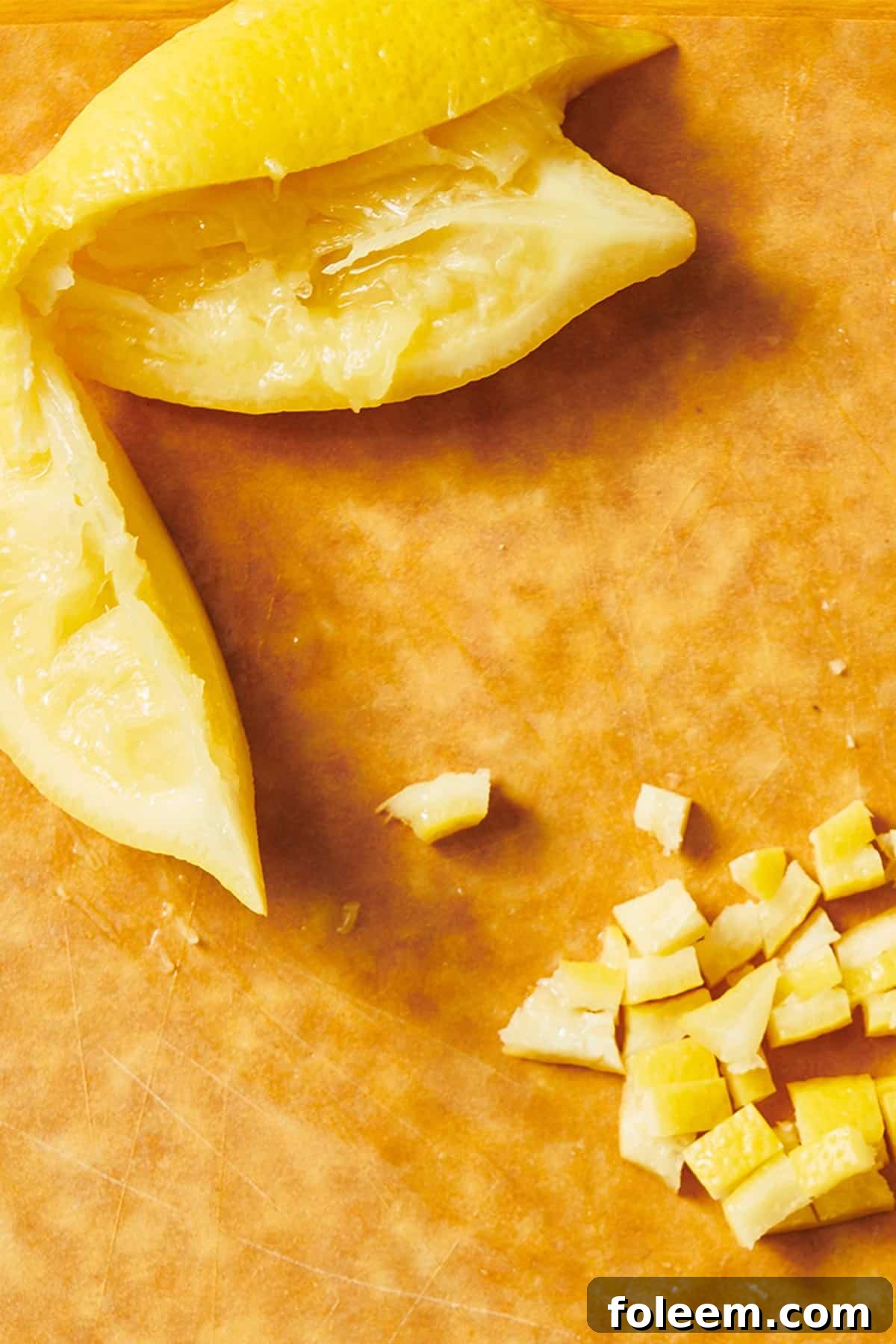
- Stir in diced preserved lemon at the end for bright, tangy contrast.
- Use a splash of white wine instead of some or all of the water when finishing.
- Add a chopped mild chile, like an Anaheim, with the onions for mild heat.
- Stir in a spoonful of chipotle in adobo for smoky heat.
- Finish with chopped cilantro or parsley for freshness.
- Grate lemon zest over the finished dish for brightness.
What Goes With Stewed Chayote with Tomatoes?
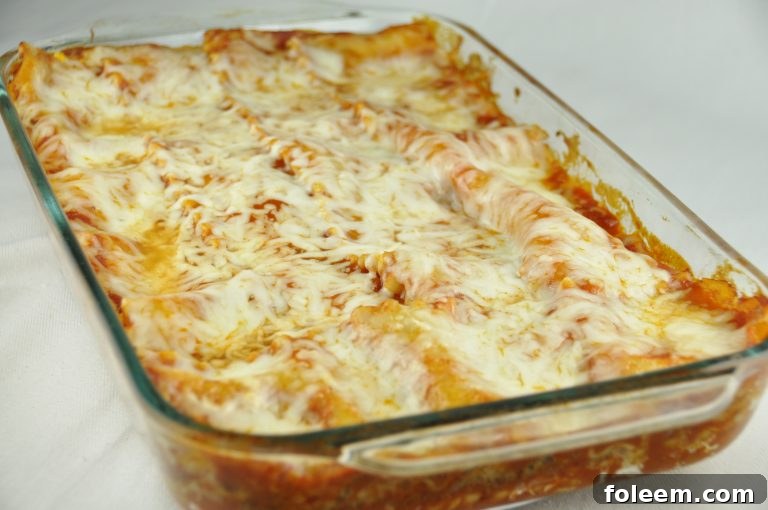
This mild, versatile side pairs well with many mains, especially Mexican-inspired dishes, but also with grilled meats, roasted vegetables, or grain salads. Use it alongside tamale pie, vegetarian Mexican lasagna, grilled steaks, cilantro-lime chicken, or pork carnitas, or serve it with plain rice or quinoa for a simple meal.

Stewed Chayote with Tomatoes
Ingredients
- Kosher salt (to taste)
- 6 chayote
- ¼ cup olive oil
- 1 large onion (diced)
- 1 tablespoon minced garlic
- 2 tomatoes (cored, seeded, and diced)
- ½ cup water
- Freshly ground black pepper (to taste)
- Chopped fresh parsley (to garnish, optional)
Instructions
-
Bring a large pot of salted water to a boil. Meanwhile peel the chayote, quarter them, remove the central seed if desired, and slice into 1/4-inch pieces. Add the slices to the boiling water and cook for 5 minutes, then drain.
-
While the chayote is boiling, heat the olive oil in a large skillet over medium heat. Add the diced onion and cook, stirring, about 5 minutes until it softens. Add the garlic and cook another minute until fragrant. Add the drained chayote, tomatoes, and 1/2 cup water. Bring to a simmer, then cover and cook over low heat about 10 minutes until the chayote is just tender. Season with salt and freshly ground pepper and serve warm.