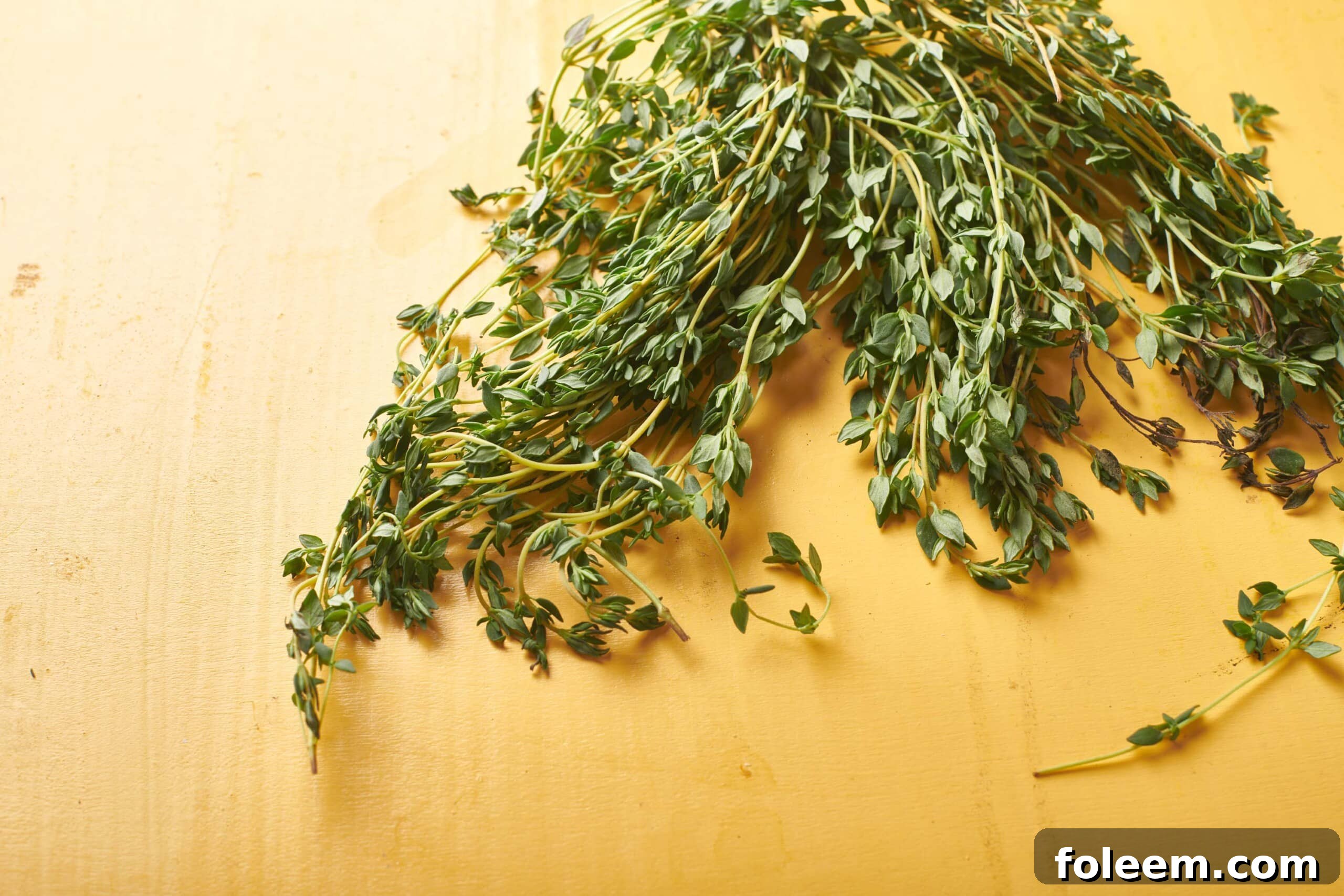
Thyme is a beloved culinary herb for good reason. Its sturdy sprigs carry tiny, tender leaves that almost melt into sauces and stews. With a woodsy, slightly floral aroma, thyme is versatile across all seasons: stir fresh thyme into a simple beef stew or the creamy sauce for cheesy au gratin potatoes in cold months, or sprinkle it raw over sliced tomatoes and grilled vegetables in summer. Fresh thyme also brightens marinades and dressings like a citrus, honey, and thyme vinaigrette.
Thyme is a classic for a reason: it’s a lovely garnish on roasted chicken and a pretty finishing touch on cheese boards. If you enjoy working with fresh herbs, you’ll find similar tips for parsley, oregano, mint, and rosemary helpful.
- What Is Thyme?
- What Does Thyme Look Like?
- What Does Thyme Taste Like?
- How to Substitute Dried Thyme for Fresh Thyme
- Substituting Other Herbs for Thyme
- Where To Find Thyme
- How to Choose Fresh Thyme
- How To Prepare and Cook with Thyme
- How to Remove Thyme Leaves from the Stem
- How to Chop Fresh Thyme
- How to Cook with Fresh Thyme
- How to Store Thyme
- 10 Thyme Recipes
- More Recipes With Fresh Herbs
- How to Chop Thyme Recipe
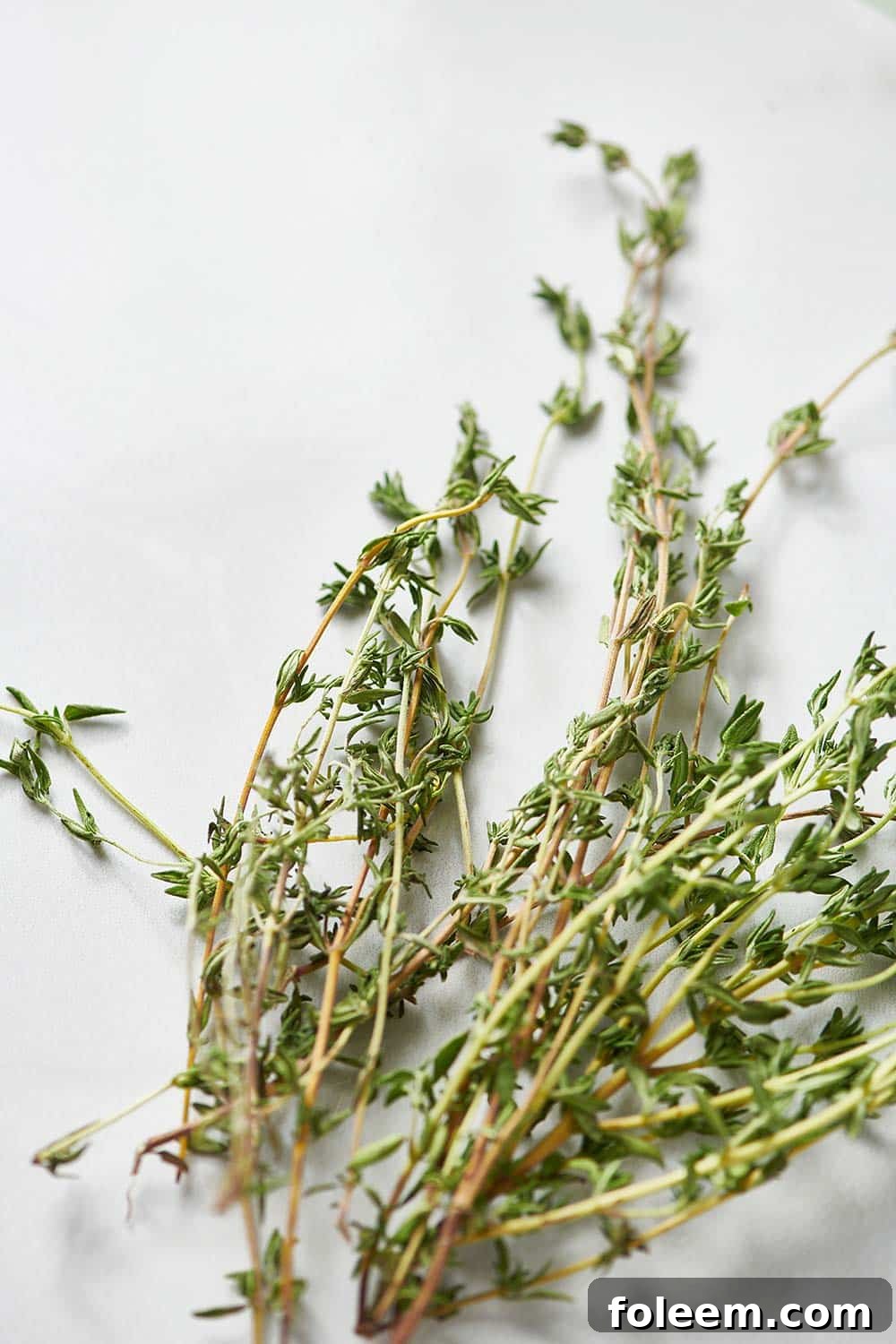
How to Cook with Thyme: Everything you need to know about buying, storing, preparing, and cooking with fresh thyme — plus how to chop thyme leaves and 10 great thyme recipes.
What Is Thyme?
Thyme is an aromatic herb used in many cuisines around the world, most notably in Mediterranean cooking from Italy and France. Historically it was prized by ancient Romans as a symbol of courage and strength. Dried thyme is a key component of blends such as Herbes de Provence and the Middle Eastern spice mix za’atar.
What Does Thyme Look Like?
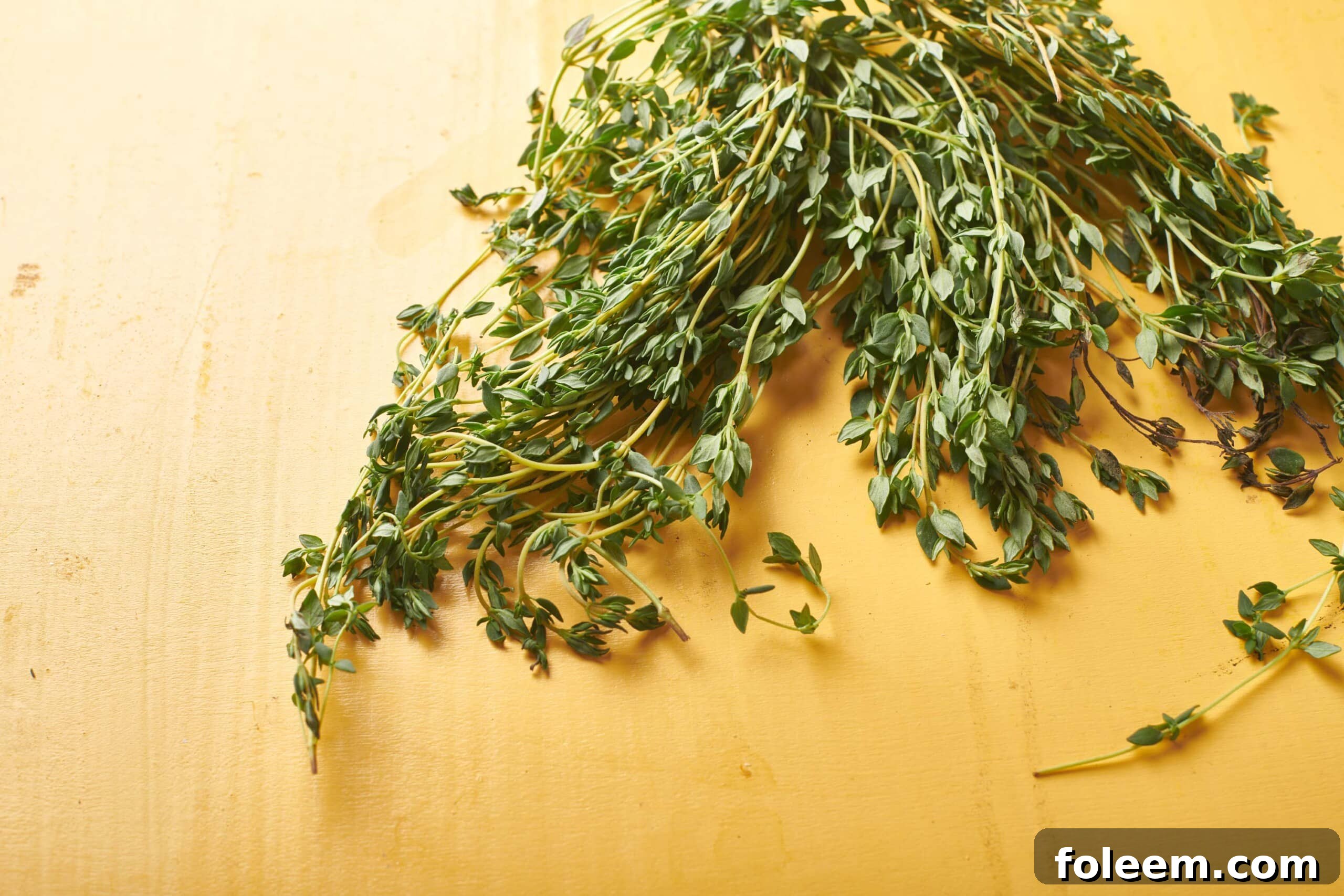
Fresh thyme has very small leaves that grow in clusters on thin, woody stems. Dried thyme leaves are even smaller and flatter after dehydration.
What Does Thyme Taste Like?
Thyme has a concentrated, herbal flavor with grassy, woodsy, and floral notes. Dried thyme and fresh thyme are similar in taste, though dried herbs are more potent. Lemon thyme is a common variety that carries a subtle citrus note.
How to Substitute Dried Thyme for Fresh Thyme
For cooked dishes, use dried thyme in a 1:3 ratio to fresh: 1 teaspoon dried equals 1 tablespoon fresh. For uncooked preparations where thyme is featured raw, dried thyme may not be an adequate substitute; consider another fresh herb or omit the herb if fresh thyme isn’t available.
Substituting Other Herbs for Thyme
Though thyme has a distinctive profile, rosemary, sage, basil, oregano, or marjoram can often be used in its place depending on the recipe. Rosemary and sage are stronger, so use them more sparingly and adjust to taste.
Where To Find Thyme
Fresh thyme is sold in the produce section of most supermarkets and at farmers markets, and it grows easily in containers or herb gardens year-round. Dried thyme is available with other dried herbs and spices. Thyme thrives in a sunny spot with well-drained soil and prefers to dry slightly between waterings.
How to Choose Fresh Thyme
Choose bunches or containers with vibrant green leaves and avoid sprigs with browned, wilted, or damp leaves. Fresh thyme is often sold in small clamshells or bundled bunches.
How To Prepare and Cook with Thyme
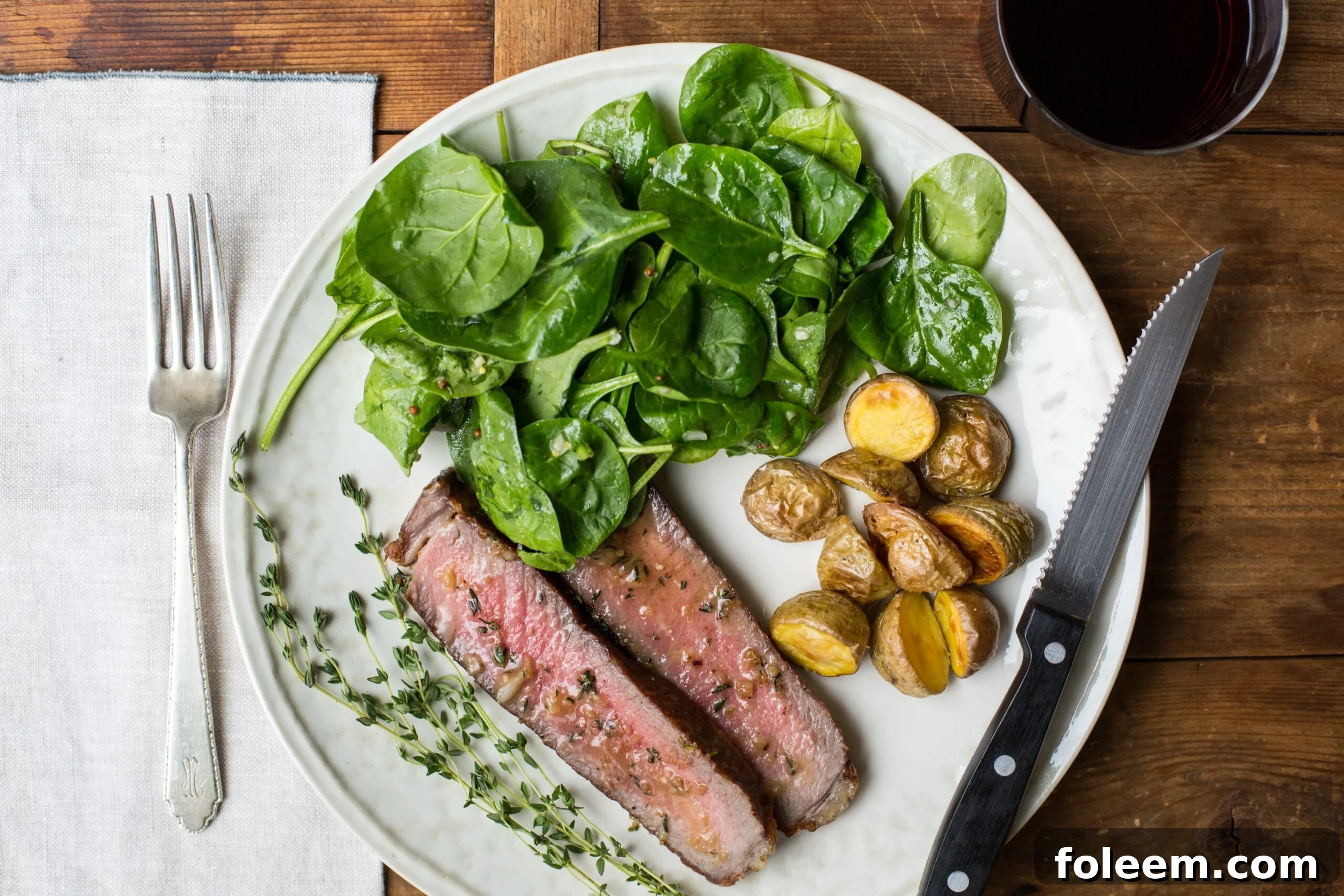
Thyme pairs beautifully with meats, stews, soups, eggs, pastas, vegetables, and beans. It’s an essential herb for roast chicken and works well with fish and many potato dishes. Add it to lasagna, roasted vegetables, or braises to introduce a floral, woodsy note.
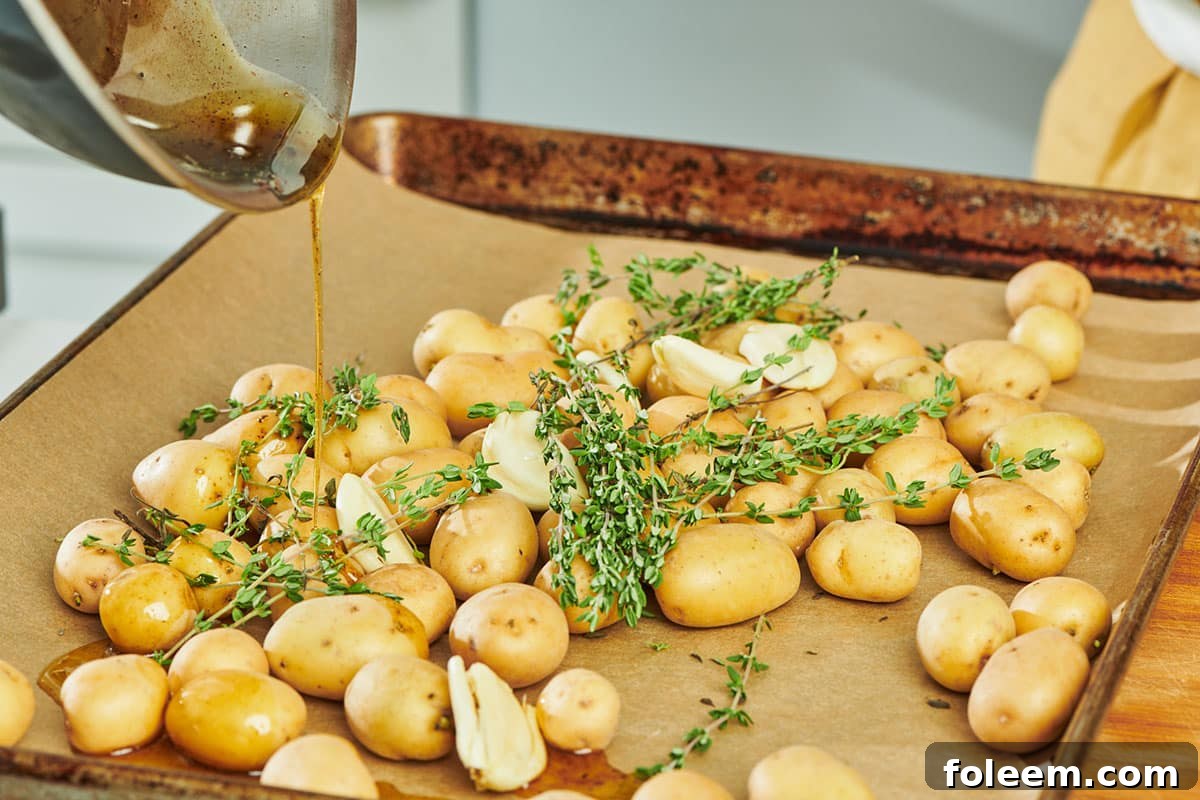
If a recipe calls for a whole sprig of thyme, leave the leaves on the stem while cooking; the leaves will fall off during cooking and the stem can be discarded before serving. If the recipe specifies a measured amount of fresh thyme (for example, a teaspoon), strip the leaves from the stem before measuring.
How to Remove Thyme Leaves from the Stem
To strip thyme leaves, hold the top of the sprig and slide your fingers down the stem against the direction of growth; most leaves will come off. Pluck any remaining leaves by hand. Fresh thyme leaves are tiny and often don’t need further chopping.
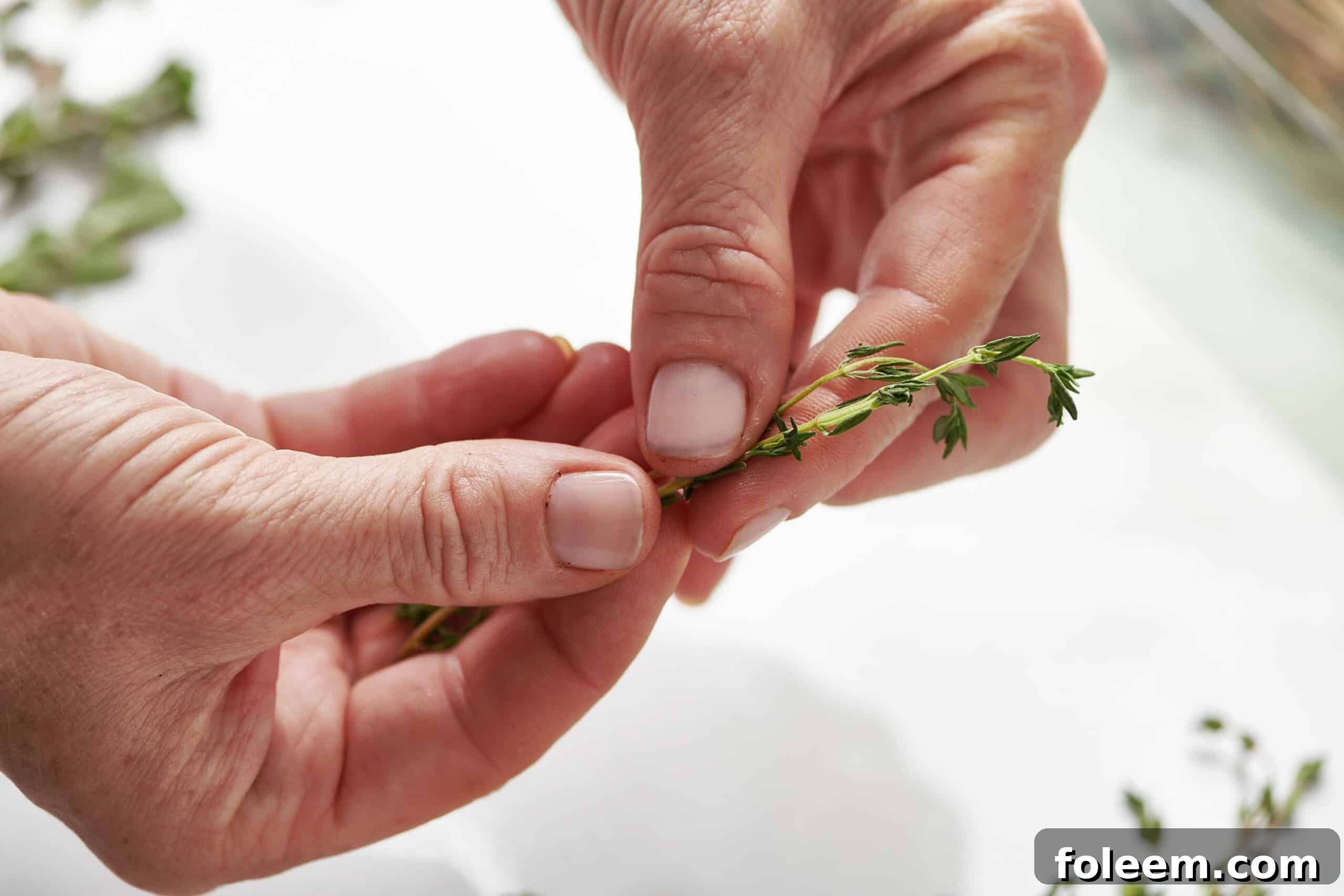
How to Chop Fresh Thyme
Place the stripped leaves on a cutting board and use a sharp chef’s knife, rocking it back and forth, to chop them to the desired size. Small bits of thin stem are acceptable, but discard any thick, woody stem pieces. An herb stripper can speed leaf removal by pulling the stem through a slot sized to the stem.
How to Cook with Fresh Thyme
Thyme is hearty and can be added early in cooking; its flavor holds up and deepens with heat. As a starting point, use 2–3 sprigs for a dish serving four, or about 1 teaspoon of stripped leaves. Thyme’s assertive character means you can always add more to taste.
How to Store Thyme
To keep fresh thyme for about a week, wrap it in a slightly damp paper towel and place it in a sealed plastic bag or container in the crisper drawer. For longer storage, strip leaves from stems, spread them on a baking sheet, freeze until solid, and transfer to a freezer-safe bag (keeps up to six months). You can also freeze whole sprigs and strip them while frozen — the leaves often come off more easily. Store dried thyme in a sealed container in a cool, dry place.
10 Thyme Recipes
Here are recipes that showcase fresh or dried thyme.

Chopped Salad with Chicken, Tomatoes, and Lemon Thyme Dressing
Ribeye Steaks with Thyme-Garlic Butter

Eye of Round Roast Beef
Red Salad with Citrus, Honey, and Thyme Vinaigrette

Baked Bone-In Chicken Breasts

Easy Classic Potato Salad
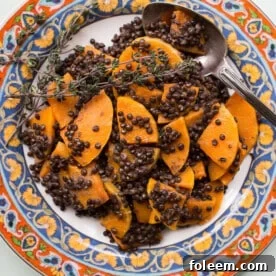
Black Lentil and Butternut Squash with Provencal Vinaigrette

Mediterranean Lamb Shoulder Chops

Traditional Beef Stroganoff
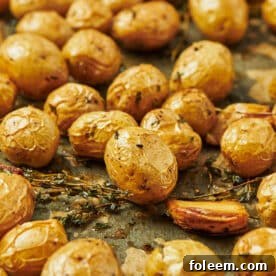
Duck Fat Roasted Potatoes
More Recipes With Fresh Herbs
- Easiest Herb Dip Ever
- Herbed Mayonnaise
- Herb Mashed Potatoes
- Orange and Herb Orzo
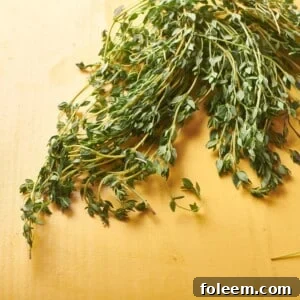
How to Chop Thyme
Equipment
- 1 herb stripper (optional)
Ingredients
- 8 sprigs fresh thyme
Instructions
-
Run your fingers down each stem, holding the top and sliding your fingers against the growth of the leaves to remove as many leaves as possible. Pluck any remaining leaves from the stems. Avoid including thick, woody stem pieces.
-
Place the leaves on a cutting board and use a sharp chef’s knife to chop them, rocking the blade back and forth until they are as coarsely or finely chopped as your recipe requires.
Notes
It’s fine if some small, thin stem pieces remain with the leaves, but remove any thick, woody stems.
Alternatively, an herb stripper speeds the process: insert the stem into a slot slightly wider than the stem and pull it through. The leaves will come off as you pull.