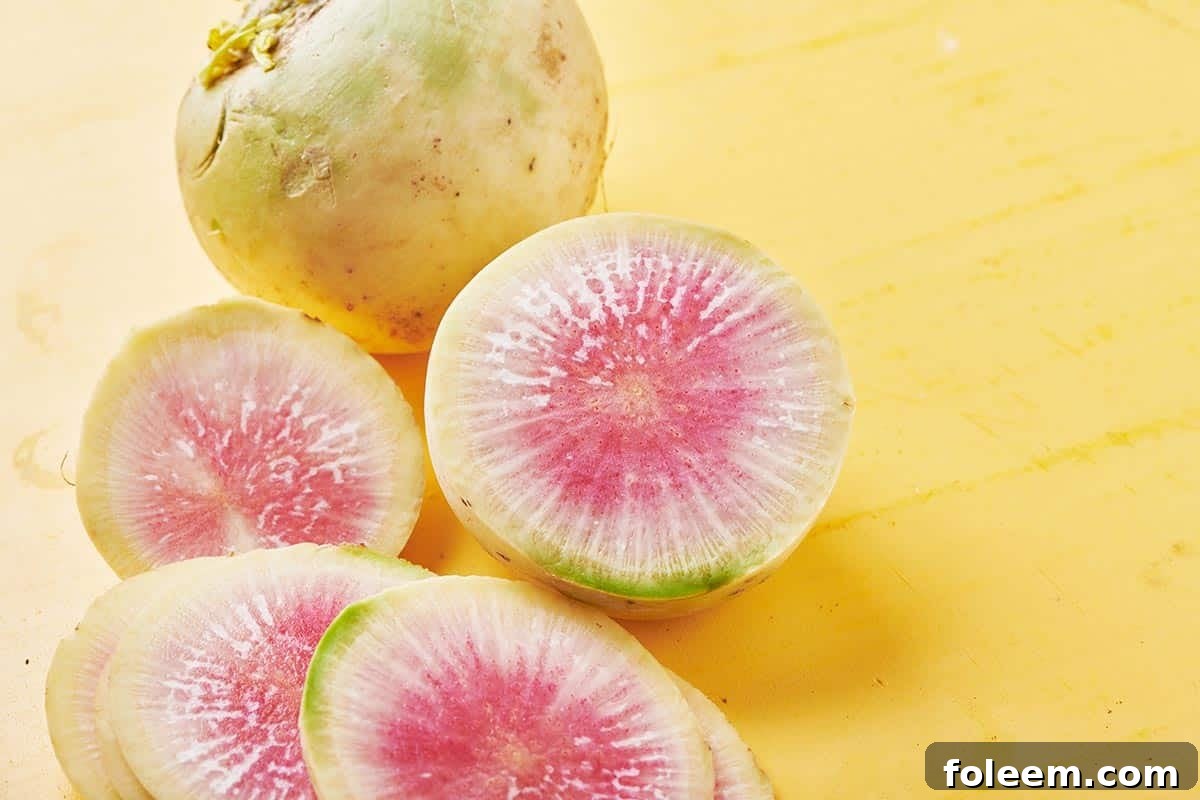
Watermelon radishes are named for their striking coloring: a muted green exterior and a vivid pink to red interior, much like a miniature watermelon. An heirloom variety of the Chinese daikon and a member of the mustard family, watermelon radishes were first cultivated in China and are now grown wherever other root vegetables thrive.
In the U.S., you can find watermelon radishes at well-stocked supermarkets, specialty food stores, and farmers markets. Their peak season runs from early fall through spring, so look for them at farm stands and market stalls during those months. In grocery stores they’re usually placed with other radish varieties.
- What Does Watermelon Radish Taste Like?
- How to Use Watermelon Radish
- Pickled Watermelon Radishes
- Recipes with Radishes
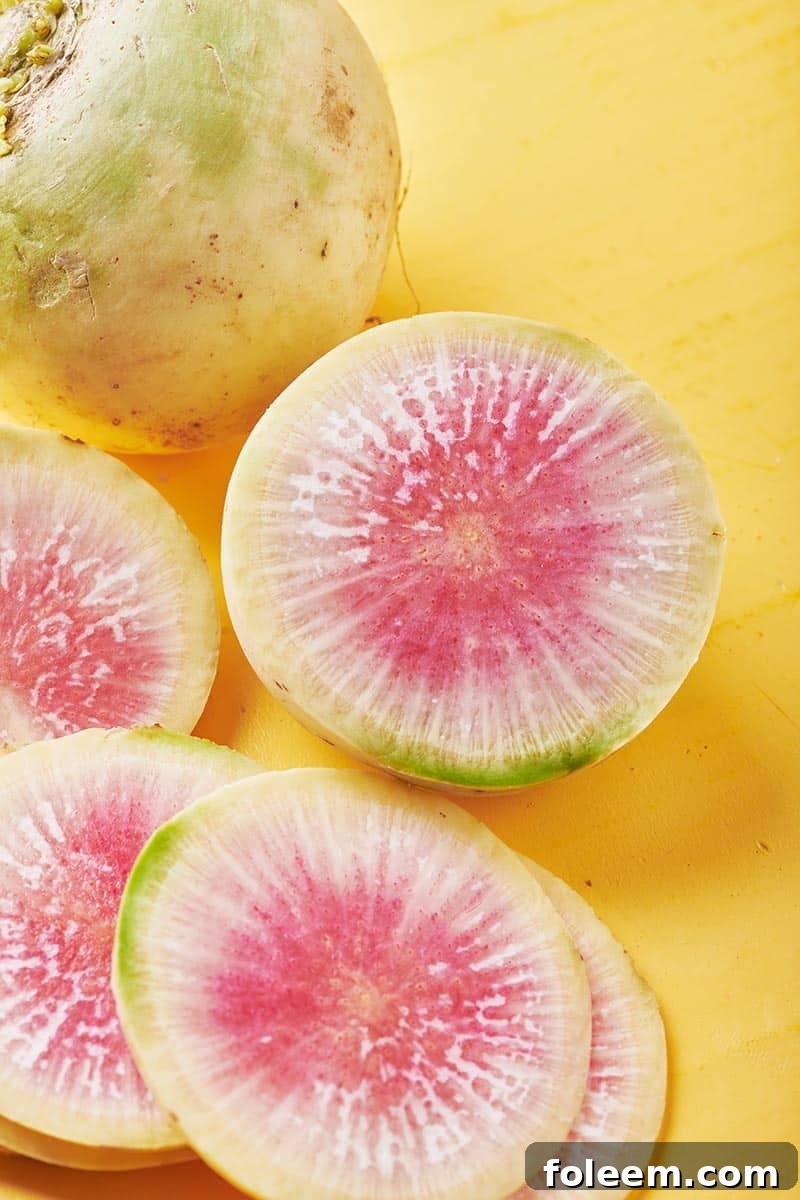
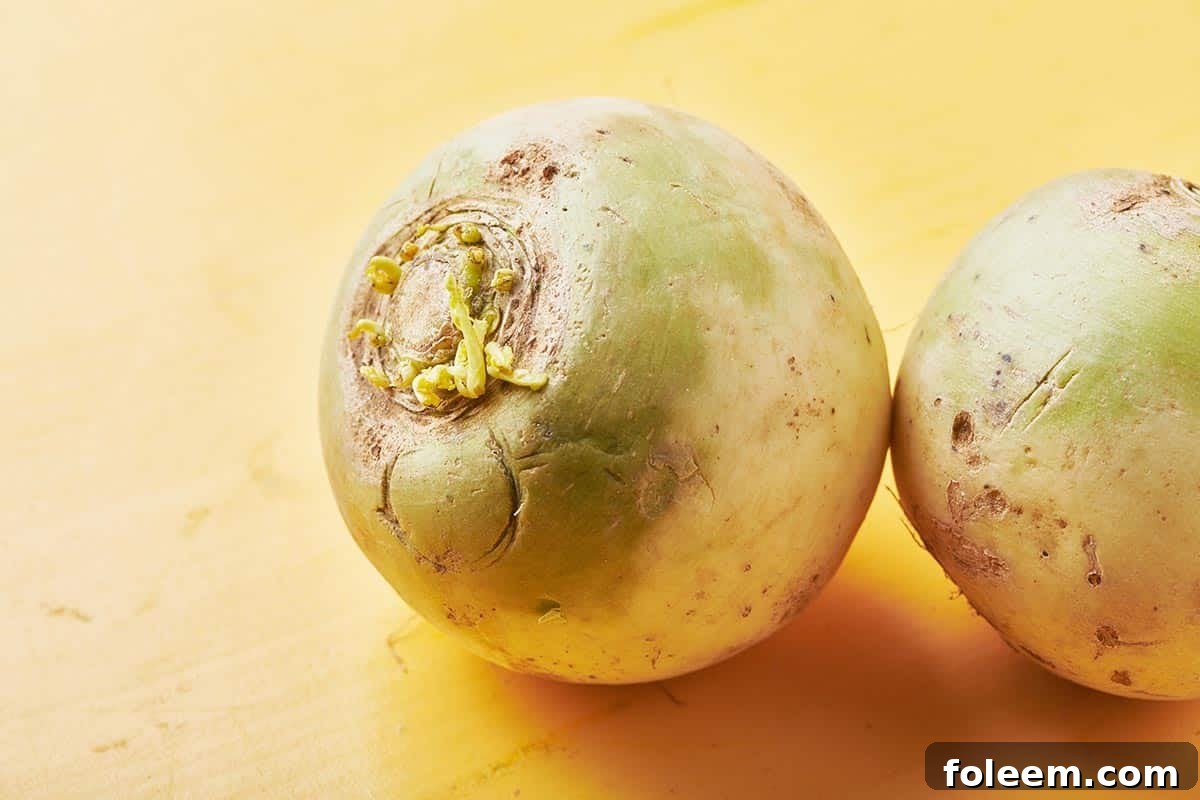
From the outside, watermelon radishes look plain: round, with a beige or pale green skin that can be rough but is entirely edible. They vary in size from small, golf-ball-sized roots to ones nearly as large as a tennis ball. The skin contains nutrients—antioxidants, vitamins, and minerals—so there’s no need to discard it if it’s clean.
The interior delivers the surprise: an outer pale-green rim and a vibrant center that ranges from deep pink to red or even a tie-dye mix of pink and white. When selecting watermelon radishes, pick ones that feel heavy for their size and avoid any that are soft or spongy.
What Does Watermelon Radish Taste Like?
Despite the name, watermelon radishes do not taste like watermelon. Their flavor is typical of radishes: mildly sweet with a peppery, crisp bite. Intensity varies by size and growing conditions—larger roots often have a stronger, sharper heat while smaller ones are milder and more delicate.
Watermelon radishes substitute easily for other radish types—classic red radishes, daikon, Korean radishes, or black Spanish radishes—or for other crunchy vegetables like carrots or jicama when texture matters more than color. For visual impact, however, few vegetables match the vivid interior of a watermelon radish.
How to Use Watermelon Radish
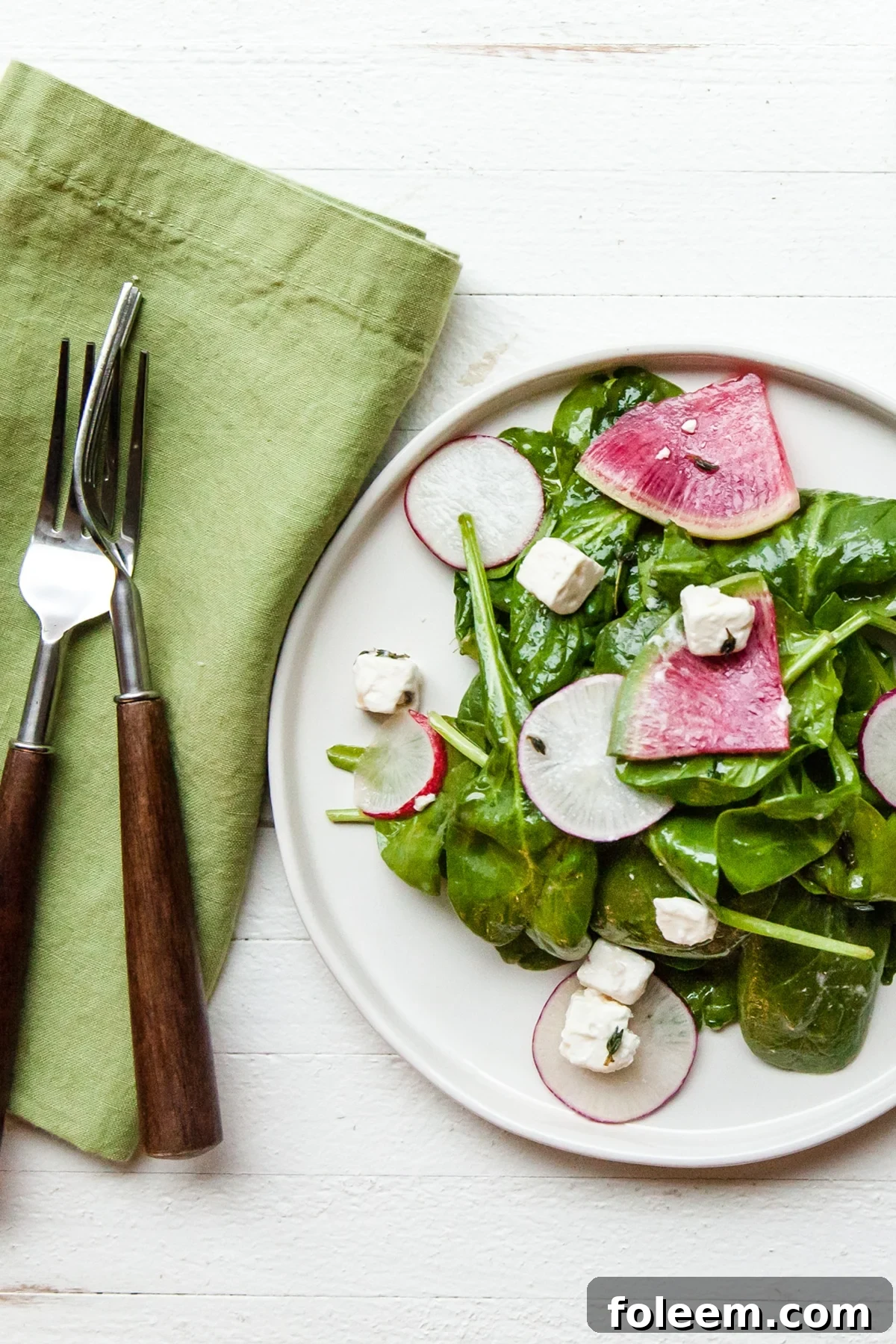
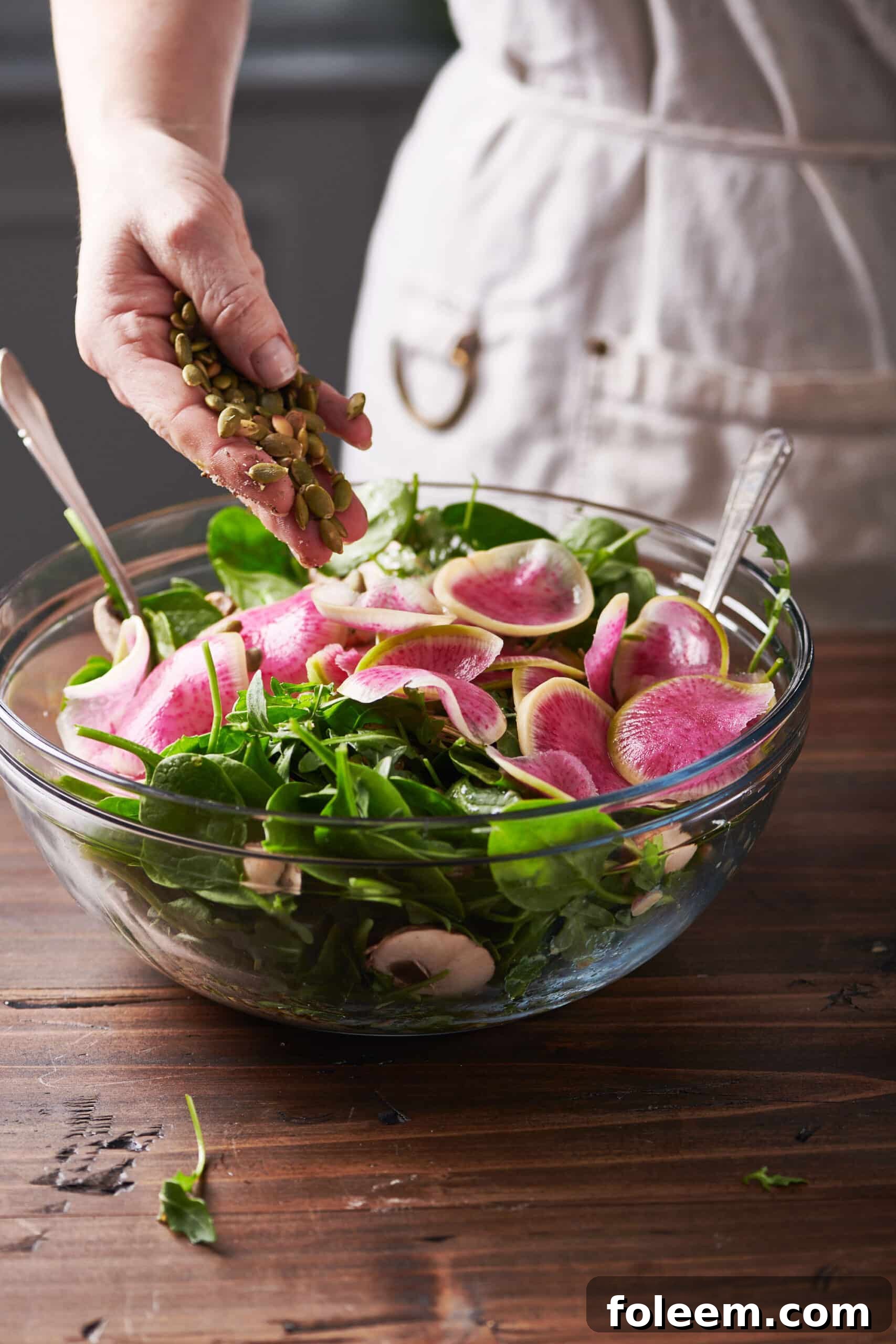
Watermelon radishes are versatile. Eat them raw, pickle them, or roast them for a softer, milder side. Thin raw slices add color and peppery crunch to salads and sandwiches; thicker slices work well on vegetable platters for dipping. Chefs and food photographers favor them for their dramatic appearance, and they’re commonly used in trendy restaurant dishes and magazine spreads.
To store, remove the greens and keep the roots in a breathable container in the refrigerator; they should stay crisp for a few weeks. When roasting, cube the radishes, toss with olive oil and seasonings, and roast at 425°F (220°C) for 10 to 20 minutes. Note that cooking will mellow their spice and may fade some of their bright color.
Pickled Watermelon Radishes
Pickled watermelon radishes are quick and flavorful. Wash and thinly slice the radishes, then pack them into a sterilized jar. In a small saucepan combine ½ cup distilled white vinegar, ½ cup water, 1 teaspoon salt, and 1 teaspoon sugar. Bring to a boil and simmer briefly until the salt and sugar dissolve, about one minute. Remove from heat, add two peeled garlic cloves and ½ teaspoon lightly crushed peppercorns, then pour the hot brine over the radishes in the jar. Let cool to room temperature, then refrigerate for at least one day. Properly stored, pickled radishes keep for several weeks and are excellent on tacos, salads, sandwiches, and more—used sparingly, as they can be quite pungent.
Also See How to Cook:
- Sugar Snap Peas
- Sweet Potatoes
- Shallots
- Spaghetti Squash
- Tomatoes
- Hatch Chiles
- Ramps
Recipes with Radishes
Watermelon radishes work anywhere a radish is called for. Their color makes simple preparations feel special—try them with compound butter, in a spinach and feta salad, or tossed into a hearty winter salad.