
Even if you don’t mind going to the store, most of us want to shop more efficiently. Fewer trips to the supermarket save time, money, and stress—and leave you more time to cook. Getting organized for a single big weekly shop can create order at home and make meal planning feel manageable. When you master the rhythm of The Big Supermarket Shop, you’ll find it easier to keep your kitchen stocked and your week running smoothly.
- Weekly Food Shop
- 6 Tips for Grocery Shopping Once a Week
- More Supermarket Shopping Tips

Weekly Food Shop
The idea of a big weekly food shop can feel overwhelming, but the benefits are clear. Once you get into the habit, you may even stretch it to every two weeks by choosing and storing items smartly. Planning allows you to buy the right fresh produce, freeze surplus items, and reduce last-minute store runs. In short: the effort you put into one substantial trip pays back throughout the week.
Getting organized for one big weekly market trip will save you time, money, and unnecessary last-minute dashes to the grocery store.
6 Tips for Grocery Shopping Once a Week
Use the following practical tips to plan, shop, and store smarter so the week ahead runs more smoothly.
1. Make a master list.
Create a master shopping list with items you regularly use, organized by supermarket section—produce, dairy, baking, frozen, and so on. A categorized list saves time in the store and prevents backtracking in the aisles. Keep the list on your computer or phone so you can update it easily as needs change.
2. Check your list before you hit the market.
Before you go, compare the master list with the contents of your fridge, freezer, and pantry. Remove items you already have and add anything that’s running low. This prevents duplicate purchases—no more buying a second carton of milk because you weren’t sure if you had any left—and helps control the grocery bill.

3. Meal plan before you shop.
Plan your meals for the week before shopping. Choose the recipes you’ll make, then add the necessary ingredients to your master list under the correct categories. Meal planning reduces wasted ingredients, shortens prep time each day, and helps you shop with purpose.
4. Organize your pantry.
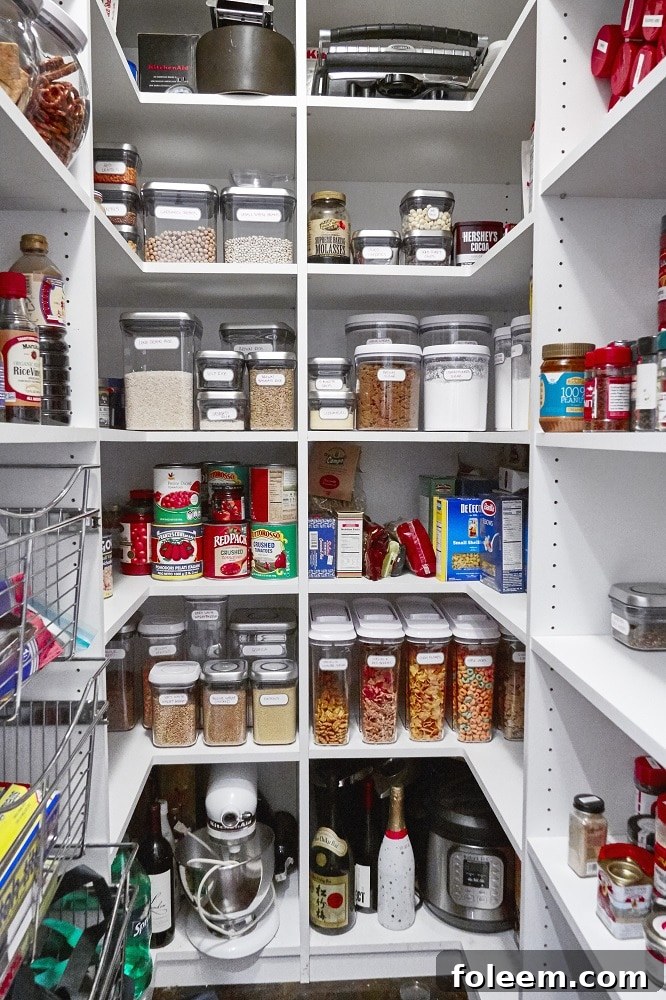
Take time to tidy your pantry so you can quickly see what you have. Group similar items—pastas, tomato products, grains, and condiments—together. When your pantry is organized, it’s easier to spot what needs replenishing and to plan meals around what’s already on hand.
5. Shop the sales.
Check weekly store specials before you leave the house. Many supermarkets post their deals online; note reduced prices on shelf-stable and frozen items so you can stock up. Sales on pricier perishables—like beef or salmon—can be a good opportunity to buy extra and freeze portions. Seasonal fruit on sale can be prepped and frozen for smoothies or desserts when it’s out of season.
Sales can also shape your meal plan. If pork chops or another protein is discounted, build meals around that bargain and consider trying a new recipe.

6. Buy sturdy, long-lasting fruits and vegetables
Delicate produce like berries and leafy greens are great to buy but often won’t last a full week. Balance your cart with longer-lasting items: citrus, apples, pears, pineapples, melons, pomegranates, and coconuts; and hardy vegetables such as winter squash, broccoli, cauliflower, carrots, potatoes, cabbage, and beets. Head lettuces like romaine and iceberg also hold up well.
Don’t forget the frozen aisle—frozen fruits and vegetables are convenient and nutritious. Keep frozen berries for smoothies, hashbrowns for casseroles, and peas for quick sides or pot pies. Frozen ingredients reduce waste and extend the value of a big shop.
The Big Shop isn’t perfect and you’ll sometimes need a quick run for orange juice or a fresh item for a late-week recipe. Unexpected events—like extra hungry teenagers—can change plans. Still, consolidating most of your shopping into one well-planned trip dramatically reduces the number of impulse or emergency store visits.
Give yourself time to adopt the routine. Start with a list of basics, build meal plans around sales and what you already have, and ask for help unloading if you need it. Over time, the process will become faster and more intuitive.
More Supermarket Shopping Tips
- 8 Ways to Save Money Cooking
- The Stock Up Hunker-Down Shopping List
- 6 Fresh Ingredients to Have on Hand
- 6 Supermarket Shortcuts That Will Save You Real Time in the Kitchen