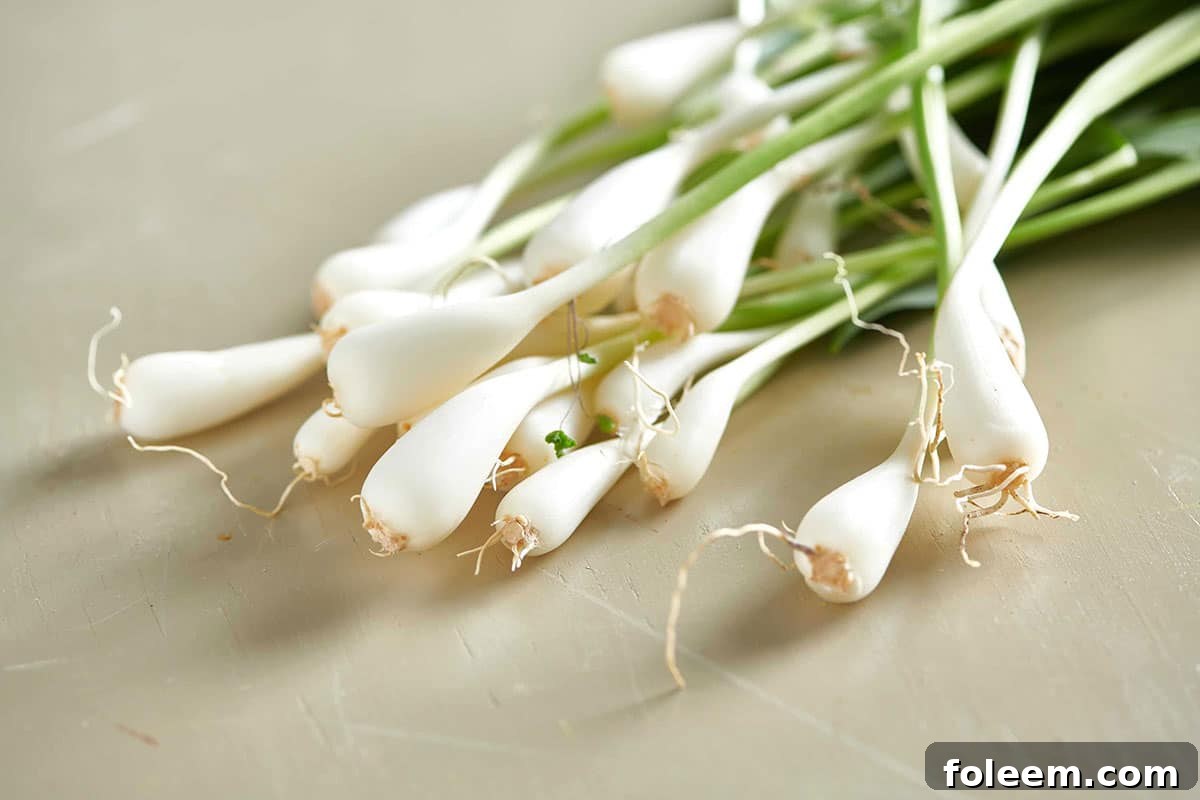
Ramps are wild-growing leeks or scallions belonging to the allium family. They are notoriously hard to cultivate, which adds to their allure—similar to other sought-after wild foods. Ramps are among the first spring vegetables to appear at farmers markets and on restaurant menus after a winter of root vegetables and citrus. Their flavor is like an intensely garlicky leek or scallion. Below you’ll find information on identifying, harvesting, cleaning, cooking, and using ramps, plus a selection of recipes to celebrate ramp season.
If ramps are new to you, don’t worry. They inspire great enthusiasm in some and skepticism in others, but their short season and pungent, bright flavor make them a favorite for many cooks. Rather than debate their merits, it’s worth learning how to handle them so you can enjoy them while they’re available.
- What Do Ramps Look Like?
- Where Do Ramps Grow?
- How Do You Harvest or Pick Ramps?
- How to Clean Ramps
- Ramp Sustainability
- How to Cook Ramps
- FAQs
- 6 Ramps Recipes to Make Every Spring
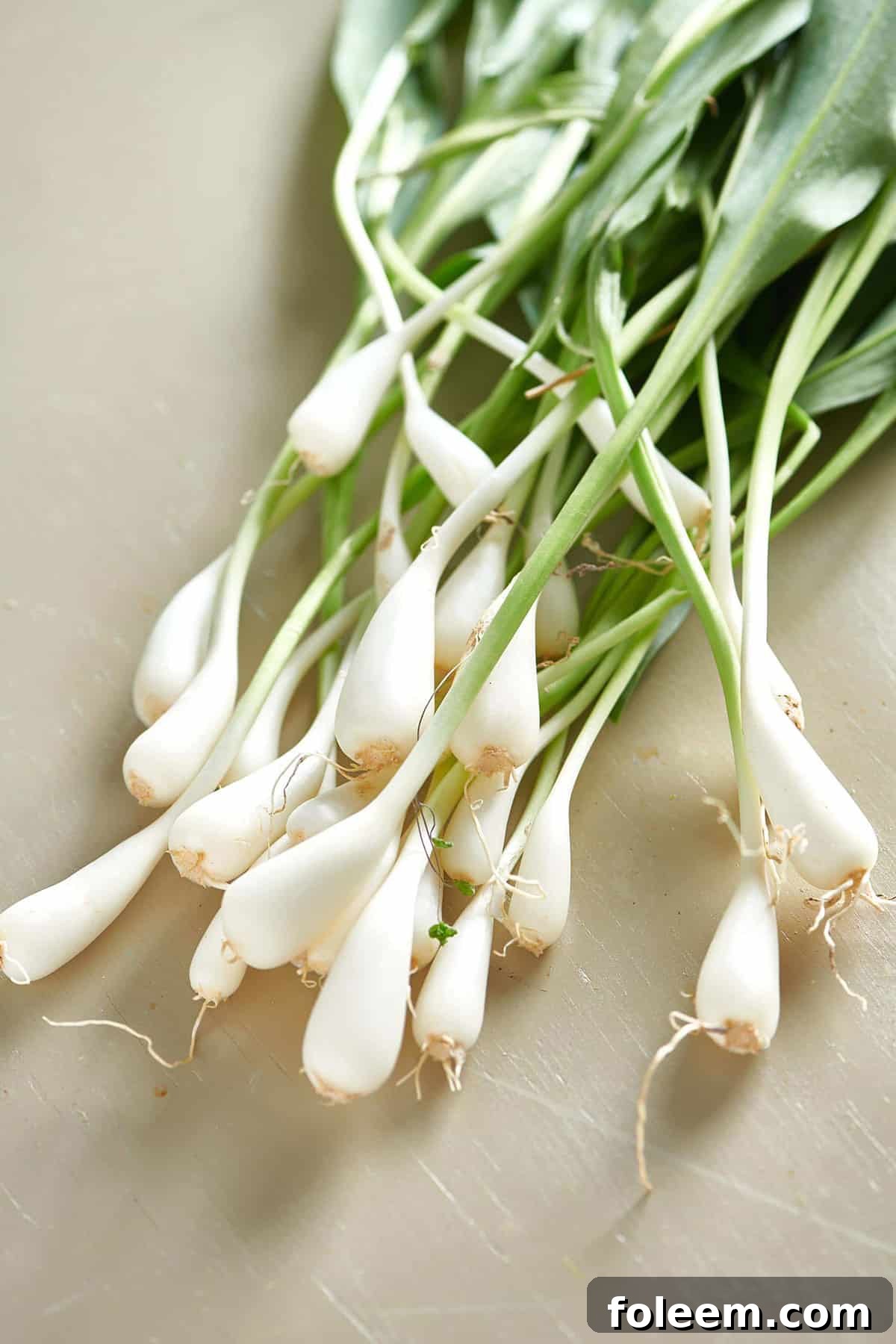
Ramps are essentially wild leeks, wonderful harbingers of spring. See how to harvest them sustainably and use them in all kinds of recipes from risottos to pastas to tapenade.
What Do Ramps Look Like?
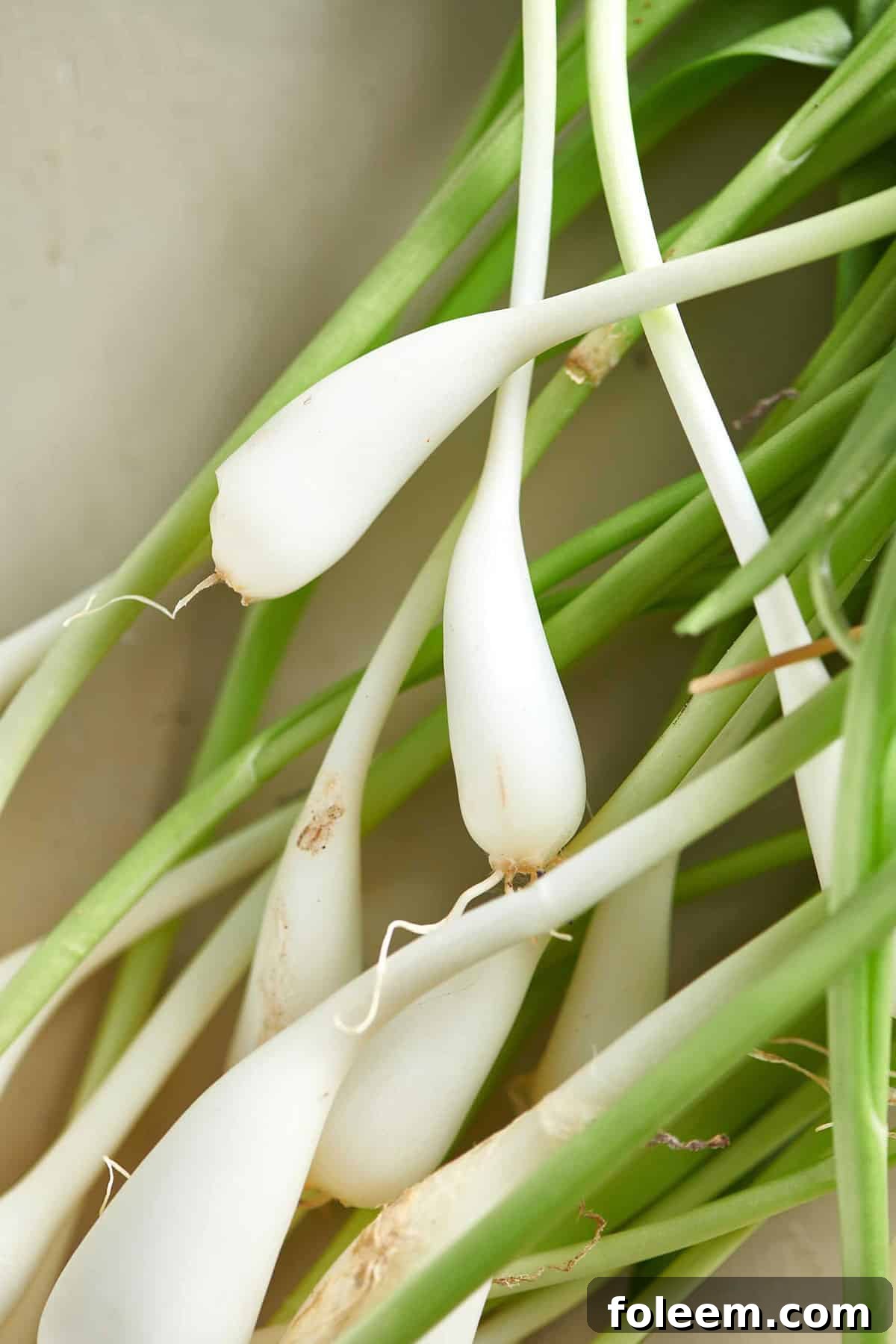
Ramps resemble scallions but have a more bulbous base. They feature broad, long green leaves atop slim white stalks and a plump root end. Some ramps show purple tones near the stem. The entire plant—bulb, stem, and leaf—is edible once cleaned and trimmed.
Where Do Ramps Grow?
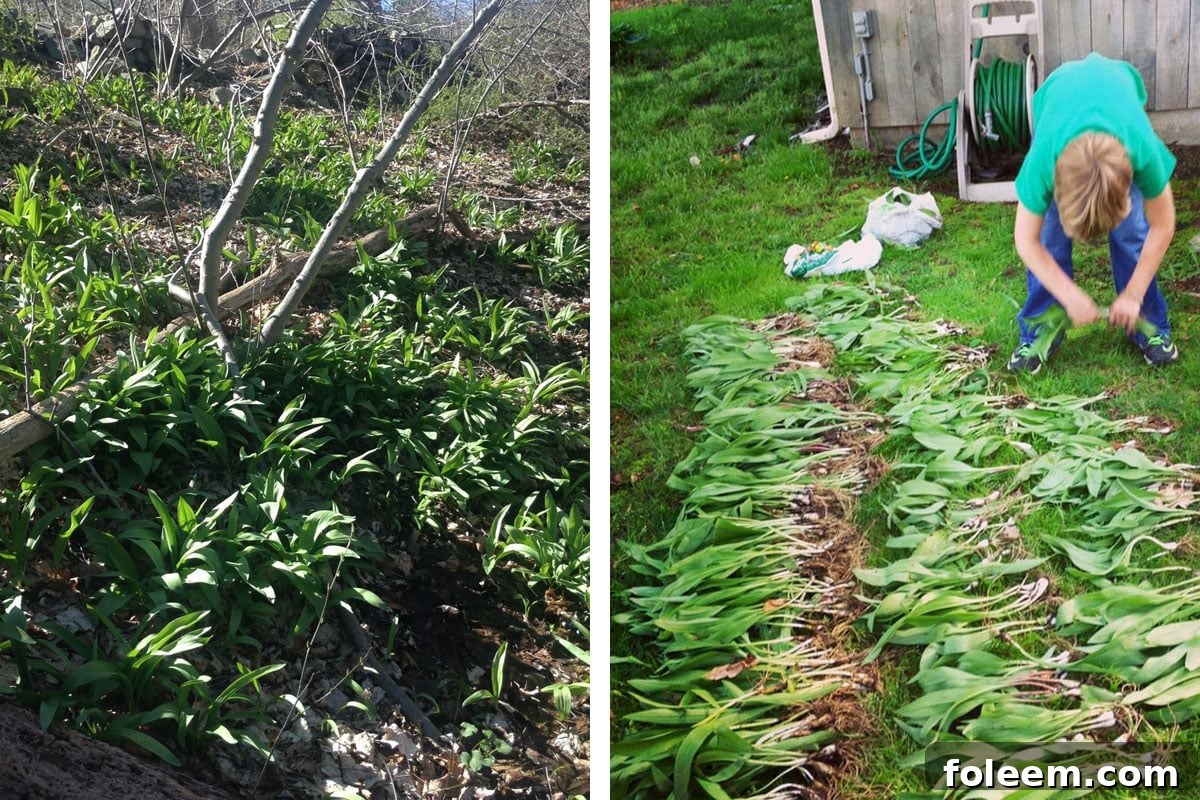
Ramps grow across the eastern United States and parts of Canada, ranging up and down the East Coast and west to states like Minnesota and Missouri. They prefer damp, shaded spots near rivers, streams, and deciduous woodlands where the soil is rich and moisture-retentive.
How Do You Harvest or Pick Ramps?
Once you locate a patch, don’t simply tug ramps out. Dig gently around the bulb and ease the plant free so you remove the whole root. This is easiest when soil is loose after rain or near water. Pulling them out carelessly can break the stems and leave roots behind. Harvest responsibly and avoid stripping an entire patch.
How to Clean Ramps
Because ramps grow in the ground, their bulbs often hold dirt. Rinse them thoroughly in cold water, using your hands to loosen clinging soil around the roots. Soaking and swishing them in a sink or large bowl of cold water helps dislodge grit. Finish with a final rinse, trim the hairy roots, and they’re ready to use.
Ramp Sustainability
Overharvesting is a concern. If you’re fortunate enough to find ramps, leave much of the patch intact so plants can reseed and spread. A conservative approach is to harvest only a small percentage of what you find—many foragers take only a few bulbs from a large area. Some choose to harvest just leaves to preserve roots, while others remove entire plants but limit the quantity taken. Responsible harvesting helps ensure ramps remain available in future seasons.
How to Cook Ramps
Ramps are versatile: roast, grill, sauté, or use them raw in salads, pestos, and dressings. Use both the white stems and green leaves—the leaves are milder. Ramps work well in risottos, pastas, potato dishes, egg preparations, crostini, sauces, and more. Because their raw flavor is strong, use them judiciously; cooking mellows the garlicky bite. Treat them as you would leeks, scallions, or other members of the onion family.
FAQs
You can eat the stems, bulbs, and leaves. The leaves are milder than the bulbs and are great in raw or lightly cooked applications.
Ramps have a pronounced garlicky, onion-like flavor that softens with cooking.
Ramps are wild plants that grow only in specific habitats and are available for a short window each spring, which contributes to their scarcity and special appeal.
6 Ramps Recipes to Make Every Spring
Below are six ramp-forward recipes that highlight different ways to enjoy the season: simple and fast preparations, bold condiments, and comforting mains that showcase ramps’ garlicky-green character.
Simple Ramp Pasta
View Recipe
Green Olive and Ramp Tapenade
View Recipe
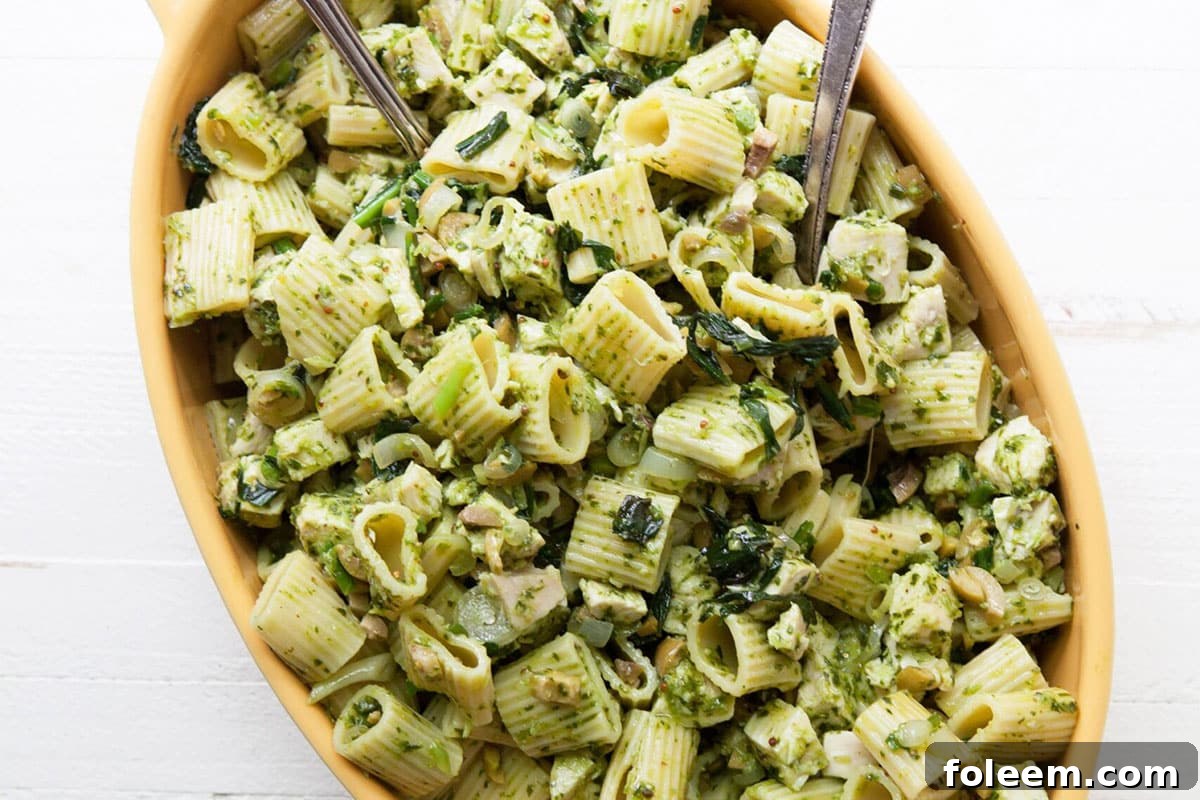
Chicken Pasta Salad with Ramp Vinaigrette
View Recipe
Ramp Sauce
View Recipe
Spring Ramp and Pea Risotto
View Recipe
Pasta with Ramps, Edamame, and Sugar Snap Peas in a Light Parmesan Cream Sauce
View Recipe