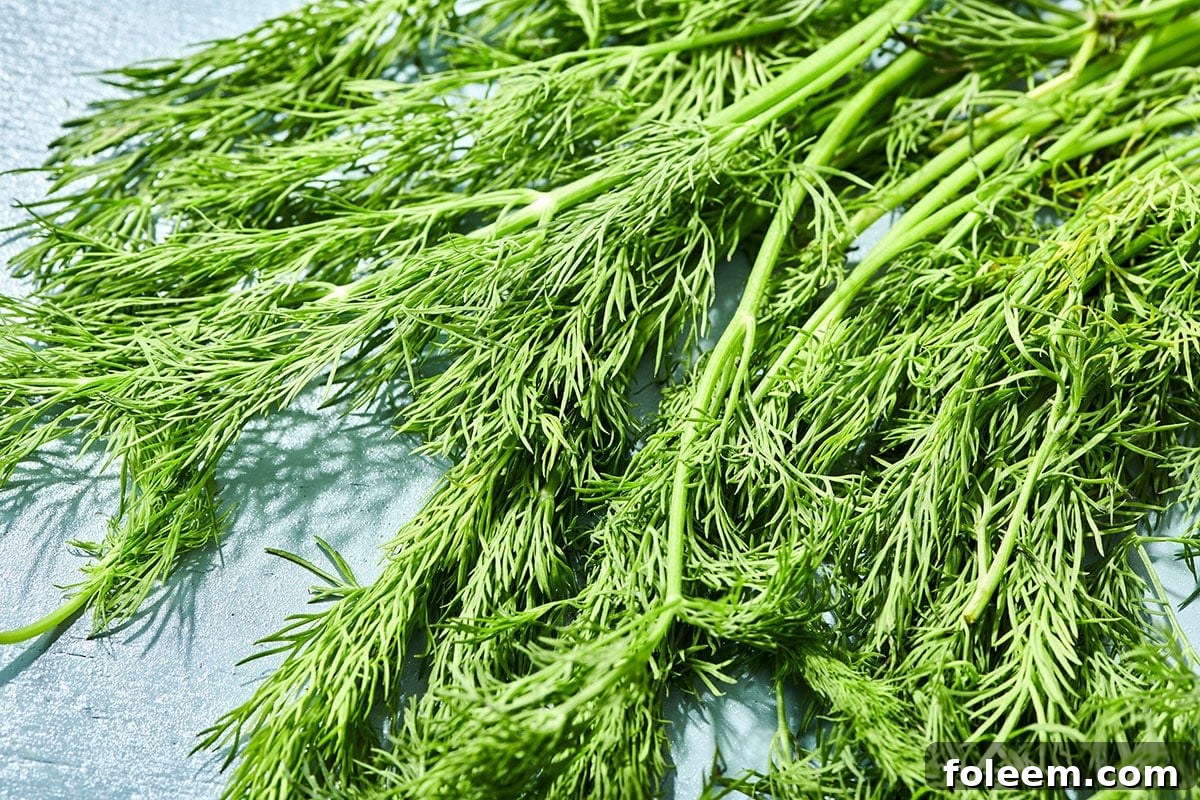
Fresh dill is one of my favorite herbs, especially in summer. Its bright, slightly sweet flavor and green color lift simple dishes like chicken salad with grapes, arugula and cucumber salad with tzatziki vinaigrette, herbed mayonnaise, and sugar snap pea salad. Below you’ll find practical tips for cooking with dill, preparing and storing fresh dill, how it differs from dill seed, suitable substitutes, and a recipe for Dilly Salmon Corn Chowder.
- What Is Dill?
- What Does Dill Look Like?
- What Does Dill Taste Like?
- Dried Dill vs. Fresh Dill
- Substitutes
- How To Chop Fresh Dill
- How to Cook with Fresh Dill
- How to Store Dill
- Fun Facts About Dill
- Best Recipes With Dill
- Dilly Salmon Corn Chowder Recipe
- More Fresh Herb Cooking Tips
What Is Dill?
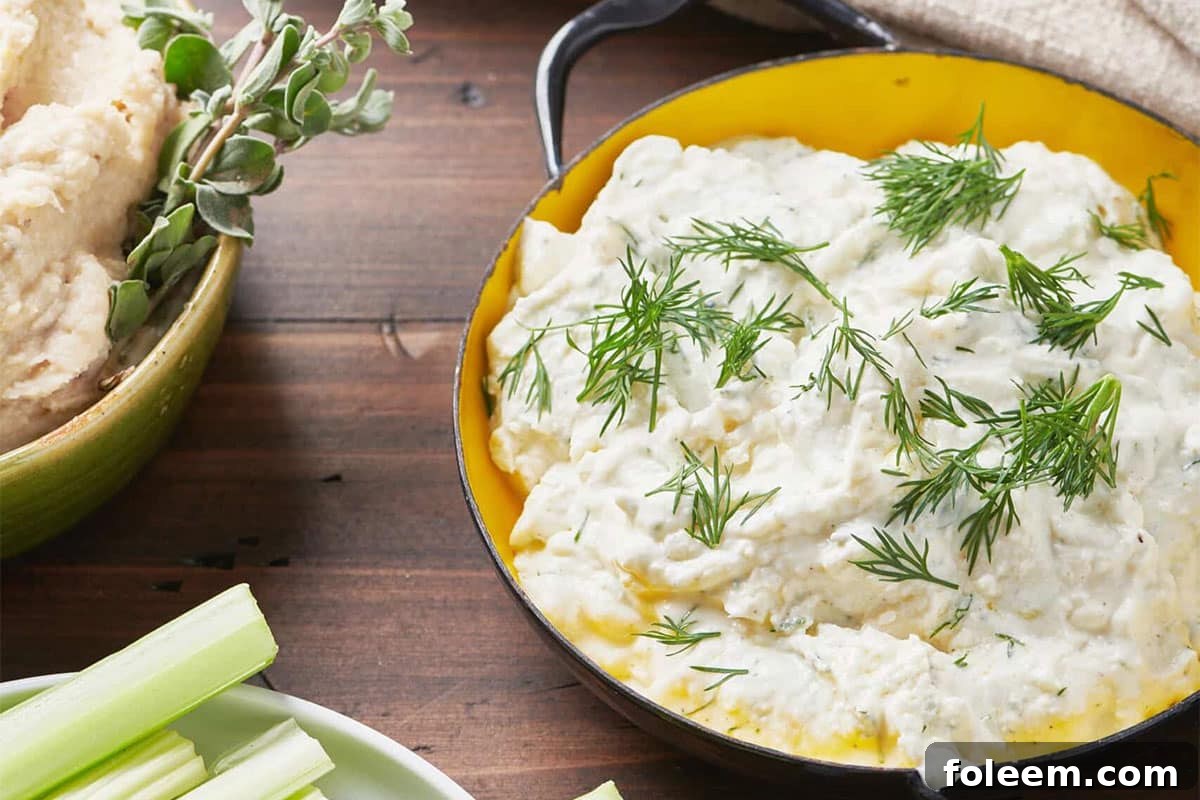
Dill is a popular herb used around the world, notably in Greek, Eastern European, and Scandinavian cuisines. It pairs well with legumes, cheeses, fish, potatoes, cucumbers, eggs, and creamy sauces. Dill belongs to the Apiaceae family, which includes parsley and fennel. The plant is easy to grow but can spread quickly in a garden, so give it its own space.
In the kitchen you’ll encounter dill in two forms: leafy dill weed (sold fresh or dried) and dill seed. They have distinct flavors and are used differently, so check recipes carefully to see which is required.
What Does Dill Look Like?
Fresh dill grows on green stalks with bunches of fine, feathery leaves. In the landscape it produces characteristic yellow umbrella-like flowers. At the market fresh dill weed is typically sold in bunches with any flowers removed. Dill can be mistaken for fennel fronds, but dill leaves are a bit wider and the flavors differ noticeably.
What Does Dill Taste Like?
Dill weed tastes fresh and green with a gentle herbaceous brightness and a hint of licorice or fennel—subtle, not sweet. Fresh dill is lively and slightly sweet; dried dill is milder and earthier. Use fresh dill when you want that bright, green note in uncooked dishes like salads and dressings.
Dill complements:
- Salmon and other fish
- Potatoes in any form
- Cucumbers (pickles, salads, yogurt sauces)
- Eggs
- Any creamy preparation that needs a fresh lift
Use dill sparingly—a little goes a long way. Dill seeds, by contrast, are more lemony and are commonly used for brines and pickling or in marinades.
Dried Dill vs. Fresh Dill
Whenever possible, choose fresh dill for its color and bright flavor. For uncooked dishes, fresh dill should not be substituted with dried. In cooked dishes, dried dill can work, but adjust quantities: dried herbs are more concentrated, so use less. Fresh dill is usually found in the produce section; dried dill sits with other spices.
Substitutes
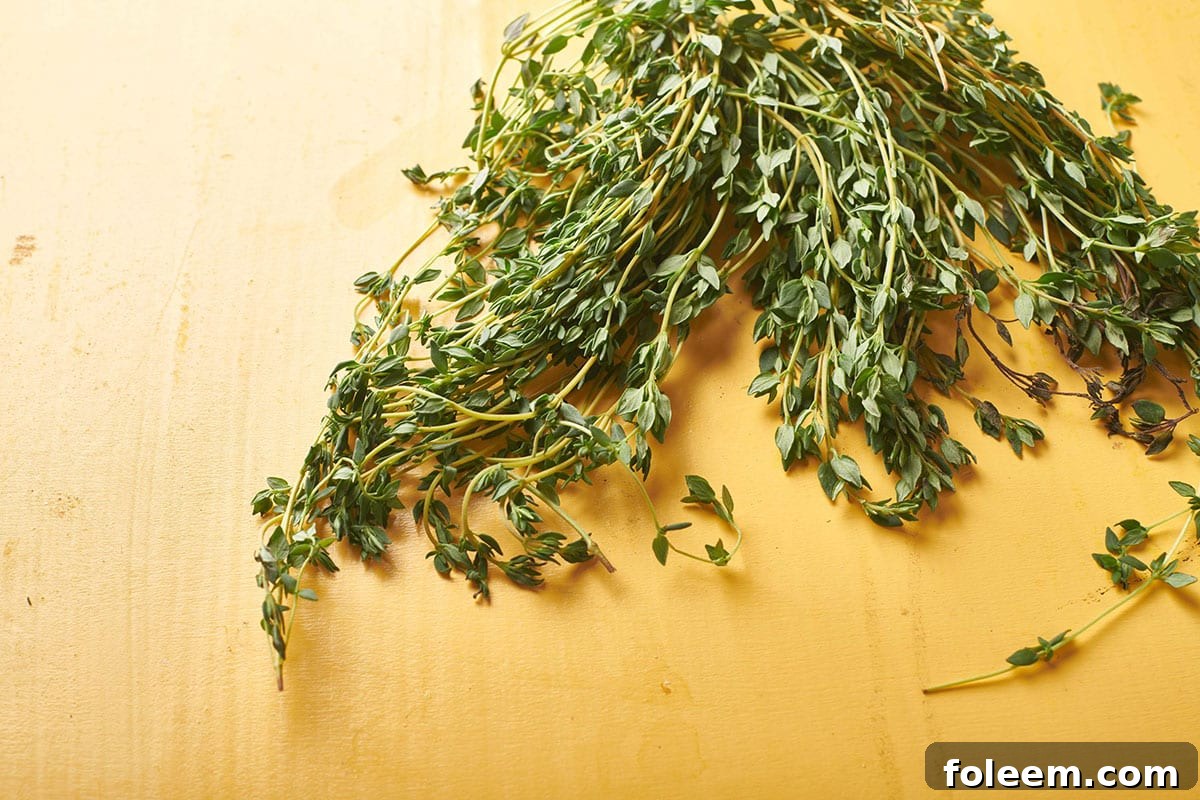
If fresh dill isn’t available, a small amount of dried dill is the closest substitute. For cooked recipes, thyme (fresh or dried) can replace dill because it holds up to heat, though its flavor is different—start with less and adjust. For raw uses like vinaigrettes or salads, fresh tarragon is the best flavor match and can be swapped in equal amounts.
How To Chop Fresh Dill
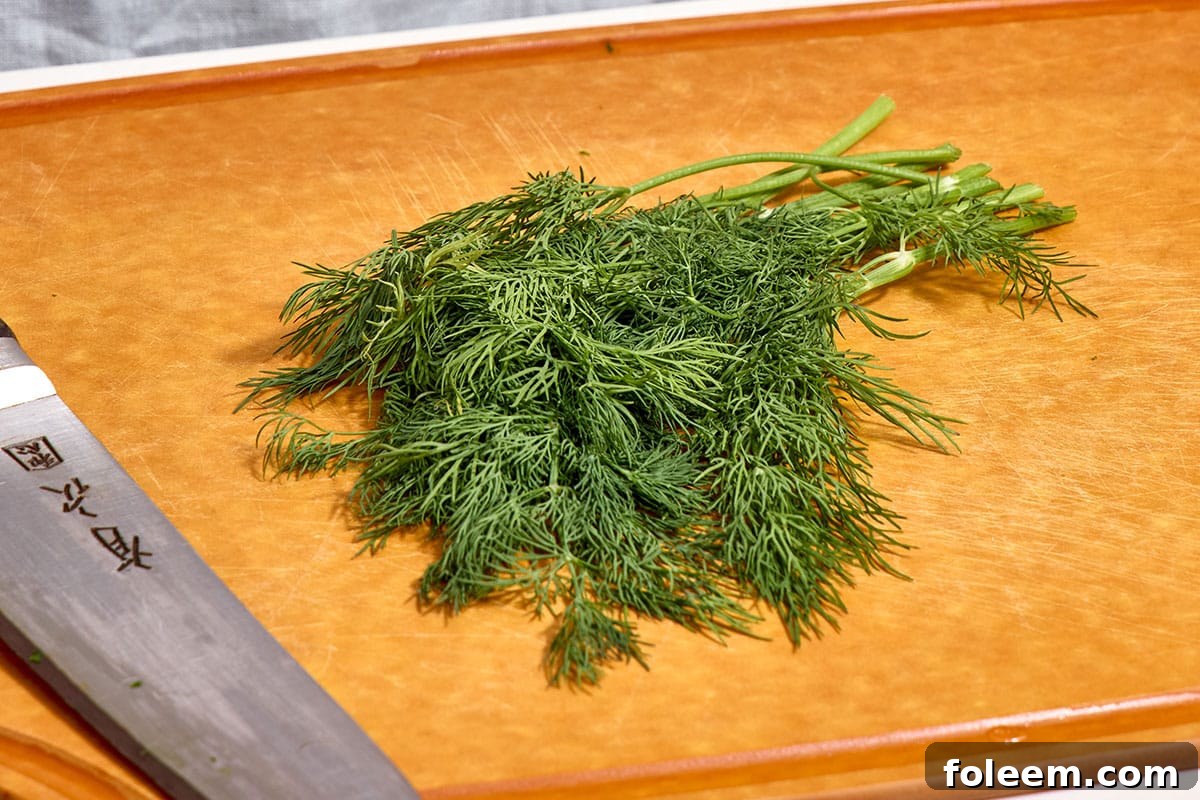
To prepare dill, remove the lower thick part of the stems and keep the tender upper stalks and leaves. You can strip leaves by hand or use an herb stripper, then chop with a very sharp knife to avoid bruising and discoloration. Chop to the desired coarseness on a cutting board just before using.
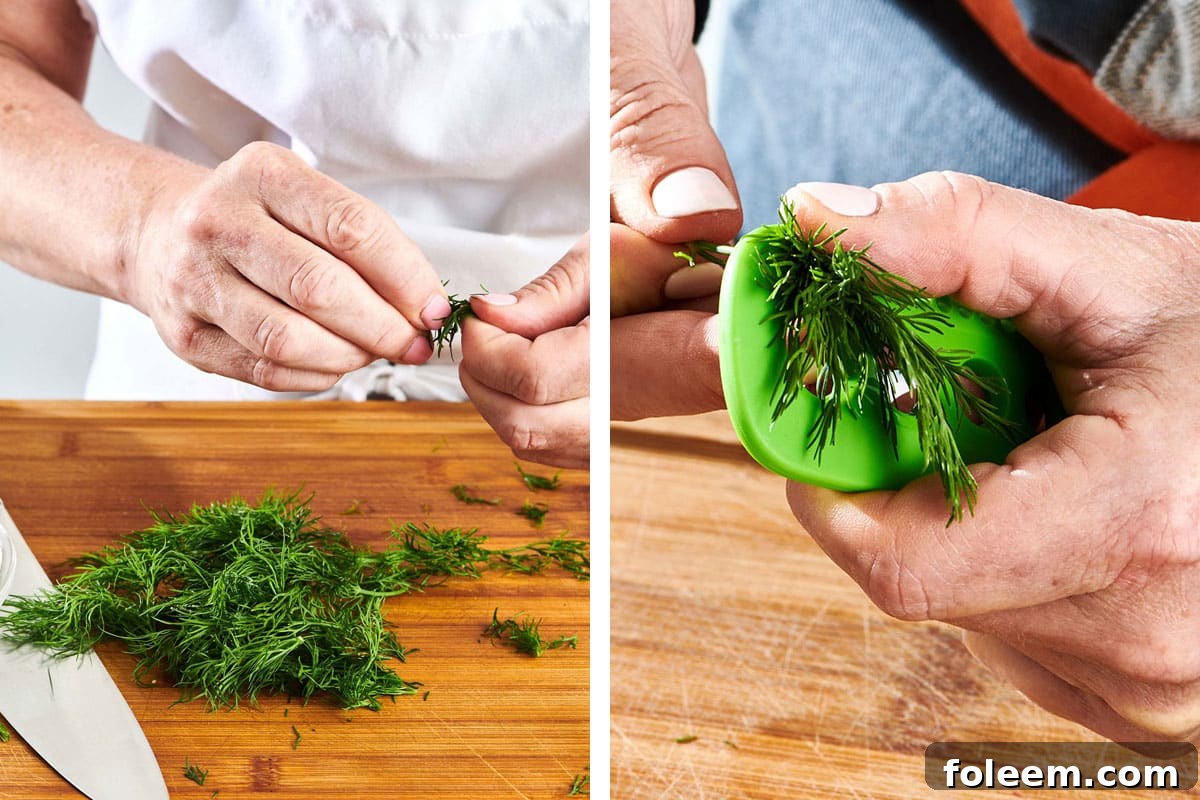
How to Cook with Fresh Dill
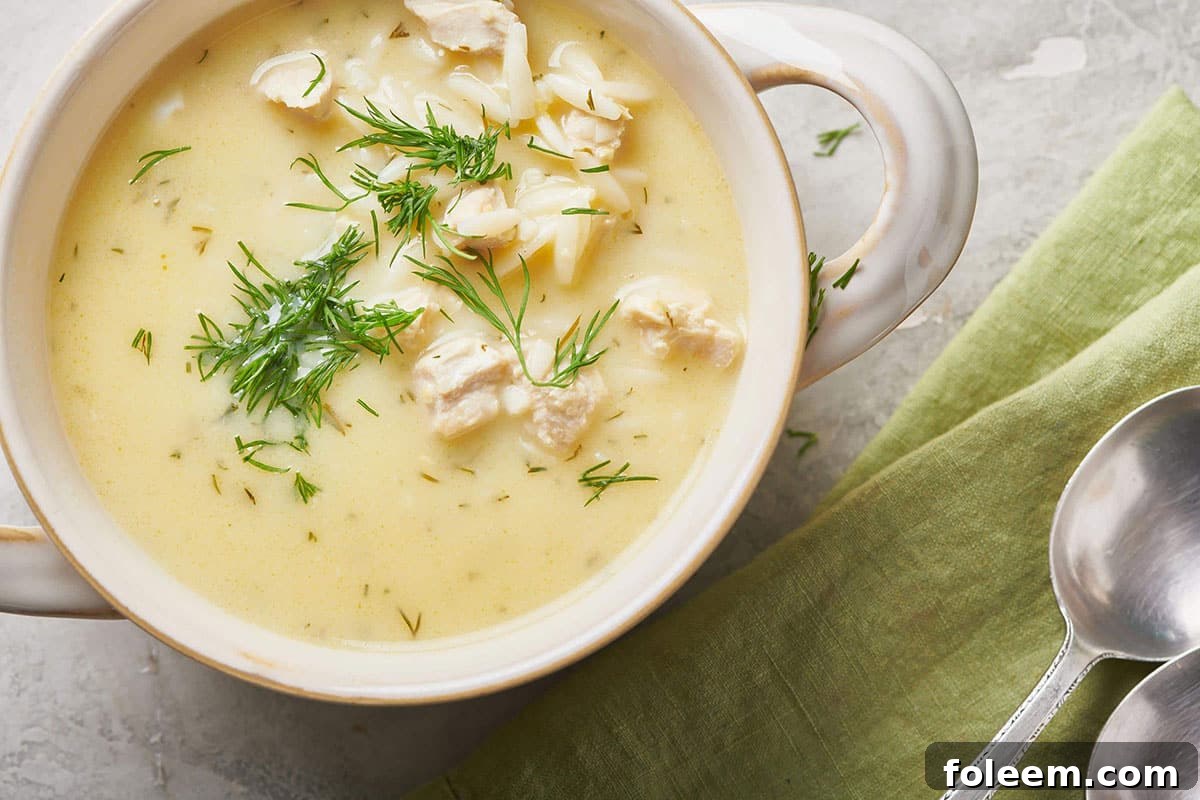
Dill is delicate—chop it just before you use it and avoid washing it until ready to use. It loses flavor with prolonged heat, so add dill at the end of cooking or scatter a sprinkle on top of the finished dish to maintain its brightness and color.
How to Store Dill
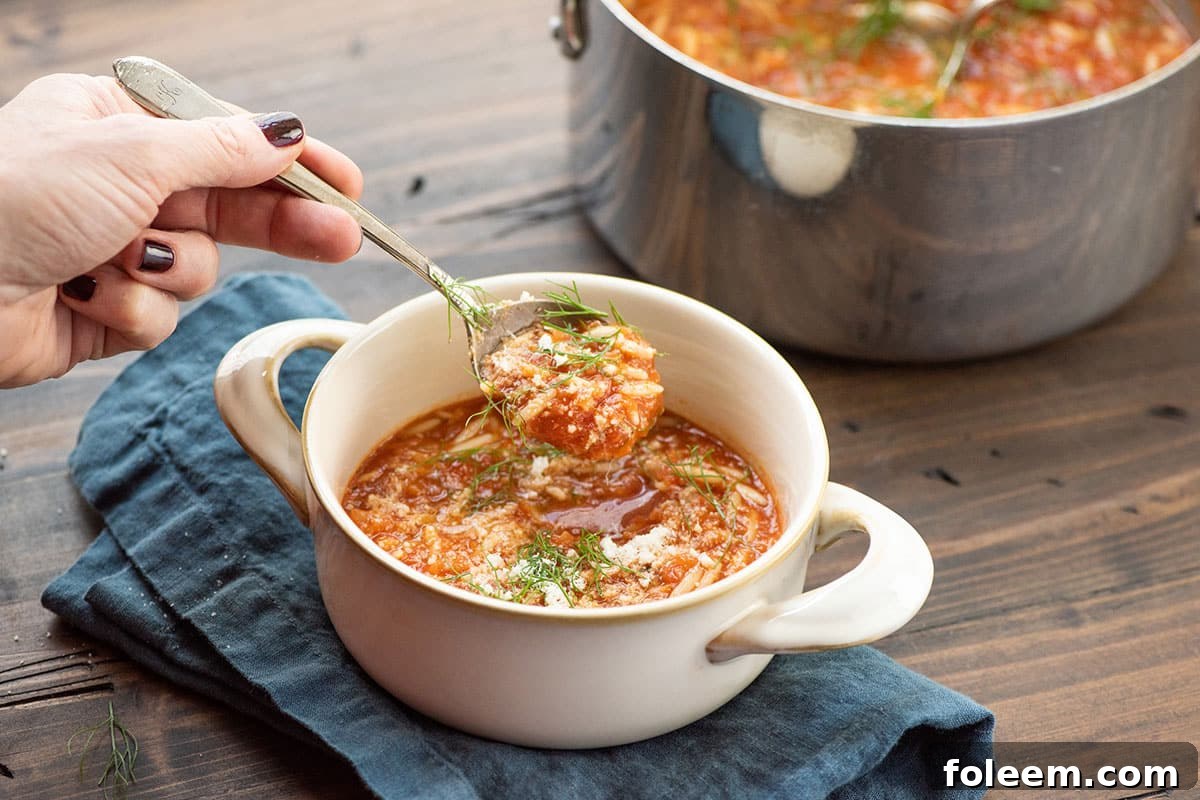
Dill wilts quickly, so use fresh herbs within a few days, up to about a week. To extend freshness, rewrap smaller bunches in moist paper towels and place them in a plastic bag left slightly open, re-moistening as needed. For longer storage, stand dill stems in a glass of water in the refrigerator (like a bouquet) and change the water every few days. Dried dill weed keeps best sealed in a cool, dark, dry place for several months.
Fun Facts About Dill
Dill has a long history: it was used in ancient Egypt and later in Europe for both culinary and folk purposes. A few interesting notes:
- The popularity of home pickling rose in the 19th century with the Mason jar and paraffin wax; written references to “dill pickles” date to the late 1800s.
- In some traditions, people once used dill seeds as small snacks or appetite suppressants.
- Dill seed oil is used by some as an aromatic essential oil for relaxation.
Best Recipes With Dill
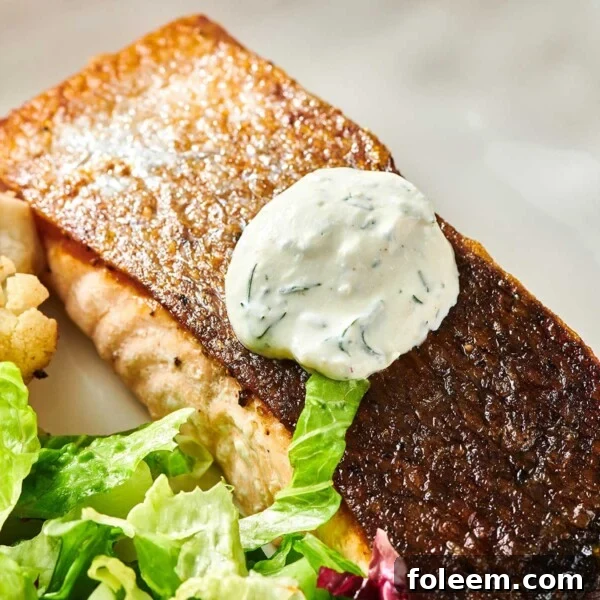
Crispy-Skinned Salmon with Dill Sauce
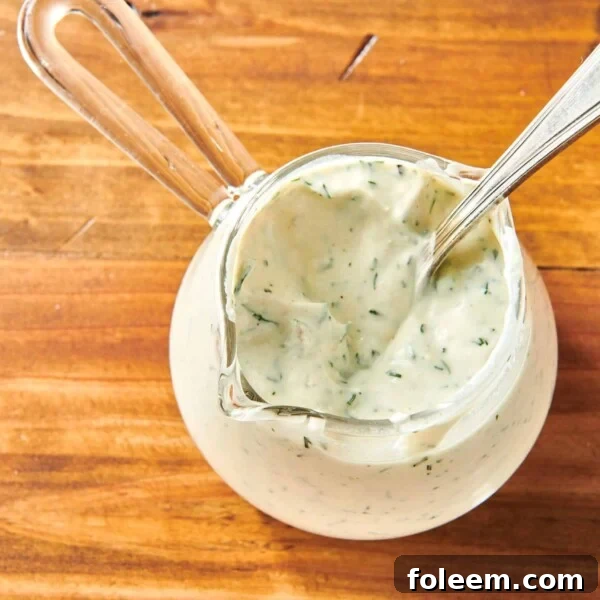
Dill Sauce
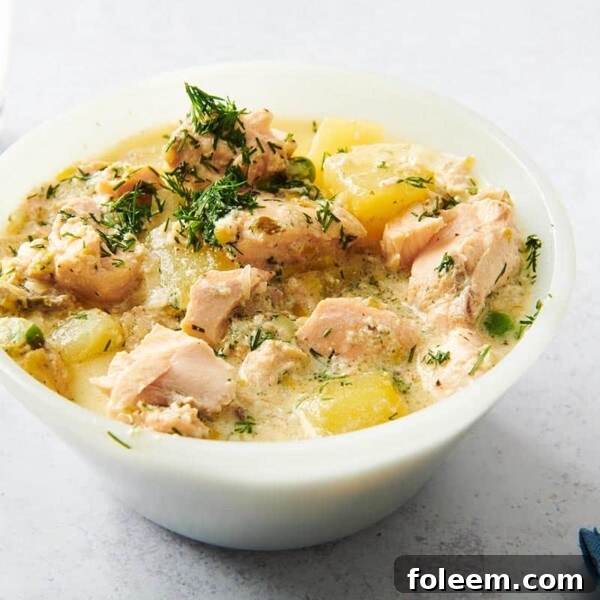
Salmon Chowder
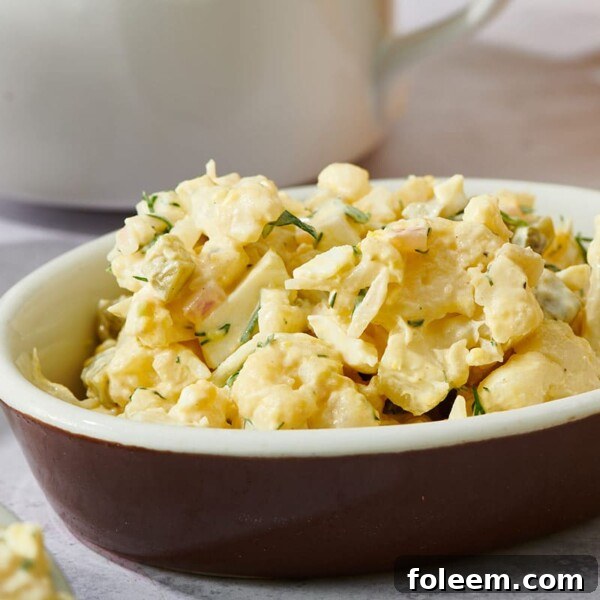
Cauliflower Potato Salad
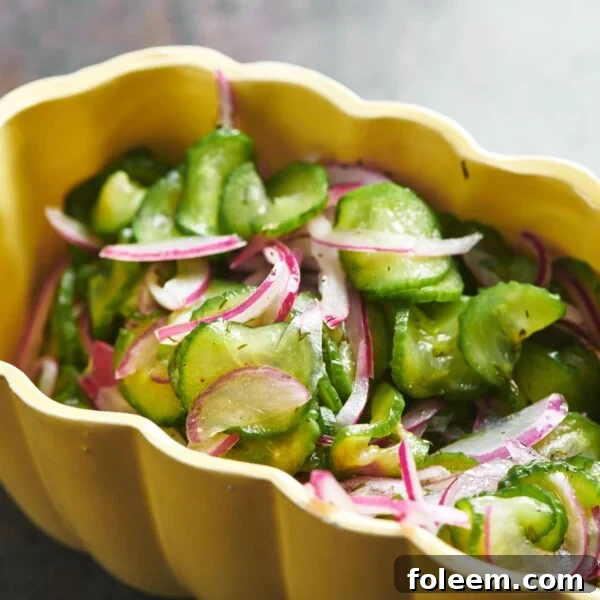
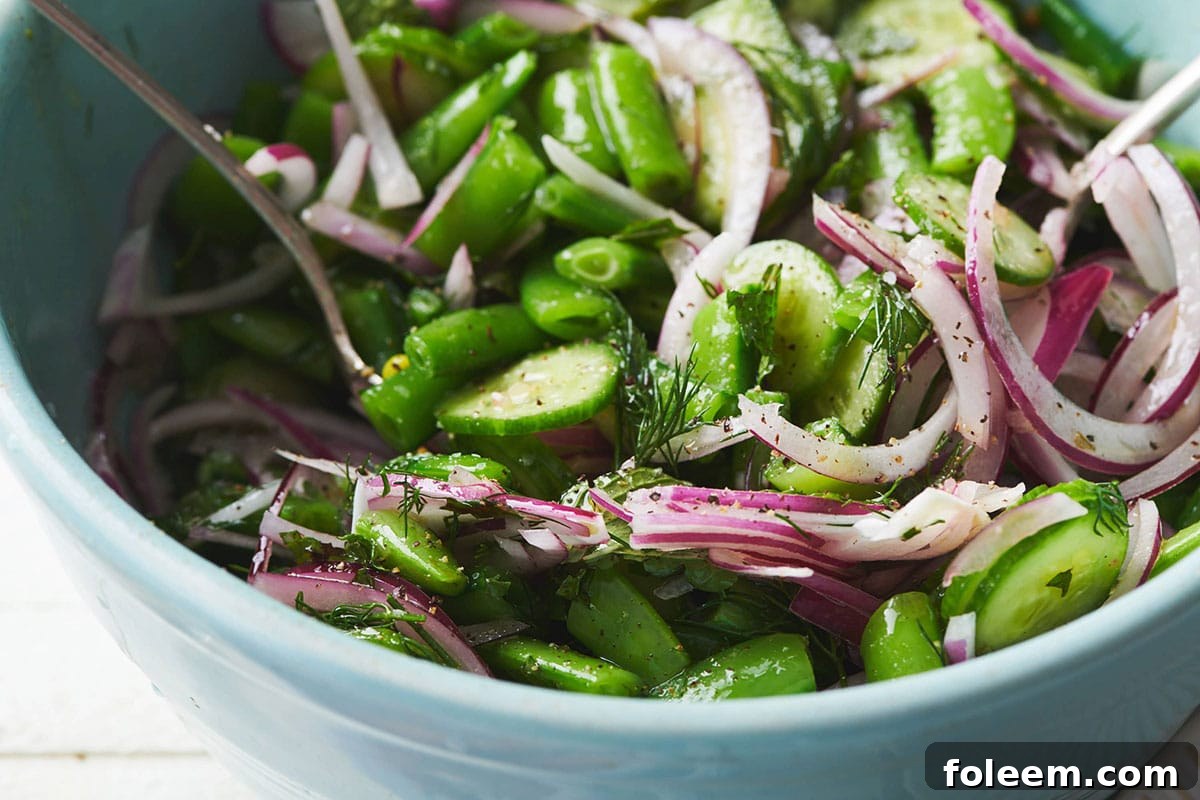
Cucumber Salad
Dilly Salmon Corn Chowder Recipe
This main-course chowder highlights corn, salmon, and potatoes in a creamy, dill-flecked broth. Simmering the corn cobs in milk and half-and-half extracts extra corn flavor, and pureeing a portion of the corn and potatoes adds body to the soup.
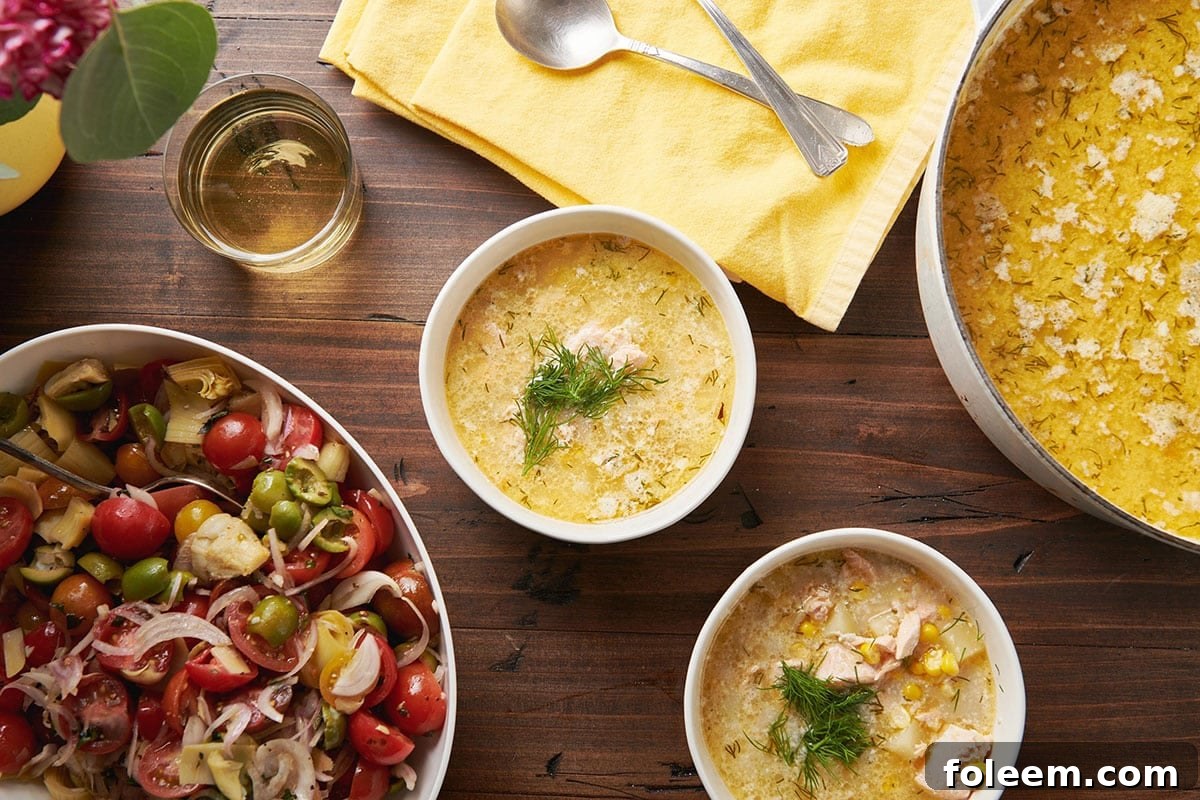
A main course soup, chock-a-block with chunks of salmon, corn, potatoes, and a creamy, dill-flecked chowder base.
Ingredients
- 4 ears corn
- 1 cup whole milk
- 1/2 cup half-and-half
- 1 pound skinless salmon fillets, cut into 1-inch pieces
- 1 tablespoon unsalted butter
- 1 tablespoon olive oil
- 2 tablespoons minced shallots
- 2 cups low-sodium chicken or vegetable broth
- 3 Yukon Gold potatoes (about 1 pound), scrubbed and cut into 1/2-inch dice
- 2 tablespoons minced fresh dill, plus extra for garnish
- Kosher salt and freshly ground black pepper, to taste
Instructions
- Cut the kernels from the corn; you should have about 2 cups. Break the cobs in half and reserve the kernels.
- Place the whole milk and half-and-half in a small pot with the corn cobs. Bring to a simmer over medium-high heat, then reduce to a gentle simmer for 10 minutes. Remove the cobs with tongs and reserve the milk mixture.
- Meanwhile, cut the salmon into 1-inch pieces. In a large soup pot over medium heat, melt the butter. Add the salmon and sauté just until the outside turns opaque, about 2 minutes. Remove with a slotted spoon and set aside.
- Return the pot to the stove and heat the olive oil over medium-high. Add the shallots and sauté until softened, about 3 minutes. Add the broth and bring to a simmer. Add the potatoes, partially cover, and simmer until the potatoes are tender, 12 to 15 minutes.
- In a blender or food processor, place 1/2 cup of the corn kernels and about 1/4 cup of the cooked potatoes. Add roughly half of the reserved milk mixture and puree until smooth.
- Stir the pureed mixture, remaining corn kernels, and the rest of the milk mixture into the pot. Return to a gentle simmer for 2 minutes, then add the partially cooked salmon and 3 tablespoons dill. Season with salt and pepper and simmer another 2 minutes until the salmon is just cooked through, breaking the salmon into smaller chunks with the back of a spoon.
- Taste and adjust seasonings, then serve hot with a sprinkle of fresh dill.
Notes and Tips
- Swap clams, chopped shrimp, or bay scallops for the salmon if you prefer.
- Pureeing some corn and potatoes thickens the chowder naturally.
- Use whole milk for best texture; lower-fat milks may yield a thinner soup.
- Double the recipe for a larger group.
Nutrition (per serving)
Calories: 491 kcal, Carbohydrates: 46 g, Protein: 33 g, Fat: 21 g, Saturated Fat: 7 g, Fiber: 5 g, Sugar: 11 g.
More Fresh Herb Cooking Tips
Fresh herbs add brightness to everyday cooking. Try similar guides for basil, thyme, parsley, oregano, and mint to expand your herb skills and flavor repertoire.