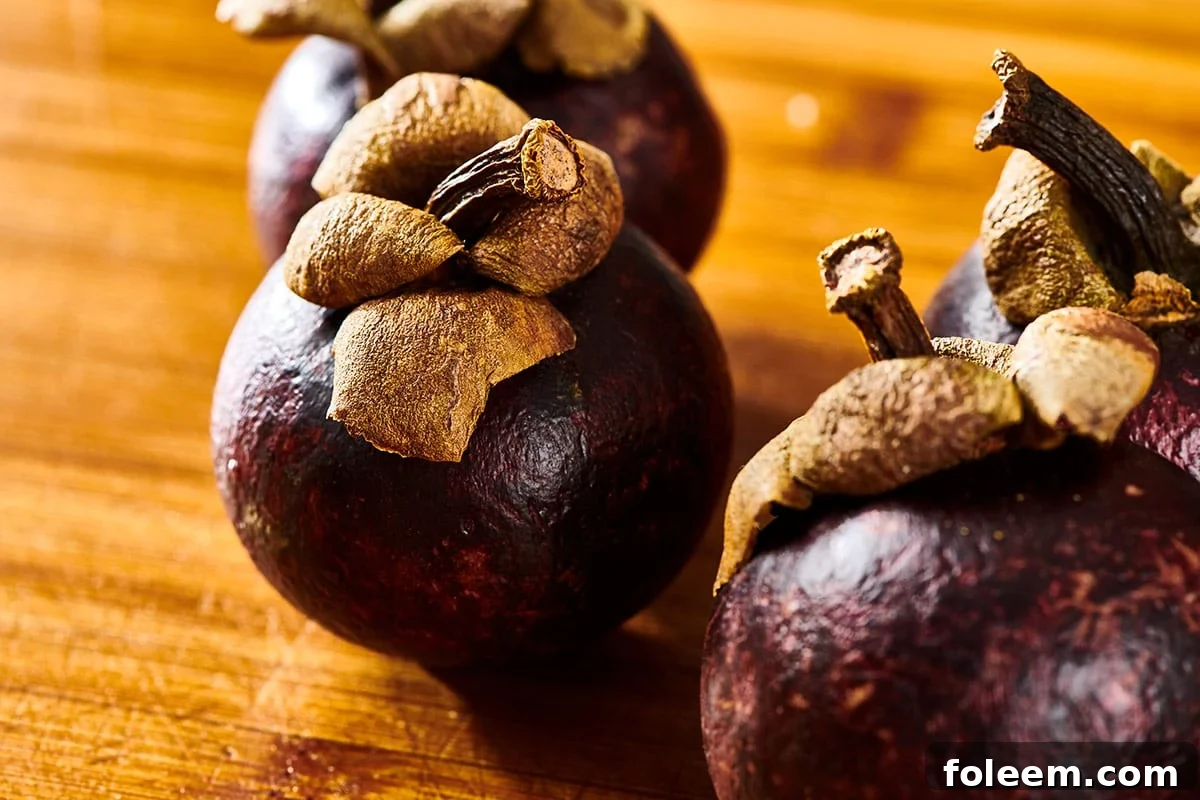
Mangosteens are an intriguing tropical fruit prized for their sweet-tart flavor and refreshing, juicy flesh that sits protected inside a thick, purple rind. Whether enjoyed on their own or added to fruit salads and dishes, mangosteens bring a distinctive taste and a range of nutrients to the table.
What Are Mangosteens?
Mangosteen was once rare in the U.S. due to import restrictions that were lifted in 2007, which helped raise awareness among chefs and home cooks. Native to tropical climates, mangosteens are cultivated in many countries, including Thailand, Mexico and Colombia. The fruit’s regal reputation has earned it nicknames like “Queen of Fruits.”
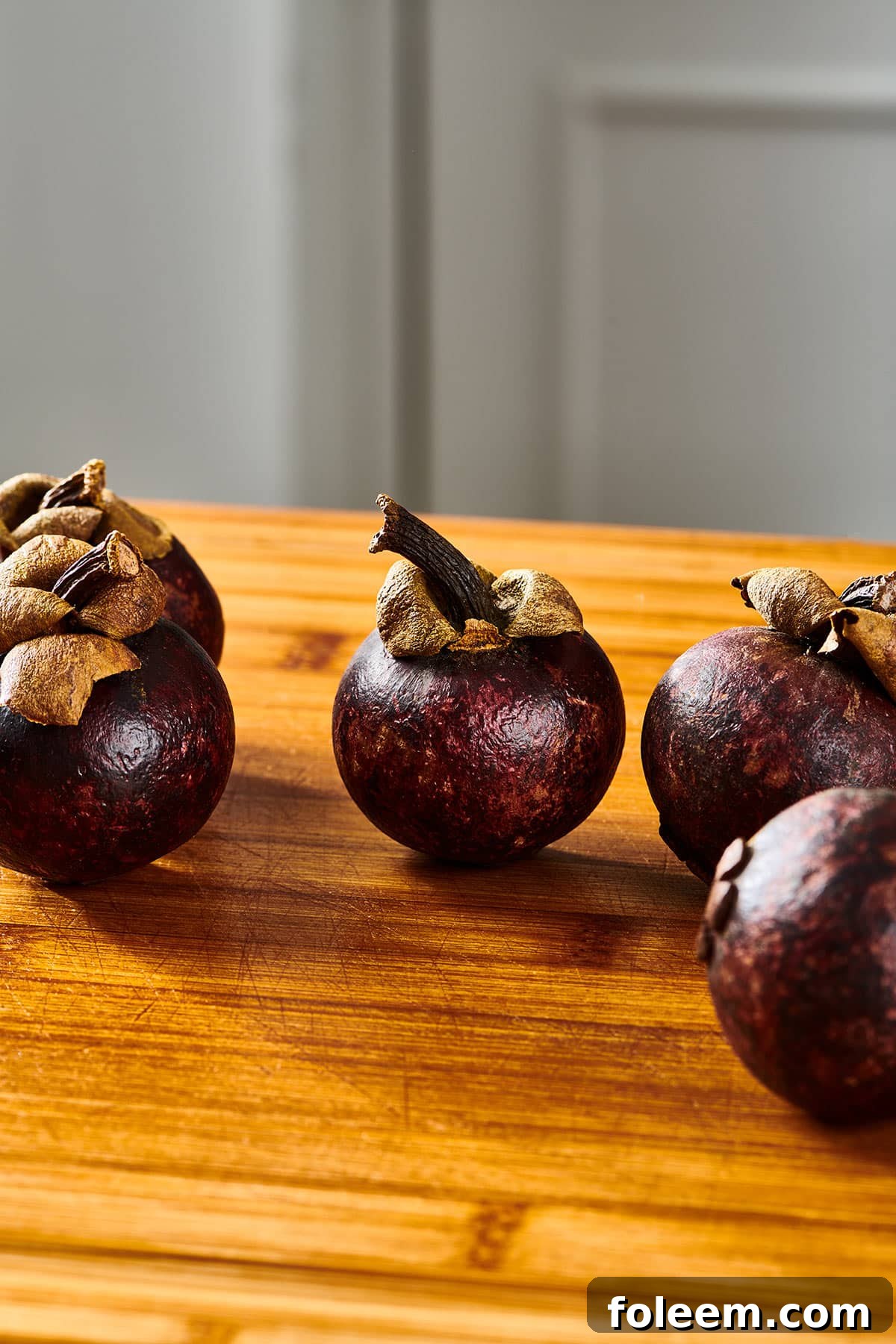
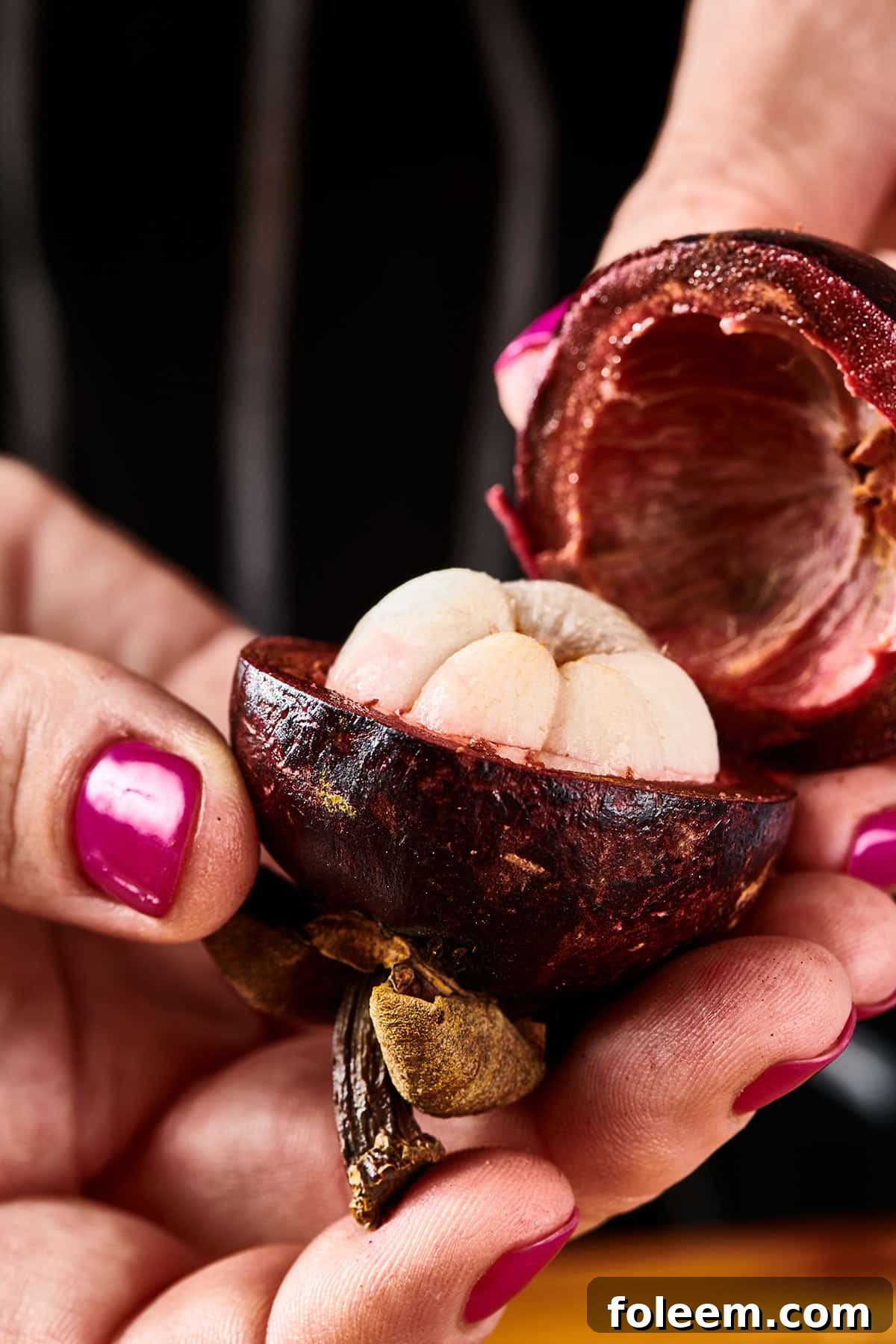
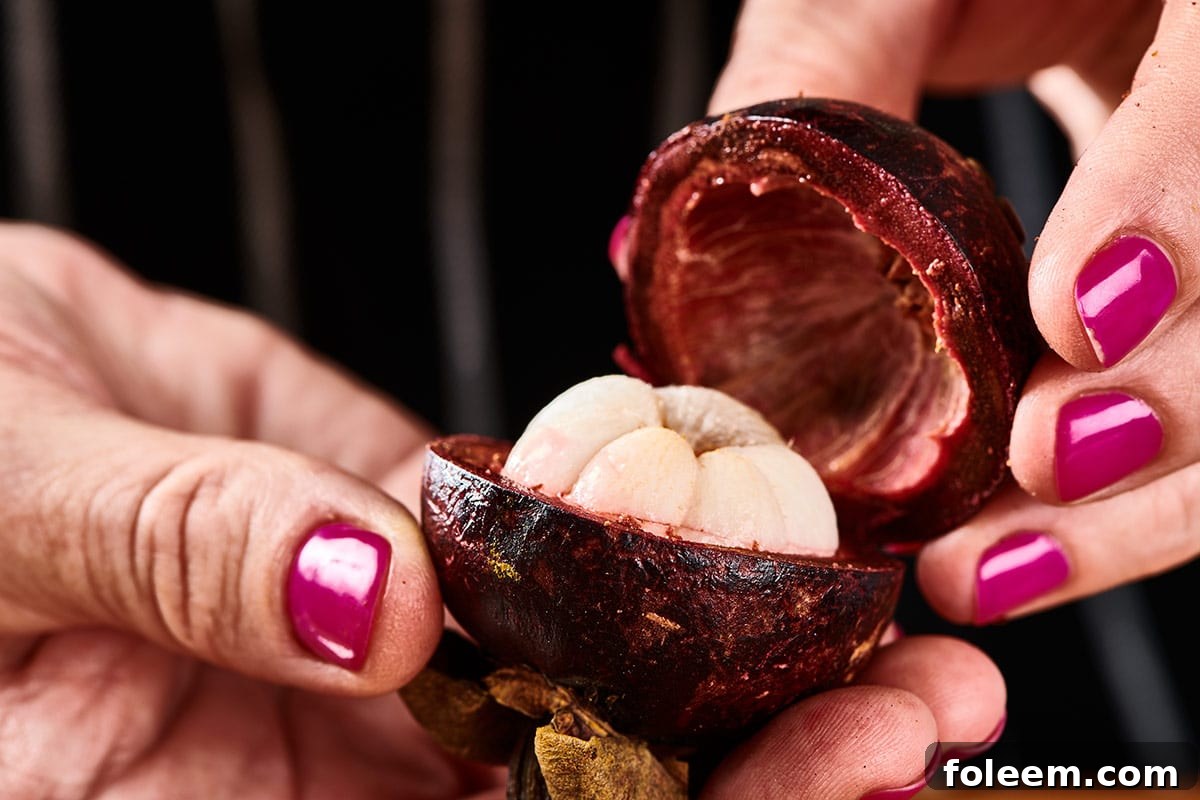
Outside, mangosteens have a deep purple rind topped with green sepals and a small stem. Inside, the edible segments are bright white and resemble plump, juicy lobes. The visual contrast between the dark rind and the white flesh is striking.
Selecting Mangosteens
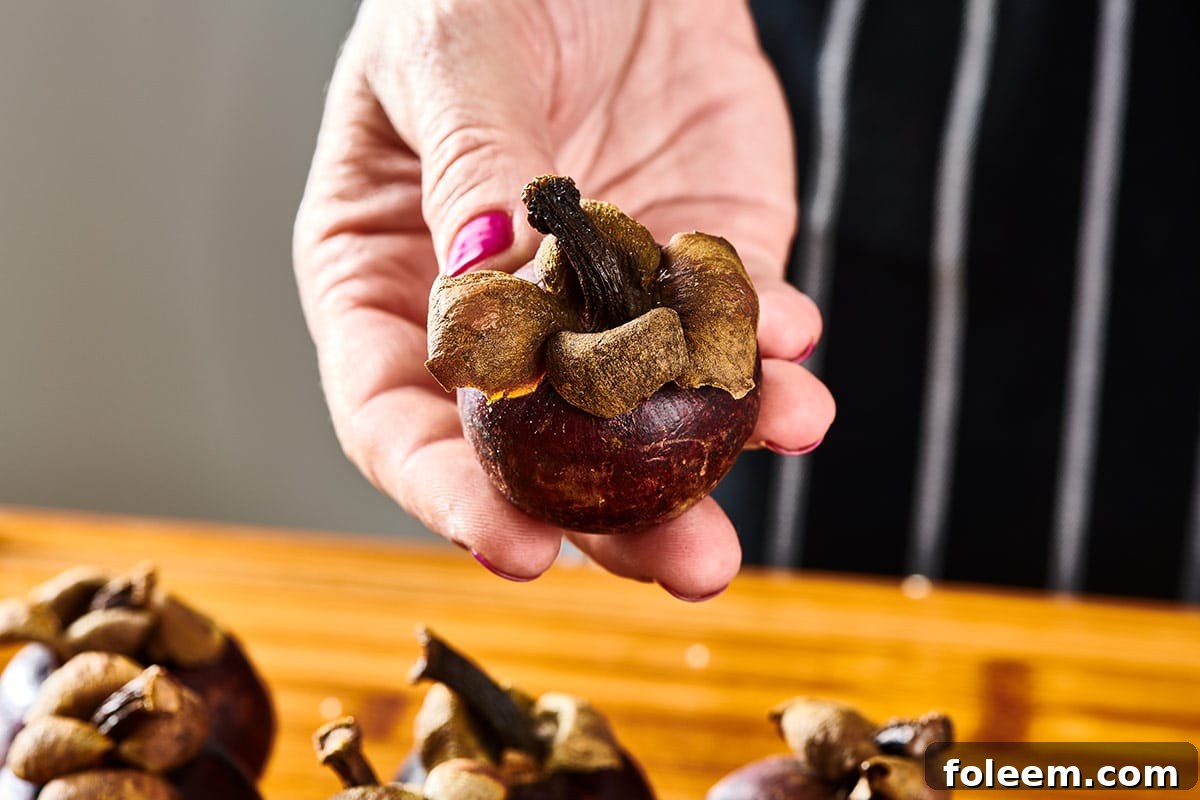
Ripe mangosteens are about the size of a tennis ball and have firm rinds. Choose fruits without dried yellow resin on the shell; that residue can signal internal issues. A gentle squeeze can help determine ripeness: the rind should yield slightly but not feel soft or mushy.
What Do Mangosteens Taste Like?
The pulp is a lively mix of sweet and tart flavors with a texture similar to lychee. Some people detect hints of peach or banana alongside pronounced acidity, which makes the fruit pleasantly bright and candy-like. The contrast of sugars and tang makes each segment very satisfying.
Where to Find Mangosteens
Mangosteens thrive in tropical regions, so they are common in Southeast Asian markets and other equatorial locales. In the United States they are less widely available, though you may find them in specialty markets, some southern-state grocery stores, or via online retailers that ship fresh fruit. Fresh mangosteens are typically in season in the U.S. from late spring through early fall.
What Are the Benefits of Eating Mangosteens?
Mangosteens are valued for their antioxidants, vitamins, minerals and fiber, and they are relatively low in calories. Some preliminary research and health sources suggest potential benefits ranging from supporting cardiovascular health to anti-inflammatory effects, though definitive medical claims require more study. As with any food, eating mangosteens in moderation is advised—overconsumption can cause digestive upset such as bloating or constipation for some people.
How To Cut Mangosteens
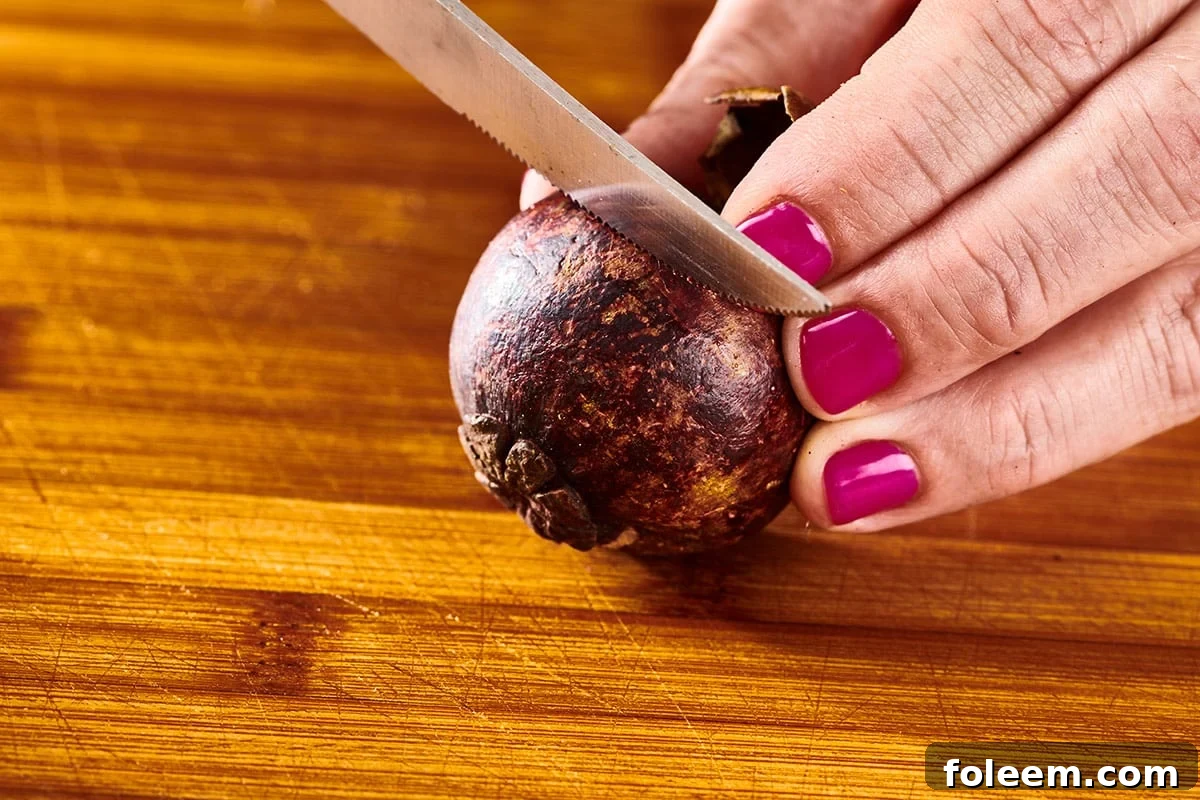
- Hold a mangosteen steady and make a shallow cut through the rind around the fruit’s circumference with a serrated knife. Avoid cutting deeply so you don’t damage the inner flesh.
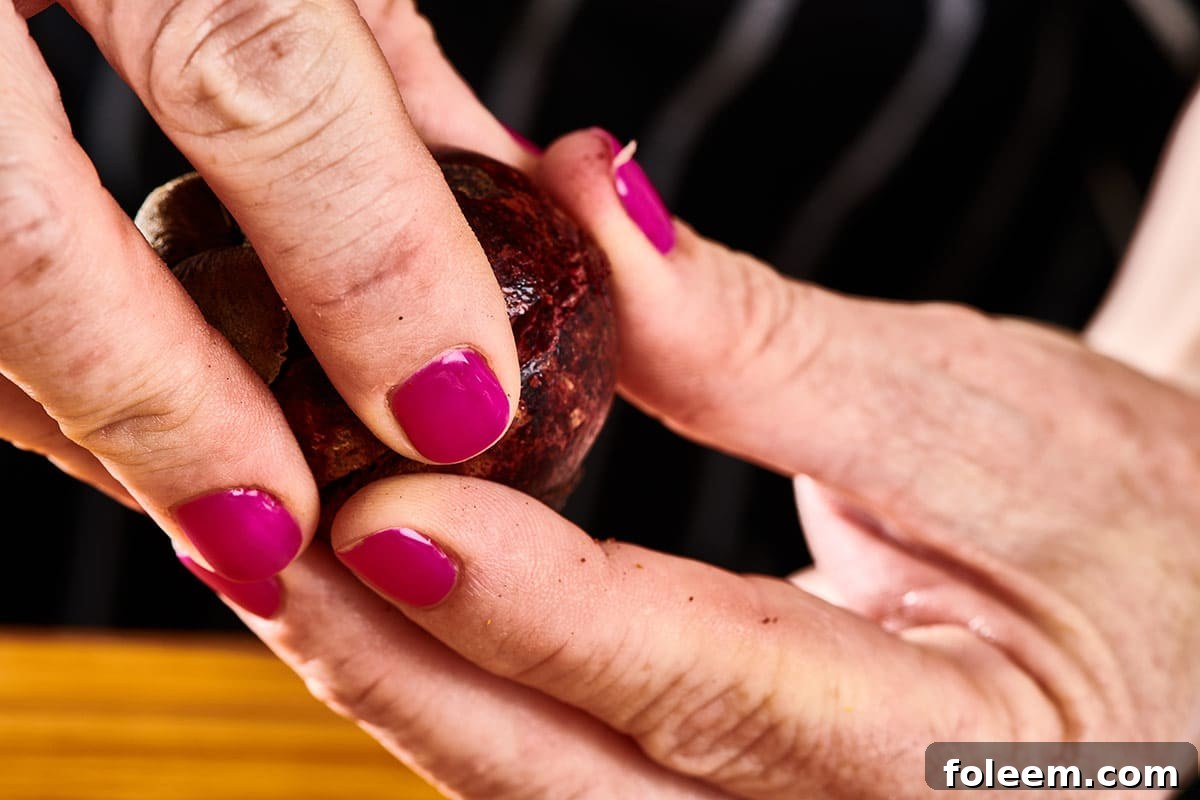
- Gently twist the two halves apart. If it resists, deepen the cut slightly and try again.
- Remove the white segments as you would orange sections. Enjoy them fresh or use them in recipes.
How to Cook With Mangosteens
Mangosteen flesh is delightful raw and works well in fruit salads, parfaits, or simply on its own. It can also be incorporated into baked goods like tarts or clafoutis in the same way you might use peaches or plums. The juice adds a bright, tart note to cocktails and sauces; some cooks use a small amount to enliven curry sauces or stir-fries. The rind is generally inedible, though it has been used in traditional preparations for color or infusion rather than consumption.
Everything you need to know about buying, preparing, storing and eating mangosteens.
How to Store Mangosteens
Fresh mangosteens have a short shelf life, so refrigerate them as soon as possible. When shipped from afar they are typically sent quickly to preserve quality. Stored in the fridge, they will last several days to a week depending on ripeness at purchase.
Fun Facts About Mangosteens
The origin of the mangosteen is somewhat unclear, and the fruit carries several interesting traits and cultural ties:
- The number of raised “petals” on the bottom of a mangosteen usually corresponds to the number of inner segments.
- Mangosteen is the national fruit of Thailand.
- The fruit appears in literature, including a reference in Rudyard Kipling’s poem “The Crab That Played With the Sea.”
Try Adding Mangosteen to These Recipes
- Fruit salad with mixed tropical fruits and mangosteen segments
- Creamy rice pudding topped with fresh mangosteen
- Thai green curry finished with small mangosteen pieces or a splash of juice
- Stone-fruit tarts or clafoutis using mangosteen in place of peaches or plums