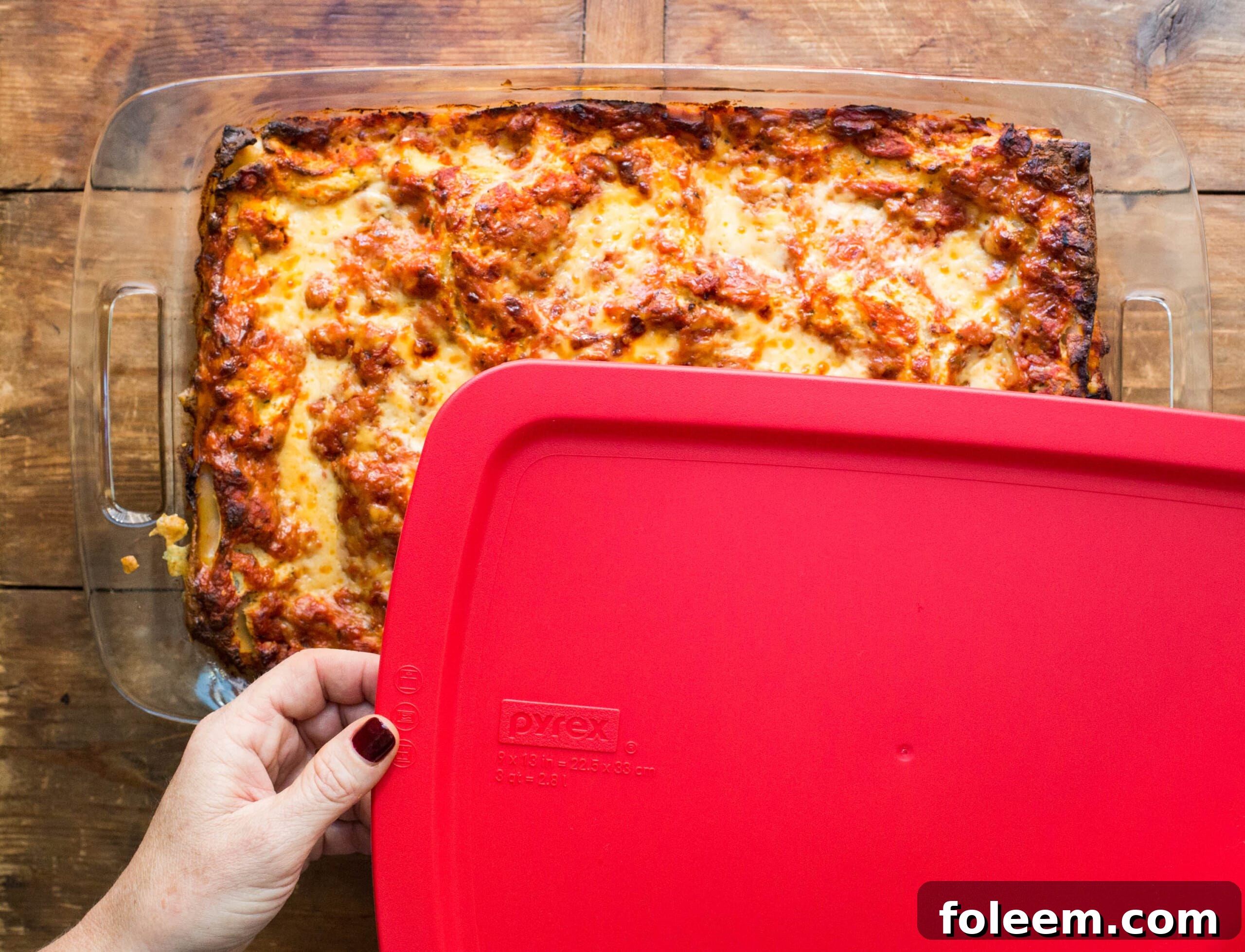
Smart move — planning meals ahead saves time and stress. If you’re reading this, you’re preparing casseroles to freeze for future dinners, holiday gatherings, or a dinner party. Freezing casseroles correctly means future-you will thank present-you. Follow these straightforward steps to freeze, store, and reheat casseroles so they taste fresh weeks or months later.
- Which Types of Casseroles Freeze Best?
- Which Casseroles Do Not Freeze Well?
- What Are the Best Containers for Freezing Casseroles?
- How to Freeze a Casserole
- FAQs
- How Long Can You Freeze a Casserole?
- How To Safely Defrost a Casserole
- How To Safely Reheat a Casserole in the Oven
- Casserole Freezing Tips
- 12 Make-Ahead Casserole Recipes to Freeze and Defrost
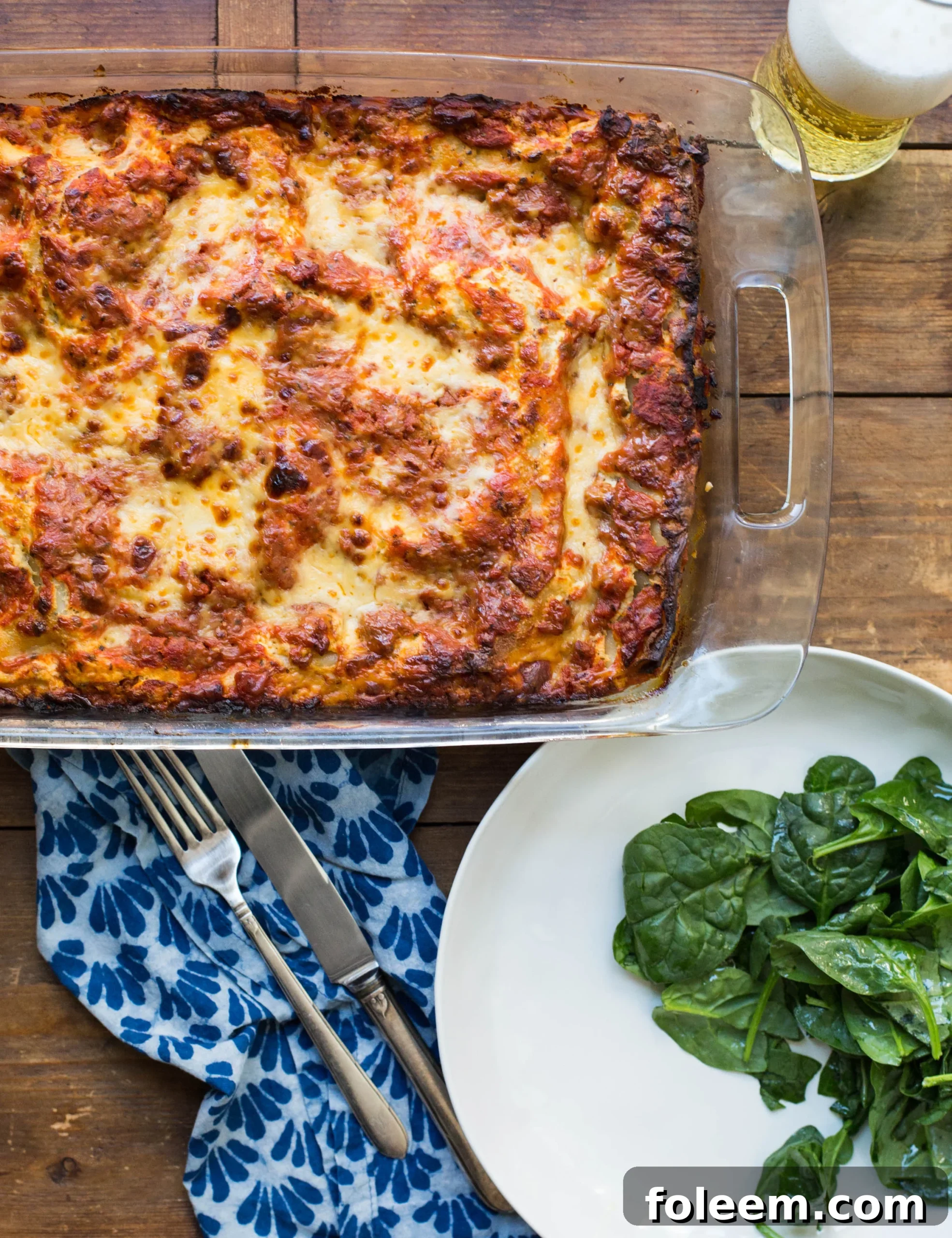
Which Types of Casseroles Freeze Best?
Many casseroles freeze very well: pot pies, lasagnas, pasta bakes, enchiladas, and mixed meat-and-vegetable casseroles all hold up nicely. Soups, chilis, and most non-creamy broths also freeze well and are convenient to store for later.
Which Casseroles Do Not Freeze Well?
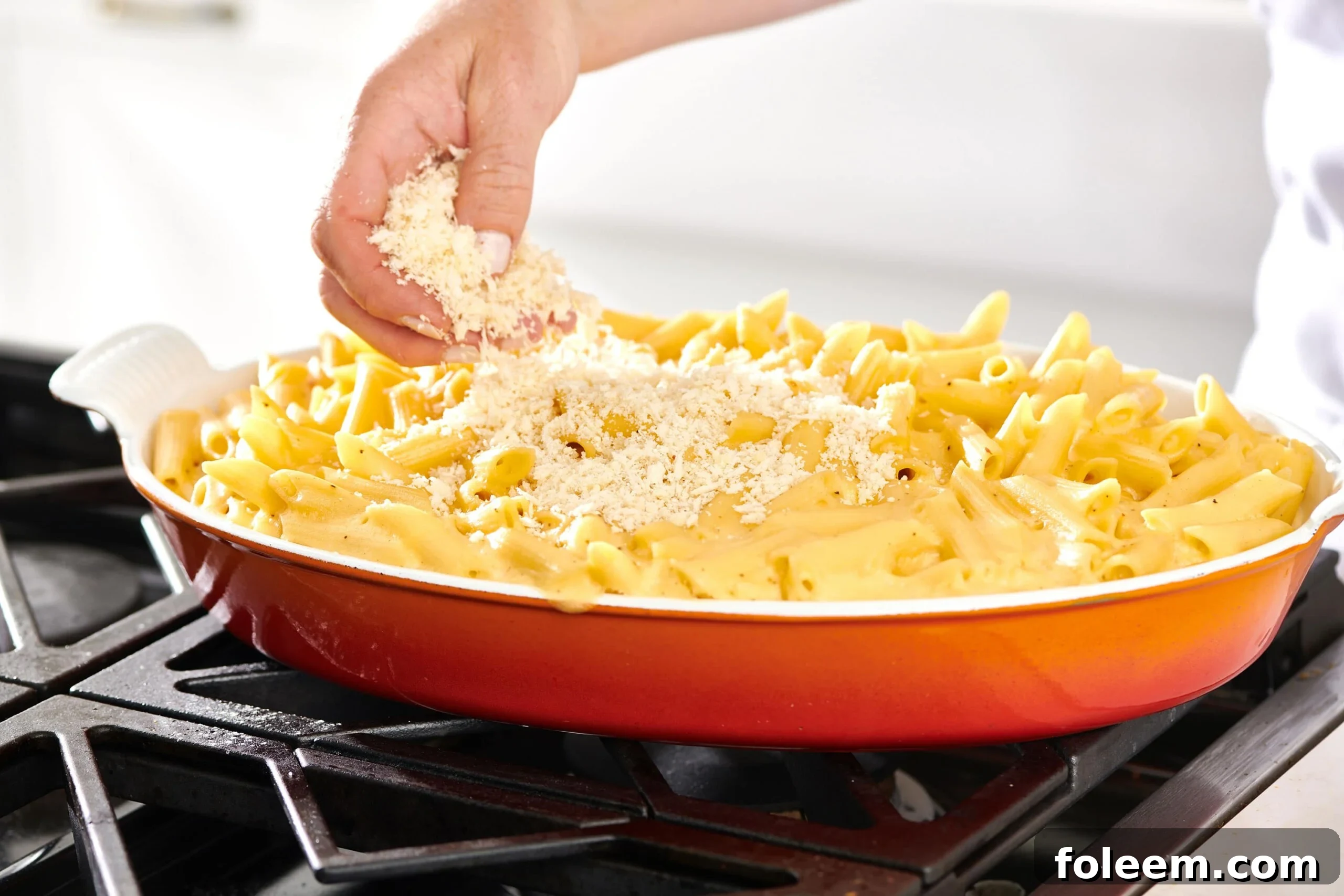
Casseroles with a lot of cream, mayonnaise, or whole eggs can suffer in texture after freezing. Potatoes and other starchy vegetables often become watery or grainy and may darken. Some dairy-based dishes like certain mac and cheeses can freeze acceptably but may develop a slightly grainy texture when reheated. Quiches often freeze reasonably well if handled carefully.
What Are the Best Containers for Freezing Casseroles?
The easiest method is to freeze a casserole in the dish you baked it in, then, once solid, remove it and slide it into a freezer-safe container or a heavy-duty freezer bag with excess air pressed out. Freezer-safe plastic or glass containers with airtight lids work well if you can spoon the food into them; leave about 1/2-inch of headroom for expansion. Avoid oversized containers that leave too much air, which increases the risk of freezer burn.
How to Freeze a Casserole
Line baking pans with foil for easy removal if you want to free the dish after freezing. Cover the casserole tightly with foil or plastic wrap, freeze until solid, then slide the frozen block into a properly sized container or a thick freezer bag and press out as much air as possible. Lay bagged casseroles flat to freeze so they chill quickly, store compactly, and thaw faster.
Kitchen Smarts
Label each package with the contents, the date, and which pan it should be reheated in to avoid confusion later.
You can also wrap casseroles with several layers of plastic wrap or foil before placing them in the freezer. If you have dishes with locking lids, they’re convenient — just leave a little headroom so the lid won’t pop off as the food expands.
FAQs
Use a strip of tape or a freezer label and write the name of the dish, the date you froze it, and any reheating or defrosting notes. Use an indelible marker so labels don’t fade. Many freezer bags also have a white write-on area for this purpose.
Minimize air exposure by packing food tightly into containers or pressing excess air from freezer bags. Leave only a small amount of headspace for expansion. Proper airtight wrapping and a consistent freezer temperature reduce the risk of freezer burn.
How Long Can You Freeze a Casserole?
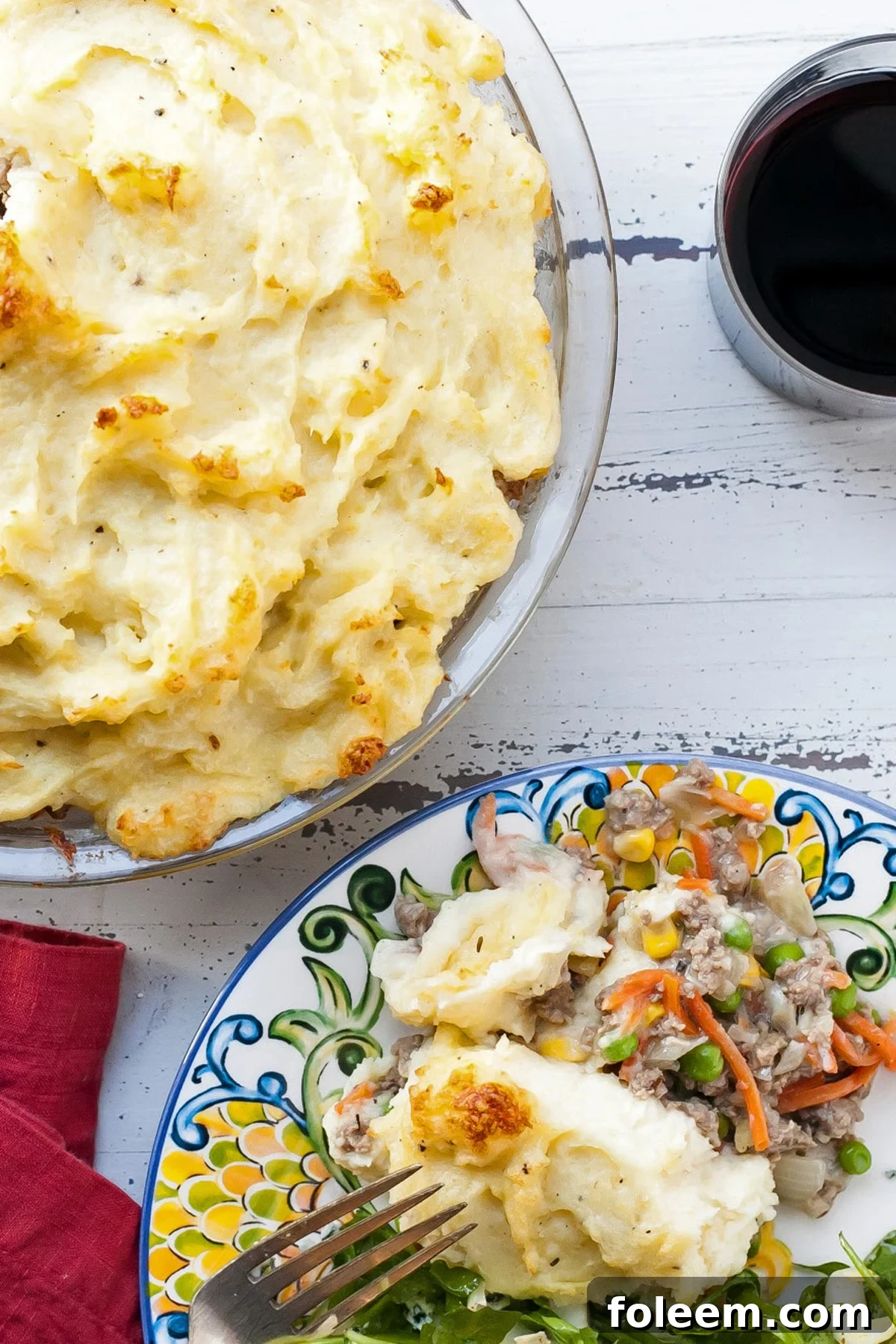
Storage time varies by ingredients, but most casseroles keep quality for about four months in the freezer. Items without dairy or delicate vegetables can often be stored longer, but for best flavor and texture, use within a few months.
How To Safely Defrost a Casserole
Always thaw casseroles in the refrigerator, not on the counter, to prevent bacterial growth. Allow at least 24 hours for most casseroles; larger or deeper dishes may need a full day or two. Small portions can be defrosted in the microwave on a safe rotating tray to thaw evenly.
How To Safely Reheat a Casserole in the Oven
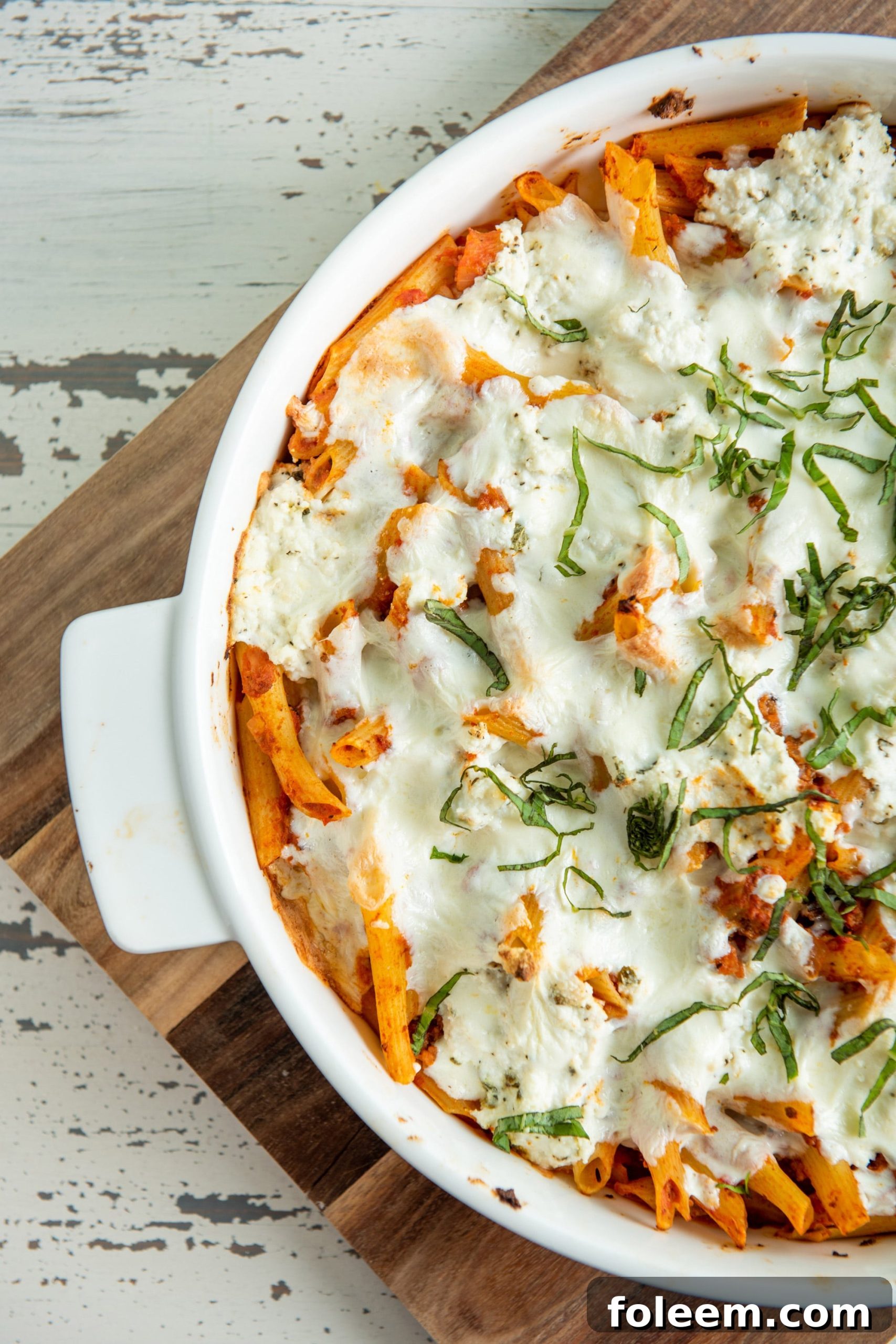
Reheat cooked casseroles in a preheated oven covered with foil to retain moisture. A general guideline is 350°F for about 15–25 minutes for smaller portions; larger or fully frozen casseroles will take longer. If reheating from frozen, add 20–30 minutes to the covered cooking time and remove foil toward the end to brown the top if desired. Ensure the casserole is hot throughout before serving.
Yes, most casseroles can go from freezer to oven; expect a longer cooking time. If your bakeware is fragile or heirloom, thaw in the fridge first to avoid thermal shock. Use an instant-read thermometer if you’re unsure: foods with meat should reach a safe internal temperature (typically 160°F for fully cooked casseroles) before serving.
Casserole Freezing Tips
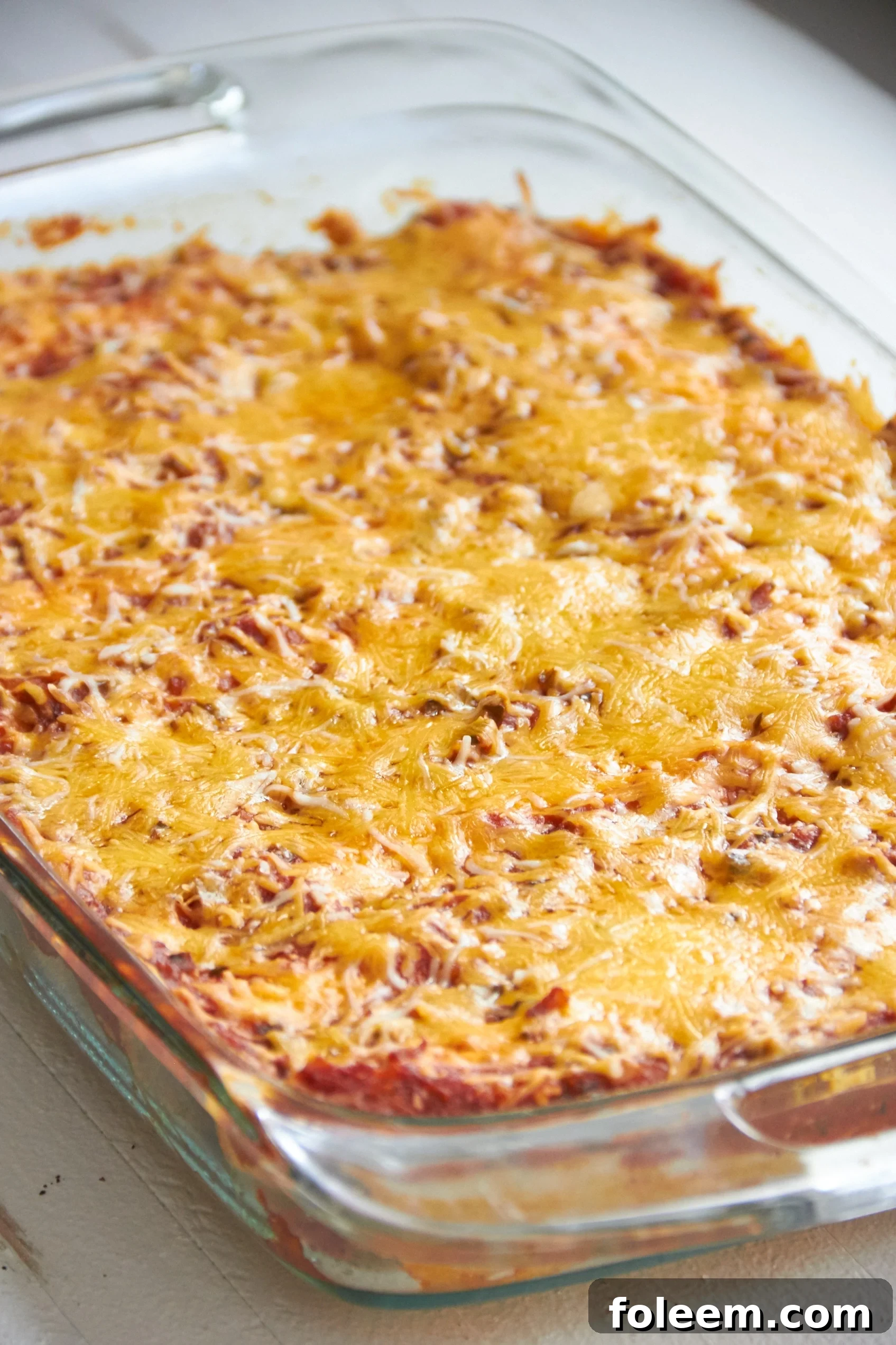
- Keep your freezer at 0°F (-18°C) for safe long-term storage.
- Slightly undercook casseroles you plan to freeze, unless they contain raw meat — meat dishes should be fully cooked before freezing for safety.
- Hold back fresh garnishes, herbs, scallions, or finishing cheeses and add them after reheating for best texture and appearance.
- Cool casseroles to room temperature, then chill in the refrigerator before freezing if they contain perishable ingredients, to minimize ice crystals and bacterial risk.
12 Make-Ahead Casserole Recipes to Freeze and Defrost

Shepherd’s Pie
View Recipe

Huevos Rancheros Breakfast Casserole
View Recipe

Spicy Chicken and Black Bean Enchiladas
View Recipe
Salmon Pot Pie
View Recipe