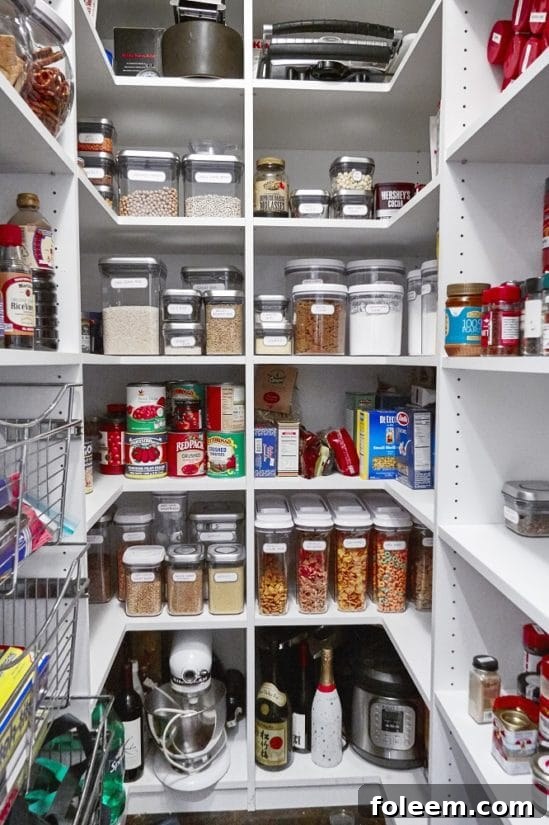
A question often asked of cooks, food writers, and anyone who spends a lot of time in the kitchen is: what is your favorite ingredient? My usual reply is two-fold: olive oil and salt. But beyond those fundamentals, there are a handful of everyday pantry staples that make cooking easier, meals more flavorful, and weeknights less stressful. Below are ten reliable ingredients and practical ways to use them.
1. Olive Oil, Pure and/or Extra Virgin Olive Oil
Ideally keep both a cooking-grade olive oil and a good extra-virgin on hand. For most savory dishes—excluding many Asian recipes—olive oil is the go-to. A simple weeknight meal can be as effortless as pan-searing chicken, fish, or a cut of meat in olive oil with salt and pepper.
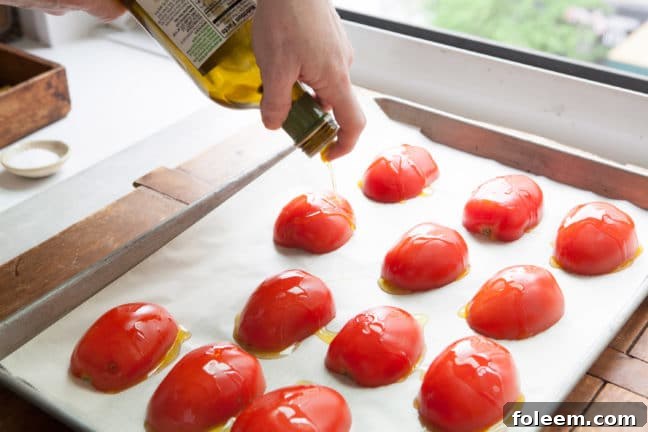
Use purer, less expensive olive oil for cooking and reserve extra-virgin for finishing, dressings, or drizzling over roasted vegetables and fresh tomatoes. Olive oils vary in intensity and flavor—some are fruitier or more peppery—so try different brands to find those you prefer. There are good-quality extra-virgins at reasonable prices that work fine for everyday use if you prefer to keep only one bottle.
2. Kosher Salt
Salt is the most essential seasoning to have. It brightens flavors in both savory and sweet recipes. Kosher salt, with its larger crystals and lack of additives, tends to taste cleaner and is easier to pinch and control than table salt. Sea salt is another option if you like a coarser texture, but avoid salts that are excessively large so you don’t bite into hard crystals.
Special finishing salts—like fleur de sel, Maldon, or Hawaiian varieties—are worth keeping for sprinkling at the end of a dish. They’re best used sparingly so their subtle flavors and textures shine rather than being lost in cooking.
3. Dijon Mustard
Dijon mustard adds instant lift to dressings, dips, pan sauces, tuna salad, and even creamy dishes like macaroni and cheese. When used as an ingredient, mustard enhances complexity much like salt, pepper, or soy sauce. You can choose smooth or coarse-grain Dijon—or keep both—to vary texture and flavor.
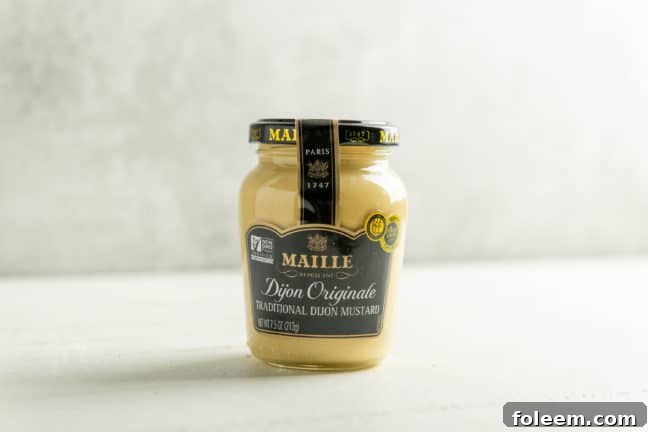
Dijon typically contains mustard seeds mixed with liquid, salt, and sometimes wine or vinegar, giving it a tangy backbone that works in many preparations.
4. Soy Sauce
Soy sauce is indispensable in Asian cooking but also useful as a flavor booster in non-Asian recipes. It contributes savory, umami richness and can be used in marinades, dressings, stir-fries, or to deepen stews and braises. If you prefer less salt, a reduced-sodium soy sauce keeps the flavor while cutting sodium. You can also dilute regular soy sauce with water (about two parts soy to one part water) to lower salt concentration.

5. Chipotle Peppers in Adobo Sauce
Chipotles in adobo bring a smoky, slightly spicy depth to many dishes: chilis, stews, soups, bean dishes, potato salads, barbecue sauces, and dips. Made from smoked jalapeños stewed with tomatoes, garlic, vinegar, and spices, the canned peppers can be pureed and stored in the fridge for quick use.
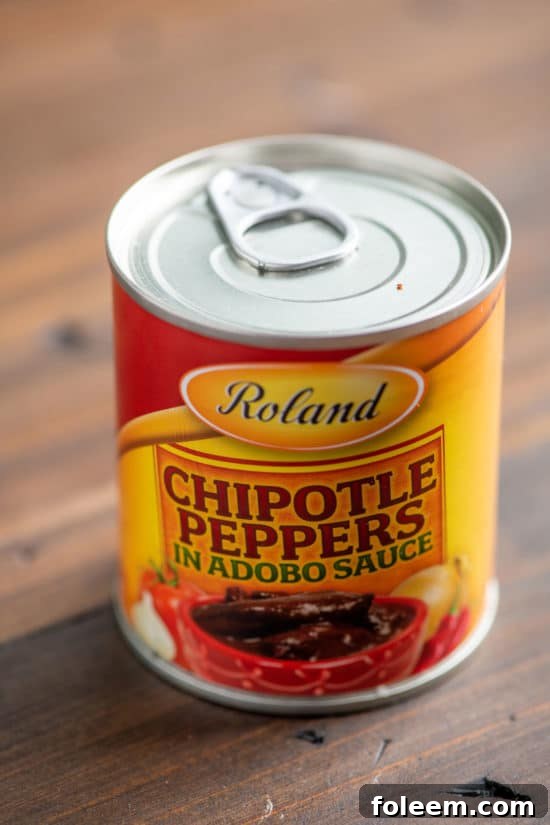
Keep a small container of the puree in the refrigerator and spoon out teaspoons as needed. A little adds smoky flavor with mild heat; more gives both pronounced flavor and stronger spice. It’s a versatile pantry shortcut that lasts for weeks once opened.
6. Canned Tomatoes
Canned tomatoes come in many forms—whole, crushed, diced, pureed, or sauced—and are essential for quick sauces, soups, stews, chilis, and braises. Whole tomatoes let you control texture by crushing them yourself, while crushed or pureed versions save time. Look for crushed-in-puree options for thicker sauces.
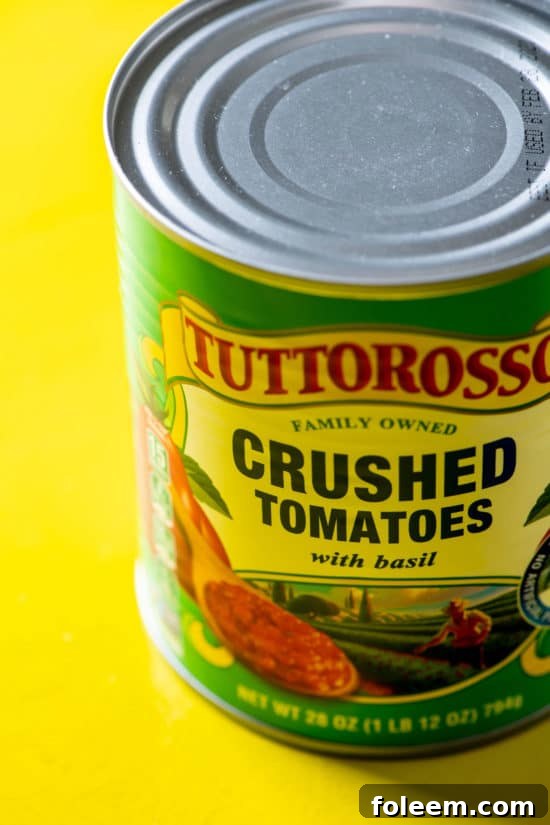
San Marzano-style tomatoes are prized for their sweetness and low acidity and are worth splurging on for special recipes, but many regional varieties are excellent too. Add canned tomatoes to soups, beans, stews, pot roasts, rice dishes, and chilis for body and brightness.
7. Dried Pasta
Dried pasta is a pantry lifesaver. With a box of pasta and a few fridge or pantry staples you can usually make dinner quickly—skillet meals, baked casseroles, mac and cheese, or simple sauced pastas. Different shapes suit different sauces: small pastas work in soups, long thin shapes pair with light sauces, and chunky shapes hold up to meaty ragùs. Whole-grain pasta is a straightforward way to add more fiber to meals.
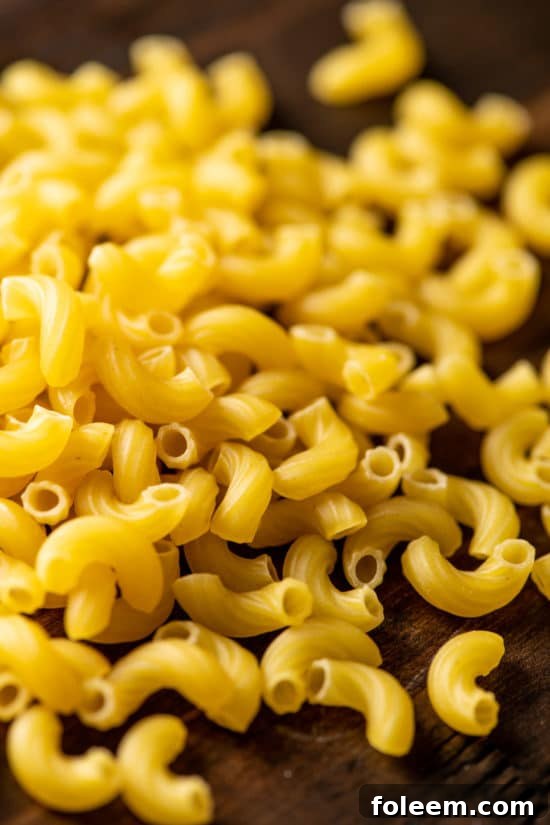
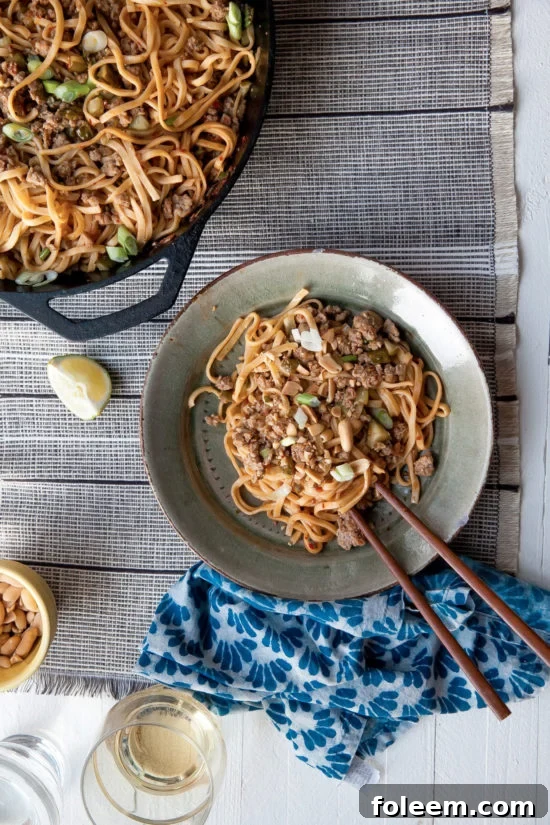
If you cook Asian dishes, explore wheat, rice, or buckwheat noodles from an Asian market or supermarket aisle—each has a different texture and cooking method, so follow the package directions for best results.
8. Canned Beans
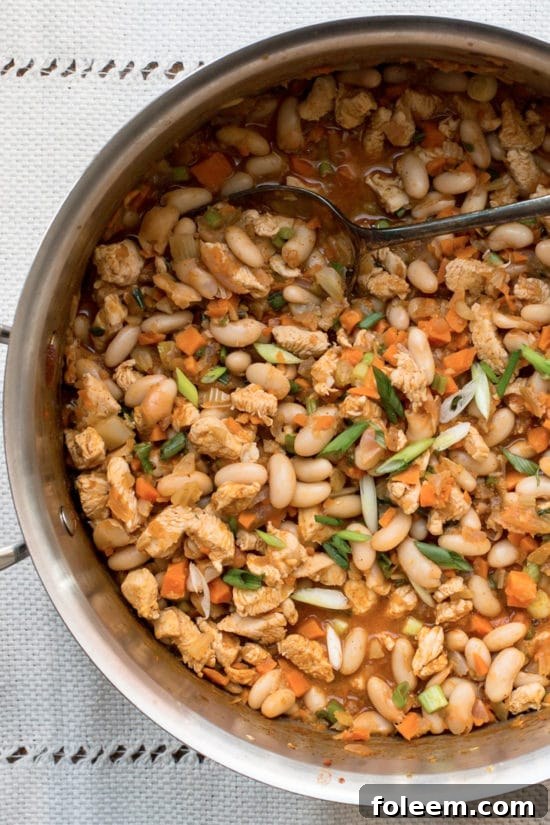
Canned beans are an economical, long-lasting source of protein and fiber. They’re versatile—use them in salads, soups, stews, chilis, dips, and side dishes. Dried beans are even more economical but require planning to soak and cook. Keep a variety on hand to match different cuisines and dishes.
Common options and uses:
• Garbanzo beans (chickpeas): salads, curries, purees like hummus.
• Black beans: Mexican dishes, soups, chilis, beans and rice.
• Kidney beans: chilis, stews, and Southern preparations.
• Cannellini beans: Italian soups, stews, and sides.
• Navy beans: baked beans, soups and stews.
• Pinto beans: refried beans, burritos, soups, and rice dishes.
9. Canned Broth (or Bouillon Cubes or Stock Paste)
Broth transforms dishes: use it to stretch leftovers into soups, simmer vegetables and rice into a comforting one-pot meal, or sauté and finish grains and proteins with broth instead of water for extra flavor. Canned or boxed broths keep well, and bouillon cubes or concentrated stock pastes are compact, long-lasting options that dilute easily into flavorful liquid.
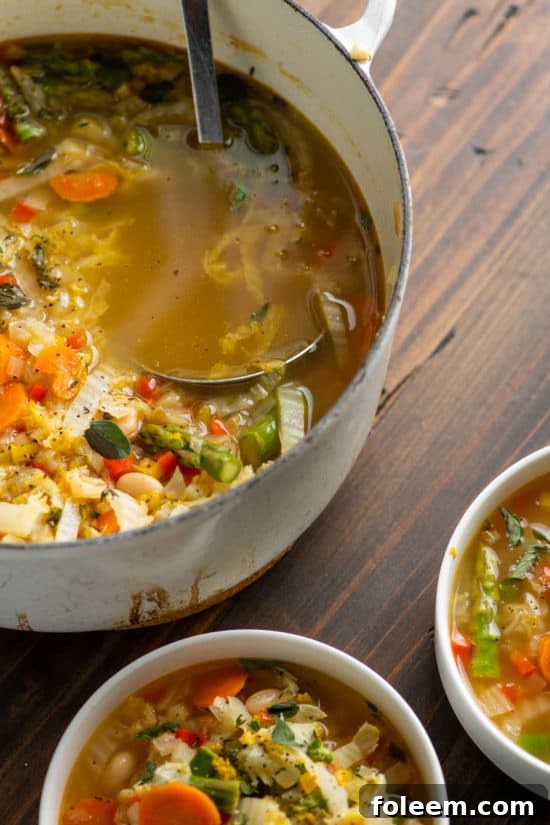
Keep chicken, beef, and vegetable stocks for different needs, and choose lower-sodium versions when possible so you can control seasoning.
10. Rice
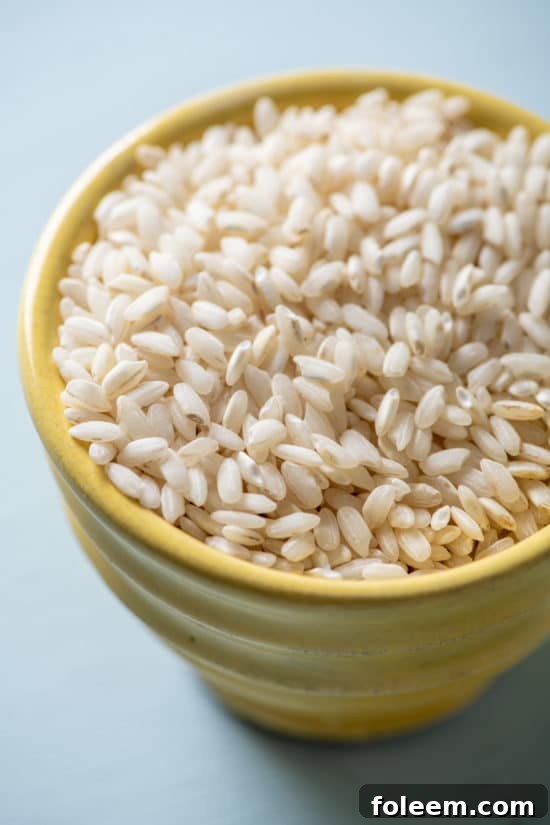
Rice—long grain, short grain, jasmine, Arborio, brown, or white—is a versatile foundation for many meals. Stir in chopped leftovers, vegetables, beans, or top with stew or chili. Brown rice offers more nutrition but takes longer to cook; different varieties suit different textures and dishes.
Having these ten staples stocked will help you turn disparate ingredients into satisfying meals quickly and consistently. Simple staples + a few fresh items = endless dinner possibilities.