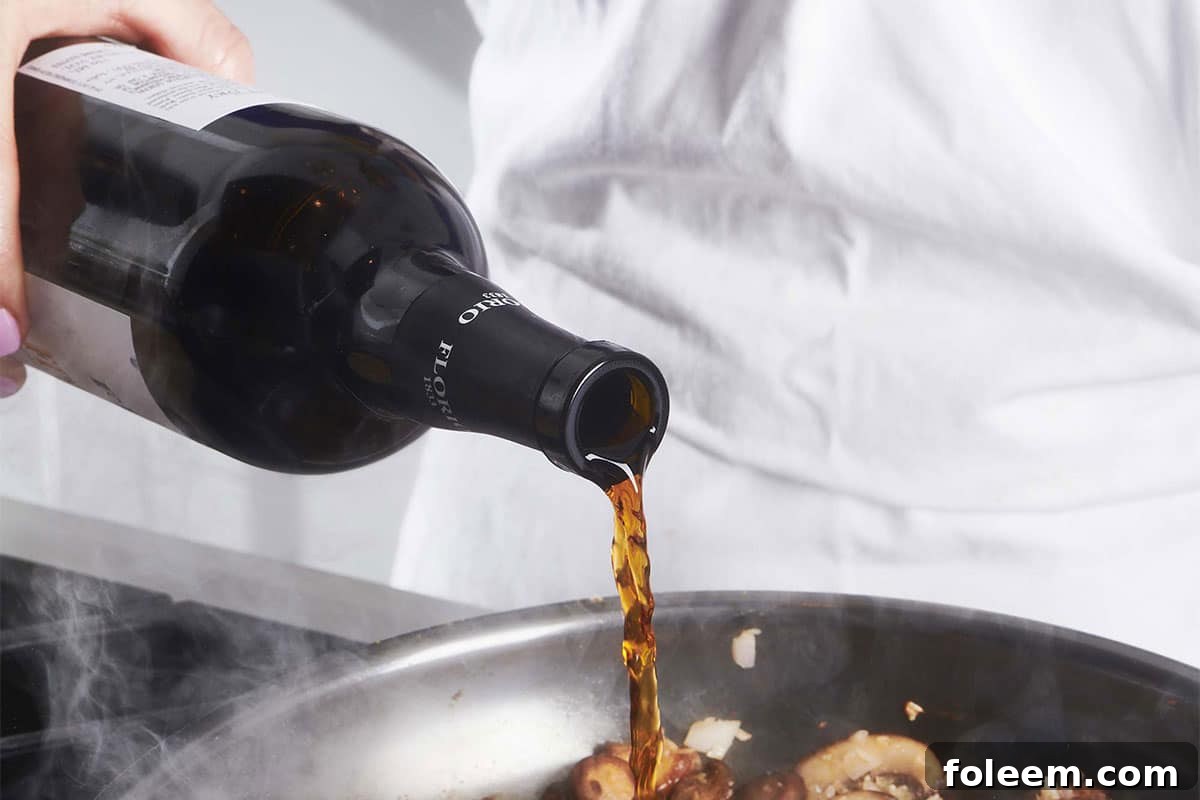
Marsala wine may sound elegant, but it’s an easy way to add immediate depth and richness to many dishes. If you’ve enjoyed Chicken Marsala at a restaurant—the silky sauce coating savory mushrooms and tender chicken—you’ve tasted Marsala in action.
Produced in Sicily, Marsala is a fortified wine with a slightly sweet, nutty profile that makes it highly versatile in the kitchen. Use it to deglaze a pan, build a sauce, or finish a dessert; a splash of Marsala can elevate a recipe with little effort.
- What Is Marsala Wine?
- How to Use Marsala Wine in Cooking
- Marsala vs. Madeira – What’s the Difference?
- How to Store Marsala Wine
- Is Marsala Wine Sweet or Dry?
- FAQs
- Recipes That Use Marsala Wine
What Is Marsala Wine?
Marsala is a fortified wine from the Marsala region of Sicily, made by adding a spirit—often brandy—during production. Its flavor develops as it ages, producing caramelized, nutty, and sometimes vanilla-like notes. Depending on aging and style, Marsala can be rich and syrupy or drier and more savory.
Typical grapes used for Marsala include Sicilian varieties like Grillo, Inzolia, and Catarratto. Labels also indicate sweetness and aging categories—dry, semi-sweet, or sweet, and terms such as fine, superiore, or riserva—so you can choose the style that best fits your cooking needs.
How to Use Marsala Wine in Cooking
Marsala is highly adaptable. Common culinary uses include:
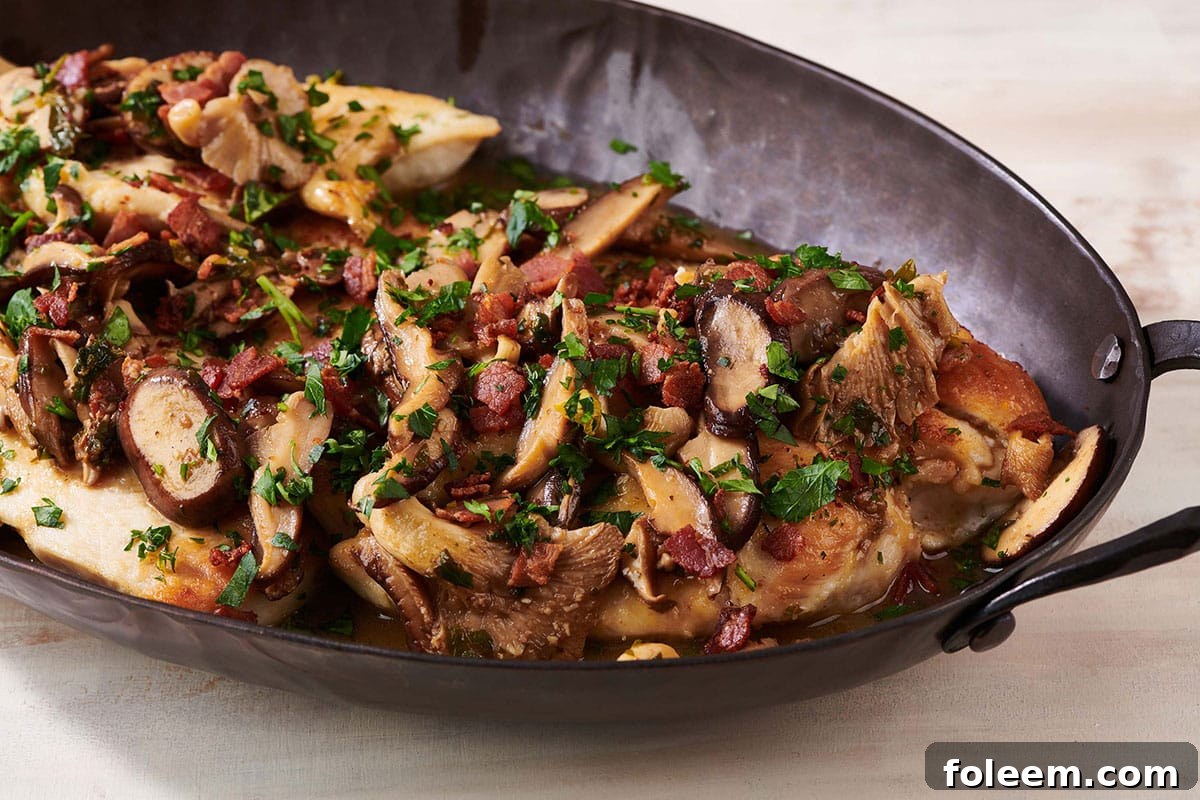
- Sauces: The signature use is Chicken Marsala, where the wine reduces with butter, stock, and mushrooms to form a glossy sauce.
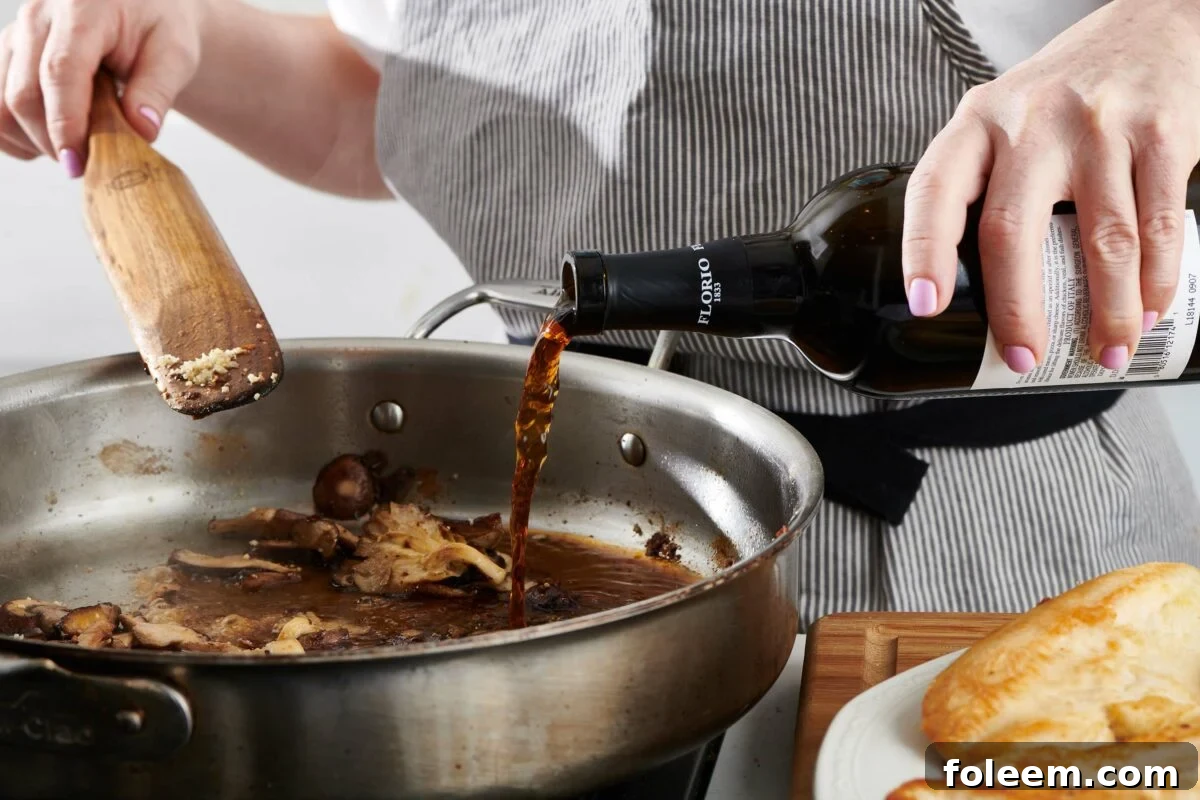
- Deglazing: A splash of Marsala lifts browned bits from a pan after searing meat or sautéing vegetables, creating instant flavor.
- Vegetables: Dry Marsala deepens the flavor of caramelized onions, roasted mushrooms, and creamy vegetable soups.
- Desserts: Sweet Marsala pairs beautifully with zabaglione, poached fruit, or drizzled over ice cream.
Kitchen Smarts
Use dry Marsala for savory dishes and sweet Marsala for desserts.
Marsala vs. Madeira – What’s the Difference?
Both Marsala and Madeira are fortified wines, but they come from different regions and bring distinct flavor profiles.
- Origin: Marsala is from Sicily; Madeira comes from the Madeira Islands of Portugal.
- Flavor: Marsala tends to show caramel, nuts, and warm sweetness. Madeira often has a brighter, tangier edge with notes of citrus, toasted nuts, and burnt sugar.
How to Substitute Marsala and Madeira
If you don’t have Marsala, a medium-dry Madeira is a good substitute. Expect a slightly brighter finish in the final dish.
How to Store Marsala Wine
Fortified wines like Marsala last longer than regular table wines. After opening, seal the bottle tightly and store it in a cool, dark place. Refrigeration is optional but can help preserve flavors. Use opened Marsala within a few weeks to a couple of months for best results—over time it will lose nuance even if it doesn’t spoil like perishable food.
Is Marsala Wine Sweet or Dry?
Marsala comes in dry (secco), semi-sweet (semisecco), and sweet (dolce) styles. Sweetness depends on where the fermentation stops and how much residual sugar remains.
- Dry (Secco): Low sugar, nutty and complex, ideal for savory cooking where sweetness isn’t desired.
- Semi-Sweet (Semisecco): Lightly sweet and balanced—useful for glazes, pan sauces for pork or duck, or roasted vegetables.
- Sweet (Dolce): Rich and syrupy with toffee, fig, and honey notes—perfect for desserts.
If you plan to buy just one bottle for cooking, dry Marsala is the most versatile choice: you can always add sweetness if needed, but you can’t remove it once present.
FAQs
Dry Marsala suits savory dishes like sauces, meats, and risottos. Sweet Marsala is best for desserts and sweet glazes. For dinner cooking, choose dry; for baking and desserts, choose sweet.
Yes. Madeira is the closest match; a medium-dry Madeira will give similar depth. Another option is a mix of white wine and a splash of brandy if needed.
Marsala ages more slowly than table wine once opened. Stored tightly sealed in a cool, dark place, it will keep its flavors for several weeks to a few months, though its aroma and complexity will fade over time.
Recipes That Use Marsala Wine
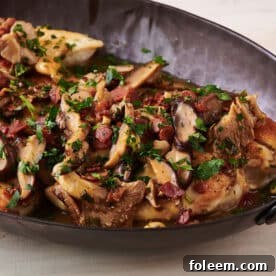
Chicken Marsala
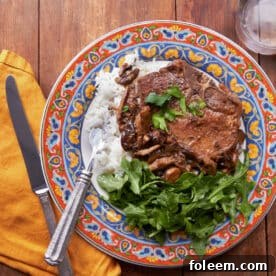
Pork Marsala

Turkey Marsala
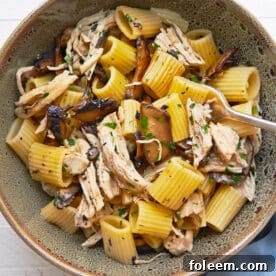
Chicken Marsala Pasta
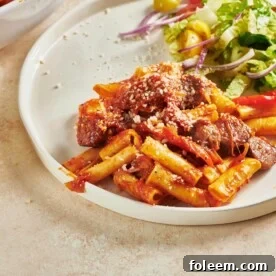
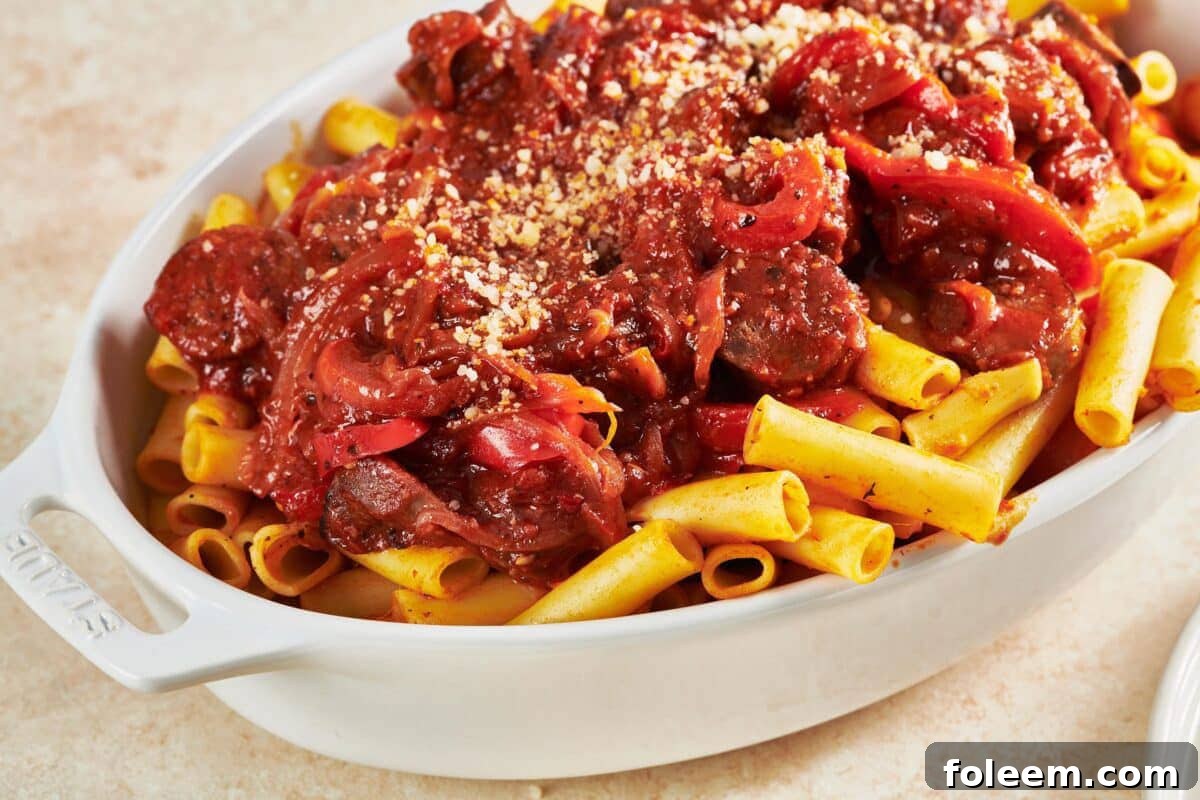
East Italian Sausage and Peppers Pasta