My friend Jenny once emailed with the subject line, “Spaghetti squash?” Her message was short: “Never made it before in my life, and tonight’s the night. Any words of wisdom?”
If you’ve looked at that pale yellow gourd and wondered how it can turn into silky, noodle-like strands, you’re not alone. Spaghetti squash is a useful, lower-carb and gluten-free alternative to pasta — though it mimics spaghetti in shape more than in texture or flavor.
Cooked spaghetti squash has a mild, slightly buttery taste, is nutritious, and is fun to prepare. It’s an especially great kitchen project for kids, since the squash practically “spiralizes” itself when you scrape it. While you can cook it in the microwave, I prefer roasting for the best texture.
Toss the cooked strands with meat sauce, bolognese, garlic oil, or tomato sauce for a simple, satisfying meal.
- What Is Spaghetti Squash?
- What Does Spaghetti Squash Look Like?
- What Does Spaghetti Squash Taste Like?
- How to Prepare Spaghetti Squash
- FAQs
- What to Serve With Spaghetti Squash
- How to Cook Spaghetti Squash Recipe
What Is Spaghetti Squash?
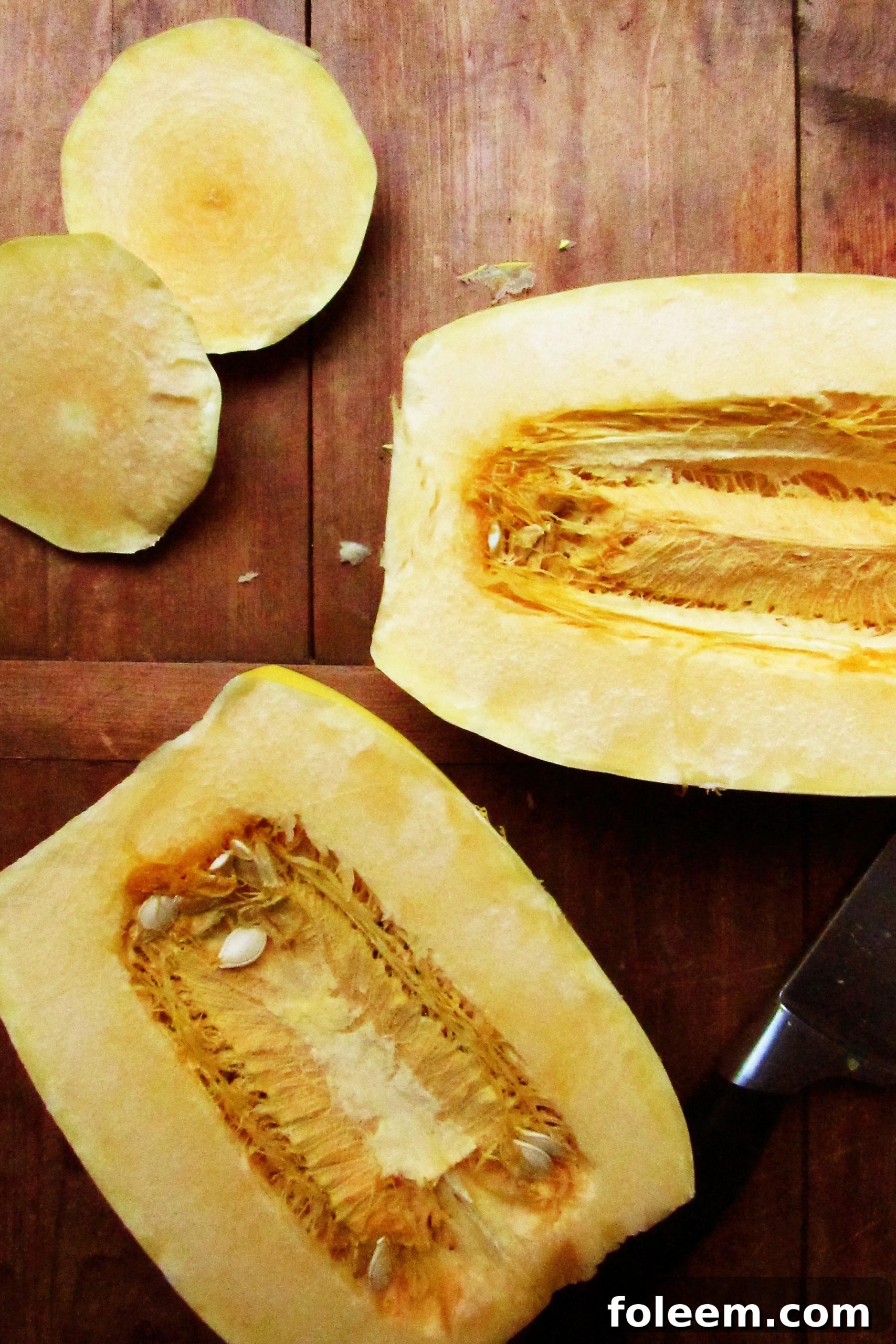
Spaghetti squash is a winter squash with an oblong shape and pale yellow skin. Raw, its flesh is firm and contains numerous seeds. When cooked, the flesh separates into long, thin strands that resemble spaghetti — which is how it got its name.
What Does Spaghetti Squash Look Like?
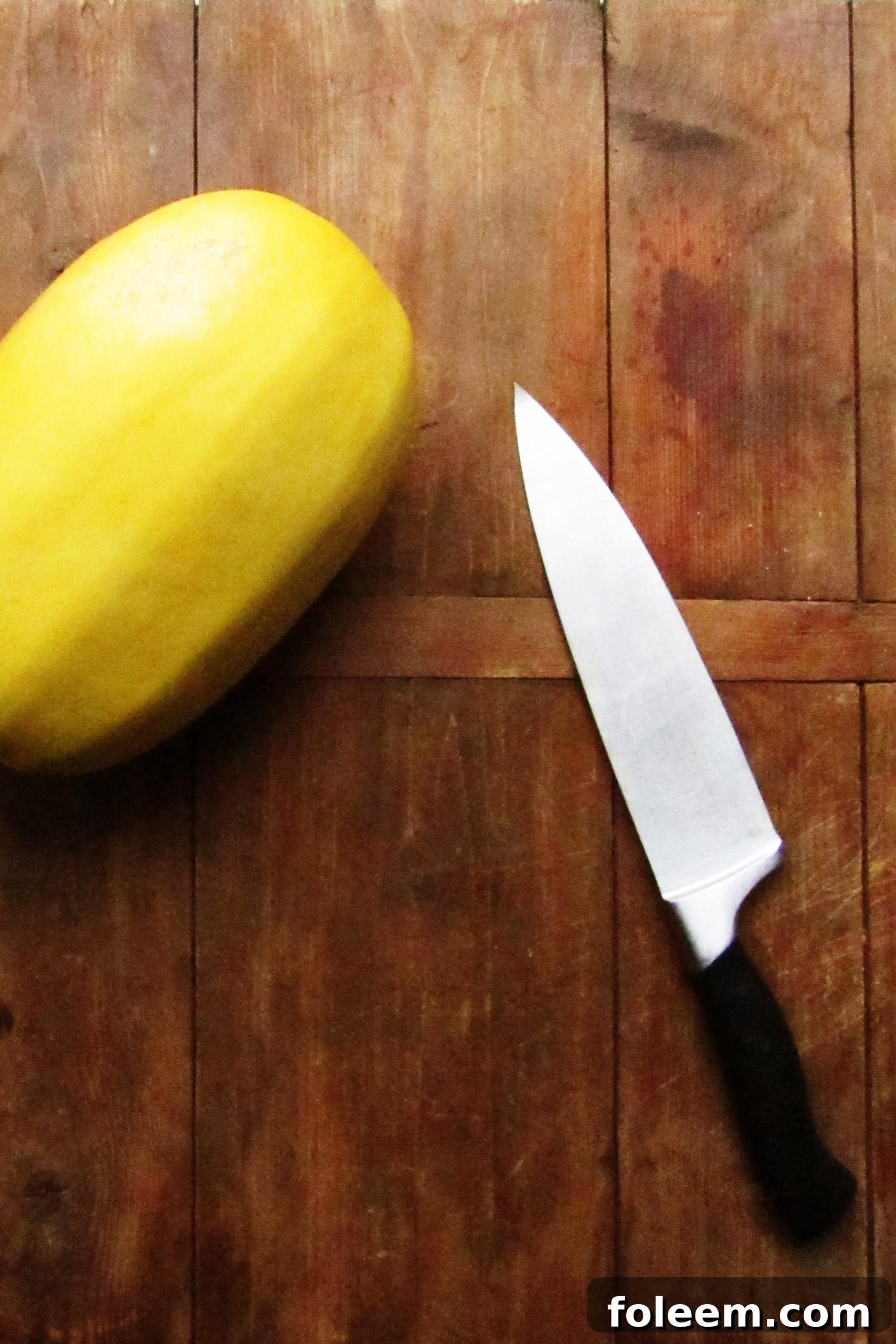
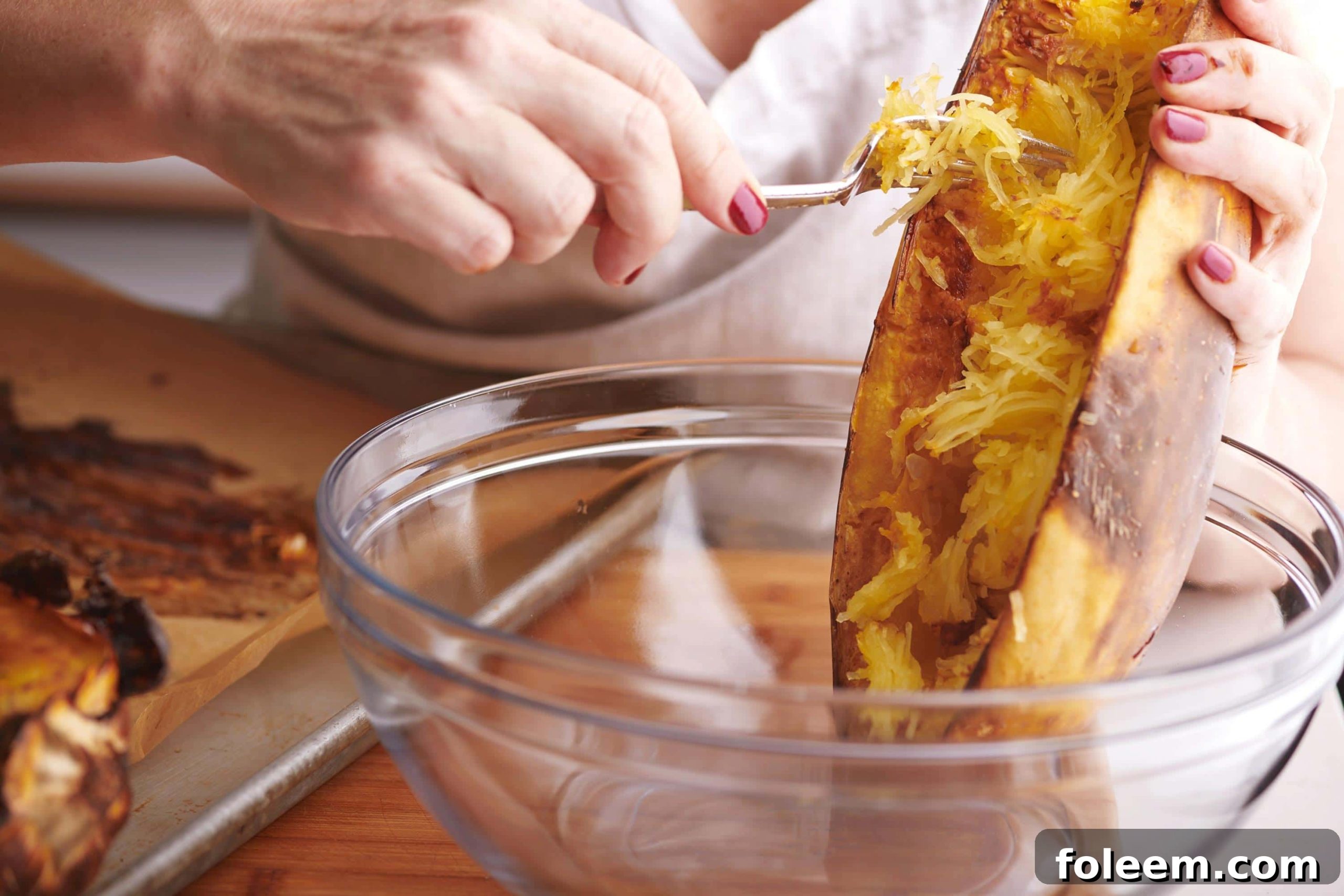
In stores you’ll find a yellow, oblong gourd. Cut it open and roast it, then rake a fork against the interior walls to reveal the thin strands that look remarkably like spaghetti.
What Does Spaghetti Squash Taste Like?
Spaghetti squash has a neutral, slightly buttery flavor. Because it’s mild, you can choose to highlight the squash itself with simple seasoning, or use it as a base for a richly flavored sauce or ragu.
How to Prepare Spaghetti Squash
- Remove the ends: Cut the ends off using a heavy, stable knife. Removing the ends creates flat surfaces that help stabilize the squash for safer cutting.
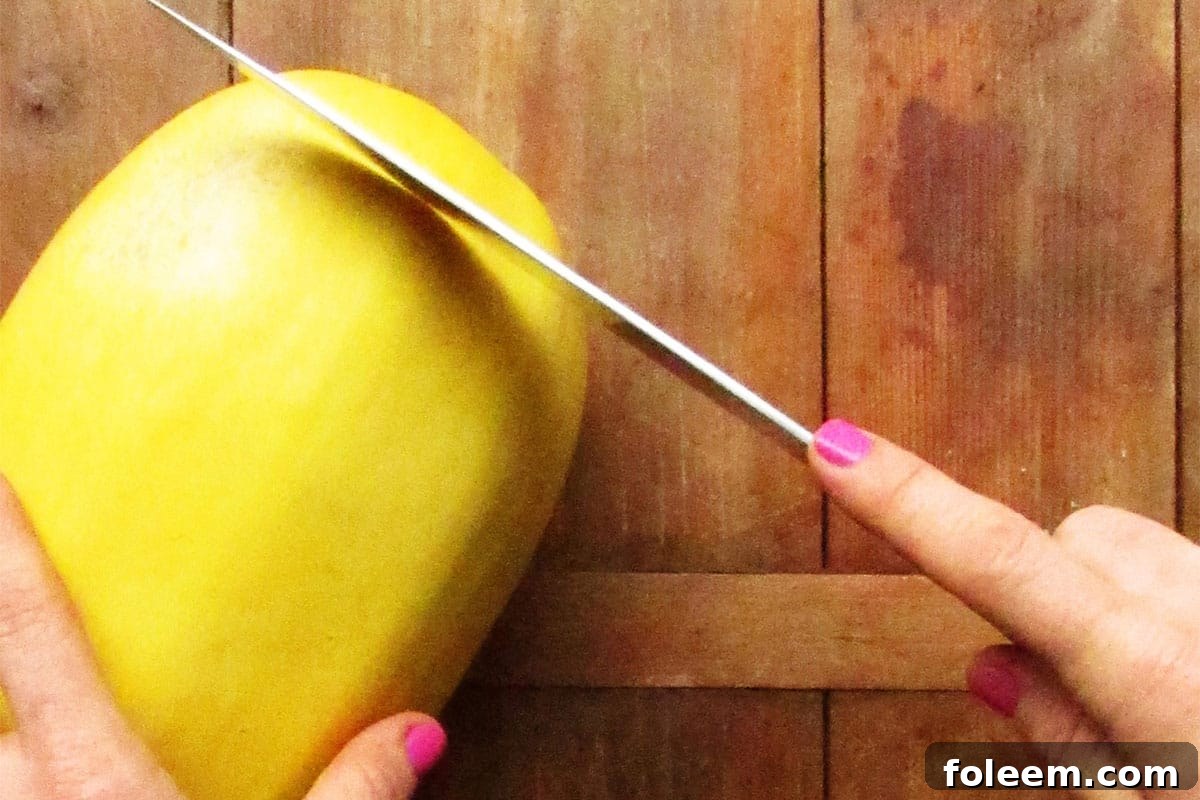
- Cut in half lengthwise: Place the squash on one flat side, cut a small notch to start, then slice down the middle lengthwise. Use a rocking motion and keep your non-knife hand clear and steady.
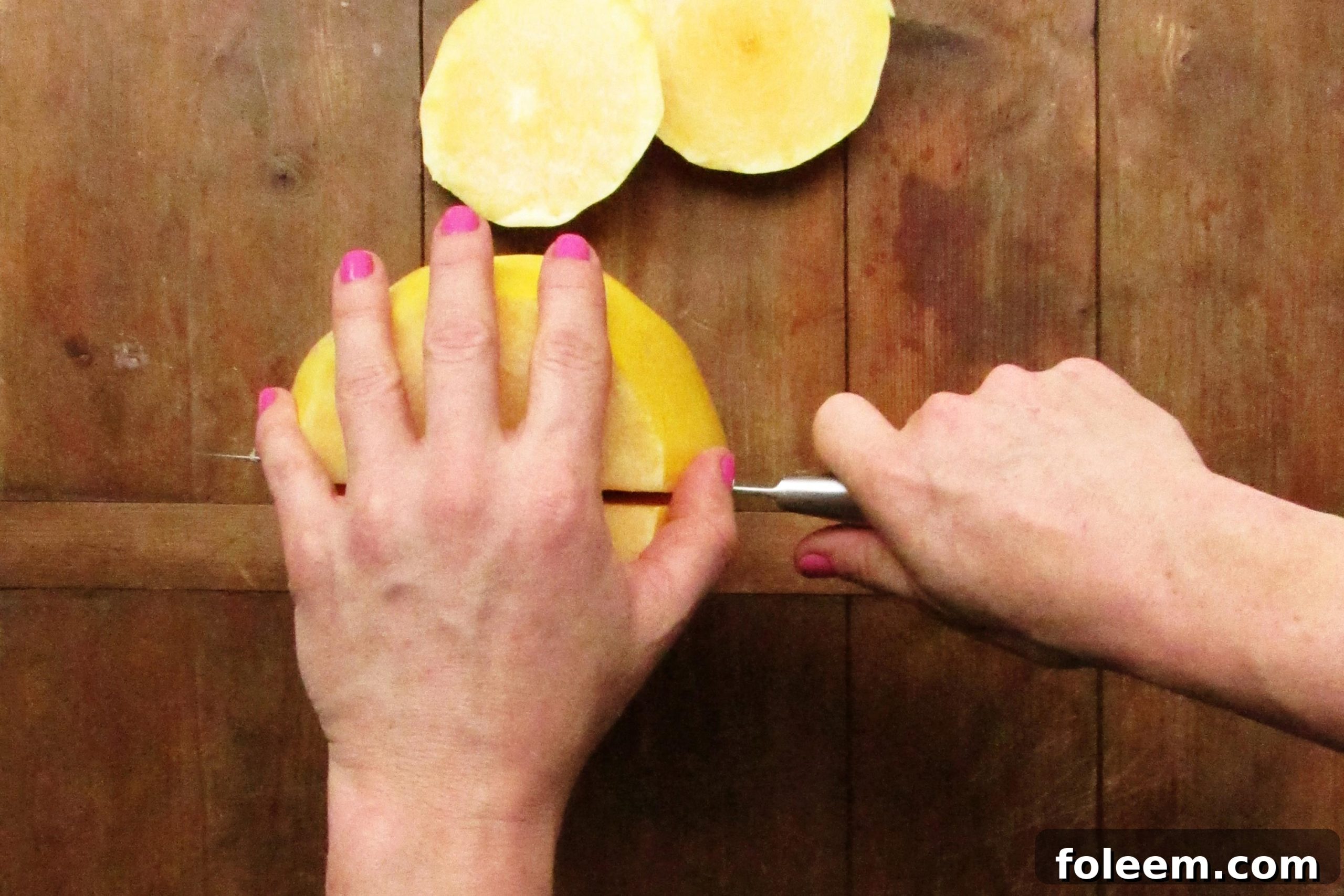
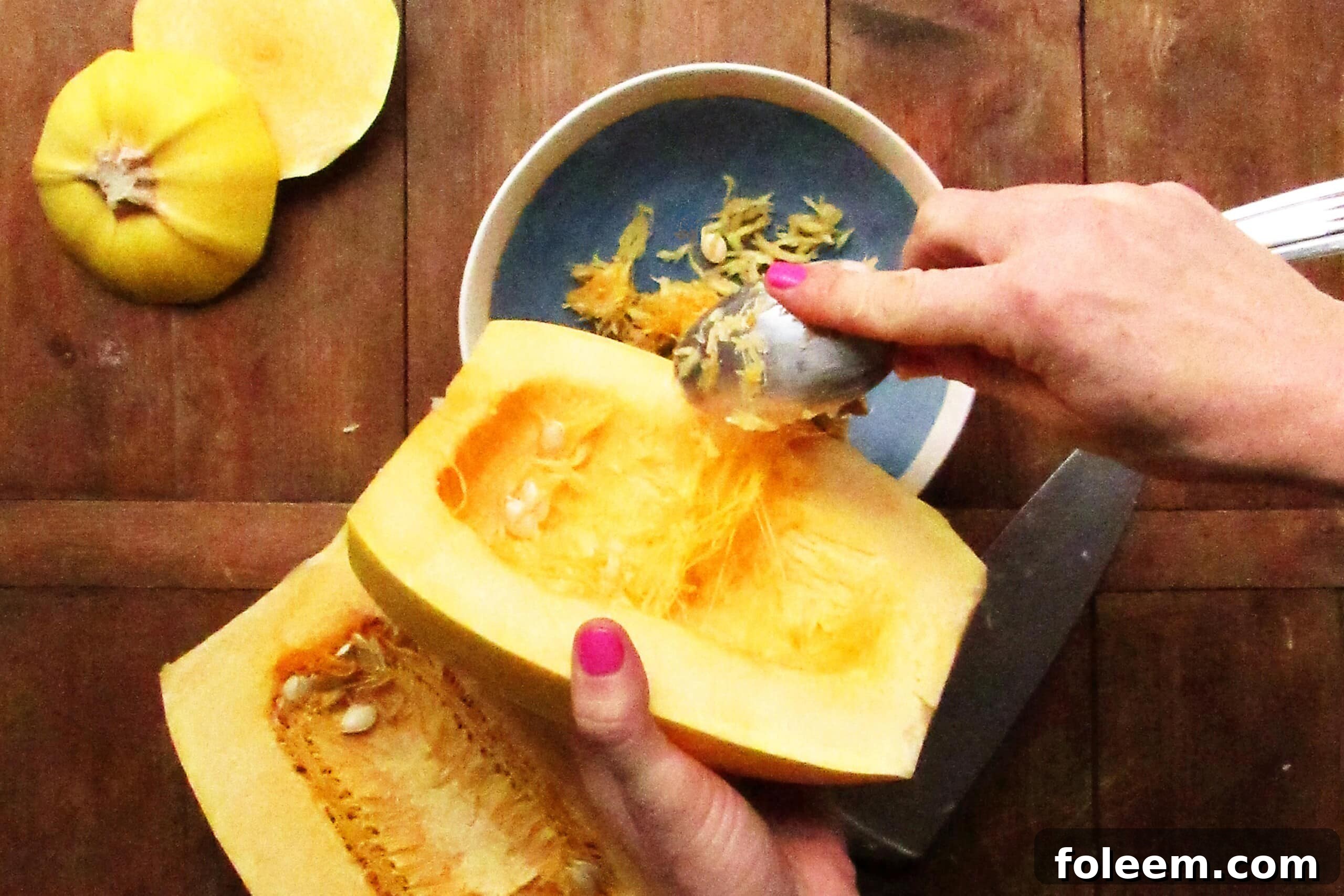
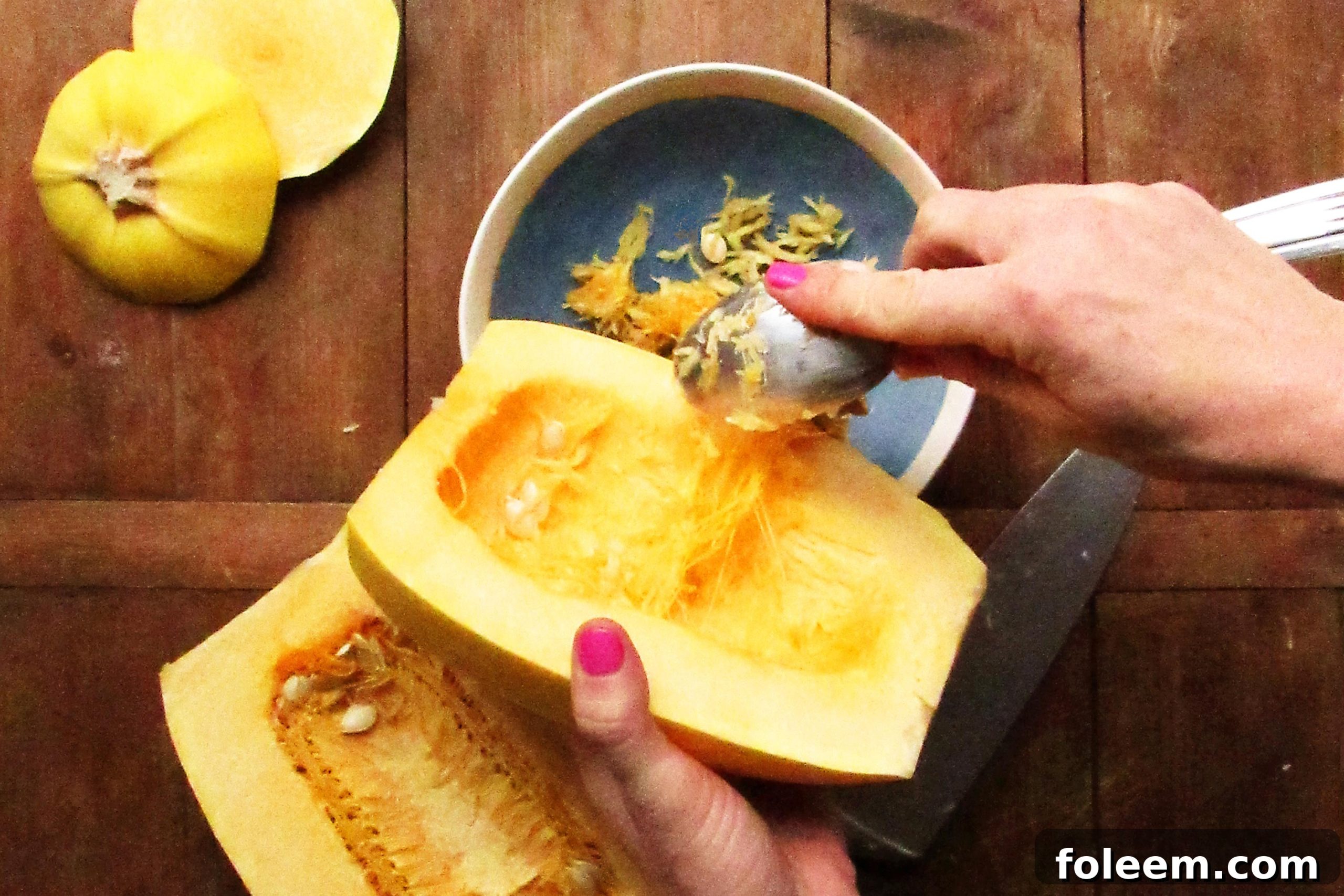
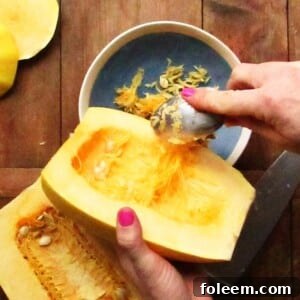
- Scrape out seeds: Use a spoon to remove the seeds and any stringy pulp. You can roast those seeds just like pumpkin seeds if you like.
- Roast: Place the halves cut-side down in a 9×13-inch baking pan, add 3/4 cup water, and roast in a preheated 400°F oven for 45–55 minutes. The squash is done when the halves look lightly browned, wrinkled, and slightly collapsed and the flesh is tender. Check near the end of cooking to make sure a little water remains in the pan; add more if needed.
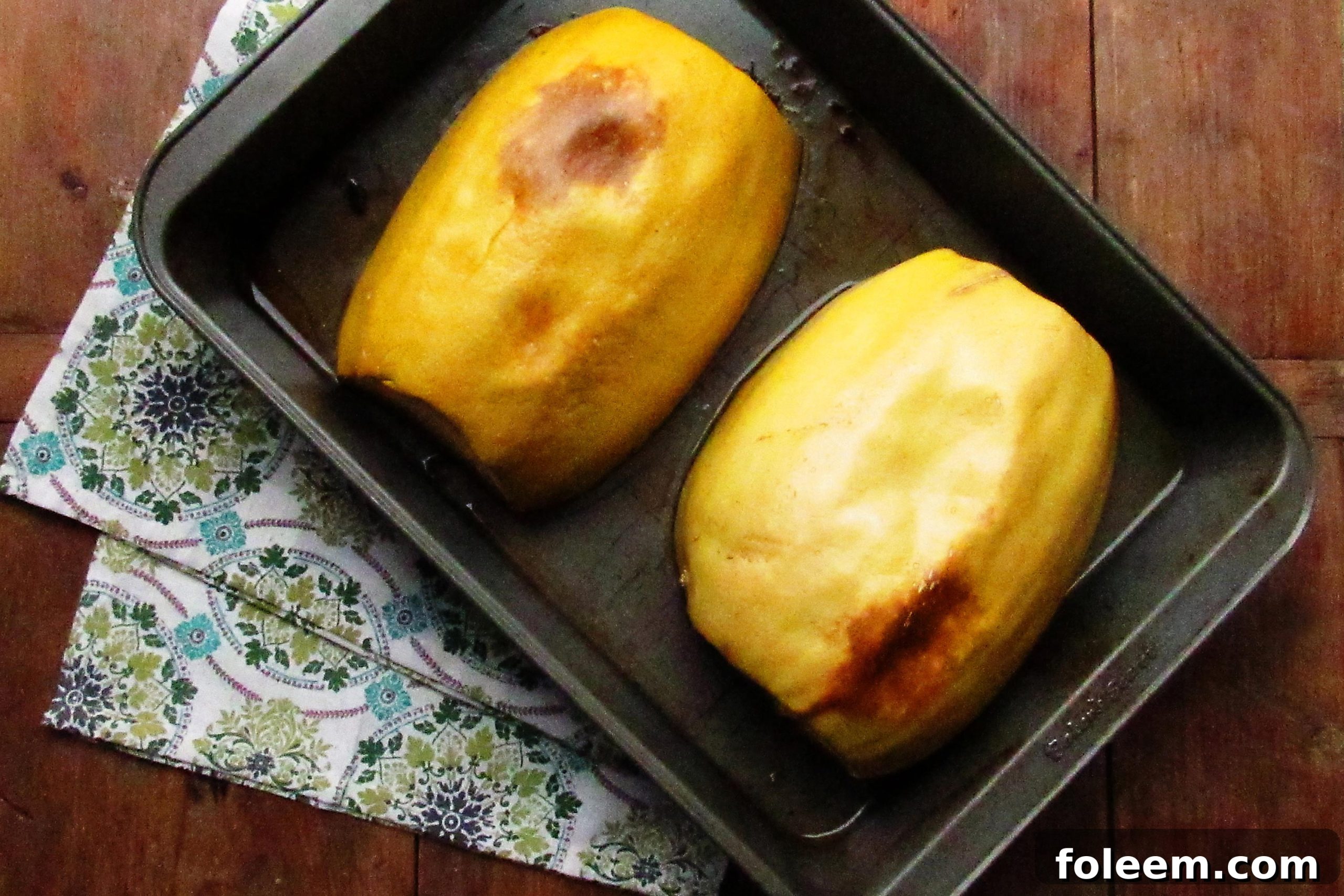
- Cool: Remove the squash from the oven and let it cool about 15 minutes so it’s easier to handle.
- Make spaghetti: Hold the squash (use a dish towel if it’s still hot) and scrape the flesh with a fork. The flesh will separate into long, spaghetti-like strands. Transfer the strands to a bowl and discard the shells. Serve with your preferred sauce or seasoning.
FAQs
Choose one with an even color and no cuts or dark spots. Pick it up — a good squash should feel heavy for its size, indicating firm flesh inside.
Yes. Spaghetti squash is low in calories and provides vitamins, minerals, fiber and antioxidants, making it a nutritious alternative to traditional pasta.
What to Serve With Spaghetti Squash
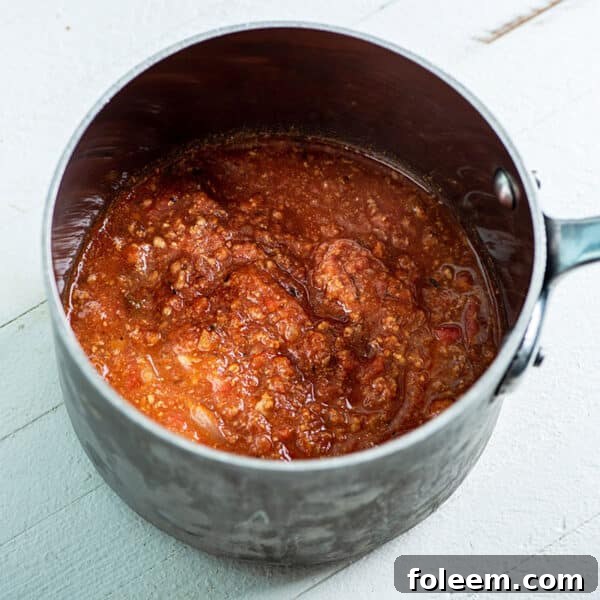
Bolognese Sauce
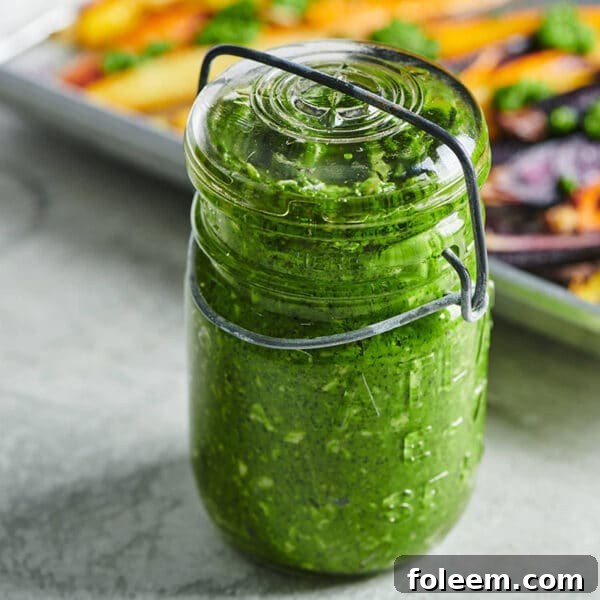
Nut-Free Spinach Pesto
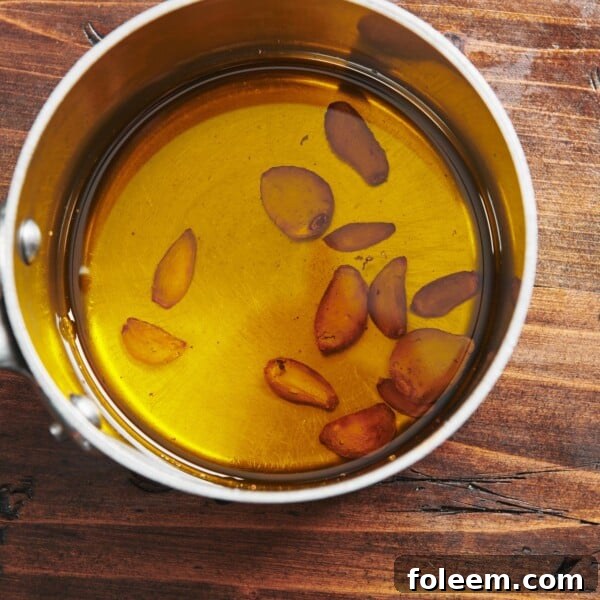
Homemade Garlic Oil
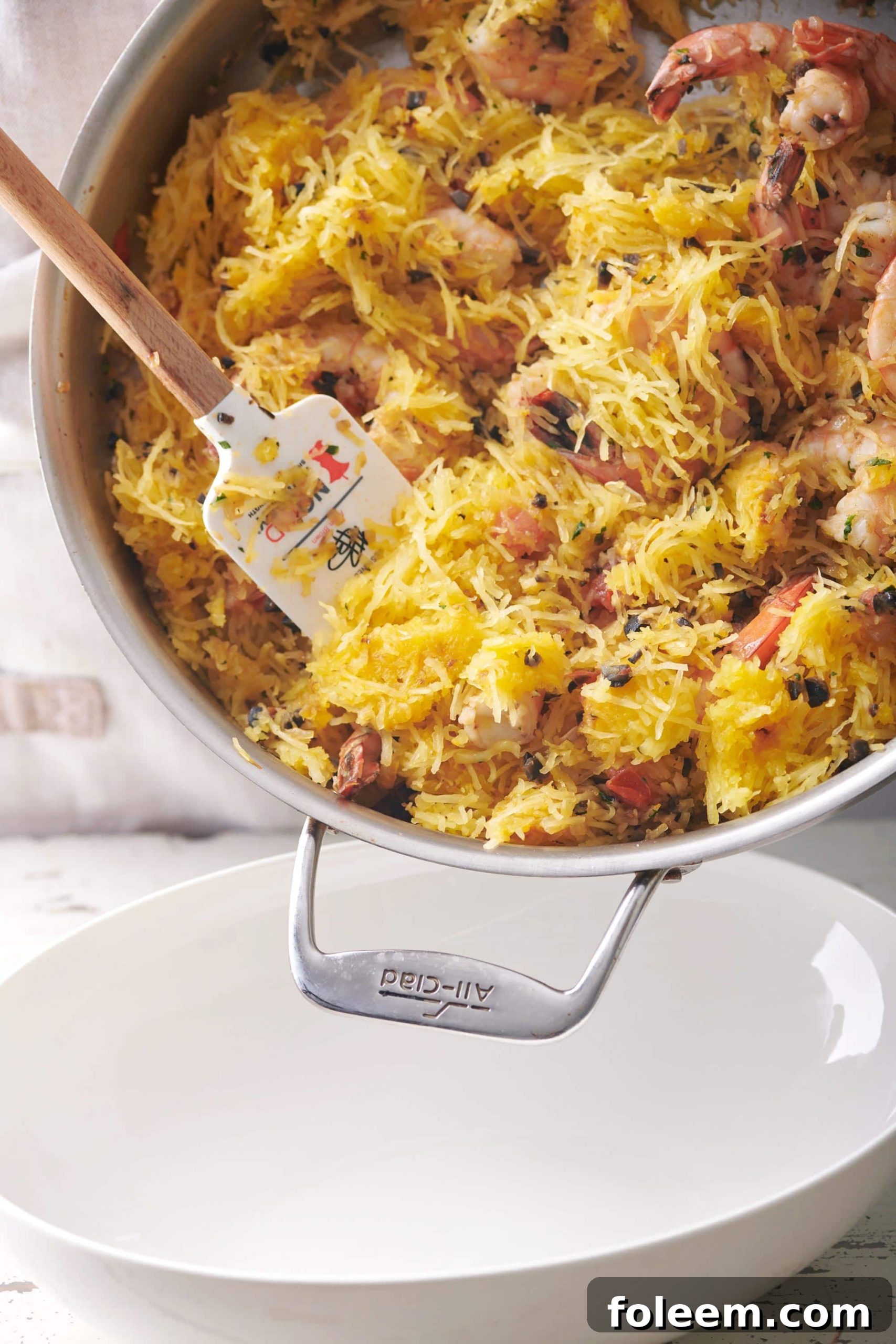
How to Cook Spaghetti Squash
Equipment
- 1 9×13-inch baking pan
Ingredients
- 1 spaghetti squash
- ¾ cup water
Instructions
- Preheat the oven to 400°F (200°C).
- Cut the ends off the spaghetti squash to create flat surfaces for stability.
- Turn the squash onto one flat side, make a small notch at the top, then slice it in half lengthwise with a steady, controlled motion.
- Scoop out the seeds and stringy pulp with a spoon.
- Place the halves cut-side down in a 9×13-inch baking pan. Add ¾ cup water to the pan and roast for 45–55 minutes, until the flesh is tender and the halves appear slightly wrinkled and collapsed. Check near the end of cooking and add a little more water if the pan is dry.
- Remove from the oven and let cool about 15 minutes.
- Use a fork to scrape the flesh into long strands. Transfer to a serving bowl and top with your favorite sauce. Discard the shells.
Notes
Choose a squash with even color, no soft spots, and weight that feels heavy for its size. Heavy squash indicates dense, firm flesh inside.
Nutrition
Calories: 299 kcal, Carbohydrates: 67 g, Protein: 6 g, Fat: 6 g, Fiber: 14 g. Contains vitamins A and C, potassium, calcium and iron. (Values are approximate.)