The tomato is botanically a fruit—a berry, in fact—even though in cooking it functions like a vegetable because it has far less sugar than most fruits. Native to South and Central America, tomatoes were used extensively by the Aztecs and later carried to Europe by the Spanish. From there they spread around the world and are now integral to cuisines across the Mediterranean, India, China, Mexico, the Caribbean, Brazil, Turkey, and North America.
Tomatoes are used fresh, juiced, or cooked. They thrive in warm climates, but greenhouse production makes them available year-round. A fun piece of trivia: the heaviest tomato on record weighed 7 lb 12 oz and was grown in Oklahoma—enough tomato for a lot of sauce, salsa, or salad.
- What Are Heirloom Tomatoes?
- What Do Tomatoes Look Like?
- Where Can I Find Tomatoes?
- How Do I Pick the Best Tomatoes?
- What Do Tomatoes Taste Like?
- How Do I Prepare Tomatoes?
- How Do I Cook With Tomatoes?
- When Are Tomatoes in Season?
- Storing Tomatoes
- Are Tomato Fruits Nutritious?
- Fresh Tomato Recipes
How to Cook Tomatoes: Everything you need to know about buying, storing, preparing and cooking tomatoes (plus recipes!)
What Are Heirloom Tomatoes?
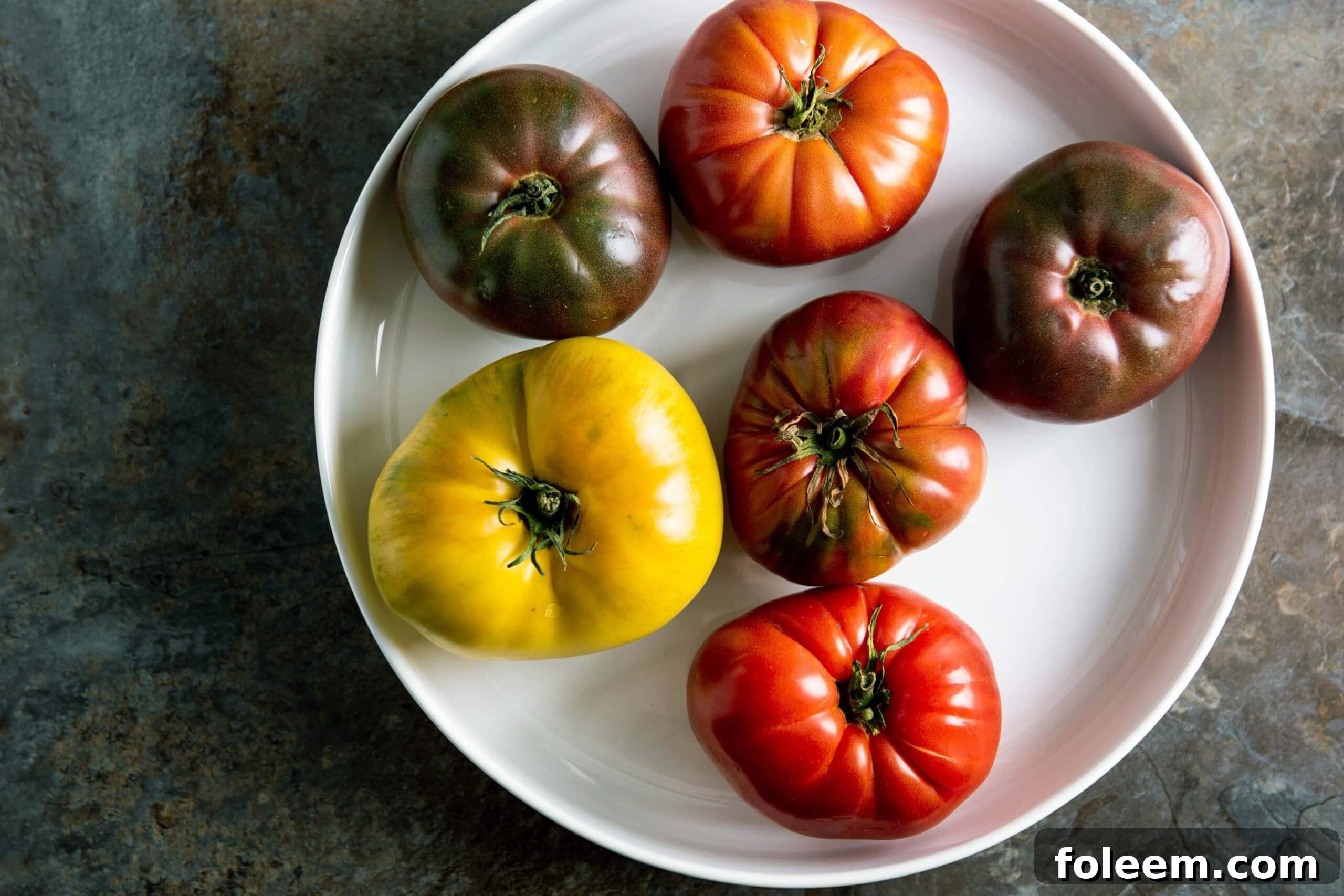
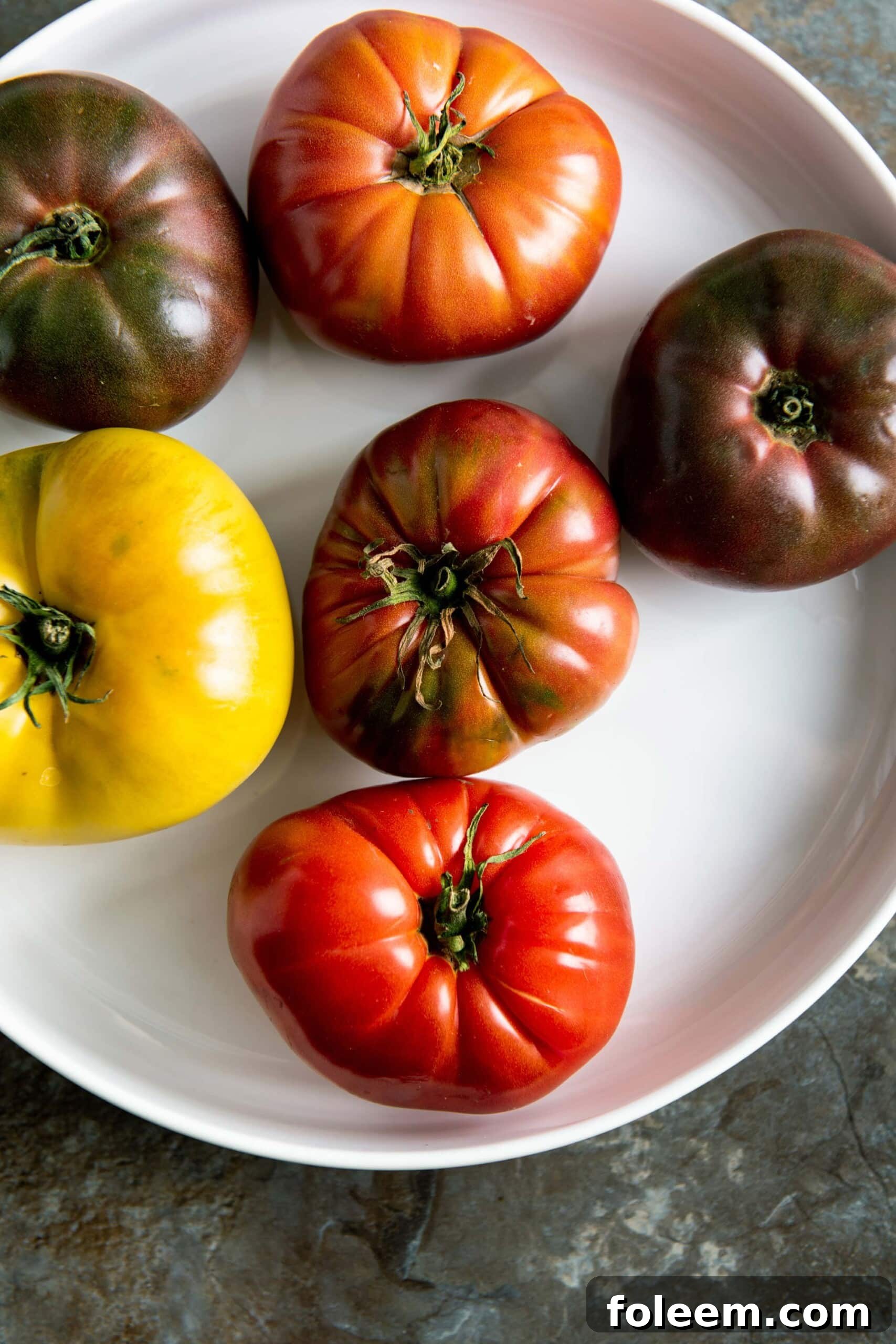
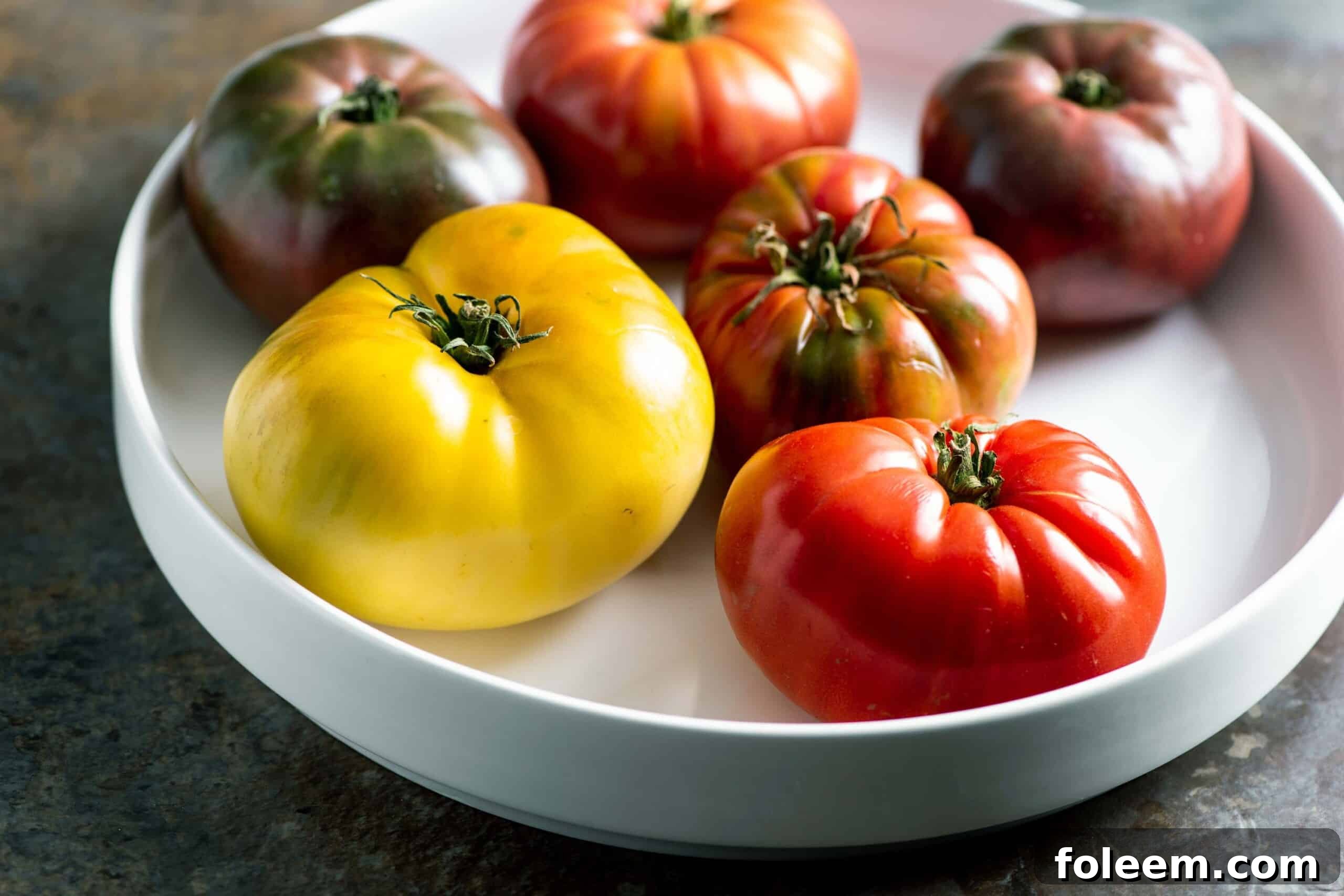
Heirloom tomatoes are the result of saving and replanting seeds from top-performing plants year after year. Farmers select for traits they like—flavor, size, color, juiciness—so heirlooms often offer more variety and distinctive taste than standard commercial varieties.
However, the “heirloom” label doesn’t automatically mean superior quality. Harvest timing, storage, season, and weather all influence taste and texture. Popular heirloom varieties include Cherokee Purple, Brandywine, Green Zebra, Black Krim, Mr. Stripey, Azoychka, Aunt Ruby’s German Green, Cherry Roma, Tomato Gold Medal, and Black Cherry.
You can find heirloom tomatoes at supermarkets and, especially in summer and early fall, at farmers markets where selection and freshness are often better.
What Do Tomatoes Look Like?
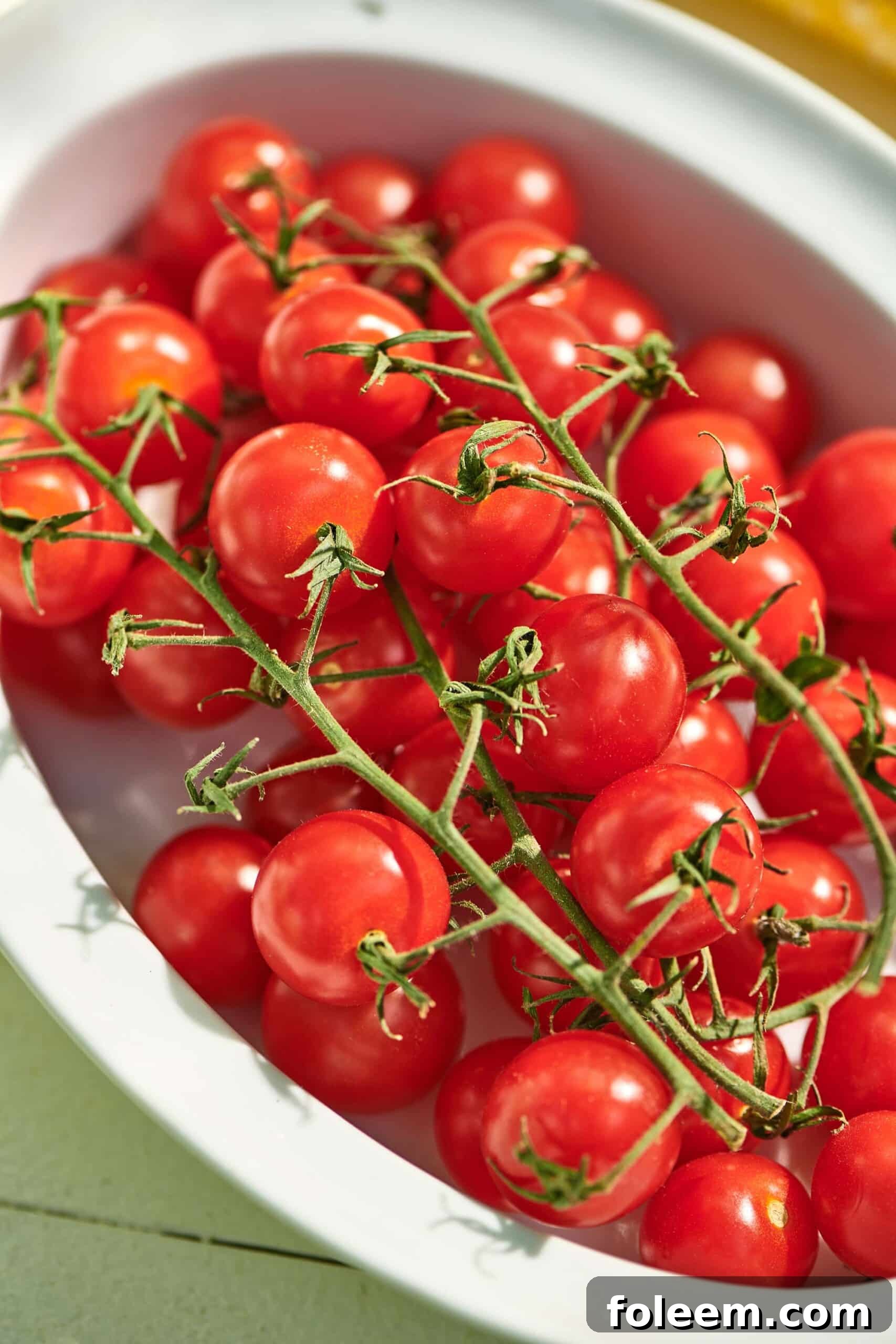
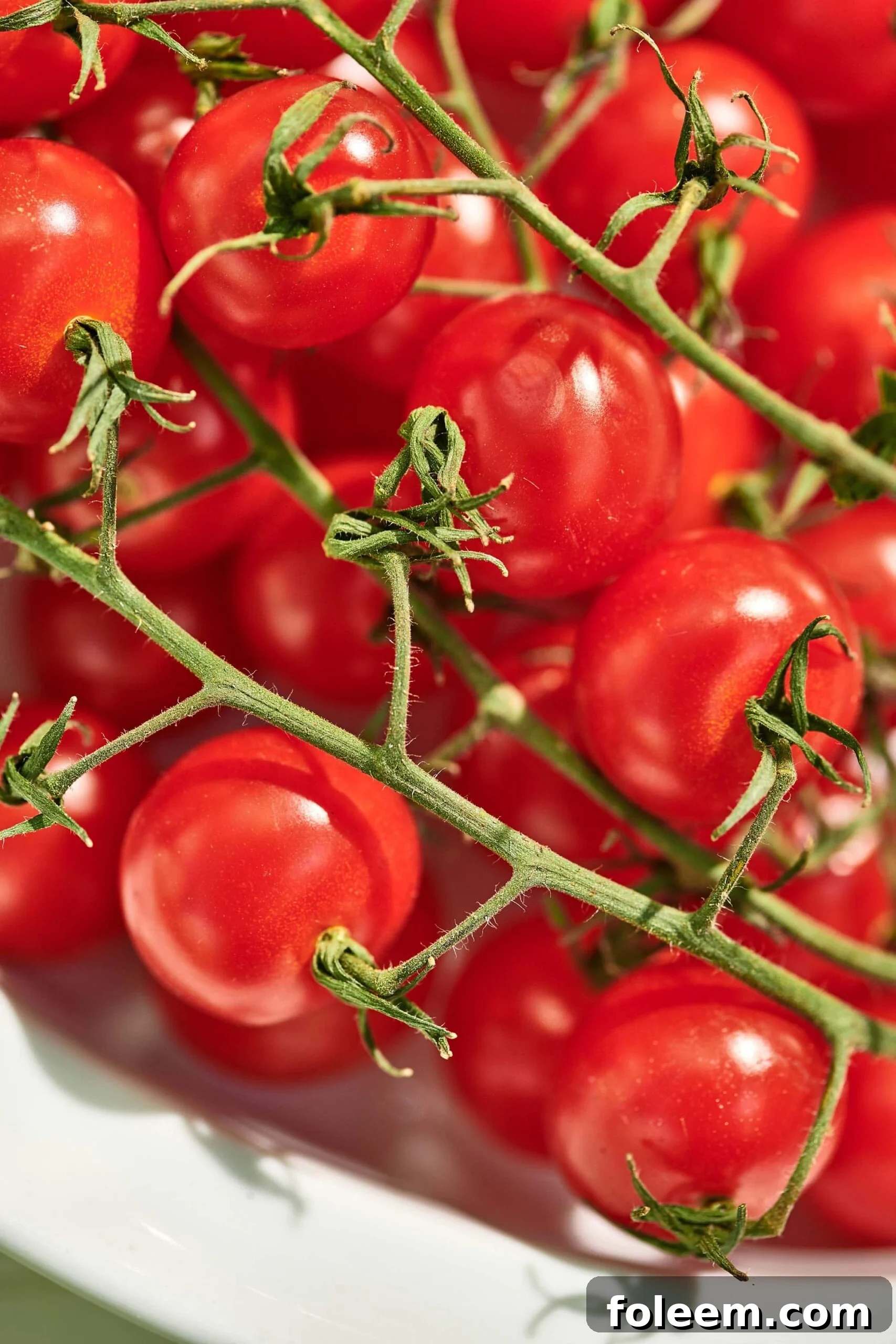
Common supermarket tomatoes—globe, plum, vine-ripened, and cherry—are typically bright red with a green stem. Shapes vary: globe tomatoes are large and round, plum or Italian tomatoes are more oval, and cherry tomatoes are small or teardrop-shaped. Color also varies—cherry tomatoes often come in yellow or orange, and heirloom varieties display a wide spectrum of colors, stripes, and multi-tones.
Where Can I Find Tomatoes?
Most tomato varieties are available year-round at grocery stores. Specific or unusual varieties, like many heirlooms, are easier to find at farmers markets during peak season. Canned tomato products—whole, crushed, diced, pureed, and paste—are commonly found in the pasta or canned goods aisle and are useful when fresh tomatoes aren’t at their best.
How Do I Pick the Best Tomatoes?
Choose tomatoes that are firm with a little give when pressed, with glossy skin and bright color. Avoid fruit with cracks, cuts, brown spots, or bruises. The most flavorful tomatoes usually have a strong, sweet-tart aroma near the stem.
What Do Tomatoes Taste Like?
Tomatoes range from sweet to tangy. In season and vine-ripened, they have the classic tomato flavor—balanced sweetness with bright acidity. Orange and yellow tomatoes are typically milder and less acidic than red varieties. Cherry tomatoes concentrate more sugars and are usually sweeter than larger tomatoes; Sungolds, for example, are known for their intense sweetness.
How Do I Prepare Tomatoes?
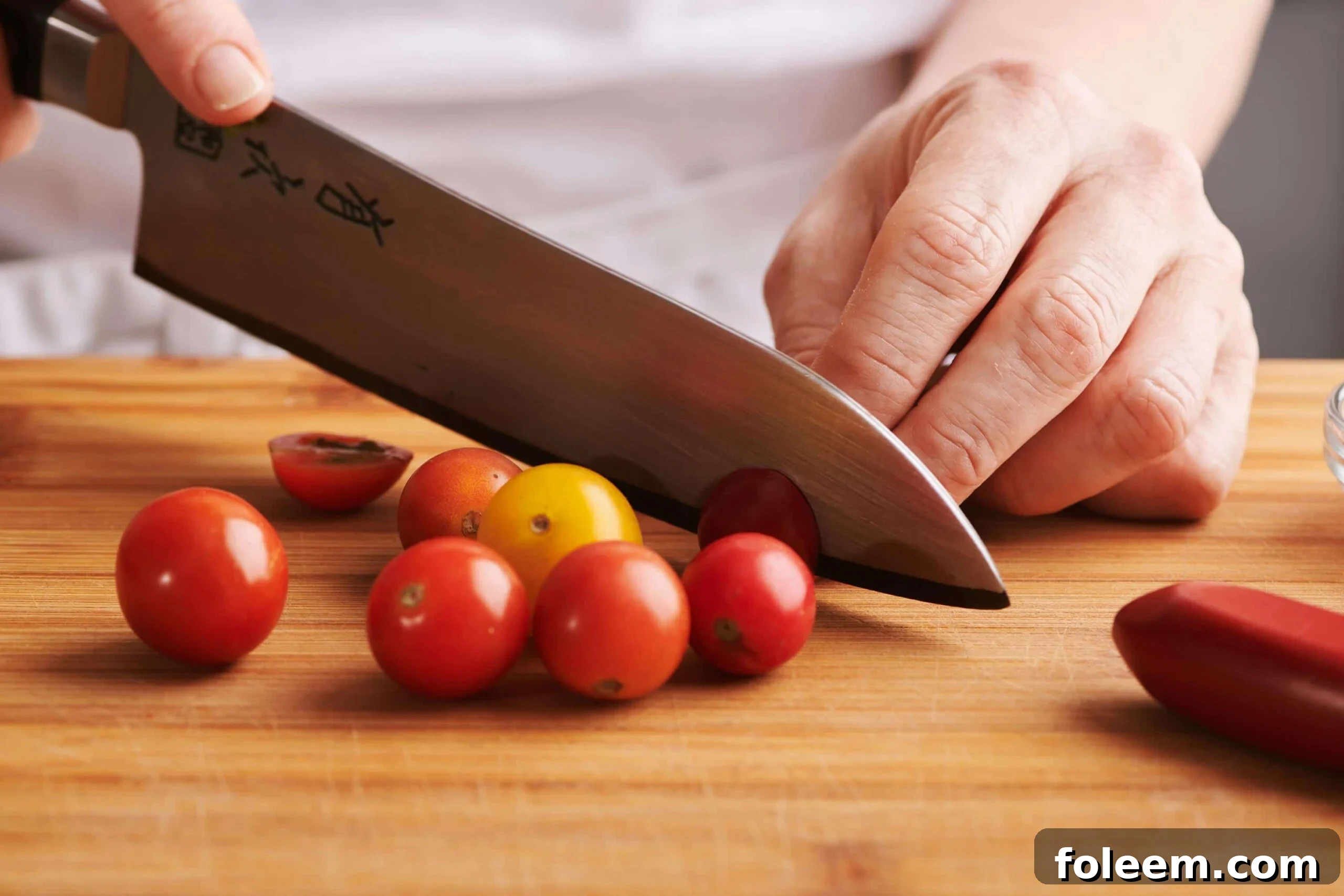
Always wash and dry tomatoes right before using them to remove dirt or residues. Preparation depends on the recipe. If a recipe calls for peeled tomatoes, score the bottom with an X, blanch in boiling water for about 20–30 seconds, then transfer to ice water— the skins should slip off easily. Remove the core with a knife.
To seed a tomato, slice it along the equator and gently squeeze or scoop out the seeds and excess juices. Tomatoes can then be sliced, chopped, diced, or pureed and used raw or cooked depending on the dish.
How Do I Cook With Tomatoes?
Tomatoes are extremely versatile. Raw tomatoes are the base for salsa, gazpacho, bruschetta, panzanella, caprese salad, and many pasta or grain salads. A simple slice with a drizzle of basil oil and a pinch of sea salt showcases summer tomatoes beautifully.
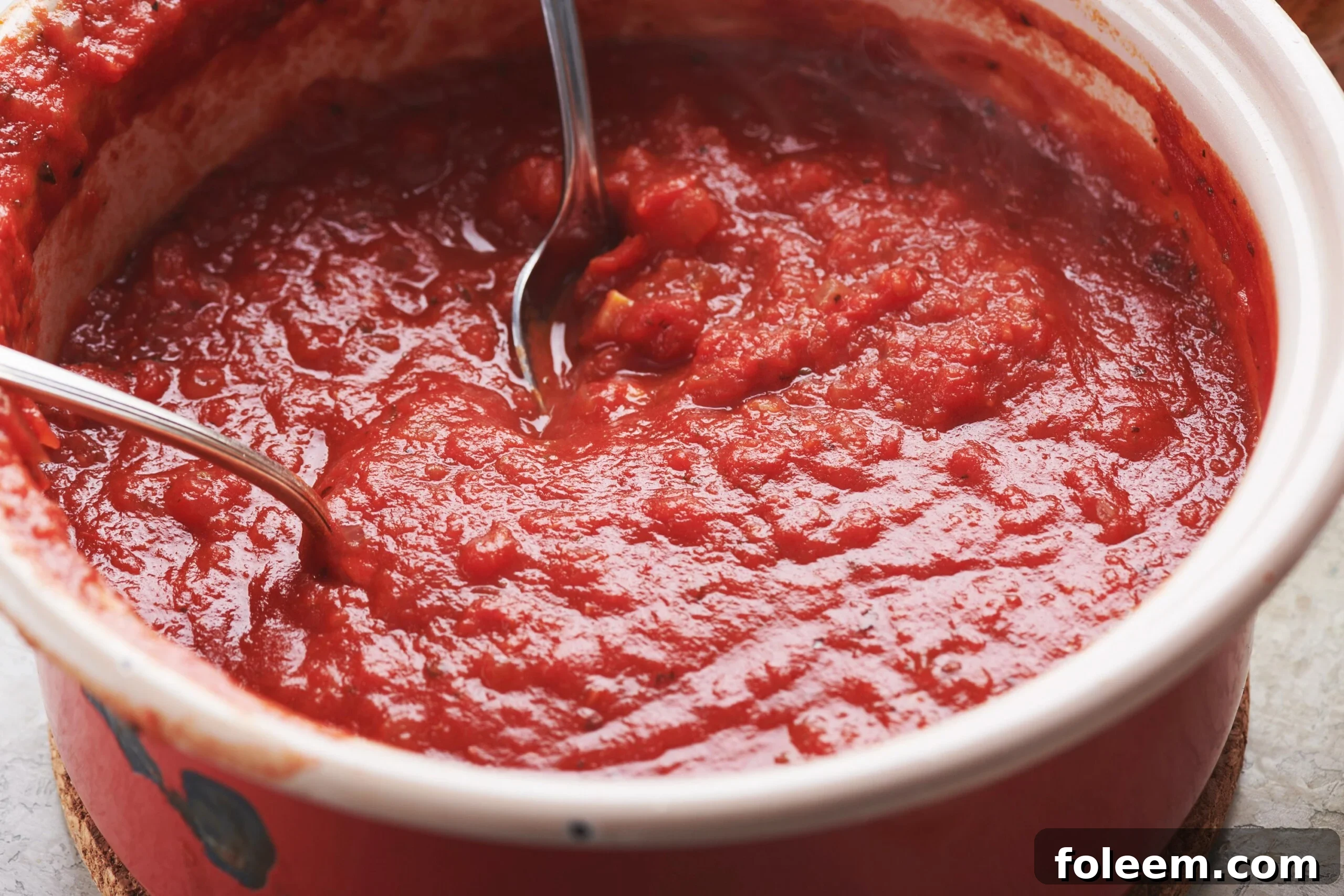
Cooked tomatoes can be roasted, sautéed, grilled, or slow-simmered into sauces and chilis. They work well in quiches, frittatas, pizzas, focaccia, stews, and shakshuka. Green, unripe tomatoes are delicious fried. Pureed tomatoes make soups, ketchup, tomato juice, and vinaigrettes. Roasting concentrates tomato flavor, and slow roasting dehydrates them for a more intense taste.
When fresh tomatoes are out of season, canned tomatoes are an excellent substitute—choose whole, chopped, crushed, pureed, or paste depending on the recipe.
When Are Tomatoes in Season?
Although grocery stores stock tomatoes year-round, tomatoes are at their best from July through October. During these months they are abundant at farmers markets and ideal for eating fresh, canning, or turning into sauces and purees.
Storing Tomatoes
Buy tomatoes ripe and use them within a few days for the best flavor. Store them at room temperature away from direct sunlight; they will continue to ripen on the counter—placing them stem-side down helps prevent bruising and rot. Refrigerate only very soft or overripe tomatoes, as chilling can make them mealy. If parts are damaged, cut away the bad spots and keep the rest in an airtight container in the fridge for short-term use.
Are Tomato Fruits Nutritious?
Tomatoes are about 95% water, with roughly 4% carbohydrates and minimal fat and protein. They are low in calories but high in vitamin C and antioxidants. Research links tomato consumption with potential health benefits, including reduced risk for certain heart conditions and some cancers.
Fresh Tomato Recipes:
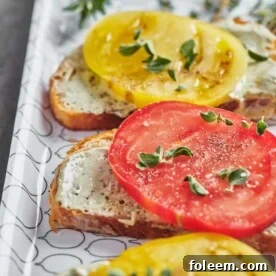
Bruschetta with Herbed Whipped Ricotta and Heirloom Tomatoes
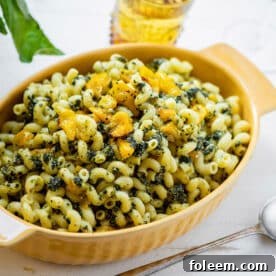
Pasta with Roasted Cherry Tomatoes and Pesto

How to Make Fried Green Tomatoes
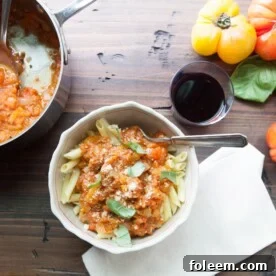
Heirloom Tomato Pasta Sauce
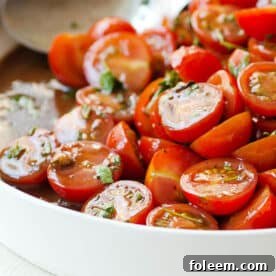
Cherry Tomato Salad
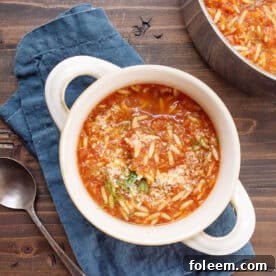
Tomato, Orzo, and Dill Soup
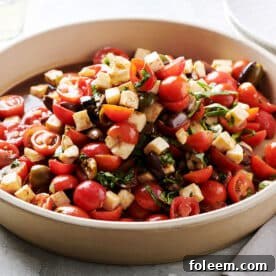
Tomato, Basil, and Mozzarella Salad
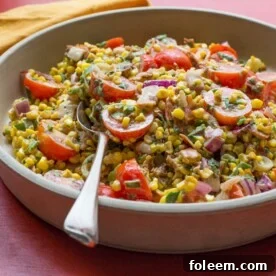
Summer Corn, Tomato, and Bacon Salad