At summer’s end, when markets overflow with ripe produce, it’s wise to pause between slathering corn in butter and frying zucchini to preserve the season’s bounty. Those peaches and cherries won’t last forever, so take a little time to extend their life and enjoy them later.
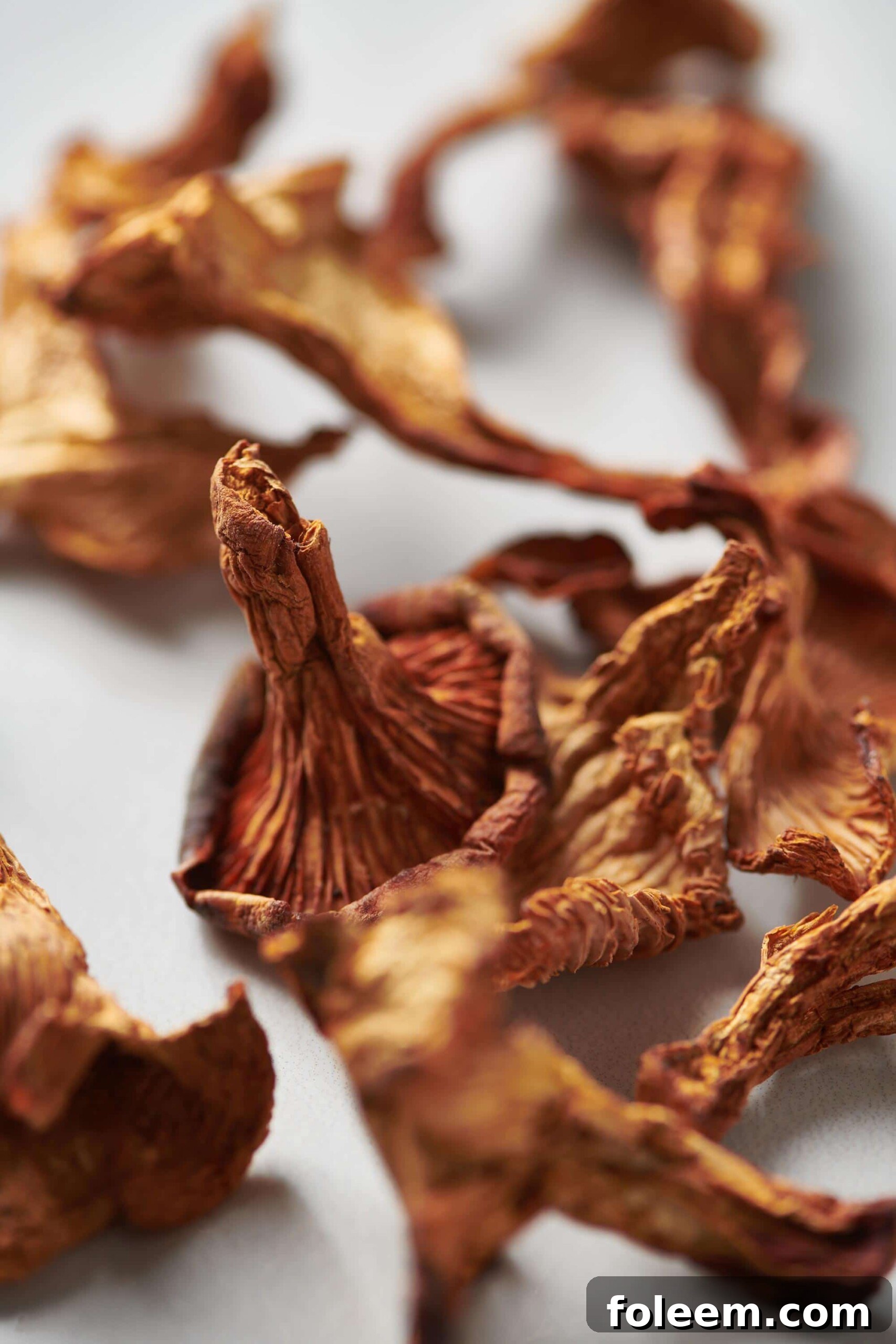
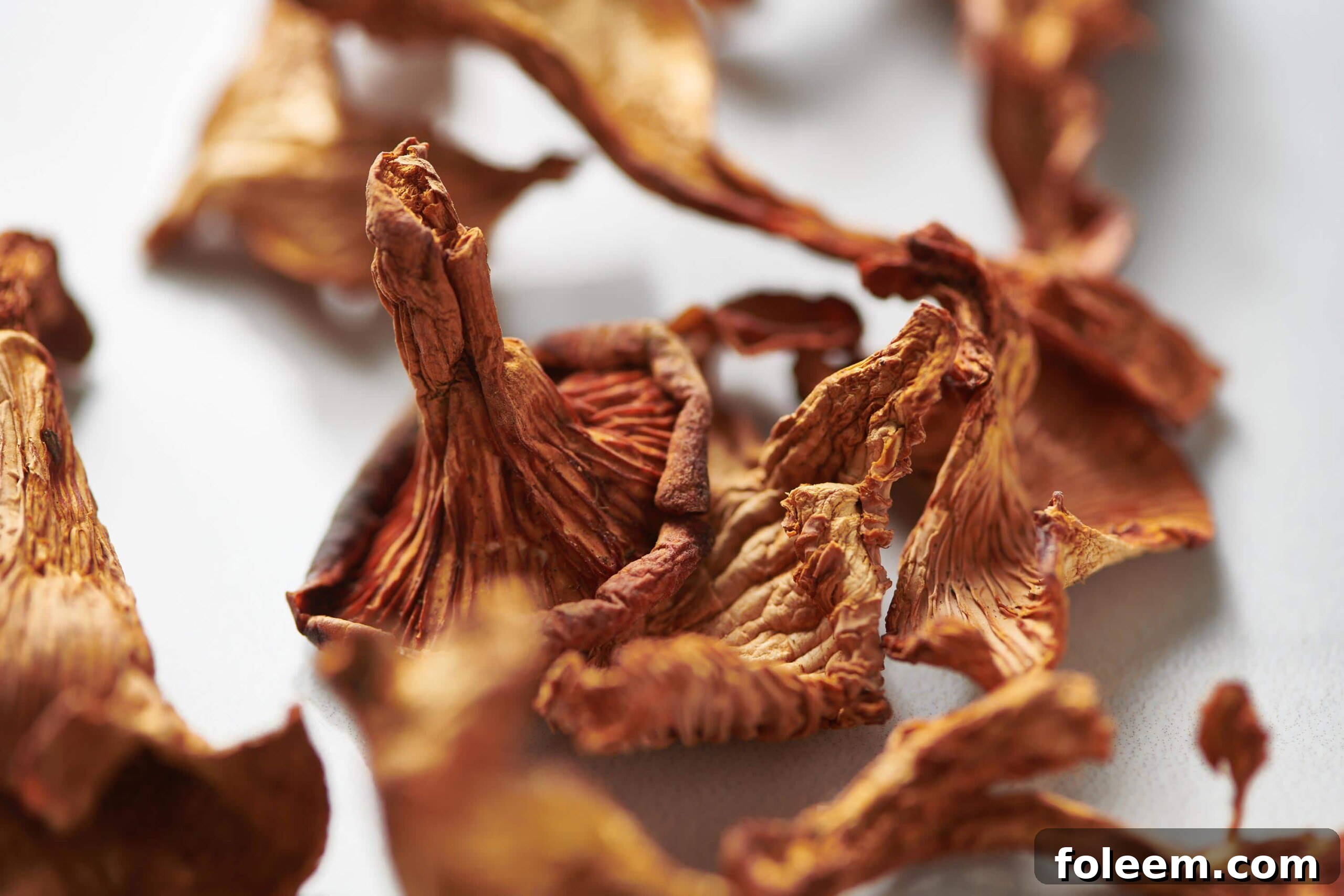
Many fruits, vegetables, and mushrooms dehydrate beautifully. For best results, choose produce that is at peak ripeness—neither underripe nor overripe—and free of bruises or blemishes. Imperfect pieces can spoil during storage, so trim them away before drying.
Some items benefit from pretreatment. Vegetables and some fruits are often blanched—briefly plunged into boiling water, then cooled in an ice bath—to halt enzymes that degrade color and texture. Others can be dipped in antioxidant solutions to preserve color. Depending on the item and pretreatment, most dried foods should lose up to 90% of their moisture to store safely.
Methods for Drying Produce
There are several effective drying methods: air drying, oven drying, and using an electric dehydrator. A dehydrator is the most consistent option. If you plan to dry produce regularly, invest in a model with a built-in thermostat (about 85–160°F), a fan or blower for even air circulation, and stackable trays.
Many newer air fryer models include a dehydrate setting—check your appliance’s manual. You can also dehydrate in an oven on a low setting with the door slightly ajar for airflow, though trays and temperature control on dehydrators often yield more predictable results.
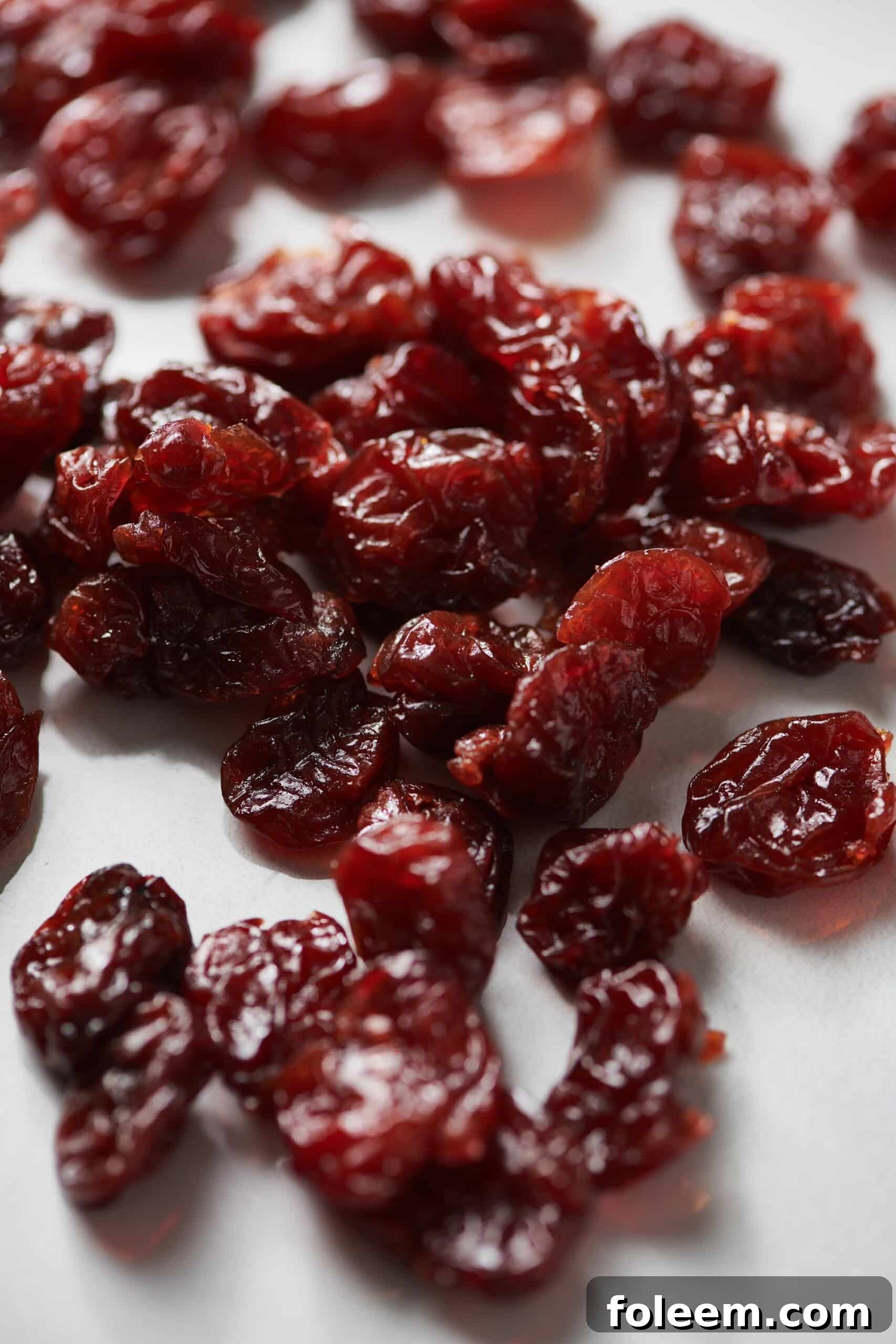
Another great option for fruit is fruit leather, made by pureeing fruit and drying it into a pliable sheet. Fruit leather works in a dehydrator or a low oven; follow specific recipes for each fruit to ensure proper texture and safe storage.
Best Summer Produce for Drying or Dehydrating
- Shell beans
- Corn
- Mushrooms
- Okra
- Hot and sweet peppers
- Smaller tomatoes
- Apples
- Cherries
- Figs
- Grapes
- Peaches
- Pears
- Plums
Recipes That Use Dried Produce
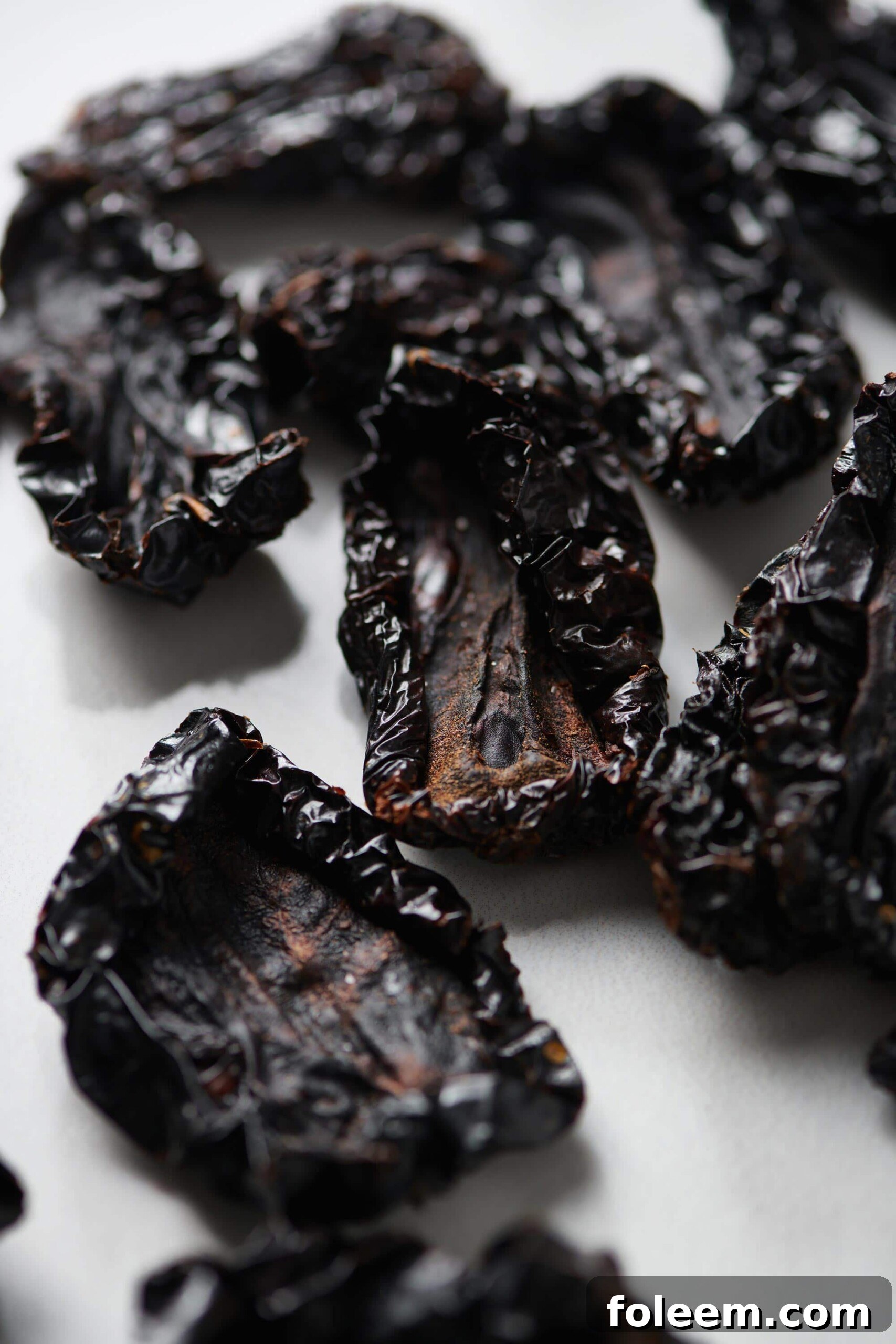
Once you have dried fruits and vegetables on hand, they add flavor, texture, and convenience to many dishes. Below are flavorful recipe suggestions that showcase dried produce and are ideal for using preserved ingredients throughout the year.
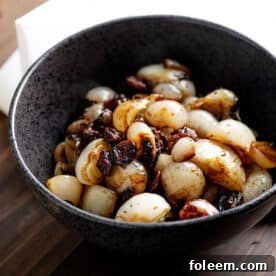
Braised Cipollini Onions with Dried Cherries (Cipollini in Agrodolce)
View Recipe

Lentils and Carrots with Dried Apricots
View Recipe

Dried Cherry Scones
View Recipe
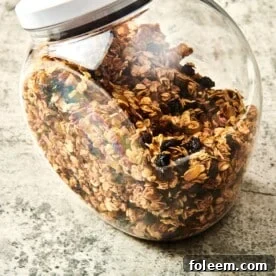
Nut-Free Granola
View Recipe
Drying and dehydrating allow you to capture summer flavors for months to come. With a few simple techniques—proper selection, occasional pretreatment, and the right drying method—you’ll build a pantry of preserved ingredients that elevate weekday meals and special-occasion dishes alike.