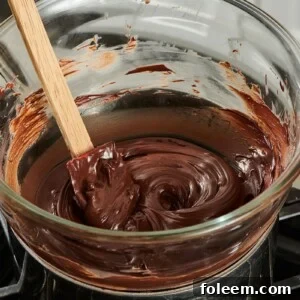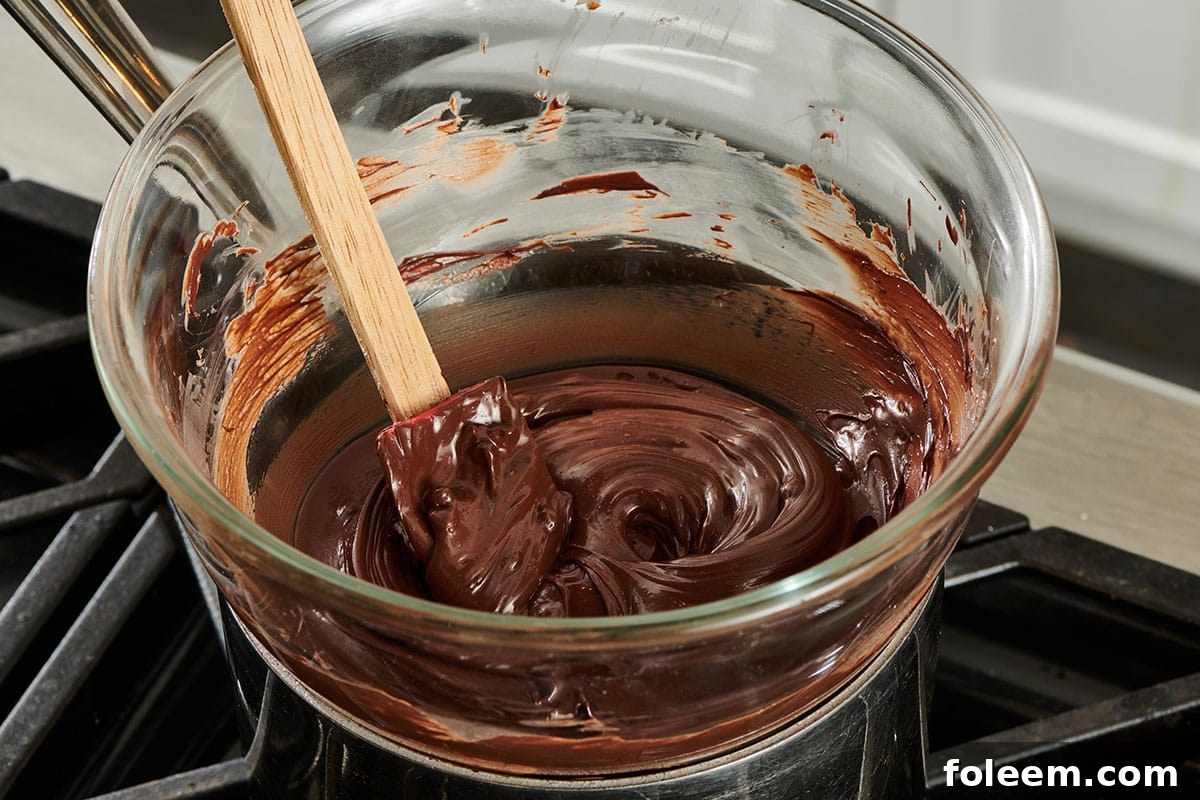
Melting chocolate can be tricky. Whether a recipe calls for melted chocolate for brownies or hot cocoa, chocolate is temperamental: it scorches easily and can seize or become grainy if handled incorrectly. A double boiler — or a bowl set over simmering water — provides gentle, diffused heat so chocolate melts slowly and evenly, producing a smooth, silky result rather than a scorched, lumpy mess.
Most home cooks don’t own a bulky, dedicated double boiler, but you can make a perfectly effective one with a saucepan and a heatproof bowl. Once you have this setup, you’ll consistently melt chocolate that is glossy and smooth, whether you’re using white, milk, dark, bittersweet, or unsweetened chocolate.
- Melting Various Types of Chocolate
- How to Create a Stovetop Double Boiler for Chocolate
- Melting Chocolate: Double Boiler vs. Microwave
- Adding Butter or Oil to Melted Chocolate
- Pro Cooking Tips
- FAQs
- Recipes Using Melted Chocolate
- How to Melt Chocolate in a Double Boiler — Recipe
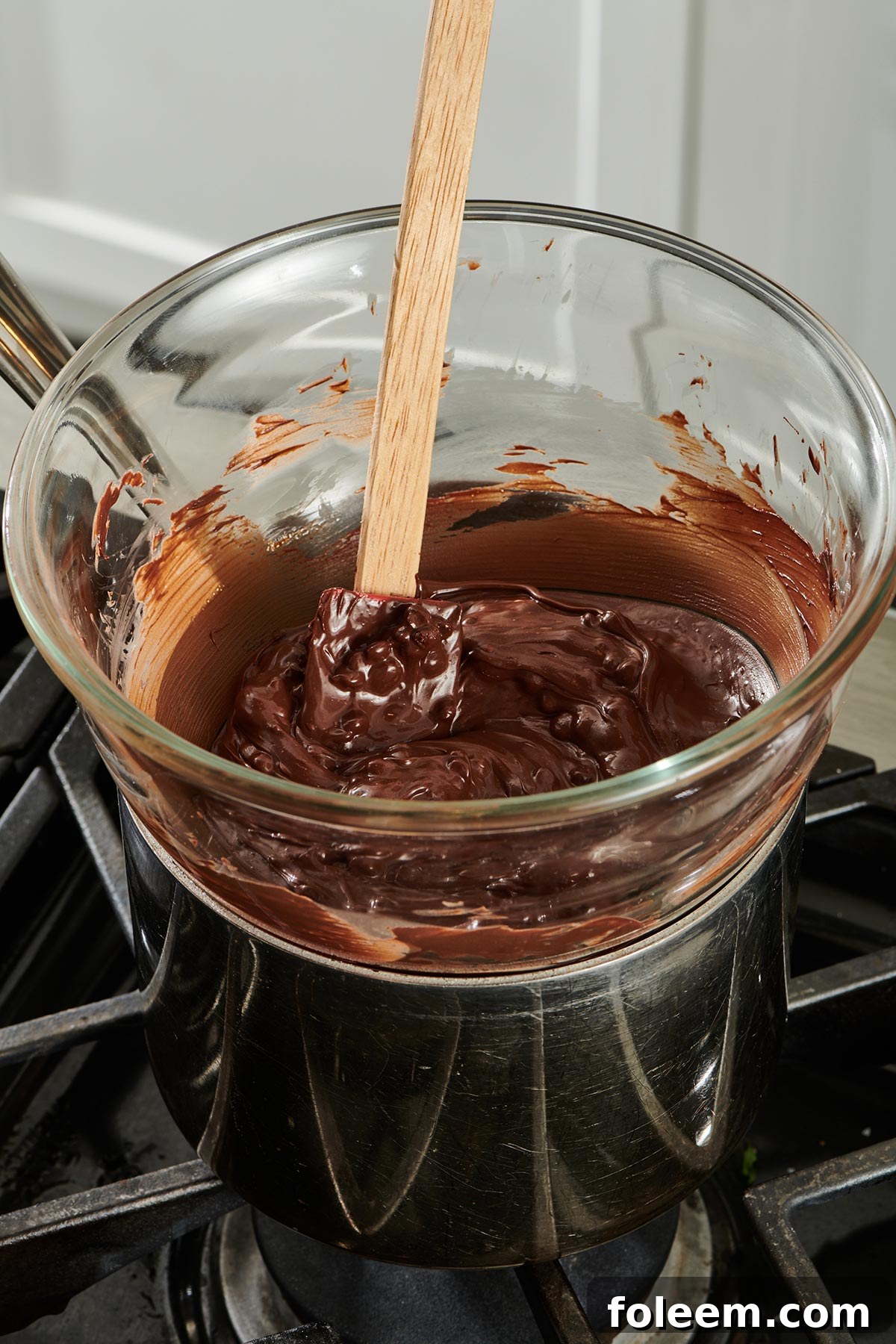
How to Melt Chocolate in a (Homemade!) Double Boiler: With a couple of common kitchen items, you’ll consistently melt chocolate until it’s silky and smooth.
Melting Various Types of Chocolate
You can melt any type of chocolate with the double boiler method: white, milk, dark, bittersweet, and unsweetened varieties all respond well to gentle heat. For best results, use pure chocolate bars finely chopped — the smaller the pieces, the faster and more evenly they melt.
Chocolate chips often contain stabilizers and other additives to help them hold their shape while baking. Those additives can interfere with smooth melting, so if you want the most silky finish, choose chopped baking chocolate or bars without additives.
How to Create a Stovetop Double Boiler for Chocolate
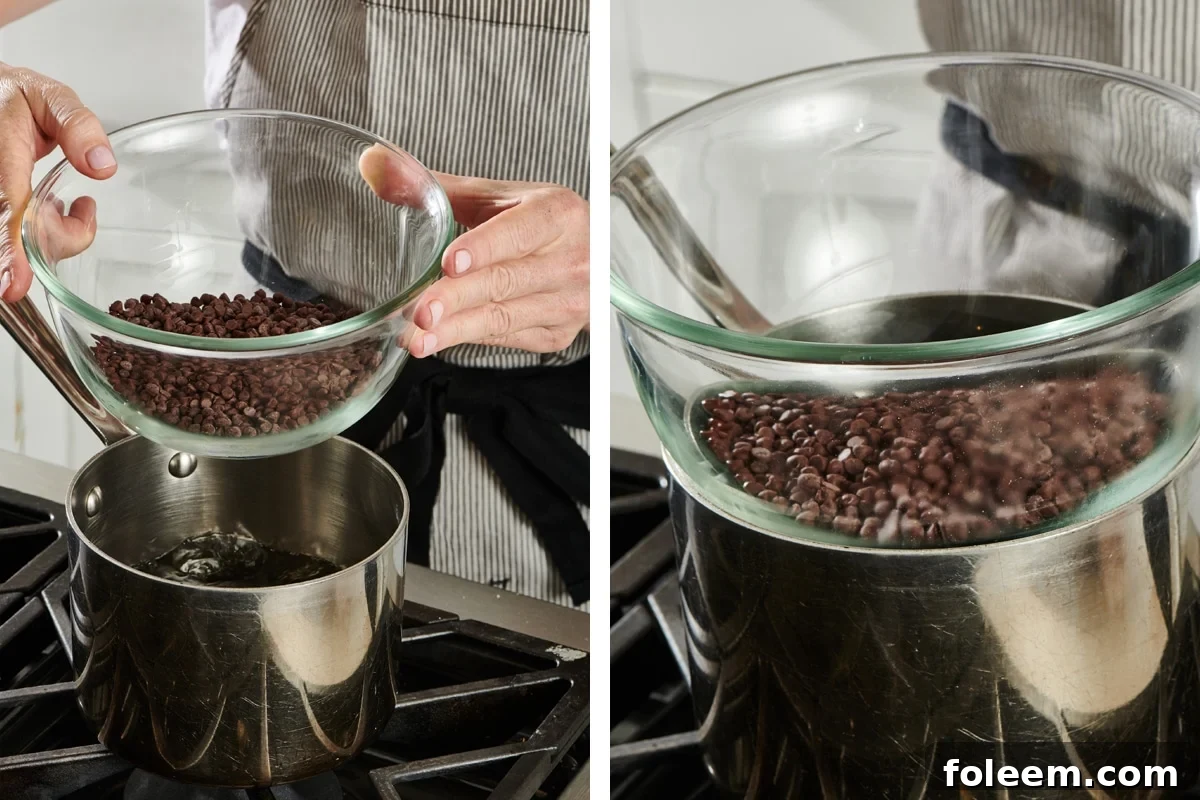
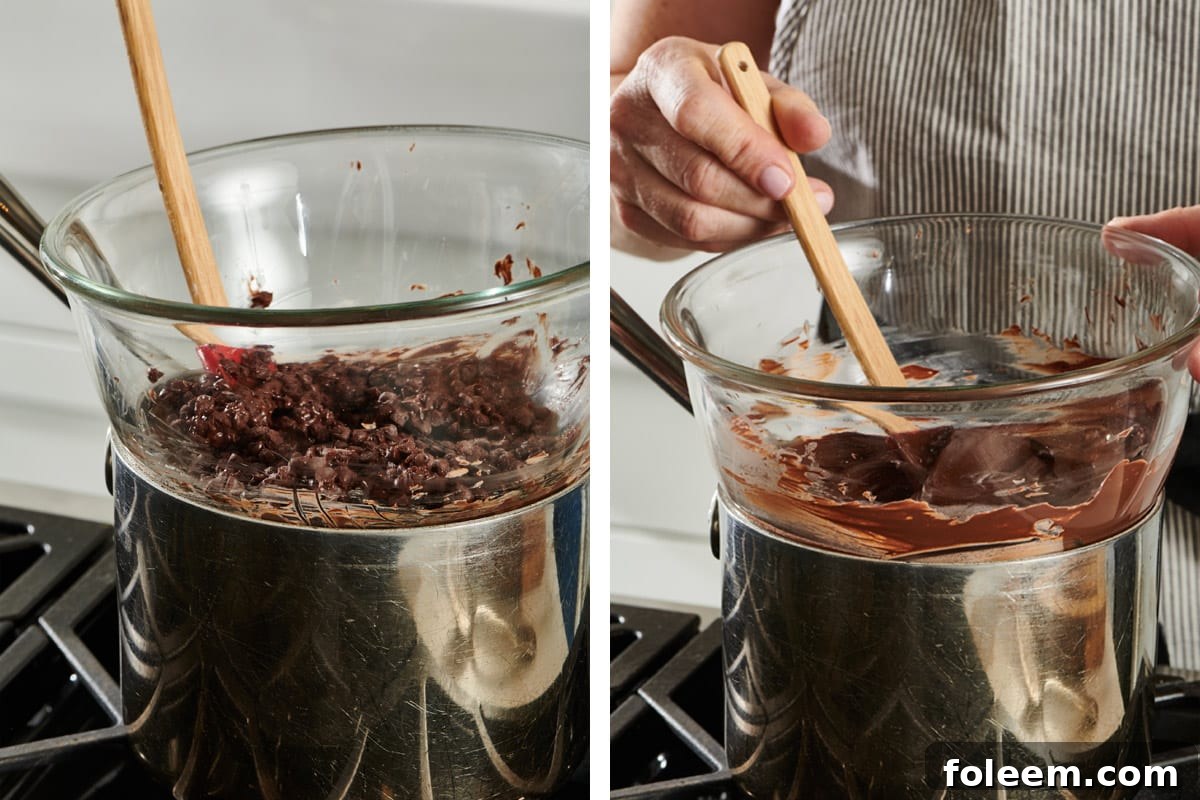
- Make a double boiler: Select a saucepan and a heatproof bowl (metal or glass) that fits over the pot without touching the water and extends above the rim so you can lift it easily.
- Add water: Pour water into the pot but keep the level low enough so it won’t touch the bottom of the bowl when the bowl is in place.
- Place the bowl: Put the bowl with the chopped chocolate or chips into the pot so it rests above the water.
- Simmer: Heat the water until it simmers gently. Avoid boiling — bubbling water can throw steam or droplets into the chocolate, which may cause it to seize and turn gritty.
- Stir: Stir with a rubber or silicone spatula, scraping the sides and bottom of the bowl until the chocolate is just melted and smooth. Remove from heat promptly once melted.
- Handle carefully: Lift the bowl away from the pot cautiously to avoid steam burns. Use the melted chocolate as directed in your recipe.
Melting Chocolate: Double Boiler vs. Microwave
Both methods work, and each has pros and cons. A double boiler gives you precise control and gentle heat, which reduces the chance of burning and helps maintain a smooth texture — but it requires attention and careful handling of steam and water. Microwaving can be quicker and convenient, but it offers less visual control and risks overheating if you don’t follow a careful routine.
If you microwave, heat in short bursts: 30 seconds at a time, stirring between each burst. Once the chocolate starts to soften, switch to 15-second intervals and stir thoroughly after each. This prevents hot spots and scorching.
Adding Butter or Oil to Melted Chocolate
Adding a small amount of butter or oil increases the fat content, which thins the melted chocolate, increases shine, and lowers the setting temperature. This can be useful in sauces, glazes, or if you’re trying to rescue slightly seized chocolate. Always add room-temperature butter or oil; adding cold ingredients can cause chocolate to seize.
Pro Cooking Tips
- White and milk chocolate melt faster than darker chocolates and scorch more easily — watch them closely.
- Ensure the bowl’s bottom does not touch the simmering water; if it does, melting will be uneven and the chocolate may overheat.
- Keep all utensils and your hands dry. Any moisture can cause chocolate to seize, turning it thick and grainy. If chocolate seizes, stop heating it further to avoid burning.
FAQs
Why is my chocolate not melting in a double boiler?
Chocolate chips sometimes contain stabilizers to preserve shape while baking. Those additives can make chips slower to melt and less glossy. Use chopped chocolate bars without additives for the smoothest melt.
Can you overcook chocolate when melting?
Yes. Overheated chocolate will thicken, change texture, and begin to smell and taste burnt. If it scorches, it’s best to discard it and start over.
Why did my melted chocolate turn hard?
Hard, thick chocolate can result from exposure to moisture (seizing) or from burning. Even a trace of water on a utensil or in the bowl can make chocolate seize and become unworkable.
Is it possible to fix seized chocolate?
Yes. To loosen seized chocolate, stir in a small amount of warm butter or neutral oil a teaspoon at a time until the texture smooths. Alternatively, spread seized chocolate on parchment and refrigerate to dry, then try melting again with added fat.
Recipes Using Melted Chocolate
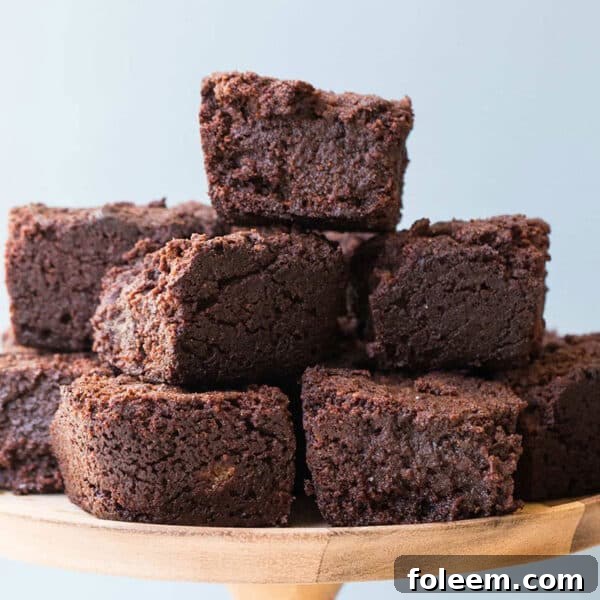
One-Pot Mexican Hot Chocolate Brownies
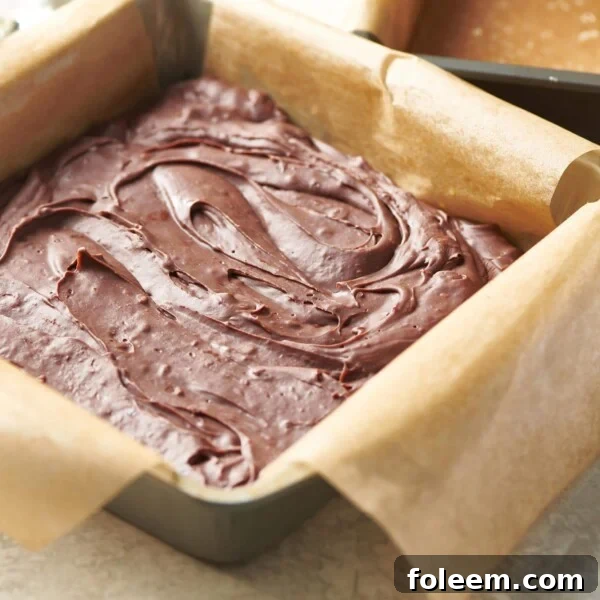
Old-Fashioned Chocolate Fudge

Easy Chocolate Mousse
Melted Chocolate Recipes
- Chocolate Ganache
- Best Homemade Hot Chocolate
- Chocolate-Covered Caramel Matzoh
- S’mores Haystack Cookies
- Fudgy Chocolate Cake
How to Melt Chocolate in a Double Boiler
By: Katie Workman
Melting chocolate is a delicate task. This simple homemade double boiler method makes it easier — no special pan required.
Prep Time: 5 minutes
Cook Time: 10 minutes
Total Time: 15 minutes
Servings: 4
Ingredients
- Chocolate (chips or chopped chocolate)
- Water (as needed for the pot)
Instructions
- Find a pot wide enough to hold a metal or glass bowl so that the bowl’s bottom is suspended a few inches above the pot’s bottom. The bowl should extend above the pot’s rim for easy removal.
- Fill the pan with water, keeping the level low so it won’t touch the bowl’s bottom. Place the bowl with chopped chocolate or chips on top of the pot.
- Heat the water until it simmers gently. Do not let it boil; boiling can create water droplets or steam that will get into the chocolate and cause it to seize.
- Stir the chocolate with a rubber or silicone spatula, scraping the bowl’s sides and bottom until the chocolate is just melted and smooth.
- Carefully lift the bowl away from the pot, keeping your face and hands clear of steam. Remove the pot from the heat and use the chocolate as your recipe directs.
Notes
How to fix seized chocolate: If chocolate seizes due to moisture, add a small amount of butter or neutral oil a teaspoon at a time while stirring to restore a smooth consistency. Alternatively, spread the seized chocolate on parchment and refrigerate to dry before trying again.