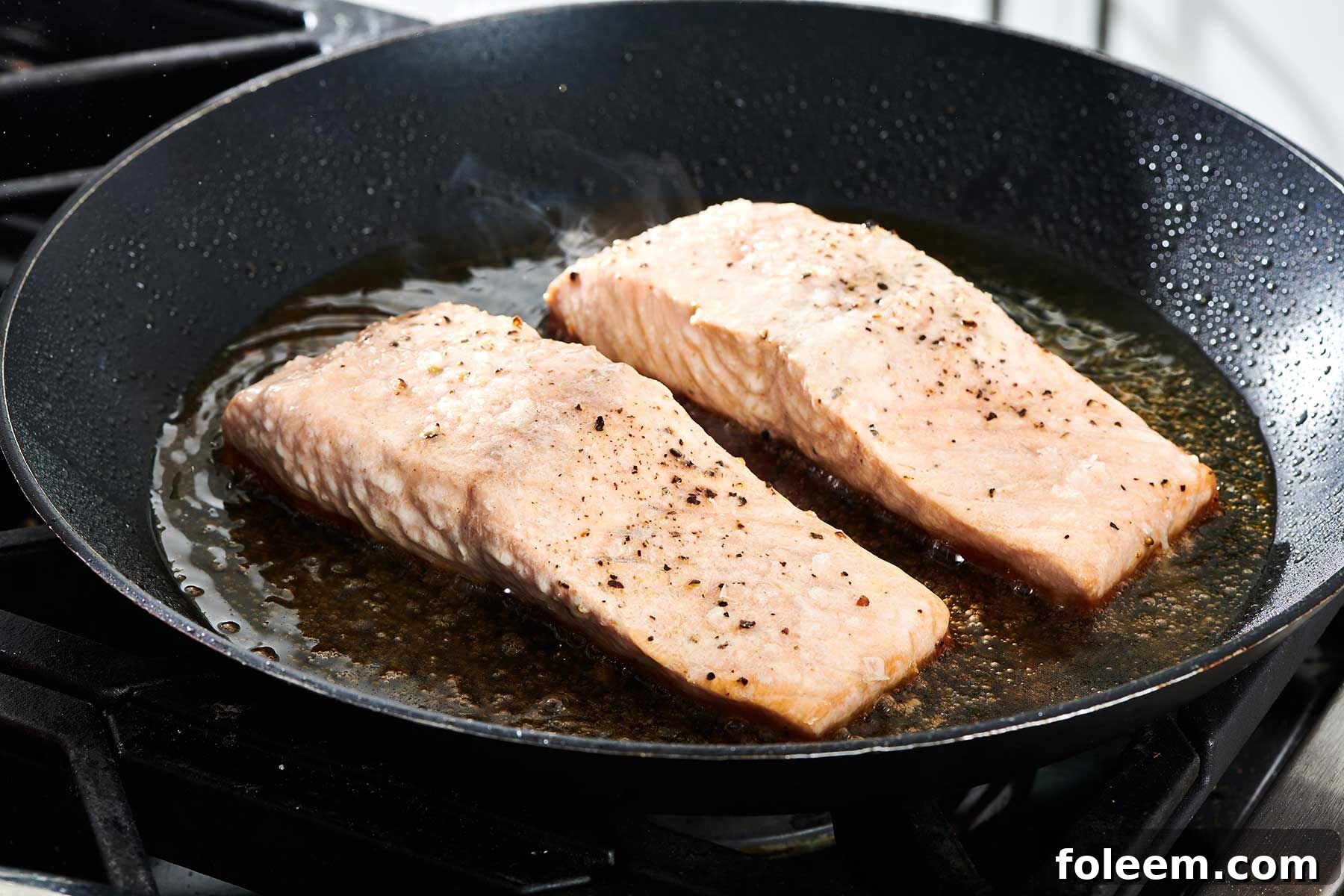
On a busy weeknight, salmon is one of the quickest dinners you can make. It adapts well to nearly every cooking method—sautéing, baking, roasting, grilling, or poaching—and accepts seasonings from every cuisine, whether Asian, Mediterranean, or contemporary American. With a few thoughtful ingredients you can create a restaurant-style salmon at home.
Below you’ll find guidance on selecting salmon, popular cooking methods, tips for timing and doneness, marinating advice, and a cooking time chart. Use these pointers to build weeknight dinners, family meals, or casual entertaining dishes.
- What Kind of Salmon to Buy
- How to Cook Salmon
- Salmon Cooking Tips
- How to Know When Salmon is Done
- Tips for Marinating Salmon
- Salmon Cooking Times
- FAQs
- More Fish & Seafood Kitchen Smarts
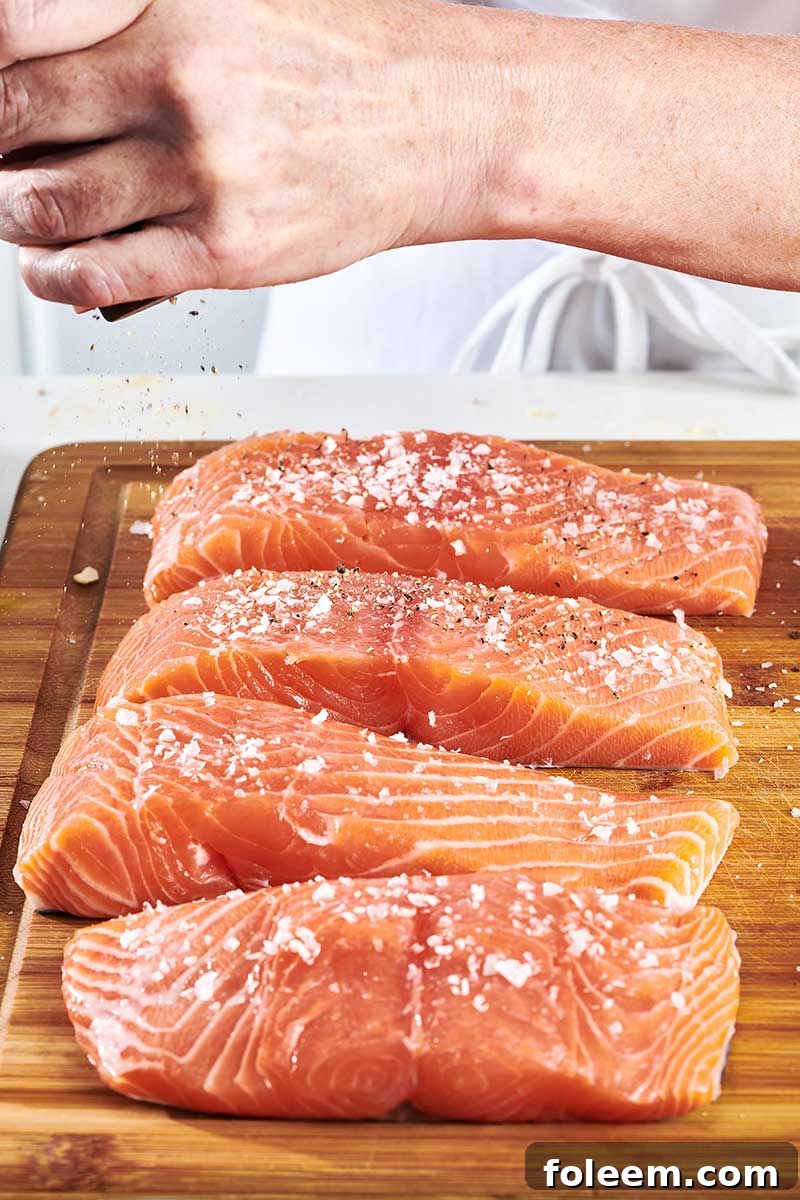
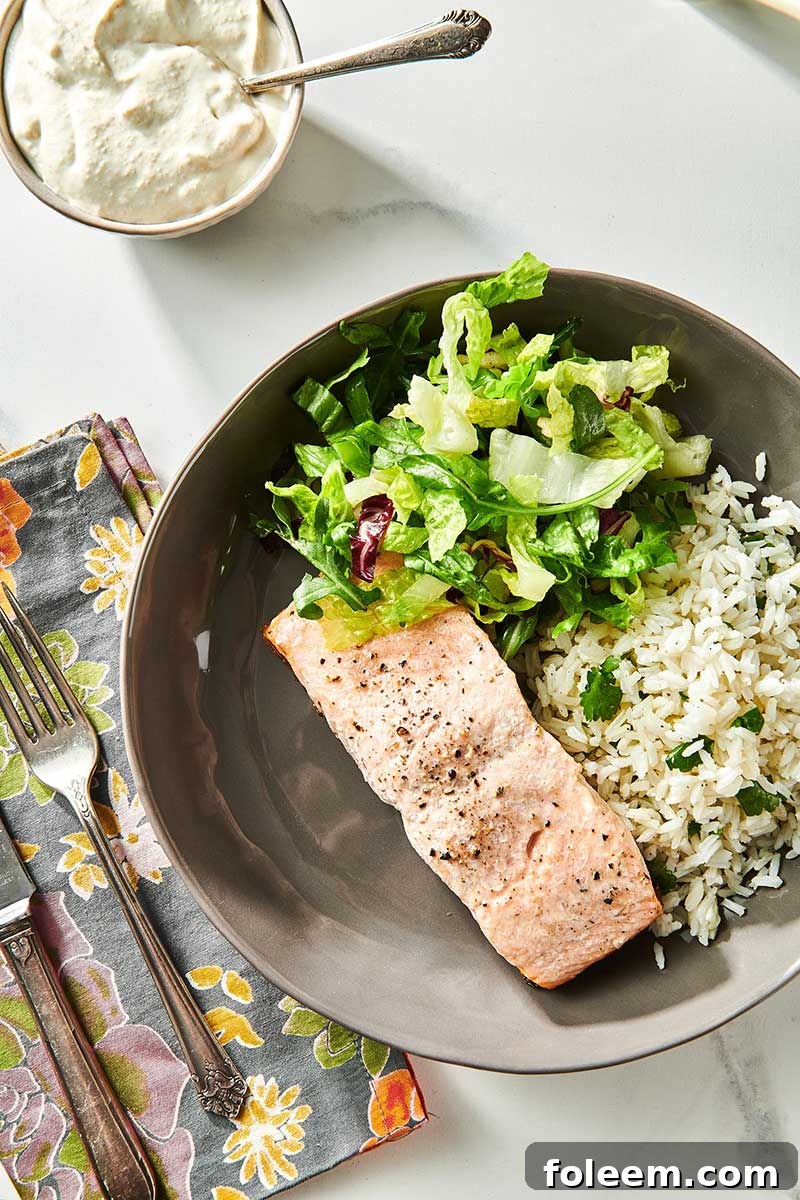
How to cook salmon: Everything you need to know to prepare and cook salmon to perfection.
What Kind of Salmon to Buy
Salmon is widely available and comes in several varieties—Coho, King (Chinook), Sockeye, and more. You can choose farmed or wild-caught salmon. Each type varies in flavor, fat content, and texture. Wild Alaska salmon tends to have a stronger, more pronounced flavor, while some farmed varieties are milder and fattier.
Sustainability matters: where and how salmon is harvested or raised affects its environmental impact. Look for suppliers or labels that indicate responsible practices and choose products that match your priorities for sustainability and quality.
How to Cook Salmon
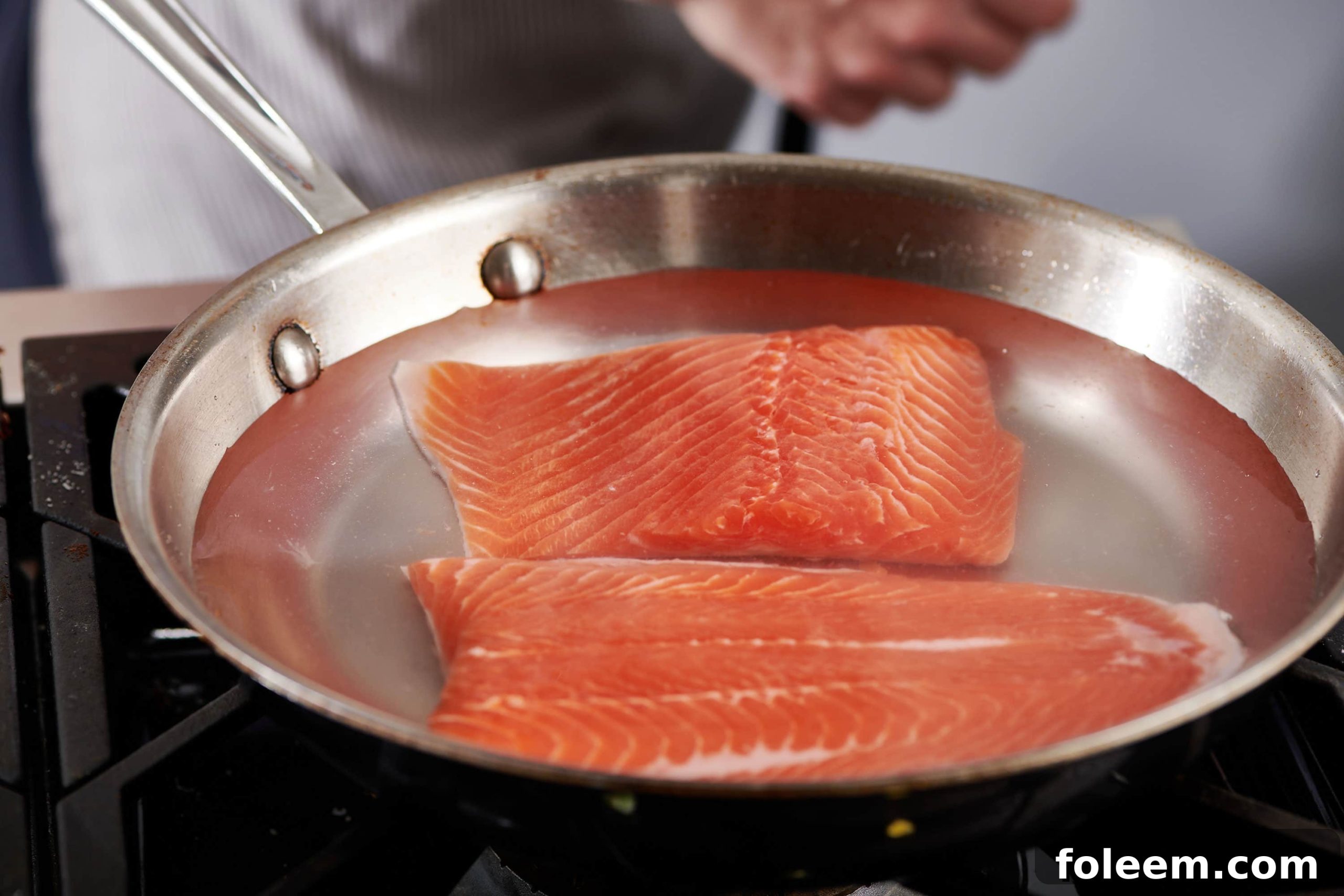
Common methods for cooking salmon include baking, grilling, pan-searing, and poaching. Each technique produces a slightly different texture and flavor. Here are a few practical approaches and why they work well:
- Bake: Gentle and reliable for even cooking, especially good for thicker fillets or whole sides.
- Grill: Adds smoky flavor and attractive grill marks; best when the fish is firm and well oiled to prevent sticking.
- Poach: Keeps salmon extremely moist and delicate; great for light sauces and salads.
How to Cook Salmon Without Flipping It
One easy method is to start salmon in a hot pan and finish it in a preheated oven. This works best with fillets about 1 inch thick or thicker so they don’t dry out. Benefits of this method include:
- You can roast accompanying vegetables or sides in the same oven, timing everything together.
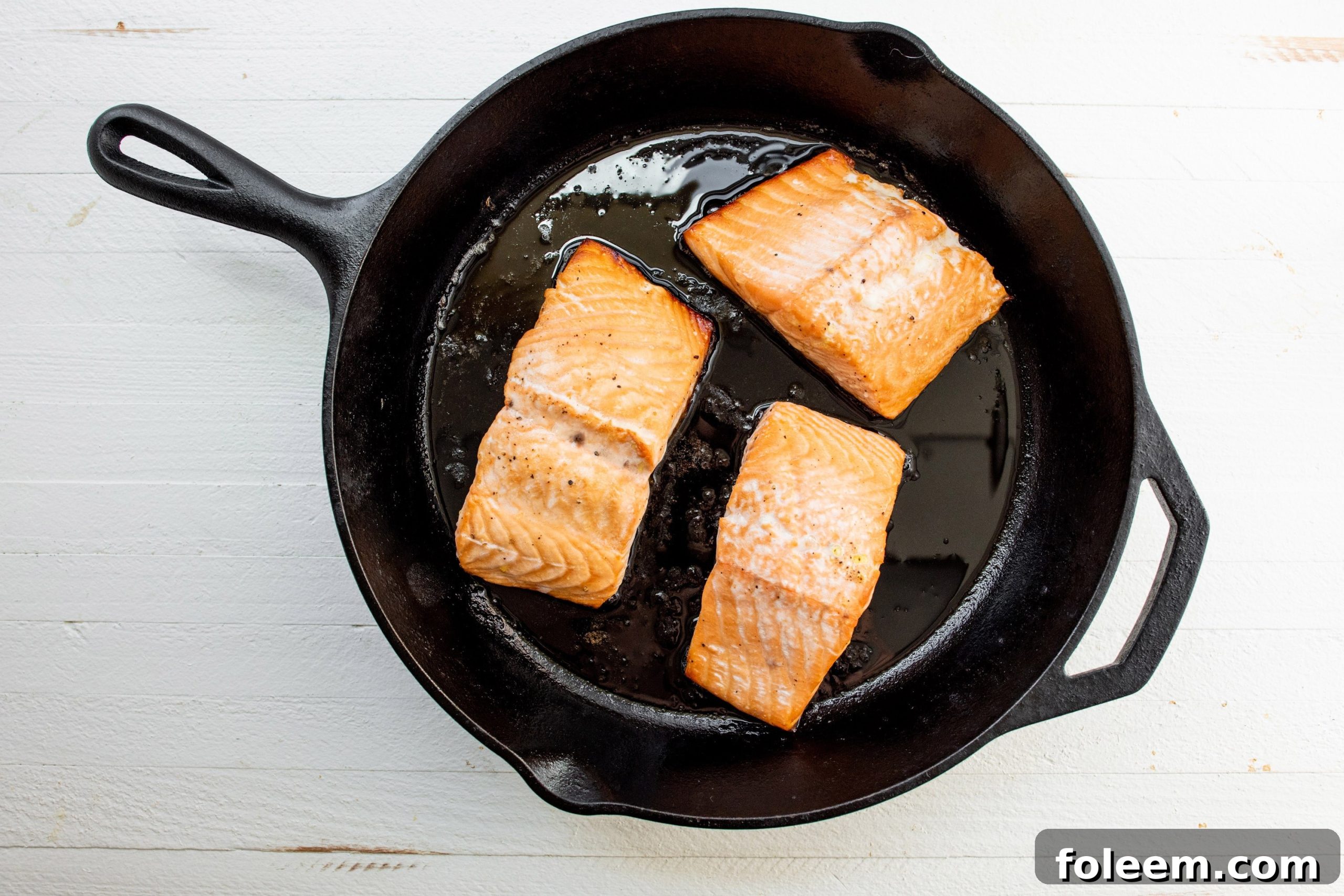
- Starting skin-side down on a hot pan produces a crisp, golden skin.
- You avoid flipping the fillet; the oven finishes the top gently while the pan gives a seared base.
Salmon Cooking Tips
- Try to choose fillets with similar thickness so they cook uniformly. If pieces vary, remove the thinner pieces earlier.
- Center-cut fillets are usually thicker and more consistent in shape, worth the small extra cost if you want evenly cooked portions.
- To thaw frozen salmon, keep it wrapped in the refrigerator overnight. If the packaging isn’t airtight, place a plate underneath to catch any drips. For quicker defrosting, seal the fish in an airtight bag and submerge it in ice water for a couple of hours. Avoid thawing at room temperature to reduce food-safety risk.
How to Know When Salmon is Done
Cooked salmon is opaque throughout and flakes easily with a fork. The USDA recommends cooking fish to an internal temperature of 145°F for safety. For high-quality, very fresh fish, many cooks prefer medium-rare (about 135°F) or even slightly rarer temperatures (125–130°F), which result in a moister, more tender texture. Use a thermometer if you want precise doneness.
Tips for Marinating Salmon
Fish absorbs flavors quickly, so marinate for a short time to avoid overpowering the salmon or altering its texture. Acidic ingredients like citrus or vinegar can start to “cook” the fish if left too long.
- Most marinades work well in the refrigerator for 1 to 2 hours; follow any recipe-specific guidance.
- If your marinade includes acid, shorten the time to preserve the salmon’s natural texture and flakiness.
- If you’re short on time, marinate briefly at room temperature for 15–20 minutes, or simply brush the fish with a sauce and add more after cooking.
Salmon Cooking Times
The following are approximate cooking times for 6- to 8-ounce salmon fillets about 1½ inches thick. Times will vary with thickness, temperature, and cooking method, so use them as a guideline and adjust to your preference:
| Level of Doneness | Total Cooking Time |
|---|---|
| Rare (dark pink center) | 7 to 9 minutes |
| Medium-Rare | 12 to 16 minutes |
| Medium | 10 to 13 minutes |
| Medium-Well | 11 to 14 minutes |
| Well Done | 12 to 15 minutes |
Cook salmon to the doneness you enjoy. Some prefer it fully cooked; others prefer it pink and tender. The most important thing is to serve a fish you and your guests will enjoy.
FAQs
No. Rinsing fish can spread bacteria around your sink and kitchen surfaces, and it can interfere with marinades or browning. Any harmful bacteria will be killed during cooking, so simply pat the fillet dry with paper towels before seasoning.
Not always, but marinades add flavor. Keep marinating times short (1–2 hours in the fridge) to preserve texture. If time is tight, a 15–20 minute room-temperature soak or brushing the surface with marinade will still add noticeable flavor.
It depends on the method. Pan-searing may require a flip for even color, though starting skin-side down and finishing in the oven avoids flipping. Oven or poached salmon typically doesn’t need to be flipped.
Both work well. Oven cooking is hands-off and reliable; stove cooking gives more control and browning. A hybrid method—sear on the stove, finish in the oven—combines the advantages of each.
Either temperature is fine. Salmon will cook faster at 400°F; choose the oven temperature that suits what else you’re roasting and adjust cooking time accordingly.
More Fish & Seafood Kitchen Smarts
- How to grill tuna steak
- How to sauté shrimp on the stove
- How to cook clams on the grill
- How to grill swordfish