Maybe you picked up some beautiful seasonal pumpkins at the farmers market, joined a CSA, or tasted fresh pumpkin at a restaurant and want to try cooking with it at home for the holidays. If you’re unsure how to shop for, prepare, cook, or store fresh pumpkins, this guide will walk you through everything you need to know so you can use pumpkin in soups, mains, and desserts.
Fresh pumpkin works well in both savory and sweet dishes — from steaming into a creamy soup to folding into pumpkin bread or pumpkin mac and cheese. And don’t forget to roast the seeds for a crunchy snack.
- FAQs
- Best Pumpkins for Cooking
- How to Cut Up a Pumpkin
- How To Peel Pumpkin in the Microwave
- How to Cook Fresh Pumpkin in the Oven
- How To Make Homemade Fresh Pumpkin Puree
- Fresh Pumpkin FAQs
- How to Use Fresh Pumpkin
- How to Store Fresh Pumpkin
- 16 Fresh Pumpkin Recipes
Related guides for other seasonal produce include tips on working with broccoflower, butternut squash, pears, zucchini, and kohlrabi.
FAQs
Fresh cooked pumpkin is usually lighter in color and a little thinner in texture than canned pumpkin. It can be a bit more watery; draining pureed fresh pumpkin in a fine-mesh sieve will concentrate it. Fresh pumpkin often tastes slightly less sweet than canned.
Yes — substitute cup for cup. If you want the texture to match canned pumpkin, allow freshly cooked puree to drain in a fine mesh sieve or cheesecloth for a couple of hours to remove excess water. For soups, you can skip draining but reduce added liquid slightly.
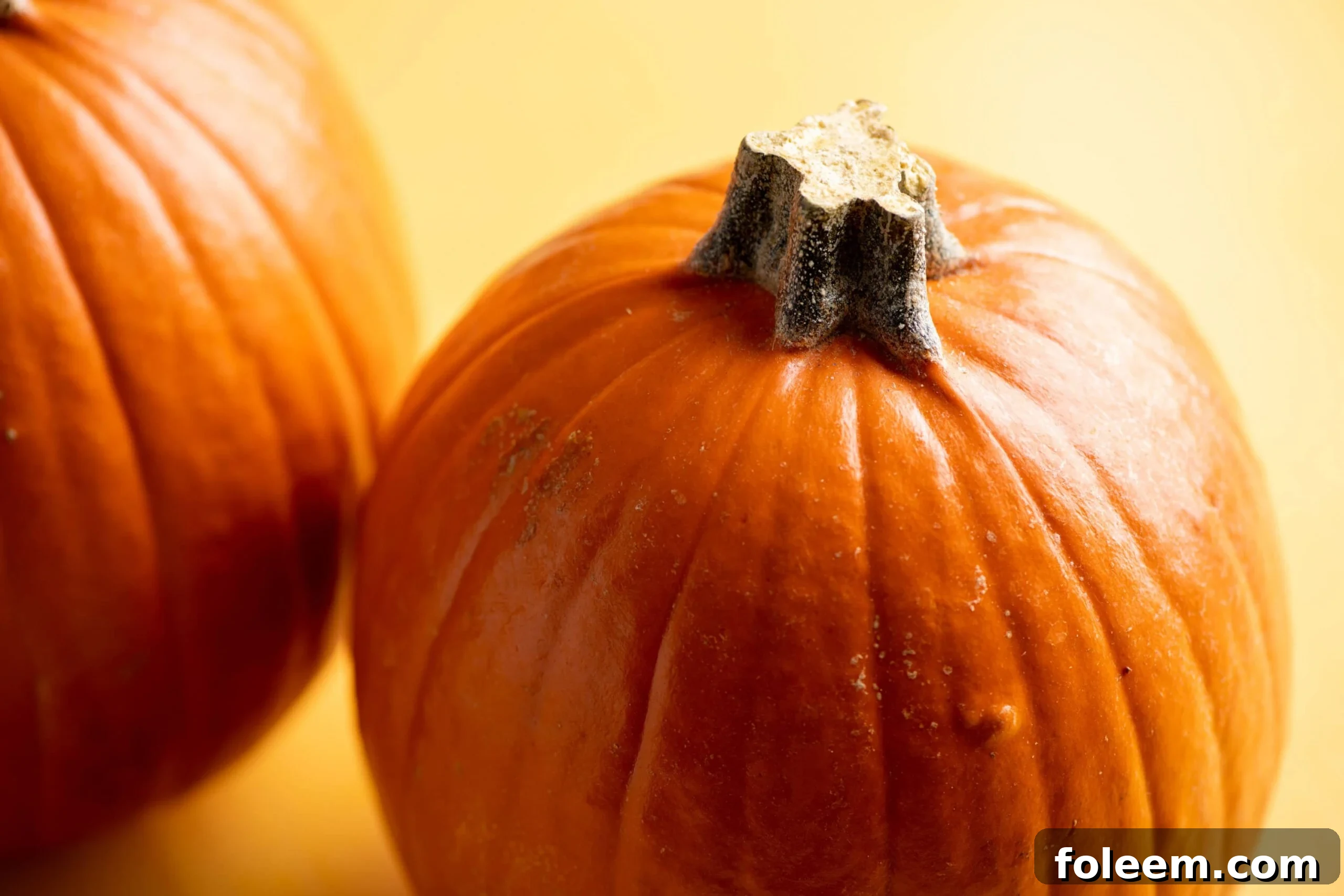
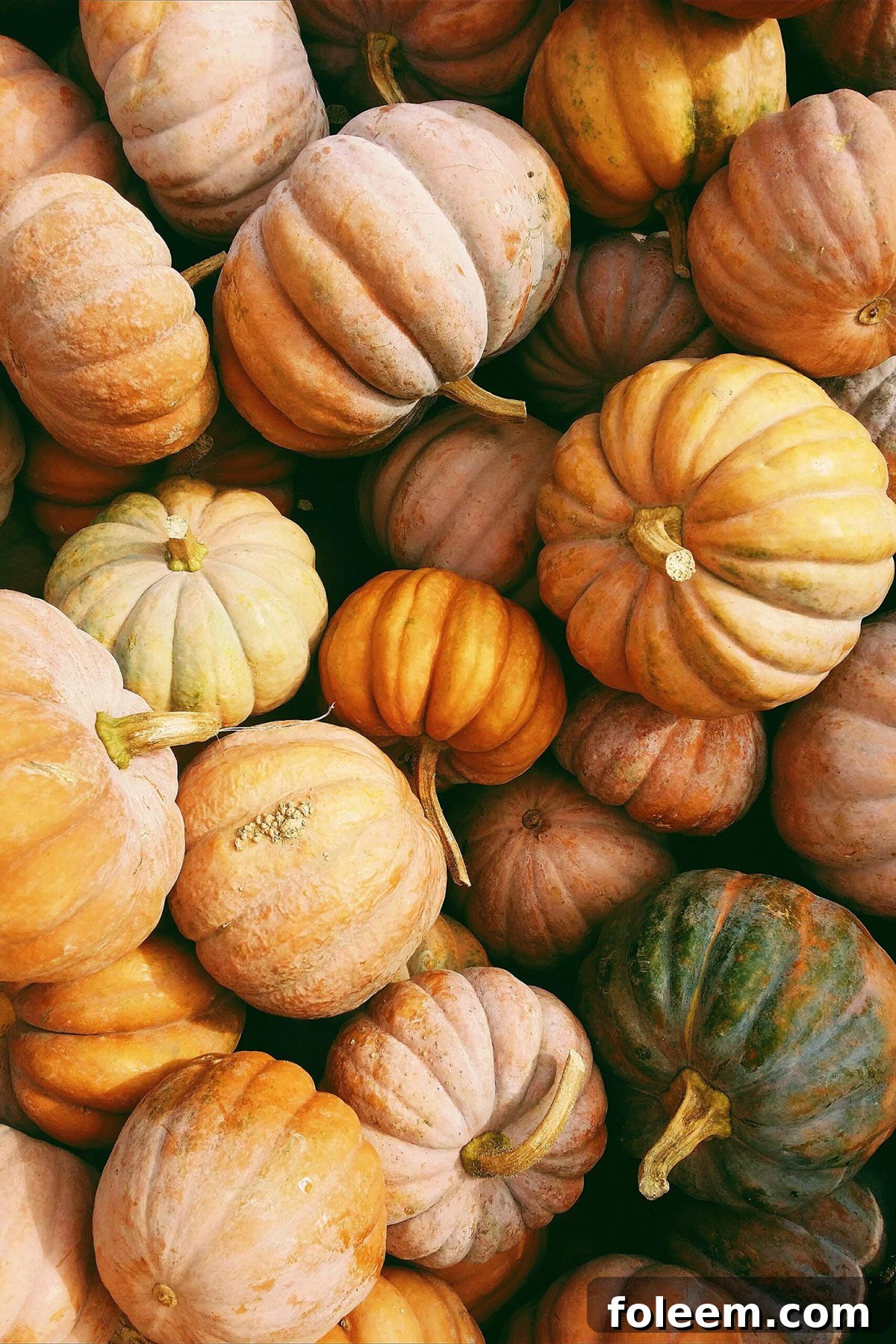
In the U.S., pumpkins are typically harvested in September and October. Choose pumpkins labeled for cooking — “pie pumpkin” or “sugar pumpkin” — rather than large carving pumpkins, which tend to be stringier and less sweet.
Pumpkin is rich in vitamins A and C, beta-carotene, fiber, potassium, and other nutrients. A cup of cooked pumpkin has roughly 50 calories. Pumpkin seeds add protein, healthy fats, and minerals.
Best Pumpkins for Cooking
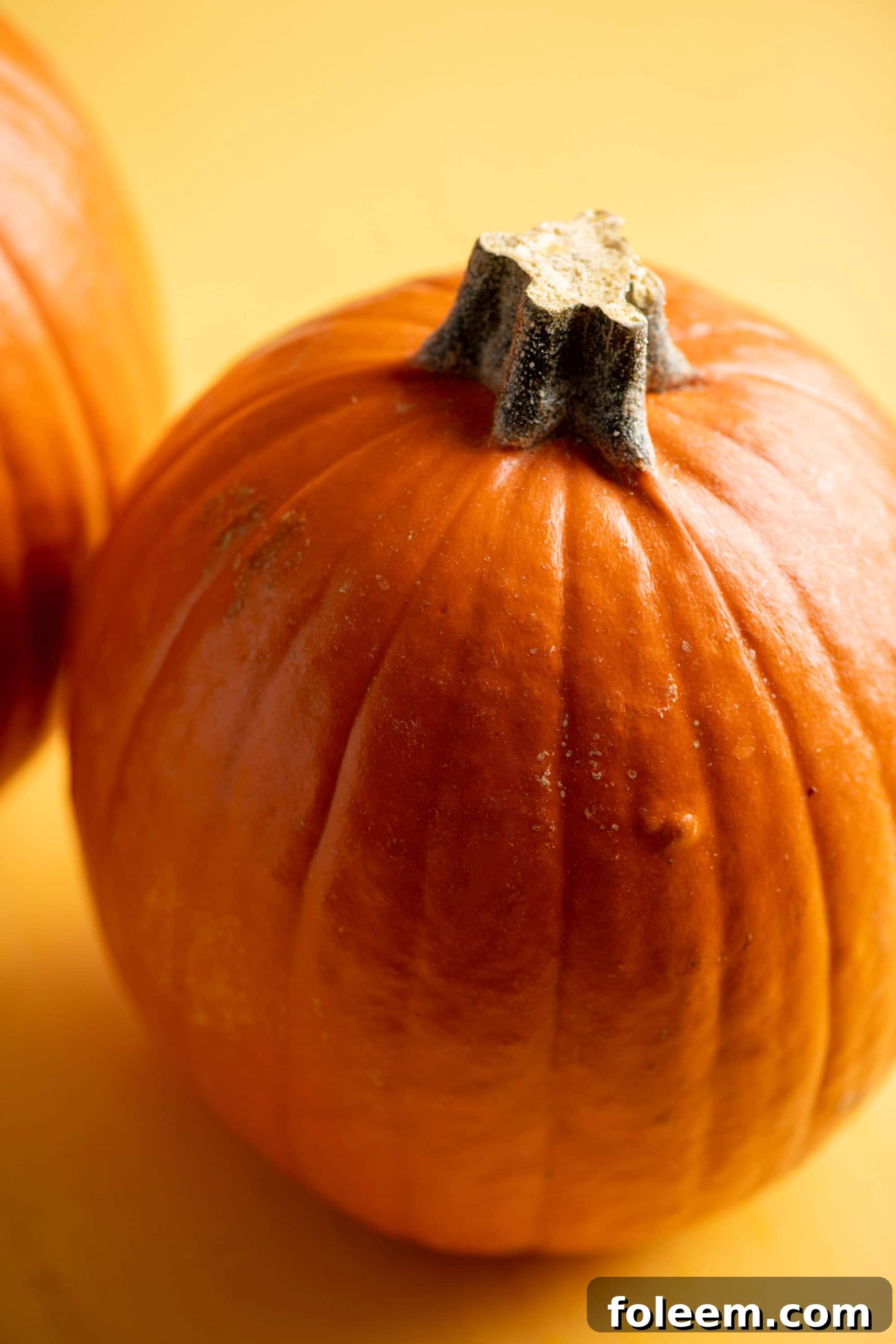
Look for pumpkins labeled “pie” or “sugar” pumpkin. Varieties that cook up well include Cinderella, Baby Bear, Baby Pam, New England Pie, Long Pie, Nantucket Pie, Fairy Tale, Lumina (white), and even some bumpy Knucklehead pumpkins. The flesh should be a rich orange (for non-white varieties) and smooth in texture. Avoid large carving pumpkins with stringy or watery flesh.
How to Cut Up a Pumpkin
Pumpkin skin can be thick and tough. Use a large, sharp chef’s knife and take your time. If you plan to roast and puree, you can halve the pumpkin and bake it in its shell. If you need peeled raw pieces, follow the microwave softening method below.
To cut and clean a pumpkin: slice vertically through the stem, scoop out seeds and stringy pulp with a sturdy metal spoon or ice cream scoop, then place each half cut-side down and shave off flat panels from the top and bottom until you can stand a half upright. Slice away the rind in sections, following the curve of the pumpkin. Then cube or slice the flesh as needed.
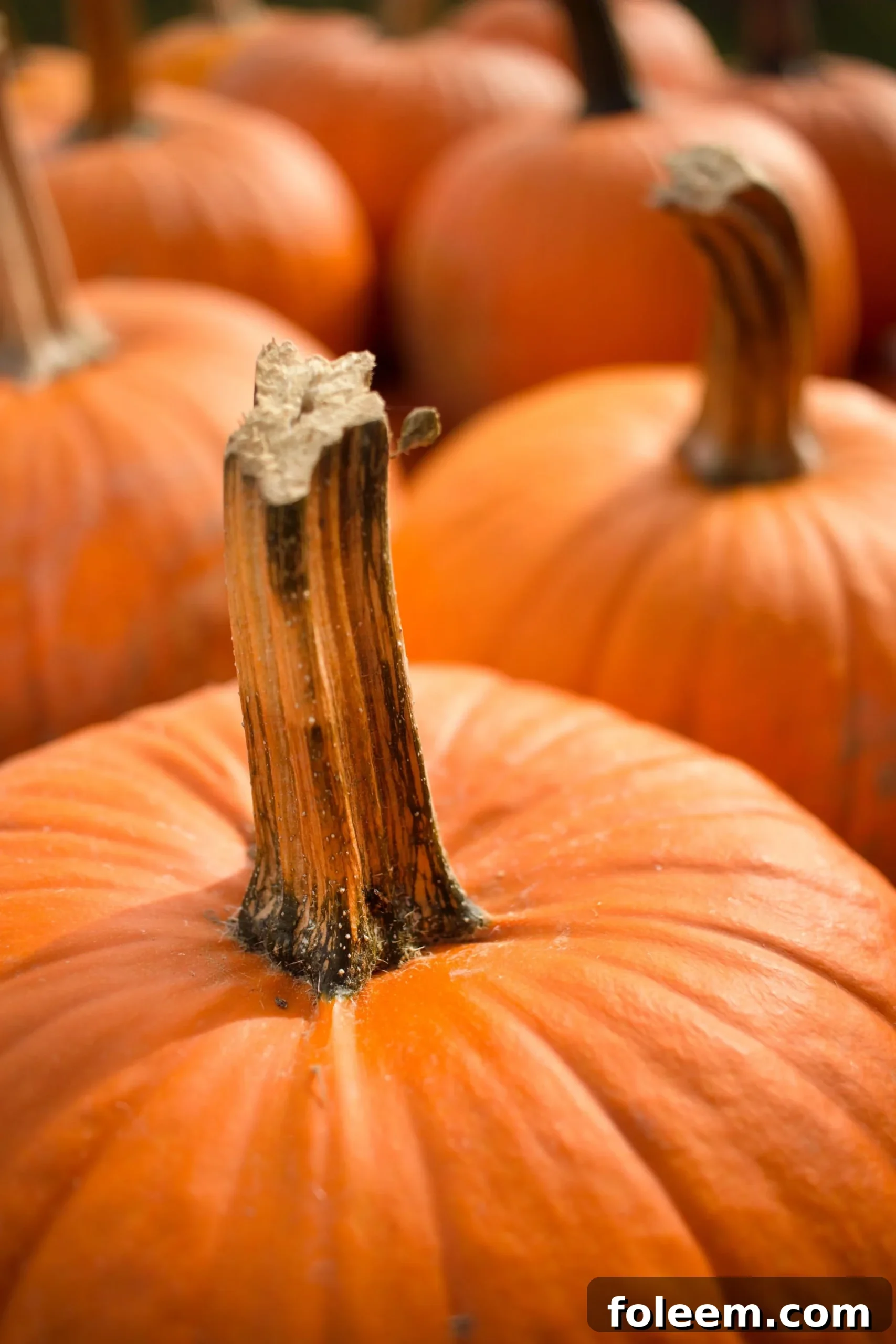
How To Peel Pumpkin in the Microwave
Microwaving makes peeling easier. Cut the pumpkin into large chunks or halves that fit comfortably in the microwave. Remove seeds and pulp, place pieces in a shallow microwave-safe dish with a thin layer of water, and microwave for about 4–6 minutes, checking for softening. Let cool enough to handle, then use a knife or vegetable peeler to remove the skin. If you intend to puree, you can continue microwaving until the flesh is fully tender (total time may reach 15–20 minutes depending on density), checking periodically.
How to Cook Fresh Pumpkin in the Oven
Baking pumpkin in its shell is an easy way to cook it for pureeing. Preheat the oven to 375°F, line a rimmed baking sheet with foil, and spray lightly with nonstick spray. Cut the pumpkin in half, scoop out seeds and stringy bits, and place halves cut-side down on the baking sheet. Roast for about 1½ hours or until a knife slides in easily. Let cool, then scoop out the flesh for pureeing.
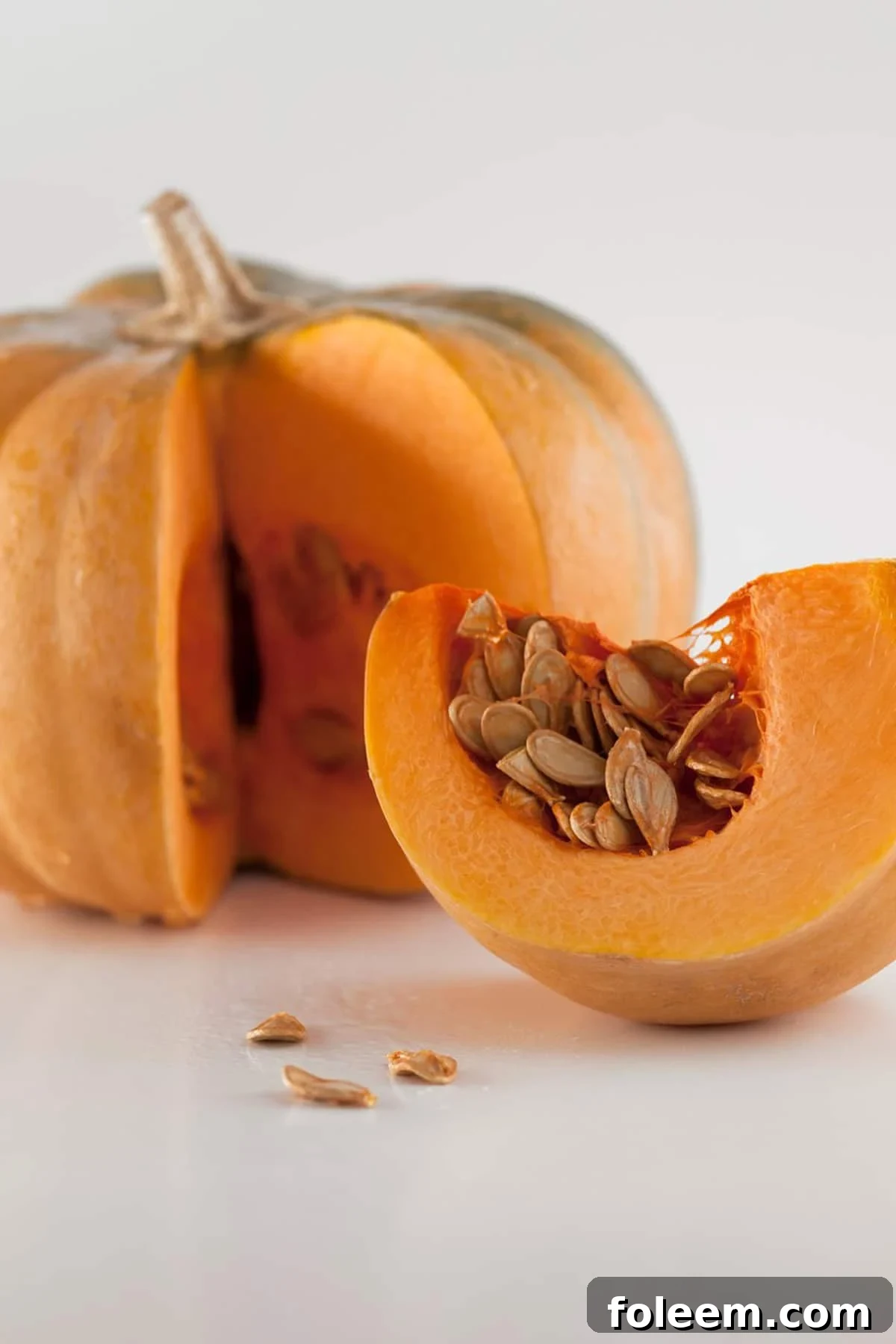
How To Make Homemade Fresh Pumpkin Puree
After roasting or microwaving and allowing the pumpkin to cool, scoop the flesh into a food processor or blender and process until smooth. For an extra-smooth texture, pass the puree through a food mill. To remove excess water and thicken the puree to a canned-like consistency, line a fine-mesh sieve with cheesecloth, add the puree, and let it drain over a bowl for a couple of hours. Press gently to remove remaining liquid, then use in pies, breads, soups, or other recipes.
Fresh Pumpkin FAQs
Yields vary by variety and size. A 3-pound cooking pumpkin yields about 2 cups of drained puree; a 5–6 pound pumpkin yields around 3 cups. Thicker-fleshed varieties produce more puree.
Choose cooking varieties (pie or sugar pumpkins) in the 4–7 pound range if possible. Avoid soft or moldy pumpkins; a few superficial dents are fine.
Fresh pumpkin tastes similar to winter squash like butternut or acorn squash — slightly sweet and earthy. Roasting intensifies the sweetness and depth of flavor.
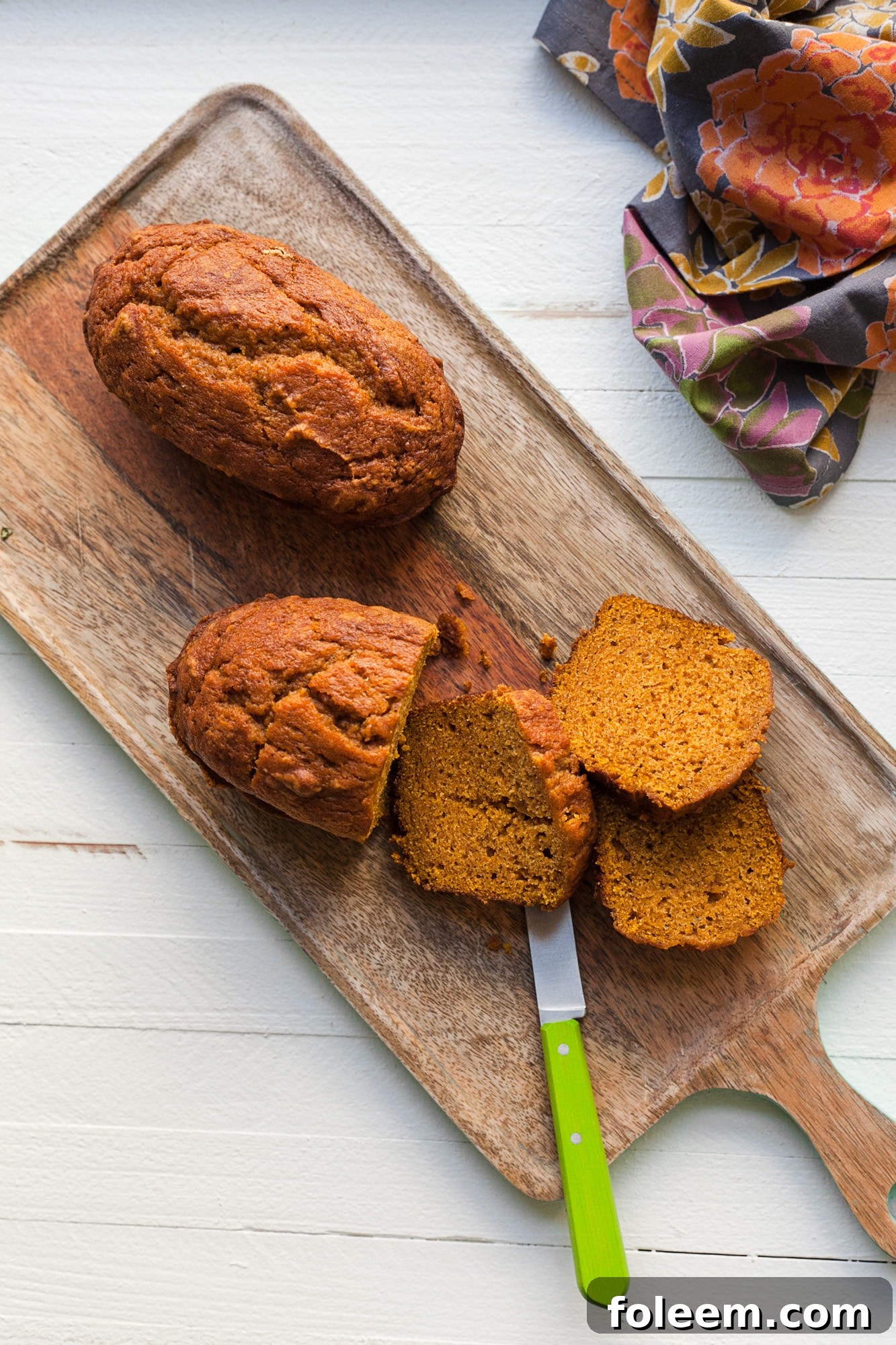
How to Use Fresh Pumpkin
Fresh pumpkin can replace other winter squashes in most recipes. Use homemade puree in pies, muffins, quick breads, sauces, and soups. Roasted or sautéed pumpkin cubes are great in salads, pasta, casseroles, stews, and grain bowls. Pumpkin can be roasted, sautéed, steamed, simmered, or baked.
How to Store Fresh Pumpkin
A whole fresh pumpkin stored at a cool room temperature can last one week to a month. If it develops soft spots, it’s past its prime. Cooked pumpkin keeps in a tightly sealed container in the refrigerator for up to 3 days, or frozen in an airtight container or freezer bag for up to 6 months.
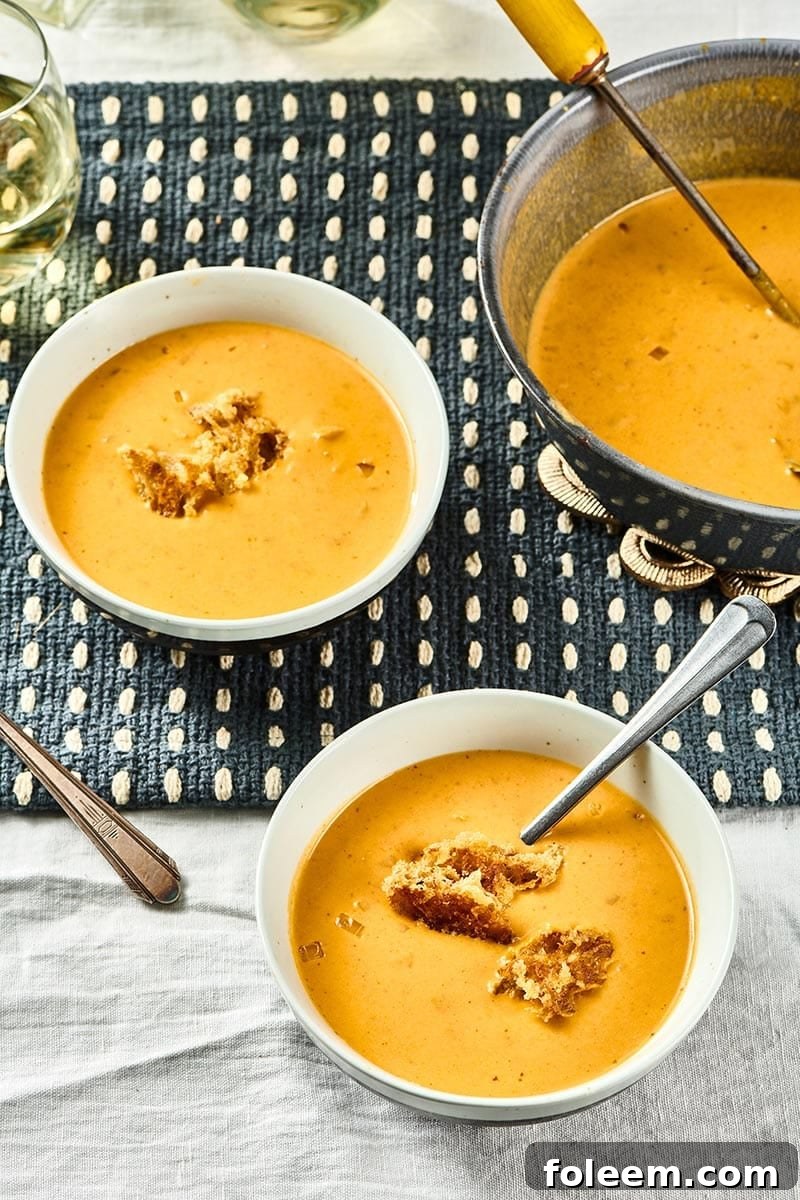
16 Fresh Pumpkin Recipes
Try fresh pumpkin in these recipe ideas. Where a recipe calls for canned pumpkin or butternut, you can substitute your own drained fresh puree or roasted pumpkin cubes.
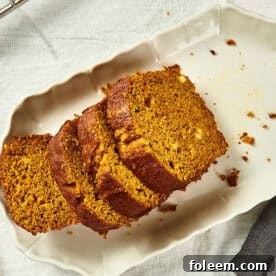
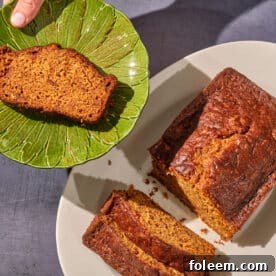
Best Pumpkin Bread
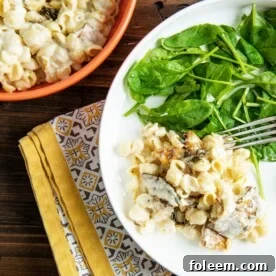
Creamy Pumpkin Mac and Cheese
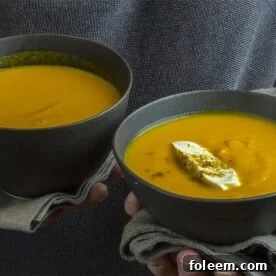
Indian Butternut Squash-Carrot Soup
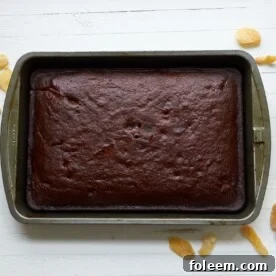
Pumpkin Gingerbread
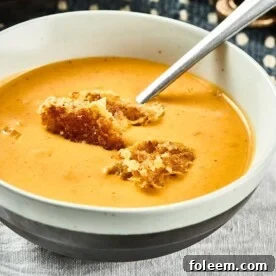
Pumpkin Curry Soup

Roasted Butternut Squash and Fennel Soup

Pumpkin Streusel Muffins
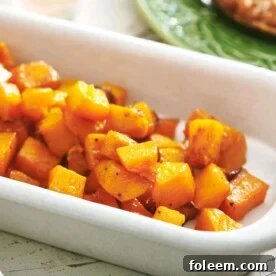
Roasted Butternut Squash

Sweet Potato Pie with Whipped Cream

Pumpkin Spice Pancakes

Moroccan Lamb and Butternut Squash Stew
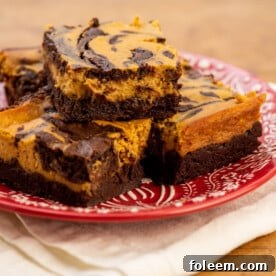
Pumpkin Cream Cheese Brownies
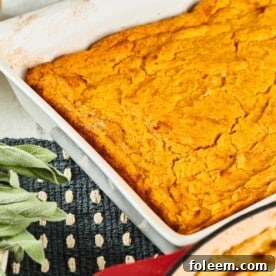
Sweet Potato Spoon Bread
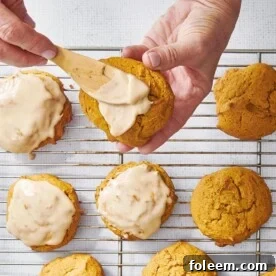
Soft Pumpkin Cookies
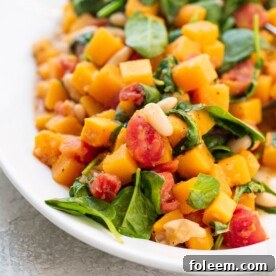
Butternut Squash and White Bean Ragout