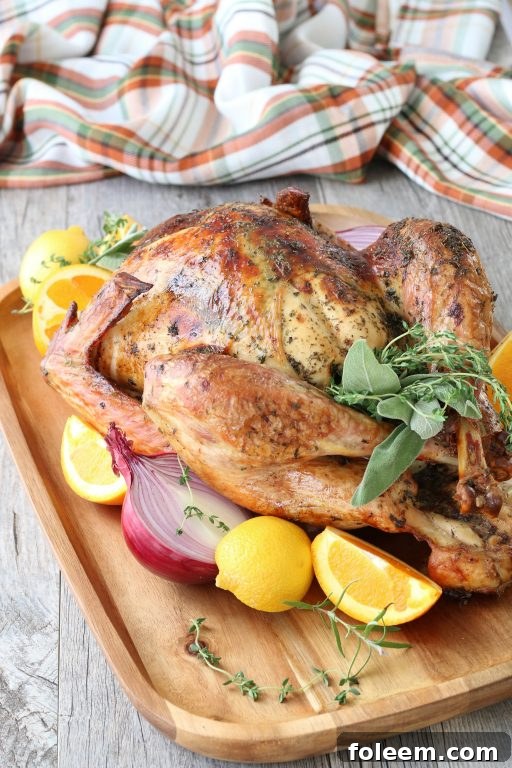
How to Brine a Turkey: The Ultimate Guide for a Juicy, Flavorful Feast
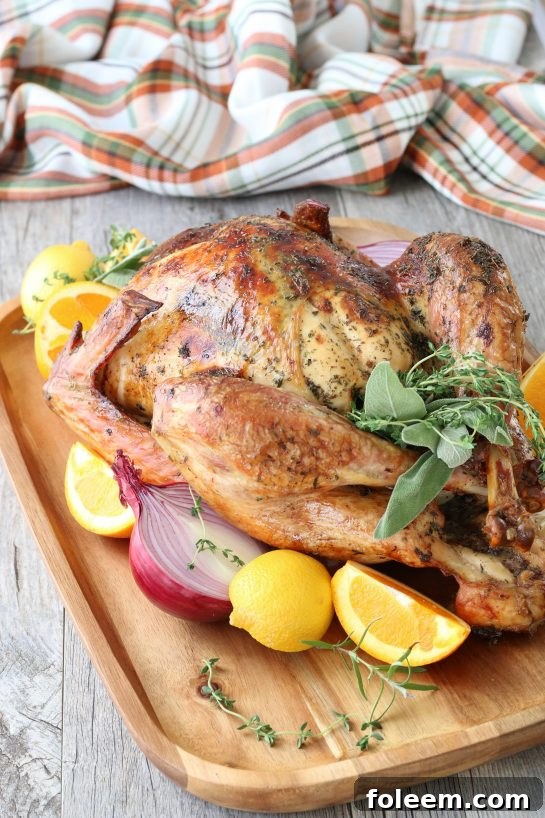
Are you ready to transform your holiday turkey from dry and bland to incredibly moist, tender, and bursting with flavor? Brining is the secret technique cherished by top chefs and home cooks alike for achieving this culinary marvel. In this comprehensive guide, we’ll demystify the art of how to brine a turkey, share our tried-and-true turkey brine recipe, explain exactly how long to brine a turkey for optimal results, and uncover why brining a turkey is the absolute best way to ensure it’s the most delicious one you’ve ever eaten! Prepare to impress your family and friends with a succulent centerpiece that will be remembered long after the feast.
Before we dive into the delicious details, it’s crucial to understand that planning is paramount. Brining a turkey requires foresight and dedication, especially when it comes to thawing your bird and allowing ample time for the brine to work its magic. Your turkey will need at least 24 hours to soak in the brine, in addition to several days for thawing. This article will walk you through every step, ensuring a smooth and successful journey to turkey perfection.
Understanding the Magic: Why You Should Brine a Turkey
Many people find turkey meat to be somewhat bland and prone to drying out when cooked. This is precisely where brining steps in as a game-changer. Turkey, by nature, has a delicate flavor profile that can benefit immensely from enhancement, and its lean meat struggles to retain moisture during the roasting process. Brining offers the perfect solution, addressing both flavor and moisture concerns simultaneously.
The Science Behind a Juicy Turkey
At its core, brining is the process of soaking meat in a saltwater solution (a “brine”) before cooking. This isn’t just about adding salt to the surface; it’s a profound transformation that occurs at a cellular level. Through a process called osmosis, the saltwater solution is gradually absorbed into the turkey’s muscle fibers.
- Moisture Retention: The salt in the brine denatures (unwinds) the muscle proteins in the turkey. This structural change causes the proteins to relax and swell, allowing them to absorb and trap more water. As a result, the turkey retains significantly more moisture during cooking, leading to an incredibly juicy and tender final product. Even if you accidentally overcook it slightly, a brined turkey will be far more forgiving than an unbrined one.
- Enhanced Flavor: Beyond just moisture, the brine solution, infused with various herbs and spices, penetrates the meat, flavoring it from the inside out. This means every bite, not just the skin, carries a depth of delicious taste. The salt itself also enhances the natural flavors of the turkey, making it more savory and satisfying.
Over the course of 24 hours, this scientific magic unfolds, naturally flavoring and moisturizing your turkey to an unparalleled degree. Once you experience the difference of a brined turkey, you’ll never go back!
Planning for Perfection: Your Turkey Brining Timeline
Achieving that perfect, succulent turkey requires a little planning. Here’s a suggested timeline to ensure your bird is ready for its grand appearance at your next family gathering or special event. Remember, the key is to start early!
-
4-5 Days Before Cooking: Thawing Your Turkey
This is often the most time-consuming part of preparing any turkey recipe. A large frozen turkey (12-16 lbs) can take 3-4 days to thaw completely in the refrigerator. For every 4-5 pounds of turkey, allow 24 hours of thawing time. Ensure it’s fully thawed before proceeding with brining, as a partially frozen turkey won’t absorb the brine properly. Place it on a tray or in a pan to catch any drips. -
2 Days Before Cooking: Prepare Your Turkey Brine
Making your turkey brine ahead of time allows it to cool completely and for the flavors to meld. You want the brine to be thoroughly chilled before introducing your turkey to prevent any food safety issues. This step can be done the day before brining begins. -
1 Day Before Cooking: Begin Brining Your Turkey
Following our recipe below, this is the day you will submerge your fully thawed turkey in the aromatic brine solution. It will then chill in the refrigerator for the full 24-hour brining period. This ensures maximum flavor penetration and moisture absorption. -
1 Hour Before Roasting: Remove and Prepare for Roasting
Once the brining process is complete, remove the turkey from the brine, rinse it thoroughly, and pat it completely dry. Allowing it to air-dry for an hour at room temperature before roasting will promote crispy skin.
Essential Ingredients for the Best Turkey Brine Recipe
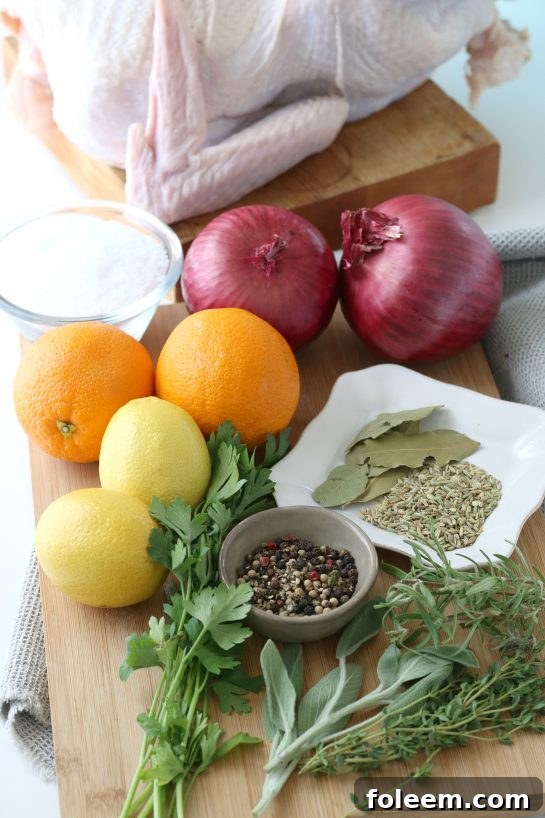
To craft a truly exceptional, flavorful turkey, a well-balanced brine is crucial. This recipe for homemade turkey brine is designed to infuse your bird with layers of aromatic goodness, complementing the turkey’s natural taste without overpowering it. Here’s what you’ll need:
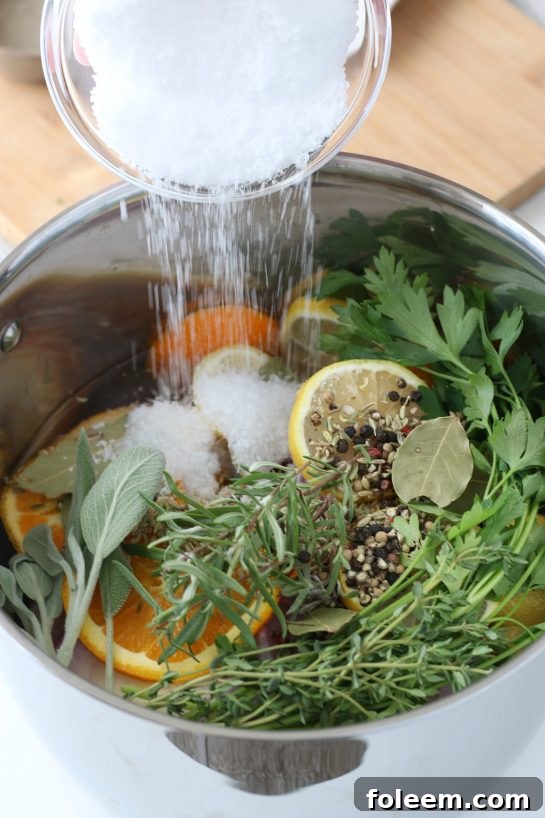
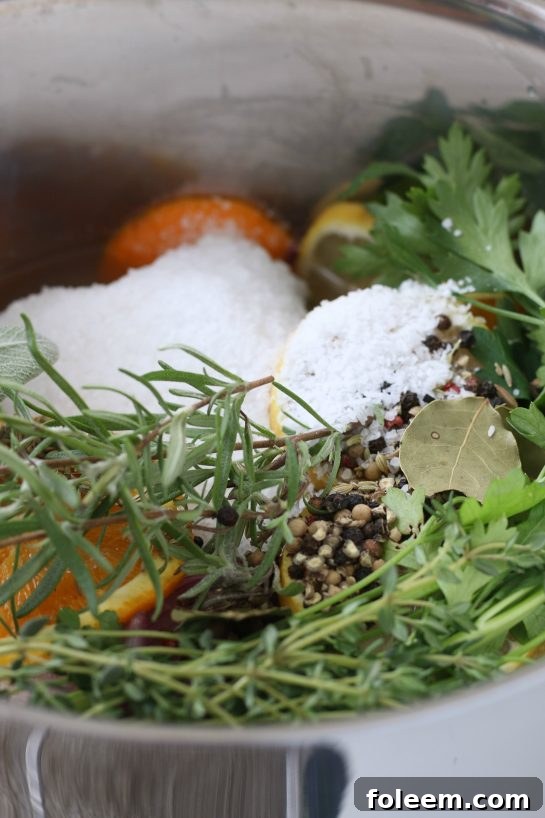
Ingredients List:
- 1 whole turkey, giblets removed: Approximately 12-16 pounds is ideal for this recipe. Ensure the turkey is fully thawed before brining.
- 1 cup kosher salt: Kosher salt is preferred over table salt due to its larger crystal size, which makes it easier to measure accurately and dissolve evenly without making the turkey overly salty.
- 4 quarts (16 cups) cold water, divided: The base of our brine solution, divided to allow for initial simmering and later cooling.
- 6 bay leaves: These add a subtle, earthy, and slightly floral note to the brine.
- 2 tablespoons whole black peppercorns: Provides a gentle, warm spice that enhances the overall flavor.
- Fresh thyme: A classic poultry herb, offering a woody, minty, and slightly lemony aroma.
- Fresh rosemary: Imparts a strong, pine-like, and slightly bitter flavor that pairs wonderfully with turkey.
- Fresh sage: Known for its robust, earthy, and slightly peppery notes, essential for traditional holiday poultry.
- 2 medium red onions, quartered: Adds a sweet, pungent base note to the savory brine.
- 1 tablespoon fennel seeds: Offers a unique, subtle licorice-like flavor that elevates the aromatic complexity.
Essential Equipment:
Beyond the ingredients, having the right tools makes the brining process straightforward and mess-free.
- Very large pot or brining container: At least 5 quarts, but ideally larger (e.g., a 10-gallon food-grade bucket or a large cooler dedicated for food use). It must be large enough to fully submerge your turkey in the brine.
- Plastic brining or roasting bag (extra large): Essential for containing the turkey and brine within your pot or cooler, preventing leaks and making cleanup easier.
- Medium saucepan: For simmering the initial brine concentrate.
- Measuring cups and spoons: For precise ingredient measurements.
- Whisk or spoon: For stirring and dissolving salt.
- Roasting pan: For resting and roasting the turkey after brining.
Step-by-Step Guide: Our Best Turkey Brine Recipe
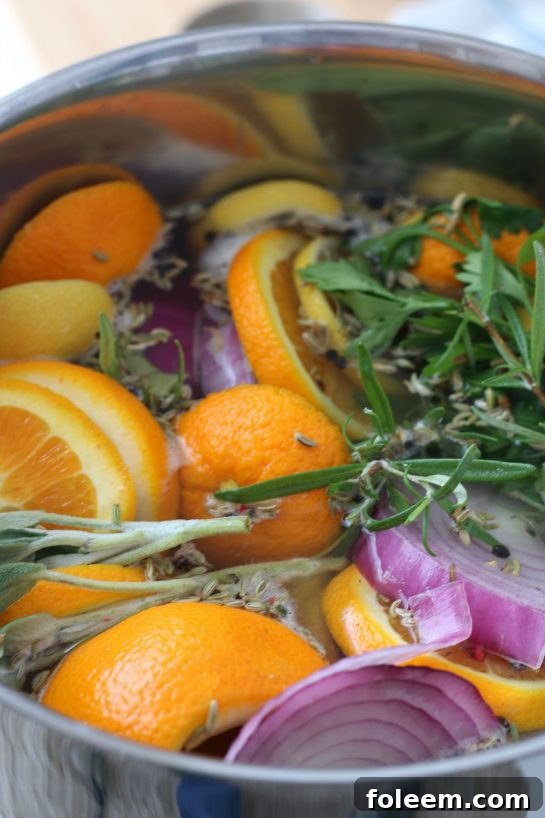
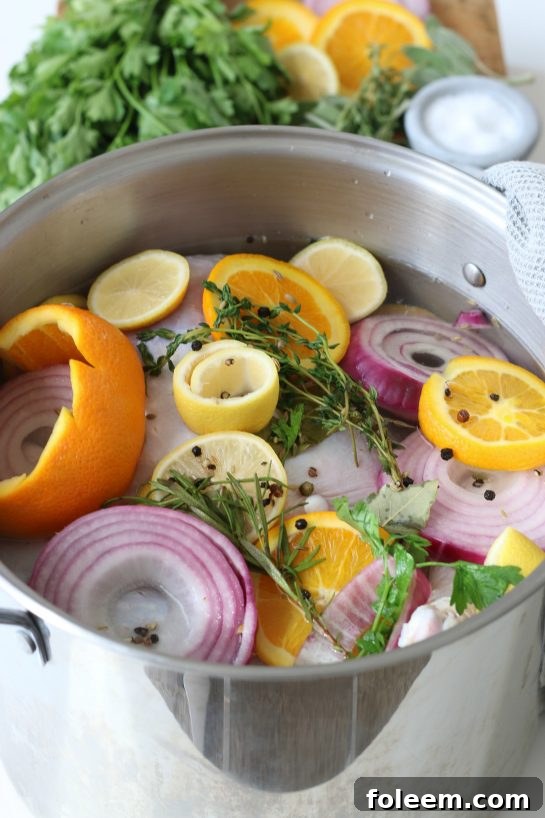
Follow these detailed instructions to create and apply the perfect turkey brine for your holiday feast:
- Prepare Your Brining Container: Line a very large pot (at least 5 quarts, ideally larger to accommodate the turkey and brine comfortably) or a food-grade brining bucket with a heavy-duty plastic brining or roasting bag. Ensure the bag is free of holes and large enough to hold the turkey and all the liquid without overflowing when the turkey is added.
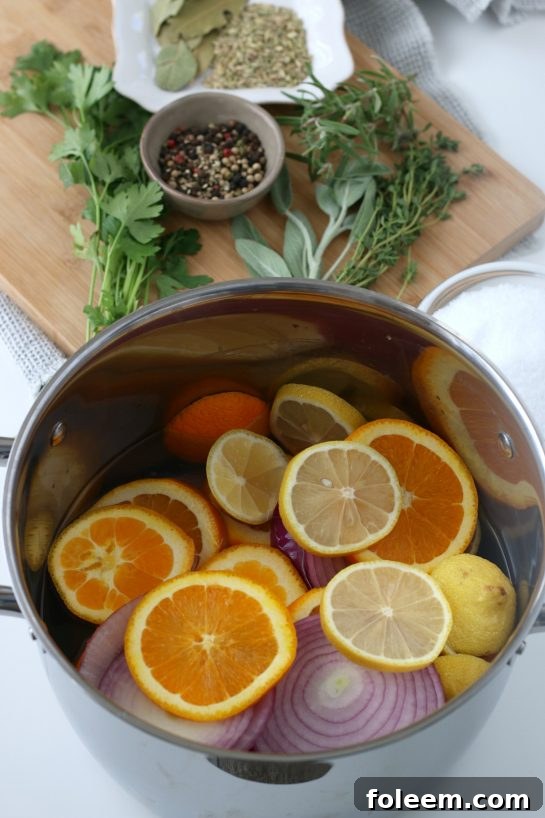
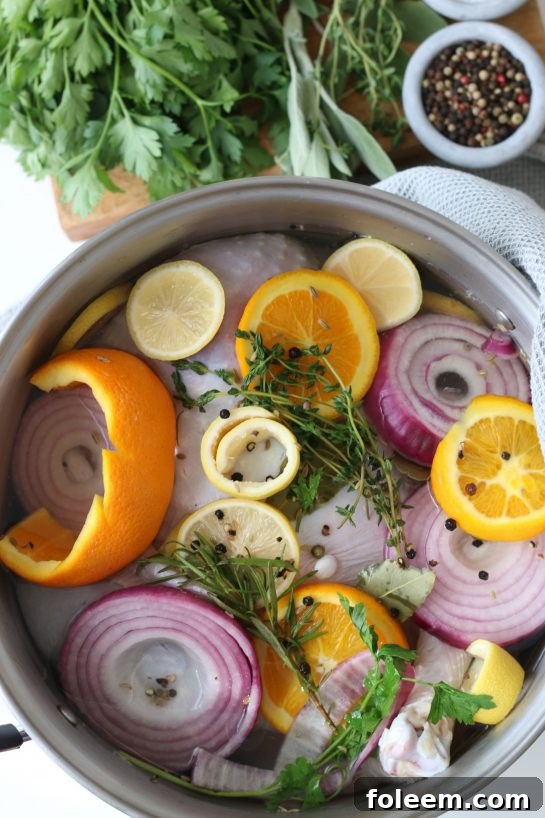
- Create the Brine Concentrate: In a medium saucepan, combine 4 cups of the cold water with the kosher salt, bay leaves, whole black peppercorns, fresh thyme, fresh rosemary, fresh sage, quartered red onions, and fennel seeds. Bring this mixture to a simmer over medium heat, stirring constantly until the salt is completely dissolved. This step helps to infuse the water with the aromatics and dissolve the salt thoroughly.
- Cool the Brine Mixture: Once the salt is dissolved, remove the saucepan from the heat. Allow the brine concentrate to cool completely for at least 30-60 minutes before moving to the next step. It’s crucial that the brine is cool (ideally room temperature or below) before adding the turkey to prevent any bacterial growth or partial cooking of the turkey. You can speed up cooling by placing the saucepan in an ice bath.
- Place Turkey in Bag: Carefully place your fully thawed and giblet-removed turkey into the prepared brining bag within your large pot or container.
- Add Brine Concentrate: Pour the cooled salt and spice mixture over the turkey inside the bag.
- Add Remaining Water and Submerge: Now, pour the remaining 12 cups of cold water over the turkey in the bag. Gently press down on the turkey to ensure it is completely submerged in the brine. If necessary, add a bit more cold water to ensure the entire bird is covered. You can also use a plate or another heavy object to keep the turkey submerged if it tends to float.
- Seal the Bag: Carefully tie or seal the brining bag closed, removing as much air as possible without spilling the brine.
- Chill and Brine: Place the pot (or container) with the brining turkey into the refrigerator. Allow it to chill and brine for a full 24 hours. For even distribution of flavor and moisture, it’s a good idea to flip the turkey once halfway through the brining period (around the 12-hour mark).
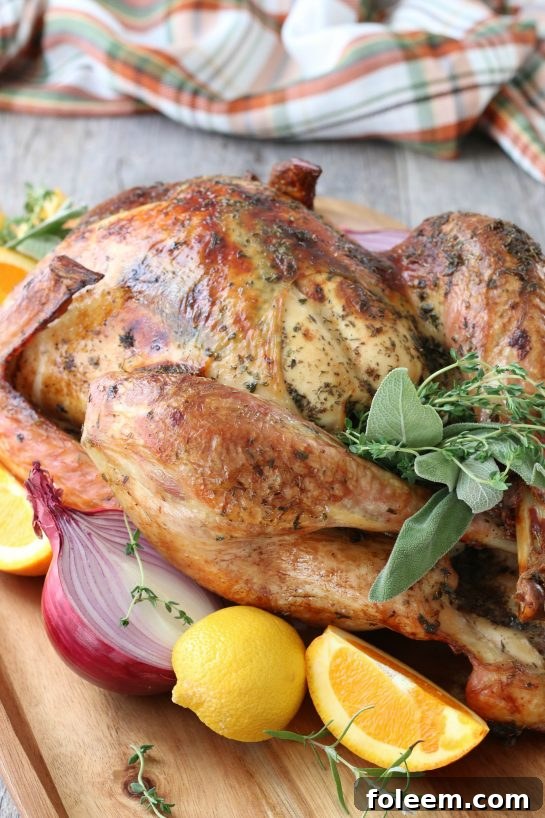
- Prepare for Roasting: One hour before you plan to begin the roasting process, carefully remove the turkey from the brine. Discard the brine solution and the brining bag. Rinse the turkey thoroughly inside and out with cold running water to remove any excess salt and brine residue. Pat the turkey completely dry with paper towels, both inside the cavity and all over the skin. This step is vital for achieving crispy skin.
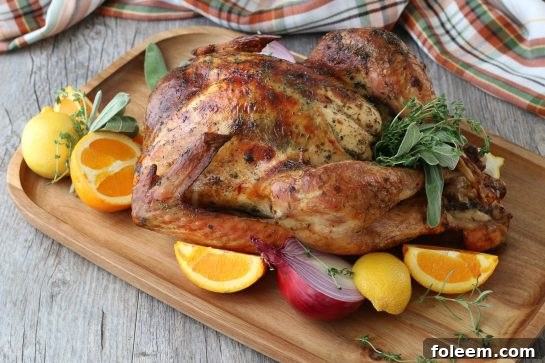
- Air Dry and Rest: Place your rinsed and dried turkey into a clean roasting pan. Let it stand at room temperature for up to 1 hour before you start roasting. This further promotes air circulation and drying of the skin, contributing to a crisper exterior.
Expert Tips for the Perfect Turkey Brining Experience
Brining is a straightforward process, but a few expert tips can elevate your experience and ensure a truly spectacular holiday bird.
Choosing Your Turkey: Fresh vs. Frozen
- Go Fresh for Best Results: If possible, opt for a perfectly sized fresh turkey. There’s nothing quite like brining a fresh turkey; its muscle fibers are more receptive to the brine, resulting in exceptional flavor and juiciness.
- Frozen and Thawed Turkeys: While you can brine a frozen and thawed turkey, be aware of its limitations. Many commercially frozen turkeys are “enhanced” or “pre-brined,” meaning they’ve been injected with a saltwater or flavor solution before freezing. Check the label carefully. These turkeys will absorb less additional flavor and moisture from your homemade brine, making the effect less dramatic. If using an enhanced turkey, you might consider reducing the brining time slightly or simply choosing a fresh, unenhanced bird for optimal results.
Brine Containment and Food Safety
Food safety is paramount when handling raw poultry. Proper containment of your turkey and brine is essential to prevent cross-contamination.
- Secure Brining Bags: Use extra-large (e.g., 10-gallon capacity) zipper bags, heavy-duty brining bags specifically designed for turkeys, or large oven roasting bags. The main objective is to create a secure, leak-proof environment.
- Containment Vessel: Always place your brining bag inside a larger container, such as a large stockpot, a clean food-grade cooler, or a large plastic tub. This provides a secondary layer of protection against leaks and makes it easier to transport the turkey to and from the refrigerator.
- Prevent Cross-Contamination: Ensure raw turkey juices and brine do not come into contact with other food items in your refrigerator. Keep the brining container on the lowest shelf of your fridge, ideally on a tray, to prevent any potential drips from contaminating other foods.
Refrigerator Space and Logistics
Finding space for a large pot with a brining turkey can be a challenge, especially around the holidays.
- Prep Your Fridge: I always try to prepare my refrigerator well in advance. Move shelves, remove unnecessary items, and create a clear, dedicated space for your large brining pot.
- Alternative Cooling: If refrigerator space is truly at a premium, a clean, food-grade cooler filled with ice can be used. Ensure the turkey and brine are kept below 40°F (4°C) at all times by replenishing ice as needed. This method is best for colder climates where the ambient temperature isn’t excessively warm.
Post-Brine Preparation: Rinsing and Drying
These steps are often overlooked but are critical for both taste and texture.
- Dedicated Sink Space: Clean and sanitize your sink thoroughly before removing the turkey from the brine. This makes the rinsing process easier and helps contain any splashes, keeping raw turkey juices off your counters and surfaces.
- Thorough Rinsing: Rinse the turkey thoroughly under cold water, inside and out, to remove excess salt from the surface. This prevents the cooked turkey from being overly salty.
- Pat Dry for Crispy Skin: After rinsing, use plenty of paper towels to pat the turkey completely dry. A dry surface is crucial for achieving that coveted golden-brown, crispy skin during roasting. You can even let it air dry in the refrigerator for a few hours (uncovered, on a rack in a pan) after patting dry for extra crispy skin.
Cleanup is Key!
After handling raw poultry, immediate and thorough cleanup is non-negotiable. Disinfect all surfaces, cutting boards, utensils, and your sink that came into contact with the turkey or brine. This vigilance ensures you’re not spreading germs, especially important during holiday gatherings.
Serving Suggestions and Leftover Inspiration
Your perfectly roasted turkey deserves equally delicious accompaniments.
- Gravy: Don’t forget the gravy! I highly recommend making a No-Drippings Turkey Gravy to go alongside your finished turkey. You can even prepare it ahead of time to reduce stress on the big day.
- Side Dishes: Pair your juicy turkey with classic holiday sides. My garlic smashed potatoes are a fantastic choice, offering a creamy, flavorful contrast. Other popular options include green bean casserole, cranberry sauce, stuffing, and roasted root vegetables.
And when the feast is over, those delicious turkey leftovers are a gift that keeps on giving! Be sure to try my Turkey Fiesta Soup for a warming and flavorful post-holiday meal. Leftovers can also be used for sandwiches, pot pies, quesadillas, or even a hearty turkey salad.
The Definitive Turkey Brine Recipe (Printable)
For your convenience, here is a consolidated and printable version of our ultimate turkey brine recipe.
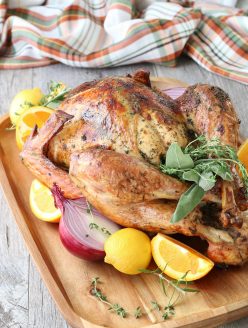
Recipe Type: Dinner
Cuisine: American
Author: Ashley
Prep Time:
Cook Time: (Brining time)
Total Time:
Serves: 10
Ingredients:
- 1 whole turkey, giblets removed
- 1 cup kosher salt
- 4 quarts (16 cups) cold water, divided
- 6 bay leaves
- 2 tablespoons whole black peppercorns
- Fresh thyme
- Fresh rosemary
- Fresh sage
- 2 medium red onions, quartered
- 1 tablespoon fennel seeds
Instructions:
- Line a very large pot (at least 5 quarts) or a brining container with a heavy-duty plastic brining or roasting bag. Ensure it’s large enough for the turkey and brine.
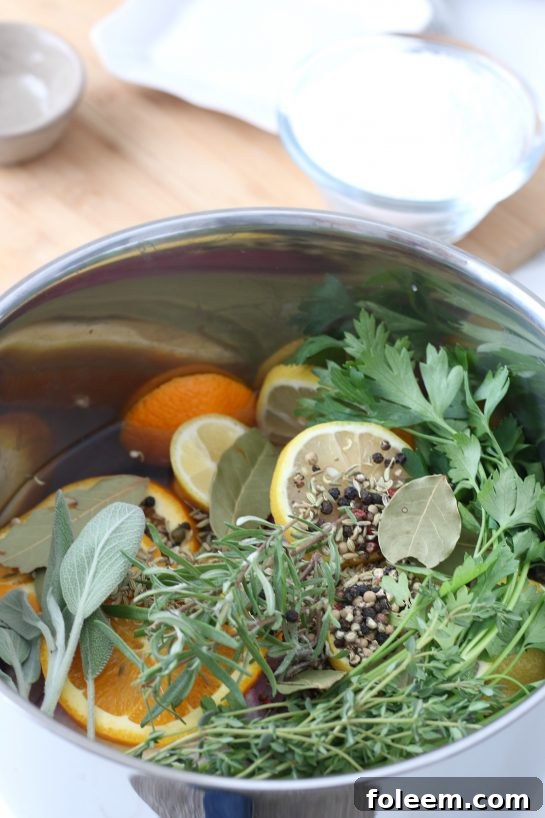
- In a medium saucepan, bring 4 cups of water with salt, bay leaves, peppercorns, thyme, rosemary, sage, onions, and fennel seeds to a simmer. Stir until salt is completely dissolved.
- Remove from heat and cool the brine mixture completely for at least 30-60 minutes.
- Place your fully thawed turkey into the brining bag within the pot.
- Pour the cooled salt and spice mixture over the turkey.
- Add the remaining 12 cups of cold water over the turkey, ensuring the turkey is completely submerged. Add more water if necessary.
- Tie or seal the brining bag securely, removing as much air as possible.
- Place the pot with the turkey and brine in the refrigerator and chill for 24 hours. Flip the turkey once halfway through to ensure even brine distribution.
- One hour before roasting, remove the turkey from the brine. Discard the brine and bag. Rinse the turkey thoroughly with cold water, inside and out. Pat it completely dry with paper towels.
- Place the dried turkey in a roasting pan and let it stand at room temperature for up to 1 hour before beginning the roasting process. This helps achieve crispy skin.
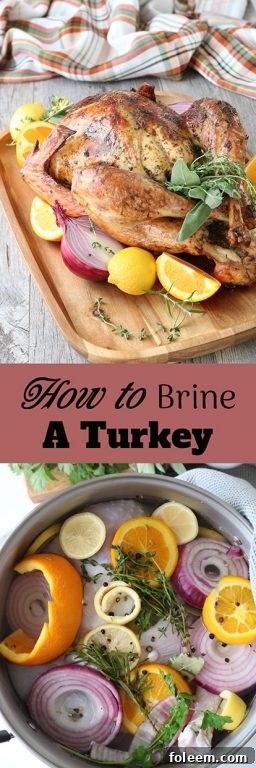
With these detailed instructions and expert tips, you are now equipped to master how to brine a turkey. Say goodbye to dry, bland turkey and hello to the juiciest, most flavorful holiday centerpiece your table has ever seen. Happy cooking, and enjoy your sensational turkey!